Florida Power Outages Summer 2026: Hurricane Season Meets Peak Heat Demand
- Why Is Florida's Power Grid Under Pressure in Summer 2026?
- What Causes Power Outages in Florida During Hurricane Season?
- How Does Extreme Heat Make Florida Outages Worse?
- Which Parts of Florida Are Most Vulnerable to Summer Outages?
- How Long Do Power Outages Last After a Florida Hurricane?
- How Does Home Battery Backup Help During Florida Summer Outages?
- Frequently Asked Questions
- Stay Cool, Safe, And Powered: Resilience, Recovery, Reliability
Florida's summer puts the power grid under serious strain, and losing power in the heat isn't just inconvenient; it's dangerous. Hurricane season, extreme heat, and surging electricity demand all peak at the same time.
This guide covers what causes Florida's summer outages, which areas face the highest risk, and how backup power can keep your home running when the grid can't.
Why Is Florida's Power Grid Under Pressure in Summer 2026?
Florida doesn't get the seasonal weather fluctuations that some other states do. But that doesn't make the power grid immune to seasonal challenges. In the summer, the near-constant demand for air conditioning caused by soaring temperatures places strain on infrastructure, and hurricane season only makes that worse.
Floridians rely on air conditioning not just for comfort, but also for health and safety. Tropical storms can cause serious damage to power infrastructure right when it's most needed.
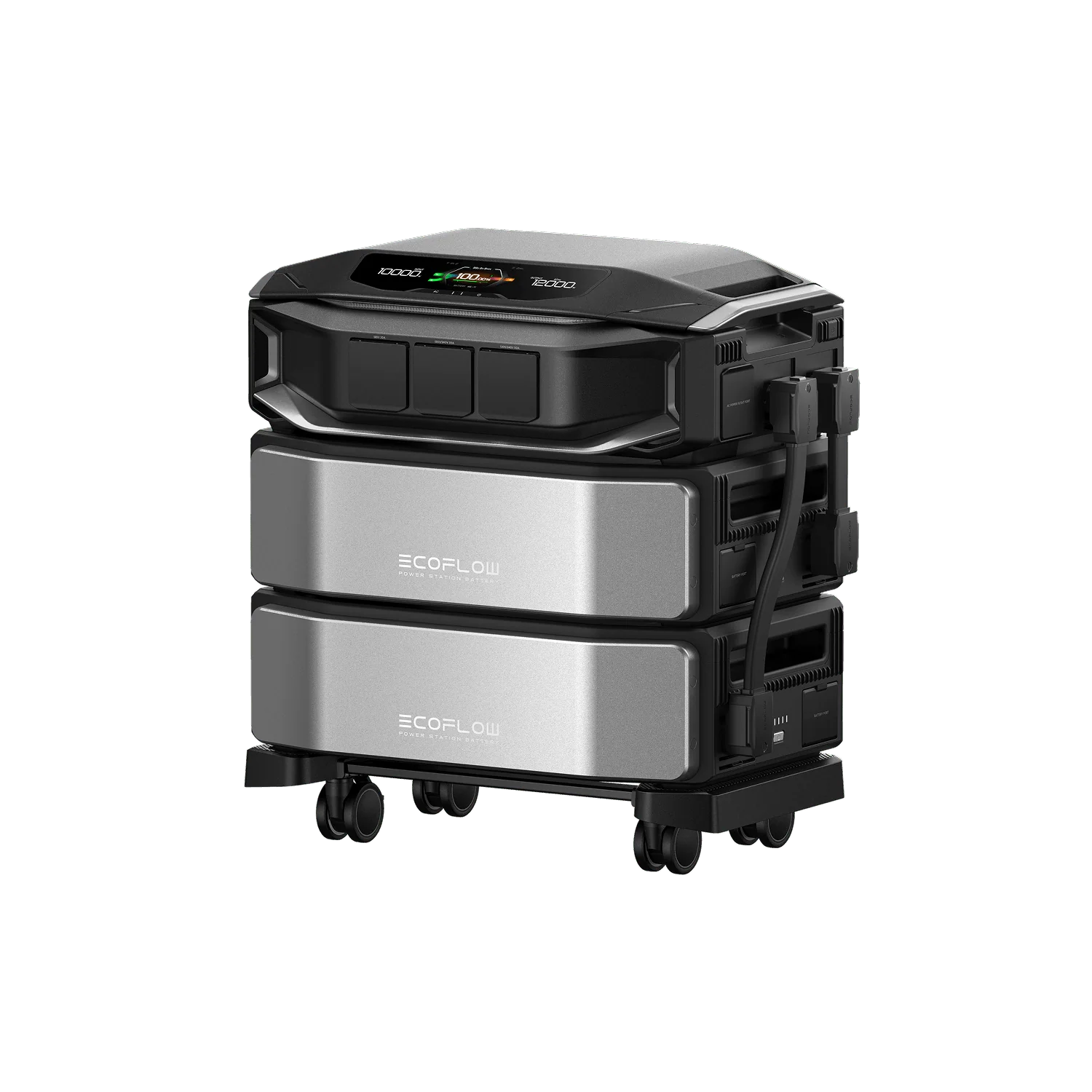
Plus, Florida's population continues to grow. More residents mean more homes and businesses, and that means more demand on the system. Investing in home battery backup systems like the EcoFlow DELTA Pro Ultra X can support whole-home energy needs independently when the grid goes down.
What Causes Power Outages in Florida During Hurricane Season?
Several factors can cause outages during Florida’s hurricane season, including:
1. Hurricane-Force Winds
Strong winds pose serious problems for electricity providers. Falling trees, broken branches, and flying debris can all damage power lines, transformers, and utility poles, taking down large parts of the network.
2. Tropical Storms
A storm doesn't have to reach hurricane level to cause significant disruption. Sustained strong winds, combined with heavy rain and possible flooding, damage infrastructure and interrupt service.
3. Storm Surges
During a storm surge, seawater inundates coastal areas. Electrical equipment like substations and transformers can be damaged, or utility operators may take them offline as a safety precaution.
4. Lightning
Florida consistently ranks among the states with the highest number of lightning flashes per square mile in the US. A direct strike can cause huge damage to utility equipment, causing localized outages.
How Does Extreme Heat Make Florida Outages Worse?
The extreme heat of Florida summer can create two separate challenges.
On the one hand, the heat significantly increases electricity demand. Air conditioning systems become huge power consumers, and usage often remains high all day and night.
Also, outages become more dangerous at high temperatures. Without power and air conditioning, temperatures can quickly become uncomfortable or even unsafe. This is especially true for older people, children, and individuals with medical conditions. Refrigeration can fail, medical equipment may stop working, and communication devices can lose power.
In many states, winter blackouts are more dangerous. But in Florida, it's the heat that poses the biggest risk.
Which Parts of Florida Are Most Vulnerable to Summer Outages?
While power outages can occur anywhere in Florida, the Florida power outage map shows some regions face consistently higher risk, especially during the summer. Some of those regions include:
Coastal Communities: Coastal areas usually bear the brunt of hurricanes, tropical storms, and storm surges. That makes them vulnerable to outages. Communities on both the Atlantic and Gulf coasts frequently experience storm-related outages.
South Florida: With exceptionally high cooling demand during summer months and an elevated risk of hurricanes and thunderstorms, the southern part of the state is highly vulnerable.
Central Florida: Rapid population growth here has increased electricity demand, placing more strain on the grid. Add a severe thunderstorm or tropical weather system, and you have a recipe for power disruptions.
How Long Do Power Outages Last After a Florida Hurricane?
The duration of an outage can vary a lot, from just a few minutes to days or even longer.
One of the biggest factors in how long it lasts is how severe the storm that caused it was. An outage because of a mild storm might only last a few hours, but a severe hurricane can leave some communities without power for weeks.
Utility companies typically restore power in stages. First, they try to secure the power supply for critical infrastructure like hospitals, emergency services, and major transmission lines. Then, restoration progresses toward neighborhoods and individual service connections.
Factors affecting how long you could be without power include:
Severity of storm damage.
Accessibility of affected areas.
Flooding conditions.
Repair crew availability.
The number of customers impacted.
The scale of damage to transmission infrastructure.
Ultimately, you can't assume that power will be restored quickly. That's why many homeowners choose to prepare for long-lasting outages of several days or more.
How Does Home Battery Backup Help During Florida Summer Outages?
A battery backup system is a reliable way to build energy resilience.
Unlike a traditional fuel-powered generator, a battery system can provide quiet, instant backup power without the need to store fuel.
Portable solutions like the EcoFlow DELTA 3 Classic Portable Power Station keep essential devices running during grid outages, including:
Phones and tablets.
Internet routers.
Medical devices.
Lighting.
Fans and portable cooling devices.
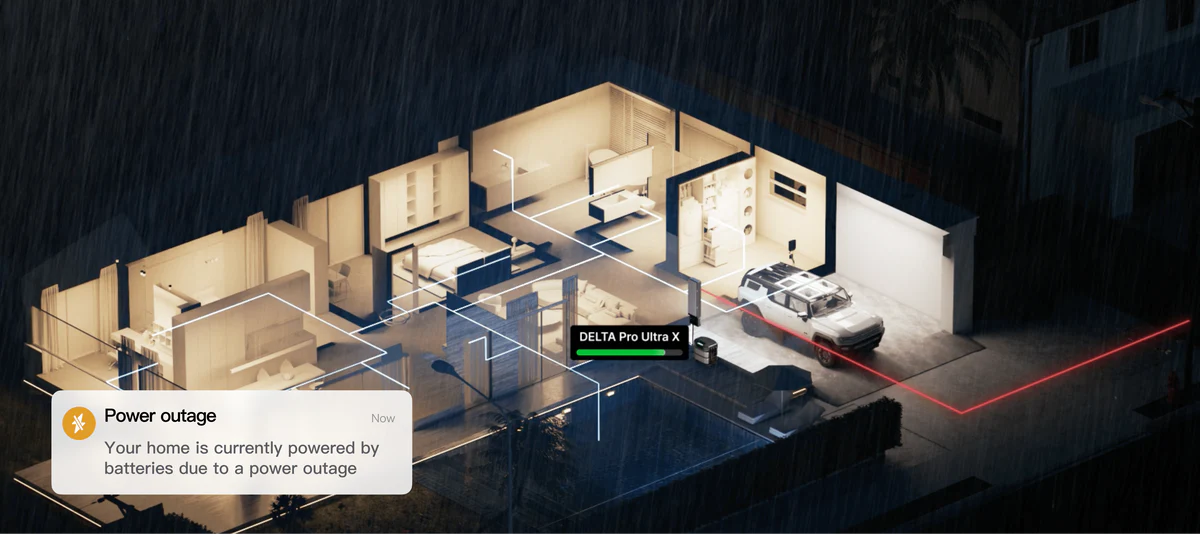
If your backup needs are larger, the EcoFlow DELTA Pro Ultra X gives you scalable energy storage that can support greater household loads, including refrigeration or even charging an electric car.
Going a step further, a whole-home generator system can integrate backup power directly into your home's electrical infrastructure. Combining solar panels with a battery backup system lets you generate and store your own power and keep your home connected indefinitely, even when the main grid goes down.
Frequently Asked Questions
When Is Florida’s Hurricane Season?
Florida's hurricane season officially runs from June 1 through November 30. Activity usually peaks between August and October, but tropical storms and hurricanes can occur at any point during this time.
What Is the Most Common Cause of Power Outages in Florida?
Severe weather is the most common cause of widespread power outages in Florida. Hurricanes, tropical storms, thunderstorms, lightning strikes, and falling trees account for a significant percentage of power disruptions.
Stay Cool, Safe, And Powered: Resilience, Recovery, Reliability
The combination of rising electricity demand with extreme summer heat and hurricane risk puts many Floridians in danger of prolonged power outages. Severe weather events are unpredictable, but a little preparation can put you in a much stronger position to get through them.
Whether you're looking for a portable option like the EcoFlow DELTA 3 Classic or a full whole-home backup power solution, getting prepared before storm season hits is the smartest move you can make.
For press requests or interview opportunities, reach out to our media team
media.na@ecoflow.com