California Power Grid Summer 2026: What Homeowners Should Know and Do
- What Is Causing Extreme Grid Stress This Summer?
- How Do Heat Waves, AC Demand, and the Evening Solar Gap Create Risk?
- Which Home Systems and Appliances Are Most Vulnerable During Outages?
- What Does a Modern Home Energy System Include?
- Why Solar + Storage + Management Is the Most Effective Home Resilience Strategy
- Frequently Asked Questions
- Keep Your Home Cool, Connected, And Protected
California's power grid is under pressure. That's especially true in the summer, when air conditioning causes electrical demand to spike. Managing demand is a huge challenge, and power outages are becoming more common, especially during extreme heat events.
Let's take a look at how you can keep your essential equipment running in your home through intelligent energy systems that build resilience.
What Is Causing Extreme Grid Stress This Summer?
Population growth, rising EV adoption, and the rapid expansion of AI data centers have all increased California's electricity demand significantly.
The problem is made worse by higher summer temperatures that cause people to rely more on air conditioning, further increasing the strain on the grid. When millions of homes and businesses switch on the AC, grid operators have to balance supply and demand in real time.
If they can't generate power fast enough to keep pace with demand, they may have to implement emergency measures, possibly including power rationing.
Wildfires are also a major factor. Sometimes, utilities have to conduct Public Safety Power Shutoffs (PSPS) during elevated fire risks. Winter blackouts are often more dangerous, but summer ones are more common.
California has made major investments in renewable energy, but extreme heat can still create conditions where the supply becomes tight. Understanding how and why this happens helps you prepare more effectively so you can maintain energy independence.
How Do Heat Waves, AC Demand, and the Evening Solar Gap Create Risk?
A heat wave can create a perfect storm when it comes to electricity demand.
Soaring temperatures make air conditioning essential. In a severe heat event, millions of cooling systems can be run continuously for hours, which places enormous demand on the grid.
You might think the problem would be less pressing in the evening when temperatures drop, but actually, it gets worse, thanks to what's called the evening solar gap.
California generates a substantial portion of its electricity from solar panels. When the sun sets, this source of energy declines. When the gap between generation and demand becomes too great, grid operators may need to ask consumers to reduce usage or implement controlled outages. That's why California sometimes has rolling blackouts.
Grid operators have added battery storage and other resources to help smooth out demand. Still, prolonged heat waves are more than capable of creating issues.
Which Home Systems and Appliances Are Most Vulnerable During Outages?
Not all of your home's electrical systems are equally vulnerable to outages. It's more important to keep some systems online than others. The most vulnerable systems include:
Air-conditioning and cooling equipment.
Refrigerators and freezers.
Well pumps and sump pumps.
Medical equipment.
Internet routers.
Home security systems.
Electric vehicle charging systems.
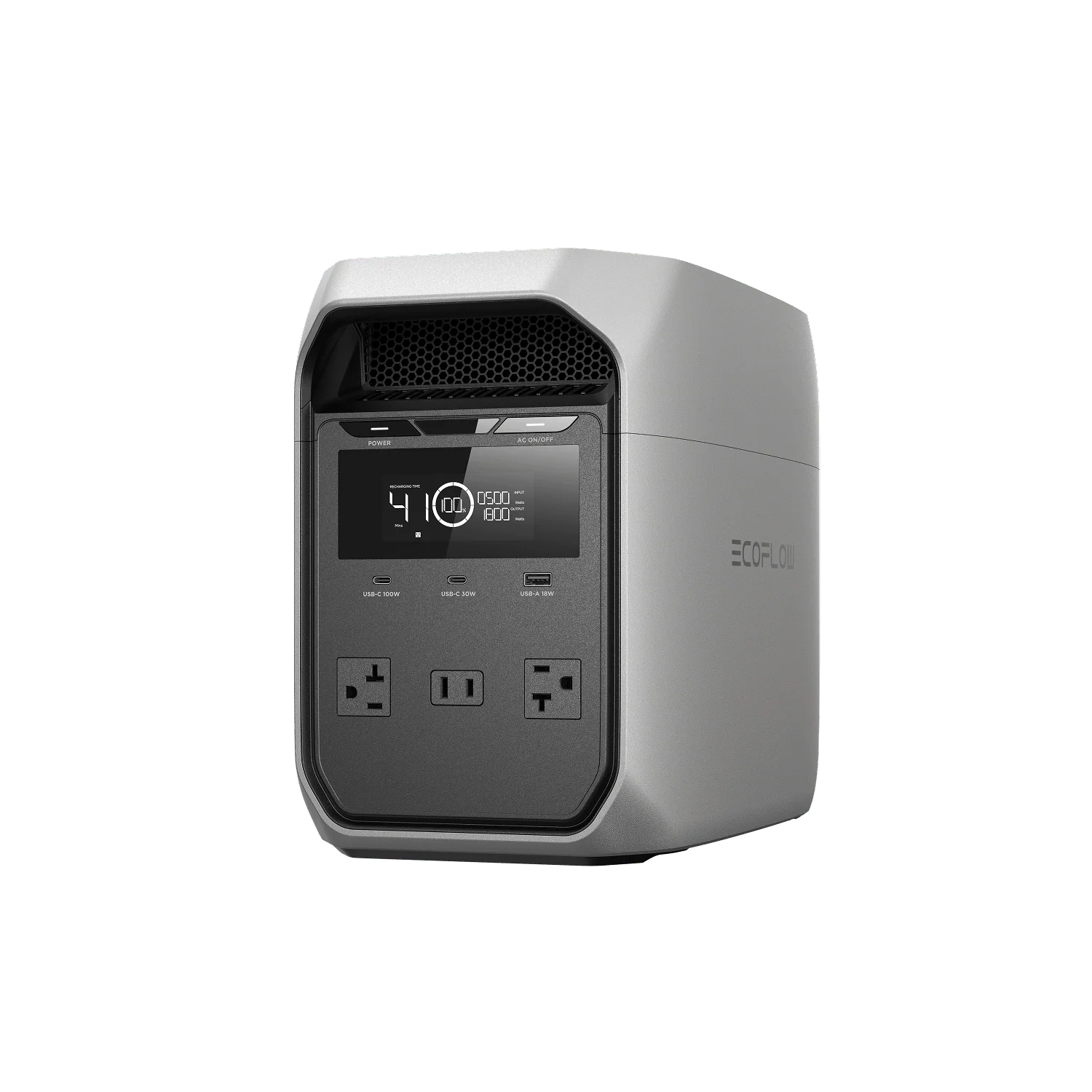
For essential appliances and devices, a portable power station like the EcoFlow DELTA 3 Classic Portable Power Station can keep critical items running through shorter outages, and it doubles as a power source for camping trips or outdoor events.
Modern households depend on connected devices for work, communication, and safety, as well as comfort. That means even a short outage can disrupt your work life, damage refrigerated food, or leave your electric car uncharged.
Utility companies manage demand during periods of grid stress in a number of ways, including via load shedding. Understanding these practices can help you be more prepared.
What Does a Modern Home Energy System Include?
To keep up with the electrical demands of a modern home requires more than just a traditional backup generator. Today's resilient systems typically combine multiple technologies that work together, improving reliability, efficiency, and energy independence.
These systems include things like:
Solar Panels
Solar panels generate electricity during daylight hours and reduce dependence on utility power.
Battery Storage
Home batteries store your excess energy so that you can use it when solar production declines. That helps you run your systems at night or allows you to temporarily exceed what the solar panels can generate when you need the extra power.
Energy Management Software
A smart energy management system prioritizes critical loads. This helps you to optimize battery usage during outages to make your stored power last as long as possible.
Smart Electrical Panels
An advanced electrical panel can provide better visibility into your household energy consumption. You can manage circuits more effectively, switching off less essential circuits and rerouting power to where you need it most.
Backup Power Integration
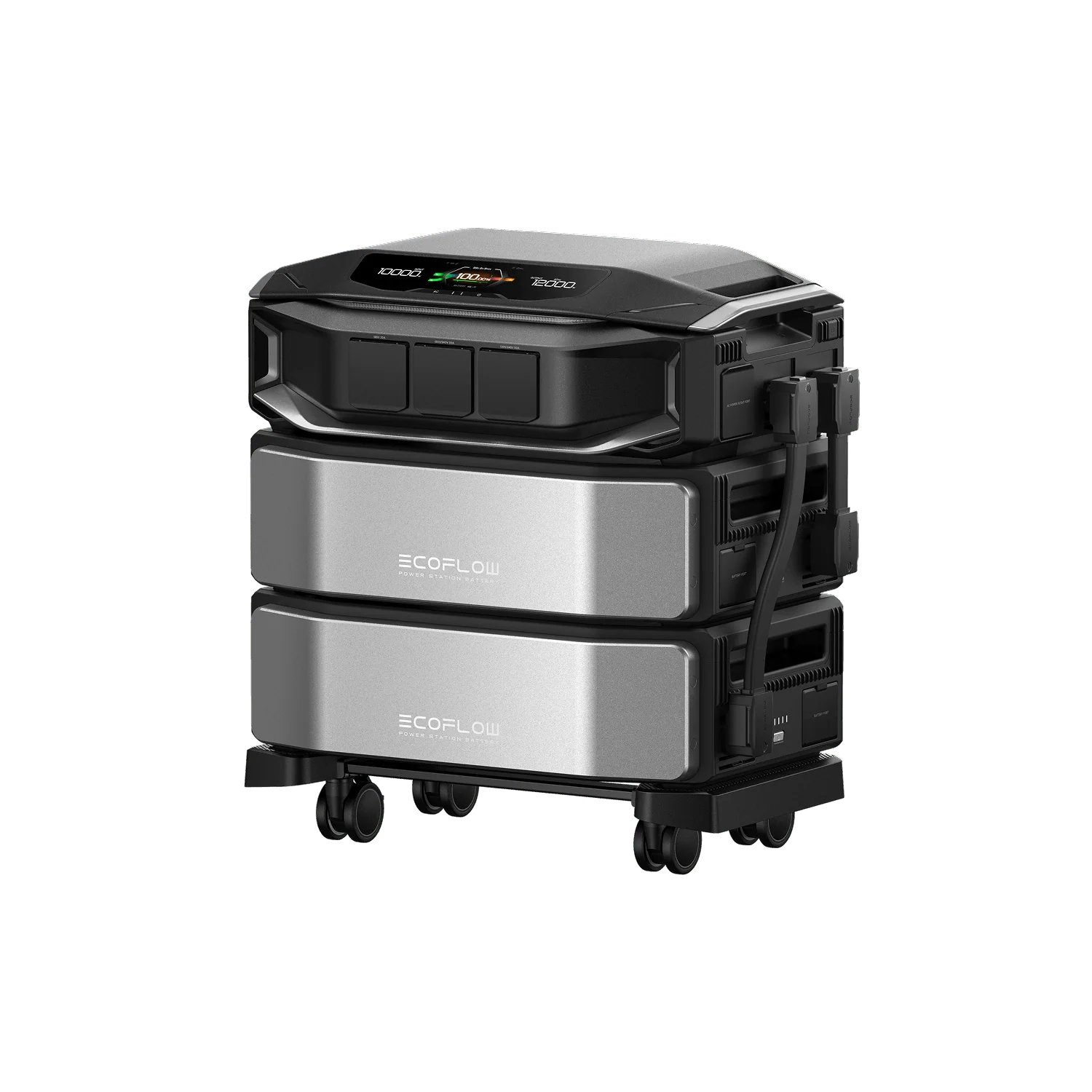
Many modern systems incorporate backup capabilities that automatically activate when utility power is interrupted. For whole-home coverage, the EcoFlow DELTA Pro Ultra X integrates solar input, high-capacity storage, and smart energy management to keep your entire home running during an outage.
Why Solar + Storage + Management Is the Most Effective Home Resilience Strategy
These days, resilience isn't just about backup power. A combination of solar power generation, high-capacity storage, and smart management allows you to maintain comfort, connectivity, and control no matter what the weather or the grid is doing.
Solar panels allow you to generate your own renewable energy, and battery storage lets you use that energy after sunset or during outages. A smart energy management system operates as the brain of the entire system, making sure the critical appliances get priority when the available energy is limited.
This integrated approach has several advantages:
Reduced reliance on the utility grid.
Lower vulnerability to rolling blackouts.
Continued operation of essential appliances.
Greater long-term energy flexibility.
Unlike a traditional generator, a battery-based system can operate almost silently, requires far less maintenance, and integrates directly with renewable energy production. That makes solar, storage, and energy management the most effective home resilience strategy available.
Frequently Asked Questions
Is Summer 2026 Going to Be Hot in California?
The National Oceanic and Atmospheric Administration [1] predicts above-normal temperatures across California from June through August 2026. Mid-level high-pressure will cause inland temperatures, especially, to rise. Homeowners should prepare for the possibility of extreme heat events and increased electricity demand.
When Are Blackouts Most Likely to Happen in California?
The highest risk for a blackout occurs during a prolonged heat wave, especially in the late afternoon and evening when solar generation begins to decline. Wildfires are also a major factor, often causing electrical grid equipment to be shut down during periods of elevated risk.
Keep Your Home Cool, Connected, And Protected
Rising temperatures are placing California's electricity grid under increased pressure, right at the time when demand has reached a peak. That makes outages a significant risk in the summer.
Investing in a modern energy strategy for your home increases your resilience and reduces your dependence on the grid. Explore EcoFlow’s range of whole-home backup power solutions so you can generate, store, and use your own power, no matter what the weather outside is doing.
References:
[1] https://www.cpc.ncep.noaa.gov/products/predictions/long_range/seasonal.php
For press requests or interview opportunities, reach out to our media team
media.na@ecoflow.com