Balcony Solar vs Rooftop Solar: Cost, Output, and Who Should Choose Each Option in 2026
- Balcony Solar vs Rooftop Solar in 2026: The Quick Cost and Output Snapshot
- How Balcony Solar Works (and Where It Fits Best)
- How Rooftop Solar Works (and Why It Usually Produces More)
- Balcony vs Rooftop Solar: Choosing Based on Space, Rules, and Your Energy Goals
- Hybrid and Scalable Alternatives for Better Resilience without a Full Rooftop Install
- Frequently Asked Questions
- Pick the Solar Option That Fits Your Home Now, and Your Plans Later
Thanks to new energy laws now in place in many US states, you can now purchase and install plug-and-play balcony solar panels without permits, at a fraction of the upfront cost of rooftop solar.
For renters, condo owners, and anyone not ready to commit to a full rooftop install, that's a significant opportunity.
Here's a full breakdown of costs, output, and which option fits your home and energy goals.
Balcony Solar vs Rooftop Solar in 2026: The Quick Cost and Output Snapshot
A balcony solar setup typically costs between $500 and $1,500, depending on the number of panels, their wattage, and whether it comes with a battery storage unit.
Most balcony systems fall between 400 and 800 watts (W), with those on the higher end able to produce between 70 and 110 kWh of energy per month, or about 12–18% of a typical household’s electricity usage.
Depending on where you live, this could shave $15–50 off your monthly bill.
Compared to balcony setups, rooftop solar solutions cost considerably more to purchase and install, with the average setup costing $21,000 to $30,500 before incentives.
However, a typical 5–15 kW roof-mounted system generates up to 15 times more electricity than balcony panels. In some cases, rooftop solar can eliminate your reliance on the grid.
Let’s put those numbers into perspective in terms of potential savings:
Upfront Cost | Annual Savings | 25-Year Savings | |
Balcony Solar | $500–$1,500 | $300–$600 | $6,000–$14,500 |
Rooftop Solar | $21,000–$30,000 (before incentives) | $1,480–$6,160 | $37,000–154,000 |
Factors that affect the price of an installation include not just the system size and installation complexity but also the solar panel material types, component quality, location, warranty terms, and any required permits and inspections.
So, balcony solar can pay for itself within two to five years, while it can take five to ten years to recover the initial investment of rooftop solutions.
How Balcony Solar Works (and Where It Fits Best)
Balcony solar suits anyone without a roof or garden. If you live in a condo or apartment, compact panels occupy little space and can trim your energy costs by up to 18%.
Most systems are plug-and-play, don't require permits, and cost a fraction of a rooftop install. They won't eliminate your grid dependence, but they'll pay for themselves within a couple of years.
Most balcony panels plug directly into your home's main circuit, cutting the cost of running always-on appliances like refrigerators and routers.
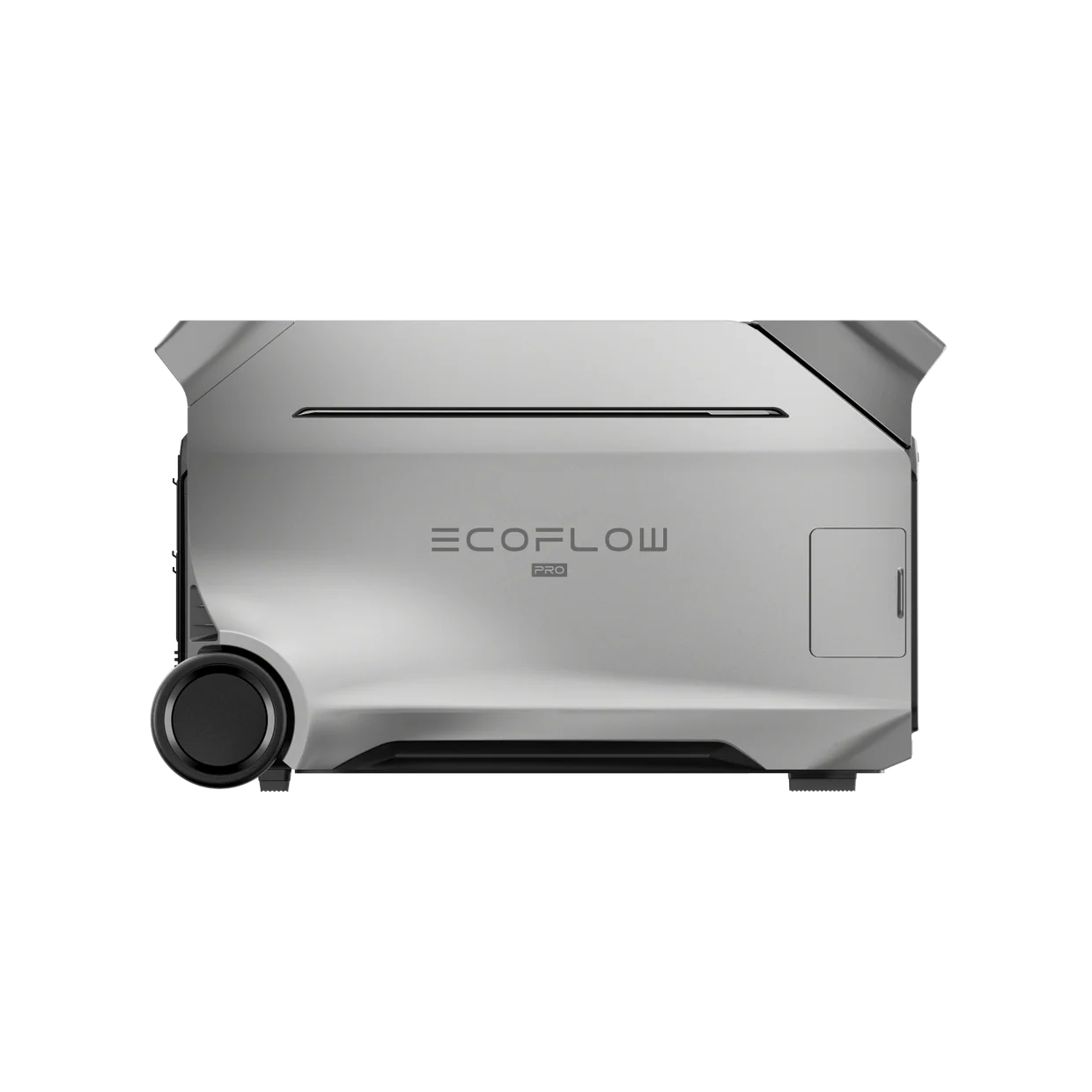
You can also pair some panels with a battery backup unit to store cheap off-peak energy, cover peak pricing periods, and keep essentials running during an outage. The EcoFlow DELTA Pro 3 Solar Generator, for example, pairs with up to 2,600W (2.6kW) max solar input and offers a base capacity of 4 kWh, expandable to 48 kWh.
Residents in Maryland and Utah can take this further with the EcoFlow STREAM Ultra + Microinverter*, a plug-and-play system that feeds solar power directly into your home through a standard wall outlet.
*Availability is limited to Maryland and Utah as of June 2026; please check the EcoFlow website for the latest updates as the rollout expands.
How Rooftop Solar Works (and Why It Usually Produces More)
Rooftop panels outperform balcony systems for two main reasons: size and sun exposure.
A rooftop installation can cover your entire roof and requires professional fitting, whereas balcony panels are compact by design.
Roof-mounted panels also receive unobstructed sunlight throughout the day, something balcony panels can't always guarantee depending on your building's orientation.
If you own a home with a large roof and good sun exposure, rooftop solar is likely a good long-term investment. It can get you to full energy independence, and it'll almost certainly pay for itself if you plan to stay in the same home for at least ten years.
Balcony vs Rooftop Solar: Choosing Based on Space, Rules, and Your Energy Goals
Balcony solar panels provide an excellent way to offset your energy bills and grid reliance without a huge upfront investment. They’re also usually portable and compact, meaning you can take them with you if you’re frequently between apartments.
These setups won’t grant you energy independence, but they can help you save money on your bills and pay for themselves within a couple of years. Also, they don’t usually require complex or expensive permits.
If you want to achieve complete energy independence, professionally installed and permanent rooftop panels are the better choice. However, you’ll need a home that you intend to remain in for decades with a large roof area and plenty of sun exposure to maximize your ROI.
Still, government incentives in many areas can significantly reduce the cost of purchase and installation. Over a lifetime, rooftop panels can help you save hundreds of thousands of dollars.
Hybrid and Scalable Alternatives for Better Resilience without a Full Rooftop Install
If you can’t commit to the high investment of a rooftop solar installation, you might want to look at scalable alternative power sources that can grow alongside your needs.
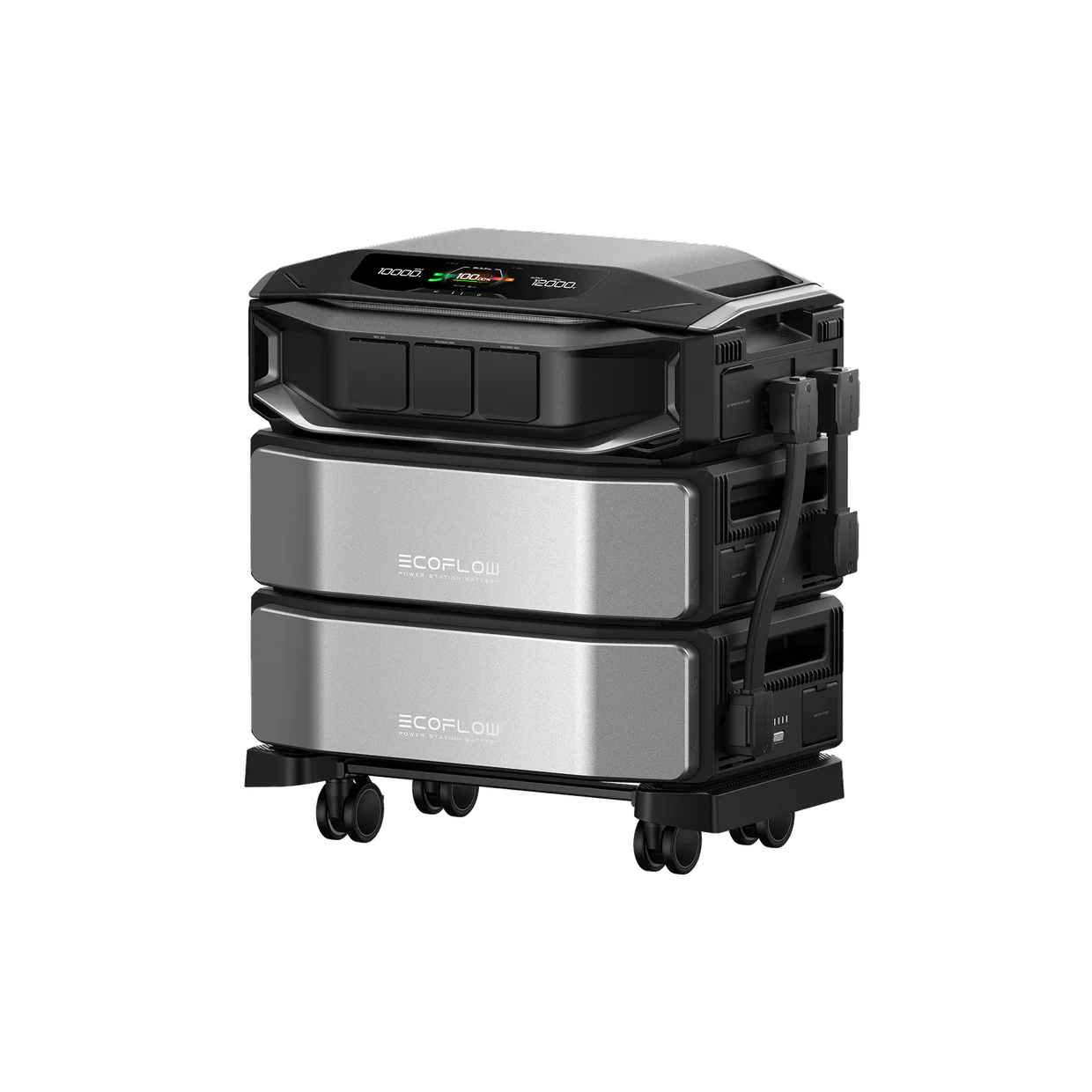
Portable power stations sit in this middle ground. Models like the EcoFlow DELTA Pro 3 Solar Generator can scale up to 48 kWh and pair with up to 4 kW of portable solar input, while larger whole-home backup power solutions like the EcoFlow DELTA Pro Ultra X expand from a 12 kWh base to 180 kWh and integrate with up to 10 kW of solar. Both can also recharge from the grid, a generator, or a vehicle while you're still deciding on panels.
If you're interested in other alternative power sources, find out how rooftop solar compares to portable generators. You might also want to learn more about innovative portable clean energy producers like solar pergolas.
Frequently Asked Questions
Is Balcony Solar Legal in the US, and Do I Need Permission to Install It?
Balcony solar legality varies by state. Utah, Maine, Virginia, Colorado, Maryland, and Connecticut have signed laws permitting plug-in systems, most capping output at 1,200 watts (Colorado allows up to 1,920 watts). Many other states have no specific framework yet, so check your state and local codes, and get landlord or HOA approval if you rent, before buying a system. (This reflects regulations as of the time of writing and may change as more states adopt legislation.)
How Much Money Can Balcony Solar Actually Save on My Electric Bill?
Depending on the system’s size and sun exposure, balcony solar panels can offset your electricity bills by 12 to 18%, typically resulting in savings of $300 to $600 a year. This means that, as balcony panels typically cost between $500 and $1,500, they typically yield a return on investment within two to five years.
Can Balcony Solar Feed Power Back to the Grid with Net Metering?
Balcony solar panels can offset your energy bills by a significant margin, up to 18%. However, they don’t generate an excess of electricity, meaning they don’t export surplus power. They are typically designed as straightforward plug-and-play solutions to offset your grid consumption rather than supply excess power to it, but this is one reason why permits are usually not required to install them.
What Size Solar Setup Do I Need to Run Essentials During an Outage?
The size of solar setup you need to run essentials during an outage depends on what you consider to be ‘essentials’ and how long you want your backup power to last. A solar-battery setup of 2–5 kWh might be enough to power small appliances and routers for a couple of hours. If you want enough backup power for your entire home for multiple days, you’ll need a 10–15 kWh system.
Pick the Solar Option That Fits Your Home Now, and Your Plans Later
Even though the lifetime savings can run into the hundreds of thousands of dollars, investing tens of thousands in solar energy can be daunting, especially if you’re unsure of your long-term living plans.
Fortunately, EcoFlow's home solar solutions are designed with portability and scalability in mind.
Whether you're starting small with a plug-in setup or planning ahead for a larger rooftop install, you can explore EcoFlow's full range of home solar systems or browse the solar panel collection to find the option that fits where you are today.
For press requests or interview opportunities, reach out to our media team
media.na@ecoflow.com