Early Spring Storm Preparedness: What to Do Before Severe Weather Season Starts
- Why Early Spring Storms Catch Many People Off Guard
- Why Preparing Before Storm Season Matters
- Common Types of Early Spring Severe Weather
- Building an Emergency Supply Kit
- Creating a Household Communication Plan
- Preparing Outdoor Areas for Severe Weather
- Frequently Asked Questions
- Early Spring Storms Require Proactive Household Preparedness
As the winter snow melts and the sun begins to peak behind the clouds, the spring weather transition period can bring unpredictable, severe storms across much of the U.S.
You may be exhausted from shoveling snow and building fires to keep warm during winter power outages, but spring is not the time to get behind. Many households are unprepared after winter, leaving them vulnerable to sudden weather changes.
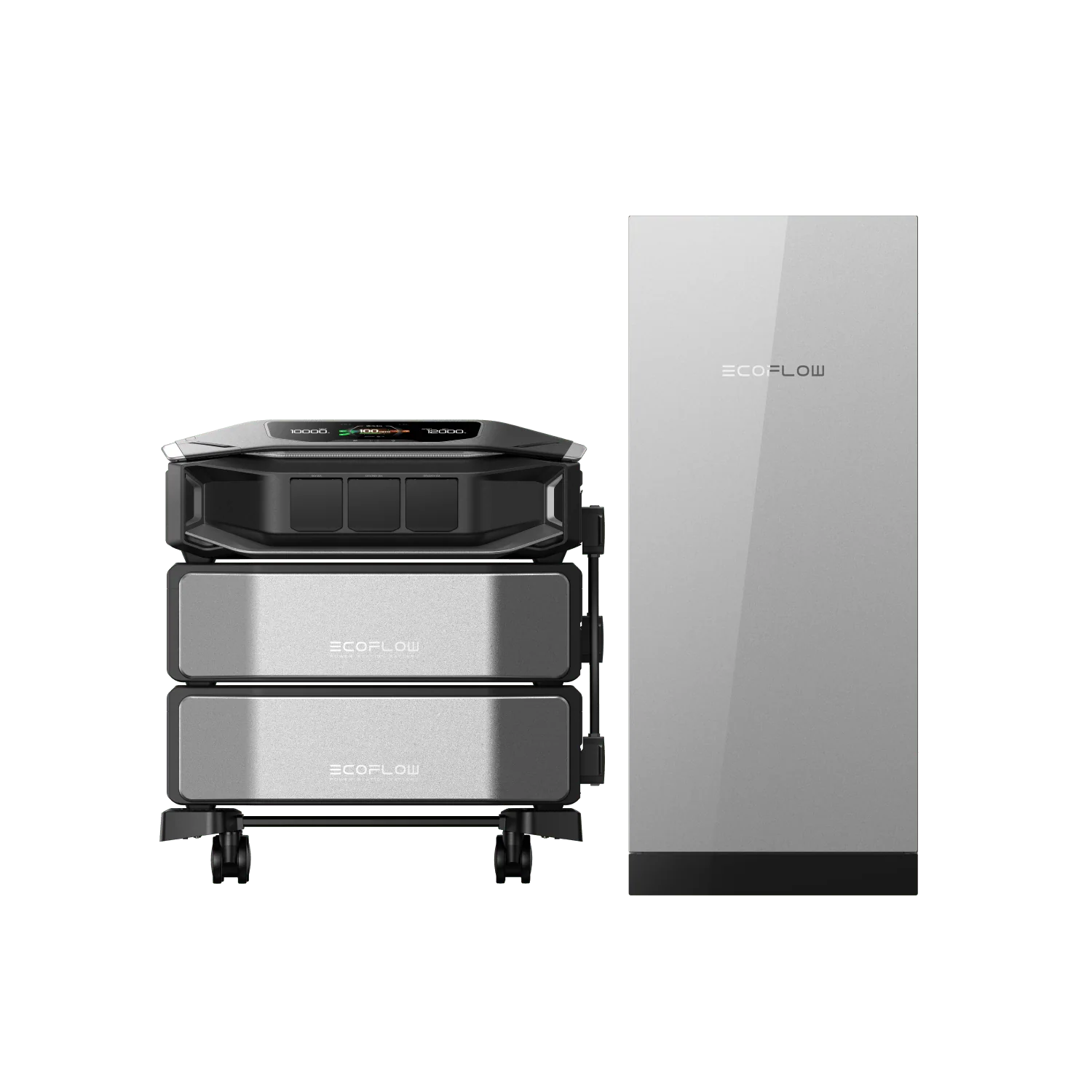
The early spring can combine hazards like heavy rain, hail, high winds, tornadoes, and even late-season ice. Prepare now before the peak storm season to avoid last-minute supply rushes and ensure that you're ready whenever severe weather strikes. We’ll also cover why the EcoFlow DELTA Pro Ultra X is a great choice for supporting your home during a power outage.
Why Early Spring Storms Catch Many People Off Guard
While you might still be in a winter mindset in early spring, the weather doesn't subscribe to the same timing. The transitional season can create volatile atmospheric conditions and rapid temperature swings, with warm air masses colliding with cold fronts to generate explosive storms.
These storms can develop quickly, sometimes within just hours, giving residents minimal warning time. People get caught in severe storm conditions when they lack proper shelter plans or emergency supplies.
Daylight savings time, plus a natural increase in outdoor activity due to more pleasant weather, means more people are outdoors and exposed to sudden weather changes.
Why Preparing Before Storm Season Matters
Emergency supplies feel like a "nice to have" until they become essential. They are scarce once a storm warning is issued, with stores quickly selling out of the basics. Prepare now to reduce stress and panic when severe weather threatens your area.
With systems in place, you can focus on your safety rather than scrambling for last-minute supplies. Early planning also allows you to identify any vulnerabilities in your home, such as loose shingles on the roof, clogged gutters, or unstable tree limbs.
Then there’s the financial factor. Preparing preseason will cost you less than emergency purchases or post-storm repairs.
Common Types of Early Spring Severe Weather
Severe thunderstorms
Straight-line winds 58+ mph
Tornadoes, especially across Tornado Alley and Dixie Alley
Large hail over an inch, causing damage to vehicles, roofs, and windows
Flash flooding due to heavy rainfall and frozen or saturated ground with poor drainage
Late season ice storms that can coat trees and power lines
Rapid drops in temperature, creating dangerous agricultural conditions
Derechos (widespread windstorms with hurricane-force gusts)
Multiple hazards occurring simultaneously, compounding safety risks and damage
While it’s not hurricane season yet, a spring storm you’re unprepared for can cause just as much damage. Thankfully, any preparation you do for the spring will also serve you well during the summer and fall when hurricane season rolls around.
Building an Emergency Supply Kit
Food and Drink
One gallon of water per person per day, more for pets
Non-perishable food that requires no cooking or refrigeration, such as dried fruit and meat, nuts, and protein bars
Health
First aid kit with over-the-counter medications, prescription medications, medical supplies, and wound care items
Hygiene items such as toiletries, garbage bags, moist towelettes, hand sanitizer
Safety
Flashlights, headlamps, and extra batteries
Blankets, warm clothing, an emergency heating source
A list of emergency contacts
Cash in small bills
Power
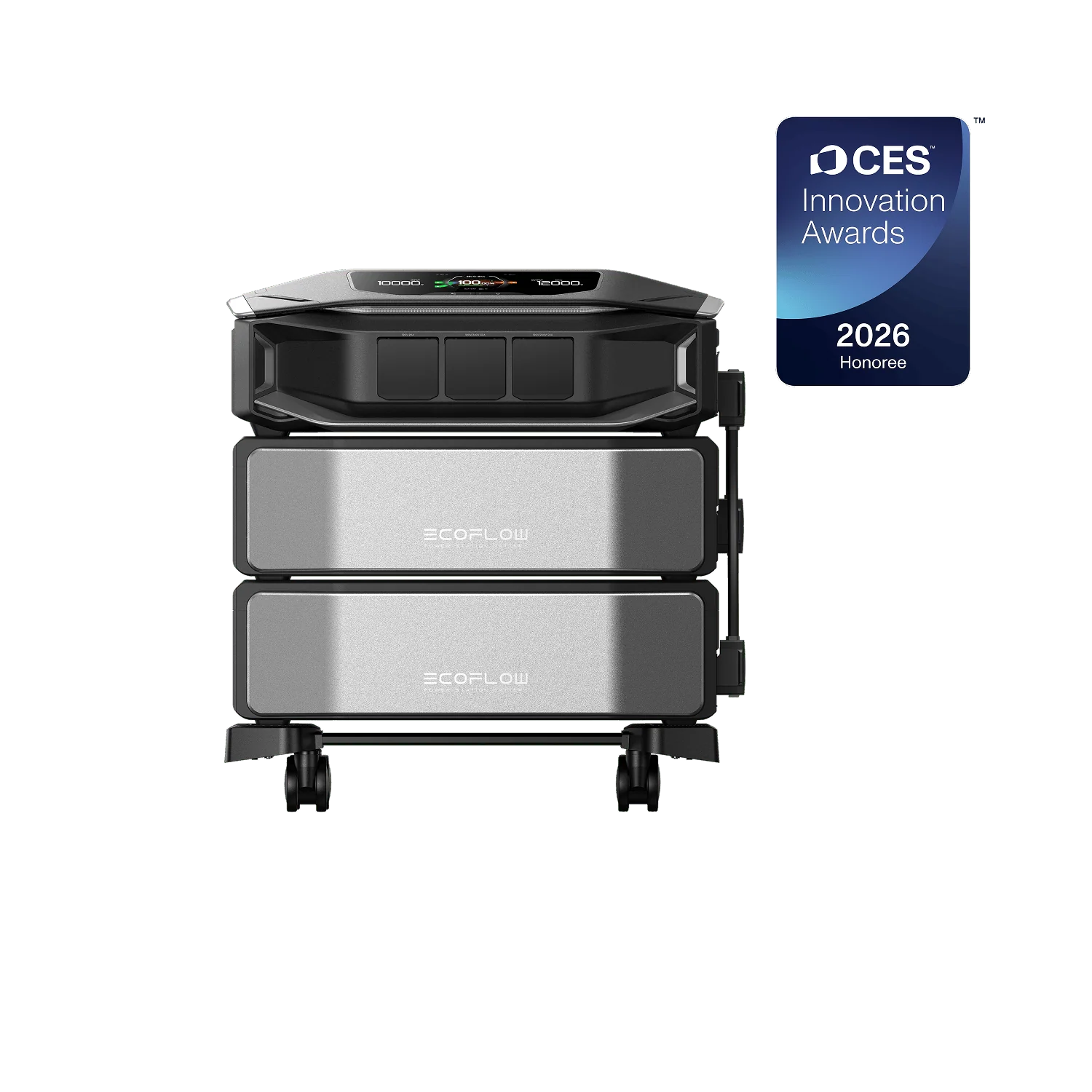
A backup power solution like the EcoFlow DELTA Pro Ultra X for extended whole-home backup, with expandable capacity for multi-day outages.
Documentation
Documents such as insurance policies, IDs, medical records, and bank information in a waterproof container.
Pet (If Applicable)
Pet food, extra water, medications, carriers, and comfort items
Creating a Household Communication Plan
A household communication plan starts within your home. Make sure everyone knows what their role is and where the designated safe meeting spot is. You should have one indoors, one within your neighborhood, and one outside the neighborhood.
Designate an out-of-area emergency contact, and ensure all family members have this information memorized and written down in multiple locations.
Create detailed evacuation routes with alternatives in case any primary roads are blocked.
Determine how you will communicate if the cell networks fail. You may be able to text if calling doesn't work, and satellite communication is another option. If you have a whole-home generator, you may be able to use power and an internet connection to communicate.
Practice your communication and emergency plan regularly, so everyone remembers the procedures and can act from memory, not panic.
Preparing Outdoor Areas for Severe Weather
To prepare your outdoor areas for severe weather, start with what's closest to your home. Trim any tree branches near your roof and secure outdoor patio furniture, grills, planters, or decorative items that could become projectiles in high wind.
Clean your downspouts and gutters, so water can drain properly. Inspect your roof for damaged or loose shingles to make repairs before severe weather begins.
Then move into your yard, clearing debris such as fallen branches or standing water, and anchor or remove temporary structures like swing sets, sheds, or trampolines.
Document your outdoor property by taking photos for your insurance before the storm season begins.
Frequently Asked Questions
When Does Severe Spring Weather Season Usually Start?
Severe spring weather usually starts in March through May across the U.S. However, the southern states may experience this weather earlier in February through April as the warm air moves north. Northern regions will see severe weather later in April through June, as the seasonal temperature transition occurs.
What Supplies Should Every Storm Emergency Kit Include?
Every emergency kit should include one gallon of water per person per day and a three-day supply of non-perishable food per person. It should also have first aid supplies, a flashlight with extra batteries, a weather radio, a backup power source, important documents, and sanitation/hygiene items. Don’t forget pet supplies if needed.
Early Spring Storms Require Proactive Household Preparedness
Clear early spring weather can strike with minimal warning. While it's tempting to relax as winter weather eases up, it's essential to prepare for spring weather with a comprehensive emergency kit and household communication plan.
Preparing now allows you to avoid supply shortages and reduce your stress in the face of an emergency. Knowing you have enough food and water, safety supplies, and a reliable backup power source (like the EcoFlow DELTA Pro Ultra X) ensures your comfort and safety during severe weather conditions and potential electrical outages.
For press requests or interview opportunities, reach out to our media team
media.na@ecoflow.com