How to Build a DIY Tornado Shelter (Step-by-Step Guide)
Tornadoes are a fact of life in some parts of the country. But these devastating storms often come without warning. Having your own tornado shelter can give you peace of mind, knowing that you can protect yourself and your family in the event of any storm.
It's possible to build a tornado shelter yourself, though it's not necessarily easy.
Let's take a look at the different types of shelters and how you can construct your own so that it's ready when the storm comes.
Why Tornado Shelters Are Important in Severe Weather Areas
Standard homes aren’t designed to withstand the extreme wind of a tornado. And even well-built structures can fail with the rapid pressure changes and flying debris tornadoes bring.
Plus, tornadoes seem to be getting stronger. A 2019 study found a 5.5% increase per year in the power of tornadoes, meaning that what used to be a safe structure may not always stay that way.
A properly-built tornado shelter can withstand winds exceeding 200 mph. It protects occupants against airborne debris, which is the leading cause of injuries in a tornado.
Unlike basements or rooms in your house, a purpose-built shelter is designed with reinforced materials and anchoring systems that can help you get through any storm.
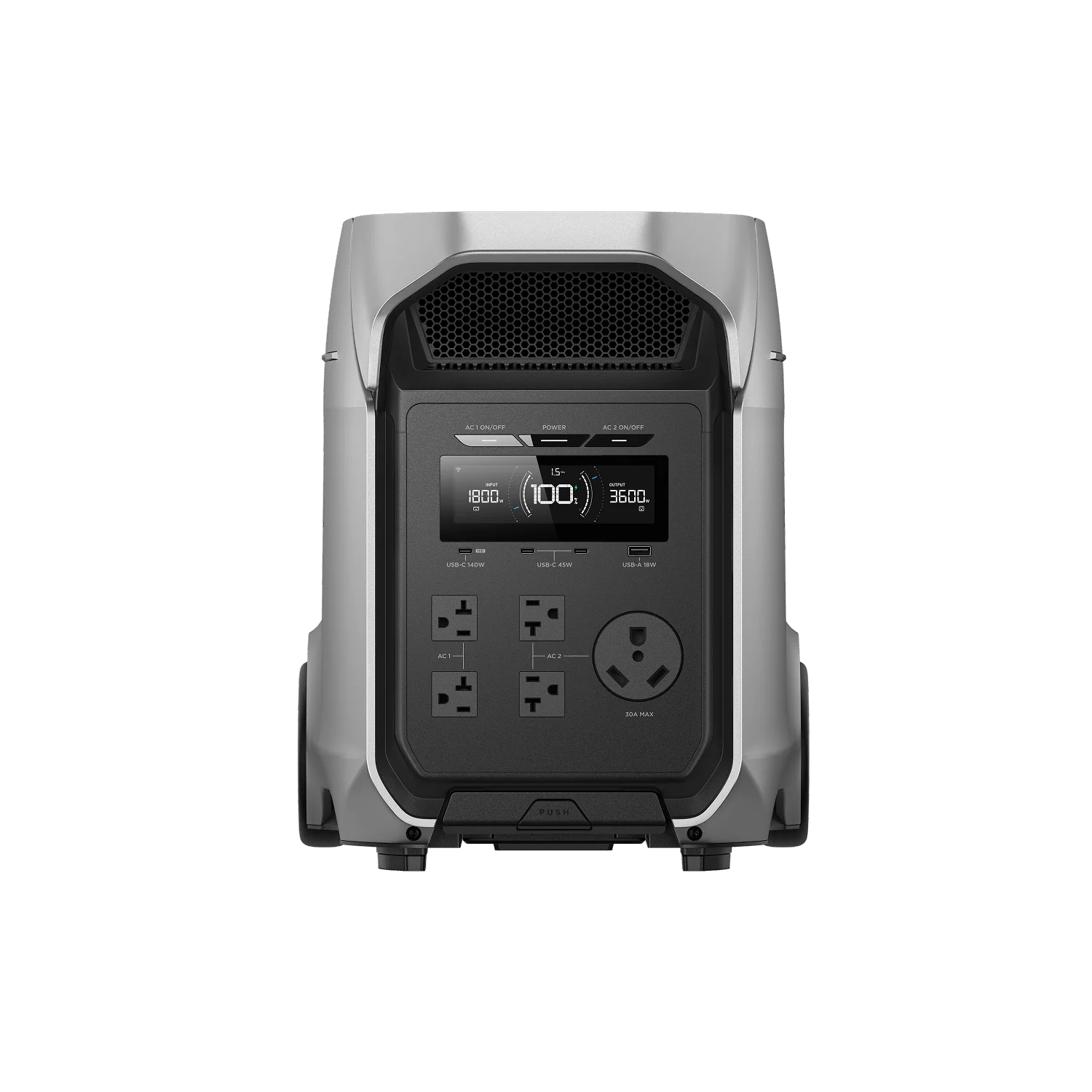
Beyond structural strength, having access to reliable power inside your shelter (such as with the EcoFlow DELTA 3 Ultra Plus Portable Power Station) can make a critical difference during extended outages.
Types of Tornado Shelters Homeowners Can Build
Before you start trying to build a tornado shelter of your own, it's a good idea to think about what kind of shelter you need. Your property, budgets, construction skills, and even soil conditions will affect what's realistic for you. Here are some different types of shelters you could build:
Underground Storm Shelters
These are some of the most common and effective options. Installed below ground level in the yard, garage floor, or under the house, they use the earth itself to protect occupants from a storm.
Pros | Cons |
|
|
In-Garage Shelters
A shelter in your garage can be either below the ground or above it. They’re popular because they’re easy to access, and you won't have to go outside during the storm.
Pros | Cons |
|
|
Safe Rooms Inside the Home
Depending on the kind of house you have, you may be able to reinforce an existing room or space to make it strong enough to withstand an oncoming tornado.
It may require some extensive renovations, but it can provide one of the best tornado defense mechanisms available.
Pros | Cons |
|
|
Planning Your DIY Tornado Shelter
Building a tornado shelter is not a typical weekend DIY project. Your life — and that of your family — may depend on the shelter one day, so it's important to get it right.
You need to think about:
1. Location
Choose a location within easy reach of the main living areas of your house. You want it away from large trees or structures that could fall on top of it.
Drainage is also an important consideration, especially if you're building underground.
2. Building Regulations
The government has established safety standards for tornado shelters, such as FEMA P-361. It's important to follow these guidelines and check with your local authority before you start work.
In some jurisdictions, you can’t simply start digging in your backyard, and anything you build will be subject to inspection by local authorities.
3. Materials
The materials you use will determine the strength of the structure you build. You need strong and durable materials, like reinforced concrete, concrete masonry units, and steel panels.
4. Ventilation and Access
Your shelter needs proper ventilation and a door that opens inward so that debris can't block it from the outside.
You also want to stock it with emergency supplies such as water, flashlights, and a first aid kit.
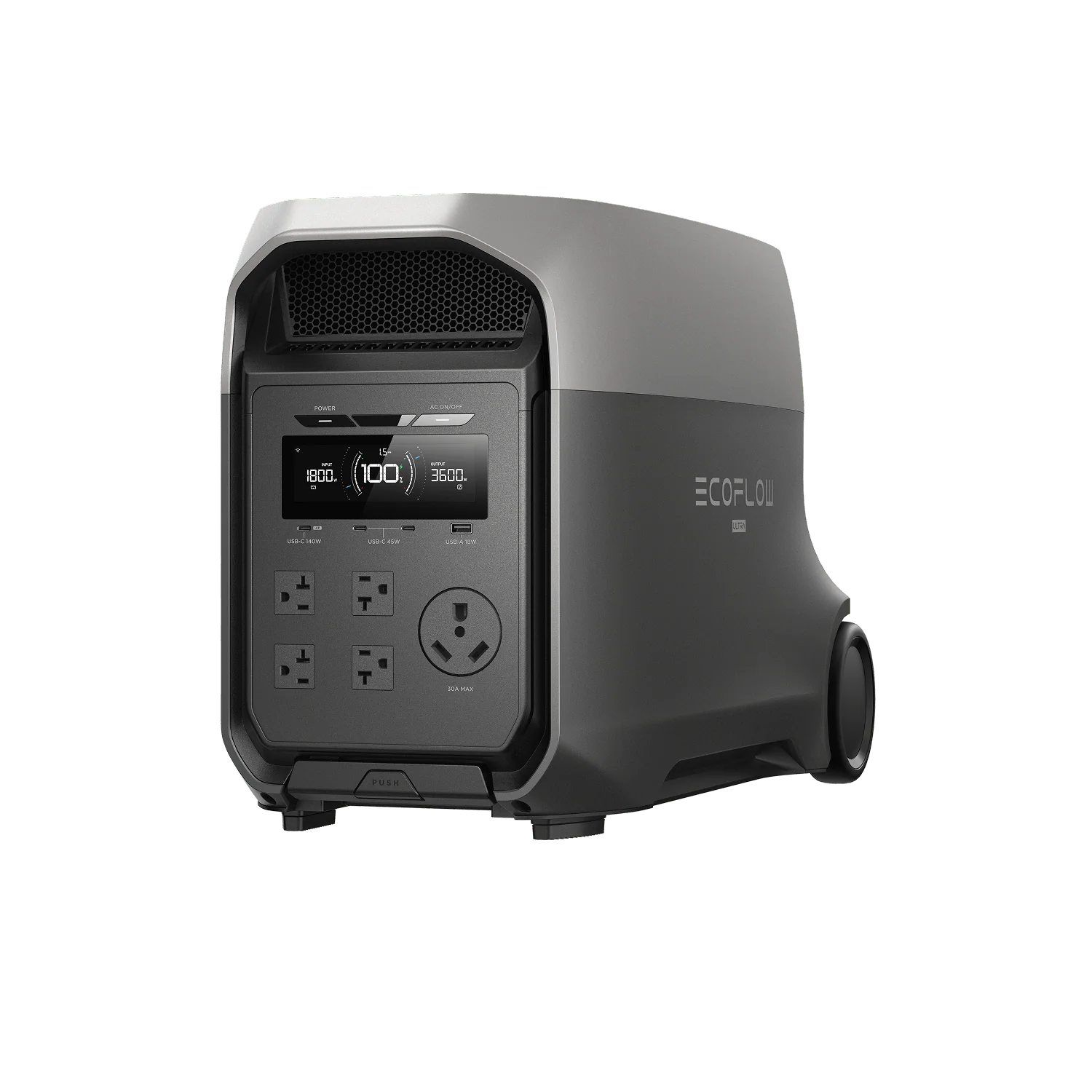
You should think about a reliable power supply, too. For example, a portable power station like the EcoFlow DELTA 3 Ultra Plus can keep important systems like heating and lighting running in the event of a storm, and since it emits no fumes, it can be used even in an enclosed space.
Step-by-Step Overview of Building a Basic Tornado Shelter
Step 1) Design and Permits — Create a detailed plan based on FEMA guidelines. Check local building codes and obtain the permits you need.
Step 2) Prepare the Site — Clear the area you intend to build on. If you're building an indoor shelter, you may need to remove flooring and prepare the slab underneath. If you're building underground, you'll probably need to hire an excavator and dig out the space you need.
Step 3) Build the Foundation — Pour a reinforced concrete slab with embedded anchor bolts. The foundation is critical as it will anchor the entire structure, so make sure you get this right.
Step 4) Build the Walls — Reinforced concrete or concrete blocks with steel rebar are good, strong materials to build your walls out of. You can fill any hollow sections with concrete for added strength.
Step 5) Install the Roof — This needs to be just as strong as the walls. Reinforced concrete is a good choice here, too.
Step 6) Install a Rated Door — Make sure your door is FEMA or ICC certified to withstand extreme pressure and impacts from debris.
Step 7) Add Ventilation and Safety Features — Install vent openings and protective covers. Stock the shelter with food, water, first-aid supplies, an emergency radio, and perhaps a portable power station.
Prefabricated solutions are a good idea if you don't have sound construction skills. It's never a bad idea to have a professional review your shelter for both safety and compliance with regulations.
Frequently Asked Questions
Can You Build a Tornado Shelter Inside a House?
Yes. You can build an interior safe room in a closet, bathroom, garage, or basement. However, you may need to reinforce floors, walls, and ceilings to make your shelter strong enough to survive.
How Deep Should a Tornado Shelter Be?
Most tornado shelters are around 6–10 feet underground to give sufficient protection from the wind and debris. However, soil conditions and water table levels in your area will affect how deep you can go.
Final Thoughts
If you live in a tornado-prone area, it's important to think about what you'll do before the storm hits. Creating a DIY tornado shelter can give you real peace of mind. But this isn't a project to undertake lightly. You'll need substantial construction skills to make something that can protect you and your family in case of an emergency.
Don't forget to think about your power needs. A portable power station or even a whole-home backup system can keep your shelter powered through even the strongest storm, so you can stay connected and stay safe.
For press requests or interview opportunities, reach out to our media team
media.na@ecoflow.com