What Should You Do if Caught in Severe Storm Conditions?
If you live in the U.S., you’ve probably seen how fast the weather can turn. One minute it’s sunny and calm, and the next the sky goes dark, thunder starts rolling, and rain is coming down hard. From muggy summer storms in the Midwest to fast-moving systems along the coasts, severe weather is just part of life here.
Knowing how to respond when a storm hits can make a big difference. This guide walks through why these storms form, what to do to stay safe, how to protect your home, and how to get through power outages and cleanup afterward without added stress.
What Is a Thunderstorm?
Before getting into safety steps, it helps to understand what a thunderstorm actually is. At its most basic, a thunderstorm is a rain cloud that produces lightning, and thunder comes right along with it. Most of us are used to seeing them roll through, especially in warmer months.
A storm becomes severe when it crosses certain thresholds set by the National Weather Service. That means wind speeds of at least 58 mph, hail about an inch wide or larger, or both. These storms pack a lot of energy and don’t form randomly; they need the right mix of heat, moisture, and movement in the atmosphere to really take off.
What Causes Thunderstorms?
Thunderstorms don’t just show up randomly. They form when the atmosphere has a lot of built-up energy and needs a way to release it. For a strong storm to get going, three things usually have to line up.
Moisture Feeds the Storm
Moist air is what gives a storm something to work with. On hot, sticky days, especially along the Gulf Coast or during peak summer, the air is full of moisture. That moisture helps clouds grow taller and thicker, which is when storms start getting serious.
Warm Air Rises Fast
Storms also need unstable air. That usually means warm air near the ground with much cooler air sitting above it. Warm air is lighter, so it rises quickly. As it shoots upward, it creates strong updrafts inside the storm, building those tall, anvil-shaped clouds you can see from miles away.
Something Has to Kick It Off
Even with heat and moisture, the air still needs a push to start rising. That push often comes from a cold front moving in, or from the sun heating the ground enough for warm air to bubble upward. Once that happens, a storm can build fast.
How Do You Prepare for a Thunderstorm?
Getting ready for a thunderstorm is really about cutting down on surprises. In many parts of the U.S., storms can build and change in just a few minutes, and lessons from a Winter Storm Survival Guide show how doing a little prep ahead of time goes a long way toward protecting your home and keeping everyone safe.


Keep an Eye on Local Storm Risks
Stay tuned to your local weather app or a NOAA weather radio. It’s important to know the difference between a Watch and a Warning issued by the National Weather Service. A watch means conditions are right for a storm to develop. A warning means a storm is happening or about to hit, and it’s time to take action. During extended outages, having a power station on hand helps ensure phones, radios, and other devices stay charged so you can continue receiving critical alerts.
Prepare a 72-Hour Emergency Kit
A solid emergency kit should cover the basics first: water, non-perishable food, medications, and a simple first aid kit, as recommended by FEMA. This foundation is key to mastering your emergency kit and being ready when severe weather hits.
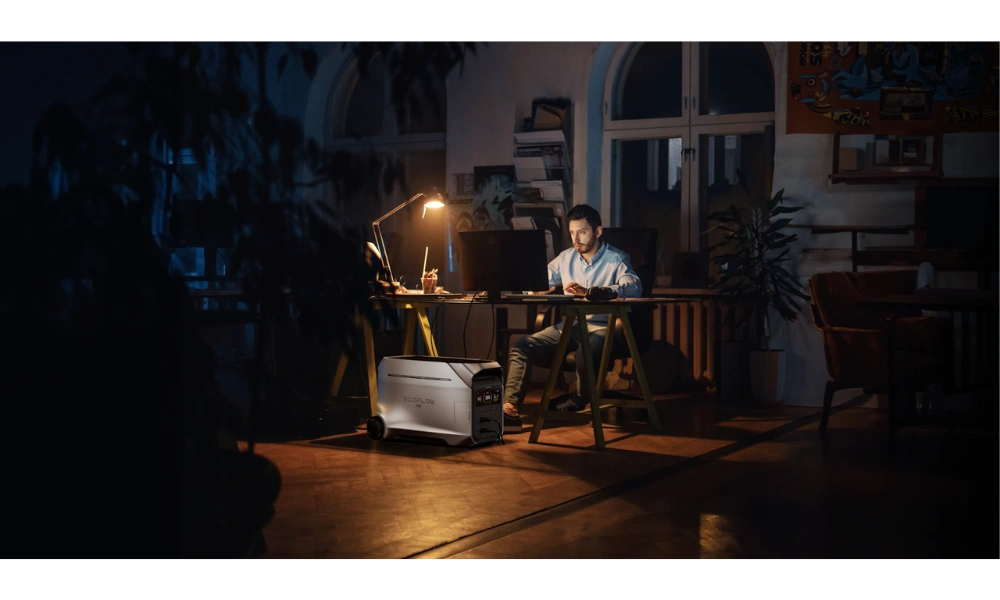
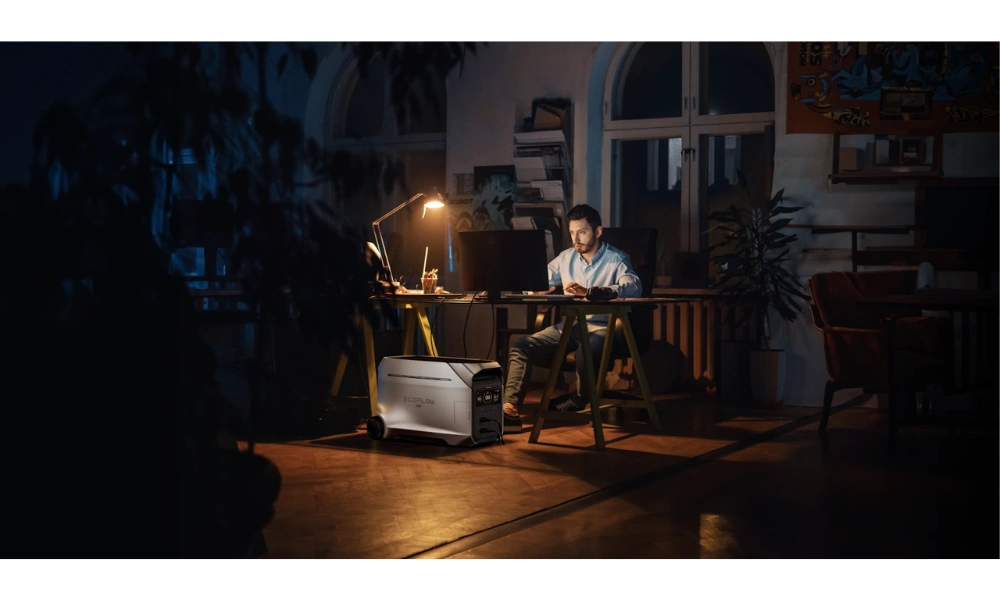
These days, though, staying connected matters just as much as having supplies. Beyond flashlights and batteries, a lot of households now plan for power outages by keeping a backup power option on hand. A portable power station like the EcoFlow DELTA Pro 3 Portable Power Station can help keep phones charged and Wi-Fi running when the grid goes down. That way, you’re not cut off from weather updates, emergency alerts, or family during a longer outage, which can make a stressful situation feel a lot more manageable.
Trim Trees and Overhanging Branches
Dead or weak branches are a real risk during high winds. What looks harmless on a calm day can turn into flying debris during a storm. Keeping trees trimmed away from your roof and windows helps reduce the chance of damage.
Use Surge Protection for Electronics
Quality surge protectors are a good first line of defense for smaller electronics like TVs, computers, and game consoles. They won’t stop a direct lightning strike, but they can help protect against smaller spikes and fluctuations.
Secure Loose Items Around Your Home
Outdoor furniture, grills, and decorations can become airborne when winds pick up. Bring in anything that isn’t tied down, and make sure doors and windows are fully closed and latched before the storm arrives.
Sign Up for Local Emergency Alerts
Many cities and counties offer emergency text or call alerts, sometimes called Reverse 911. Signing up means you’ll get updates specific to your area, including road closures, evacuation notices, or severe weather warnings that may not show up right away on national forecasts.
What to Do If Caught in Severe Thunderstorms?
Once the thunder starts, it’s no longer about preparation; it’s about staying safe right now. Things can escalate quickly, so knowing where to go and what to avoid matters.
Get Indoors as Quickly as Possible
The safest place during a thunderstorm is a solid, fully enclosed building. Houses, offices, and stores are all good options. Open structures like carports, sheds, or picnic shelters don’t protect you from lightning and shouldn’t be used as cover.
Follow Indoor Lightning Safety Rules
During a thunderstorm, it’s best to stay off corded phones and avoid using electrical equipment unless you really need to. Lightning can make the power grid unstable, and sudden spikes can travel through wiring faster than you’d expect.
Basic surge protectors help with small fluctuations, but they’re not designed to handle major spikes caused by nearby lightning strikes. Homes with sensitive or expensive electronics, like medical devices, home servers, or high-end entertainment systems, often take extra precautions. Some people use a whole-home battery system like the EcoFlow DELTA Pro Ultra X Whole-Home Backup Power to separate critical equipment from the grid during storms. Acting as a buffer, it supplies steady power while reducing the risk of damage from sudden surges, helping protect data and electronics until conditions settle.
If You’re Stuck Outdoors
If you can’t reach shelter, move to the lowest spot you can find. Stay away from tall trees, light poles, fences, and open water. Don’t lie flat on the ground. Instead, crouch low with your feet together to reduce contact with the ground as much as possible.
Staying Safe in a Vehicle
A hard-topped vehicle is actually a safe place during a thunderstorm. The metal frame helps direct lightning around the outside of the car. Just avoid touching metal surfaces inside, and stay put until the storm passes.
Never Drive Through Flooded Roads
Flooding is one of the most dangerous parts of severe storms. Most storm-related deaths happen when drivers try to cross flooded roads. It doesn’t take much; about six inches of moving water can knock a person over, and around a foot can carry away a vehicle. If the road is flooded, turn around and find another route.
Conclusion
Severe storms can be intense, but they don’t have to turn into a worst-case scenario at home. A little understanding of how these storms work, along with some basic preparation, goes a long way when the weather takes a turn.
Whether it’s staying inside during the worst of it, protecting your electronics, or having a plan for power outages, being ready helps you stay calm and in control. For some households, that preparation includes investing in a home battery backup to keep essential systems running and reduce disruption when storms knock out the grid.
FAQ
1. Can you shower during a thunderstorm?
It’s best not to. Lightning can travel through plumbing, and water, along with metal pipes, can carry electricity. Even modern plumbing isn’t a guarantee, so it’s safer to wait until the storm passes before showering or washing dishes.
2. Are thunderstorms dangerous?
Yes. Every thunderstorm produces lightning, which is always a risk. On top of that, storms can bring strong winds, large hail, and flash flooding. Even storms that don’t look severe at first can turn dangerous quickly.
3. Where is the safest place to be during a severe storm?
The safest spot is inside a sturdy, fully enclosed building. A basement or an interior room away from windows is ideal. If you’re in a vehicle, stay inside with the windows closed and avoid touching metal parts.
4. What is the 30/30 rule for lightning?
The 30/30 rule is a simple safety guideline. If you see lightning and hear thunder within 30 seconds, go indoors right away. Stay inside for at least 30 minutes after the last sound of thunder before going back outside.
5. What should you avoid doing during a lightning storm?
Avoid using corded electronics, showering or washing dishes, leaning against concrete walls, standing in open fields, or staying near tall, isolated objects like trees or poles. All of these increase your risk of injury.
6. Is there any clothing that protects you from lightning?
No clothing or footwear can protect you from a lightning strike, including rubber-soled shoes. The only real protection is being inside a grounded, enclosed structure. Clothing choice doesn’t make a meaningful difference in lightning safety.
For press requests or interview opportunities, reach out to our media team
media.na@ecoflow.com