What Is Pyrocumulonimbus? How Wildfires Create Their Own Storms
- What Is Pyrocumulonimbus?
- How Pyrocumulonimbus Clouds Are Formed
- Environmental Conditions That Make PyroCb More Likely
- Why PyroCb Makes Wildfires Harder to Control
- Secondary Impacts on Communities and Infrastructure
- How Scientists and Agencies Monitor PyroCb
- Why Backup Power Matters After PyroCb Events
- The Role of Energy Storage in Disaster Preparedness
- Prepare for Pyrocumulonimbus and Wildfire Outages
- FAQs
The intensity of a wildfire is usually measured by how fast it moves or how hot it burns. But sometimes, a fire becomes so massive that it starts to control the atmosphere above it. This leads to a phenomenon known as pyrocumulonimbus, or pyroCb. These are rare and dangerous fire-driven thunderstorms that form above extreme wildfires.
Learning about these storms is vital because they can change a fire's behavior in an instant. A pyroCb can create powerful winds, send embers flying miles away, and even start new fires through lightning strikes. In this blog, we will look at how these storms form, why they cause so much destruction, and how families can stay prepared with backup power when these events disrupt the electrical grid.
What Is Pyrocumulonimbus?
A pyrocumulonimbus cloud is a deep, convective storm triggered by the massive heat, smoke, ash, and moisture released by a major wildfire. It is far more than just a large plume of smoke.
The Difference Between Pyrocumulus and PyroCb
Most wildfires produce some level of cloud cover. You might see a "pyrocumulus" cloud, which looks like a white, fluffy topper sitting on a dark smoke column. While pyrocumulus clouds are impressive, they are relatively stable. A pyrocumulonimbus is the more developed and storm-like stage. In extreme cases, these clouds can reach the upper troposphere or lower stratosphere, sometimes rising above typical jet cruising altitudes, according to research published in npj Climate and Atmospheric Science and observations from NOAA satellite programs. At this point, it stops being a passive cloud and starts acting like a weather machine.
A Self-Sustaining Weather System
A pyroCb is not just smoke in the sky. It is a wildfire-created weather system that can change local conditions. These storms can create their own rain, though it often evaporates before hitting the ground, and generate winds that blow in different directions than the surrounding weather. This makes the original fire much harder to track and contain.
How Pyrocumulonimbus Clouds Are Formed
The birth of a fire storm is a complex process involving heat and air pressure.
Extreme Heat Creates Strong Upward Motion
Everything starts with heat. Intense wildfire heat lifts air, smoke, and charred particles rapidly upward. Because hot air is less dense than cool air, it rises quickly. This rising plume acts like a powerful chimney, pulling air from the sides and feeding vertical cloud growth. This constant upward suction is the engine of the storm.
Moisture and Unstable Air Help the Plume Grow
For a storm to grow, it needs moisture. Wildfires actually create moisture as plants burn and release water vapor. If the surrounding atmosphere is unstable, meaning the temperature drops quickly as you go higher, this moist, hot air keeps rising. Smoke particles also play a role here; they give water vapor something to cling to, which helps cloud droplets form more easily.
A Fire Plume Becomes a Thunderstorm
When the vertical growth continues, the plume transforms into a pyrocumulonimbus cloud. In extreme cases, the cloud can inject smoke high into the atmosphere, where it stays for weeks. Once the cloud reaches high enough altitudes for ice crystal formation, it may begin behaving like a thunderstorm capable of producing lightning, strong downdrafts, and turbulent winds. NASA and NOAA describe pyroCb events as wildfire-generated thunderstorms that can rapidly alter local fire behavior.
Environmental Conditions That Make PyroCb More Likely
Specific ingredients must come together in the right amounts for pyrocumulonimbus to form. It usually requires a combination of exceptional fire intensity and specific atmospheric conditions.
Large, High-Intensity Wildfires: Fires with heavy fuel loads, like thick forests or dense brush, provide the massive energy needed.
Hot, Dry Weather: High surface temperatures and low humidity make it easier for the plume to stay hot as it rises.
Unstable Atmospheric Layers: If the air above the fire is cold and dry, it encourages the hot plume to keep climbing.
Terrain Patterns: Canyons or steep slopes can funnel heat and wind, intensifying the fire behavior and helping the plume reach higher altitudes.

Why PyroCb Makes Wildfires Harder to Control
When a fire starts creating its own weather, the job of a firefighter becomes significantly more dangerous. The presence of a pyrocumulonimbus cloud often signals that the fire is becoming unpredictable and "out of control" in a literal sense.
It Creates Its Own Dangerous and Erratic Weather
A pyroCb produces erratic winds and sudden downdrafts. As air cools at the top of the storm, it can suddenly crash back down to the ground. These "microbursts" push the fire in multiple directions at once. These shifts can overwhelm suppression efforts and make fire movement much less predictable for crews on the ground.
It Can Generate New Lightning Ignitions
One of the most terrifying aspects of these clouds is that they produce lightning. This is often "dry lightning," where the rain evaporates before it hits the ground, but the electrical strike reaches the earth. These strikes can ignite new fires miles away from the original fire zone, forcing emergency teams to split their resources.
It Increases Ember Transport and Spot Fires
The strong updrafts in a pyroCb can lift heavy, burning branches and embers high into the air. Storm-driven winds then carry these embers far beyond the main fire line. This creates multiple spot fires that can jump over rivers, highways, and man-made firebreaks, accelerating the speed at which the disaster grows.
Secondary Impacts on Communities and Infrastructure
The effects of a fire storm are felt far beyond the reach of the flames. Because these storms can travel and create new fires, they put a massive strain on the local infrastructure that people rely on every day.
PyroCb-driven fire spread can damage power lines, substations, and communication towers across a broad area. When a storm generates lightning, a secondary fire might start near a critical road or a power hub that was thought to be safe. This multiplies the losses and can lead to widespread blackouts, road closures, and a total loss of phone or internet service. For residents, this means being cut off from help exactly when they need it most.
How Scientists and Agencies Monitor PyroCb
Keeping an eye on these storms is a high-tech job. Since they form so fast, experts use several tools to track their growth and warn people in the path of the fire.
Satellite Observation
Satellites are the first line of defense. They detect heat signatures on the ground and can see the "top" of the cloud from space. By watching cloud-top growth, meteorologists can tell if a plume is about to turn into a full-blown storm.
Weather Radar and Lightning Detection
Ground-based radar helps track how high the plume is and the structure of the storm. Lightning detection networks are also used to see where new strikes are hitting. This helps fire crews find and put out new small fires before they become big ones.
Fire Weather Forecasting
Meteorologists combine data about fire behavior and wind forecasts to guess where a pyrocumulonimbus cloud might form. While early warning is difficult because fire behavior changes fast, better tools are helping experts give communities more time to prepare.
Why Backup Power Matters After PyroCb Events
When a wildfire or its resulting storm knocks out the power, the timer starts ticking. For many, electricity is a tool for survival. Having a plan for backup power has become an important part of being ready for disasters because of this.
The secondary fires caused by a pyroCb can expand damage to the local electrical grid. Prolonged outages are dangerous because they affect cooling, food storage, and medical devices. If you are told to evacuate, you need your phone and radio to be charged to receive updates. If you are sheltering in place, you need light and a way to keep your family's medications cold.
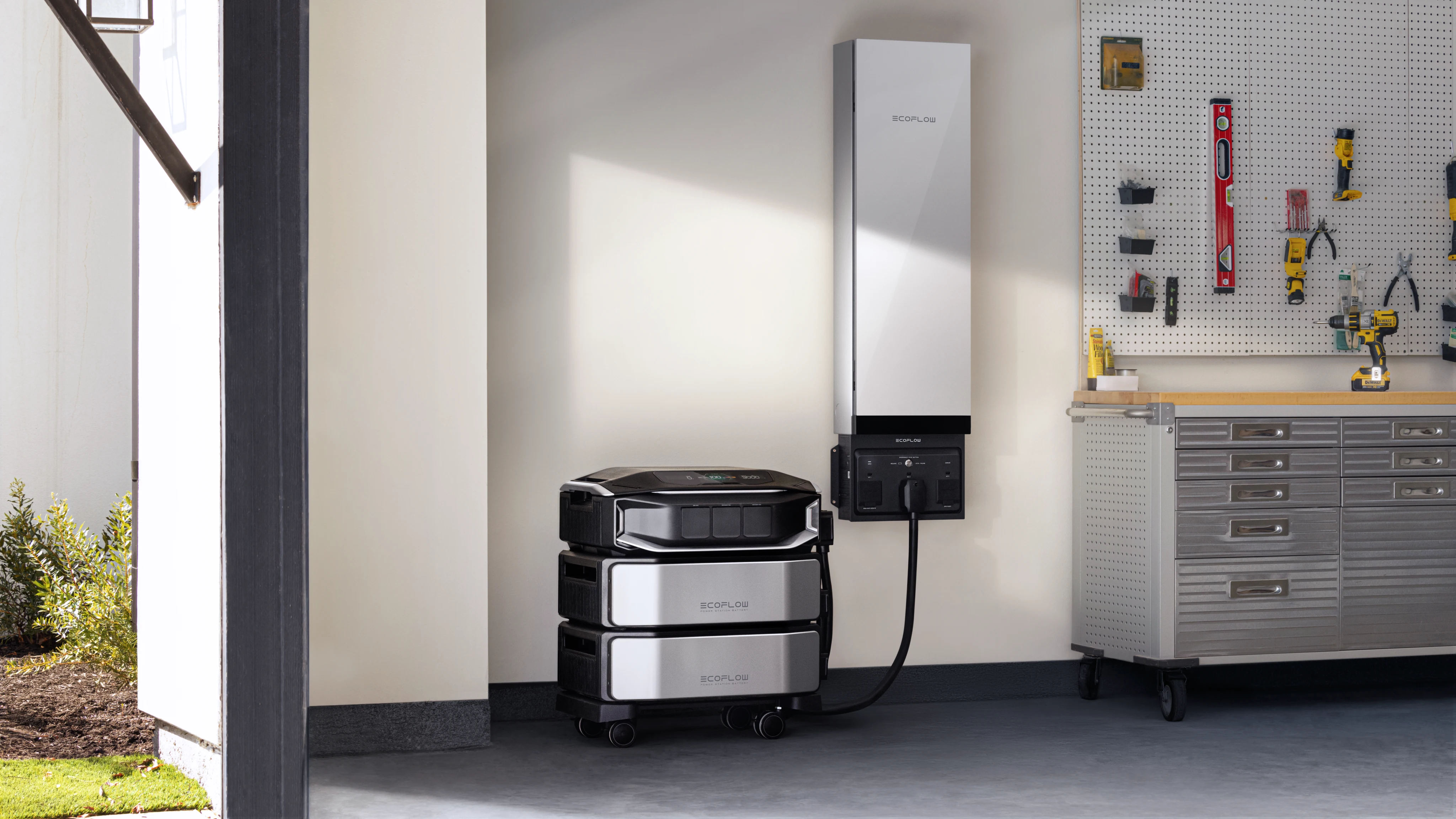
For households in wildfire-prone areas, systems like EcoFlow DELTA Pro Ultra X offer scalable whole-home backup with fast 20ms auto switchover and expandable capacity up to 180kWh, helping families maintain critical power during prolonged outages caused by extreme wildfire events.
The Role of Energy Storage in Disaster Preparedness
Preparing for a wildfire means more than just having a "go-bag." It also means thinking about how you will power your life when the grid goes down. Energy storage solutions have become much more accessible for the average household.
Portable power stations and home battery systems can provide emergency electricity during these long outages. They can be used for:
Charging phones and laptops to stay in touch with family.
Powering internet routers to receive emergency alerts.
Running small appliances like fans or coffee makers.
Keeping lights on during the night for safety.
Maintaining power for critical medical devices like CPAP machines.
While backup power cannot stop a wildfire, it helps families stay connected and safe during the stress of an evacuation or the long days of recovery after the fire is out.
Prepare for Pyrocumulonimbus and Wildfire Outages
These fire-driven storms show how quickly a local blaze can turn into a regional crisis. When a pyrocumulonimbus cloud disrupts the grid, having a plan keeps your family safe and connected. Relying on scalable backup like the EcoFlow DELTA Pro Ultra X ensures your lights, medical devices, and phones stay powered through the smoke. Don't wait for the next fire season to secure your home. Check out our energy storage solutions to build your disaster backup plan today.
FAQs
Q1: What is the difference between pyrocumulus and pyrocumulonimbus?
Pyrocumulus is a cloud that forms over a fire but stays relatively calm. Pyrocumulonimbus is a fully developed thunderstorm that can produce lightning, severe wind, and its own weather patterns.
Q2: Can pyrocumulonimbus clouds create new wildfires?
Yes. The lightning produced by these clouds is often "dry," meaning it can strike the ground and start new fires without any rain to put them out. They also carry burning embers over long distances.
Q3: How do experts detect pyrocumulonimbus?
Experts use satellite images to see heat and cloud growth, weather radar to see the height of the plume, and lightning sensors to track where strikes are occurring.
Q4: Why is backup power important after major wildfire events?
Wildfires often destroy power poles and wires. A pyroCb can spread this damage over a huge area. Backup power ensures you can still use your phone, keep your food safe, and run medical equipment when the grid fails.
Disclaimer
This article is intended for educational and general preparedness purposes only and should not be considered an emergency response guide. During wildfire evacuations or severe weather events, always follow instructions from local authorities and emergency agencies. Product specifications, performance figures, and backup power capabilities mentioned in this article are based on manufacturer-provided data from EcoFlow Official Website and related product materials. Actual performance may vary depending on installation, environmental conditions, load requirements, and system configuration. Before purchasing any backup power system, users should verify local electrical codes, certifications, and compatibility with their household needs.
For press requests or interview opportunities, reach out to our media team
media.na@ecoflow.com