RV Power Systems Explained: A Complete Setup Guide
- What Is an RV Power System?
- What Are the Core Components of an RV Power System?
- What Power Sources Can You Use for an RV?
- How Do You Size Your RV Power System?
- How Do You Set Up Your RV Power System Step by Step?
- How Can Solar and Portable Power Stations Improve Your RV Setup?
- How Do You Maintain and Troubleshoot Your RV Power System?
- Frequently Asked Questions
- A Well-Planned Power System Keeps Your RV Running Reliably On and Off the Grid
Every light, outlet, and appliance in your RV depends on a power system working behind the scenes. Understanding how the pieces all fit together, from batteries to inverters to solar, helps you plan a reliable setup that keeps your rig running whether you're parked up at a campground or off-grid.
What Is an RV Power System?
An RV power system is the network of components that store, convert, and distribute electricity throughout your rig. It typically combines a battery bank, a converter or inverter, wiring, and a charging source like shore power, a generator, or solar, keeping your lights, water pump, refrigerator, and electronics running whether you're plugged into a pedestal or parked with no outlet in sight.
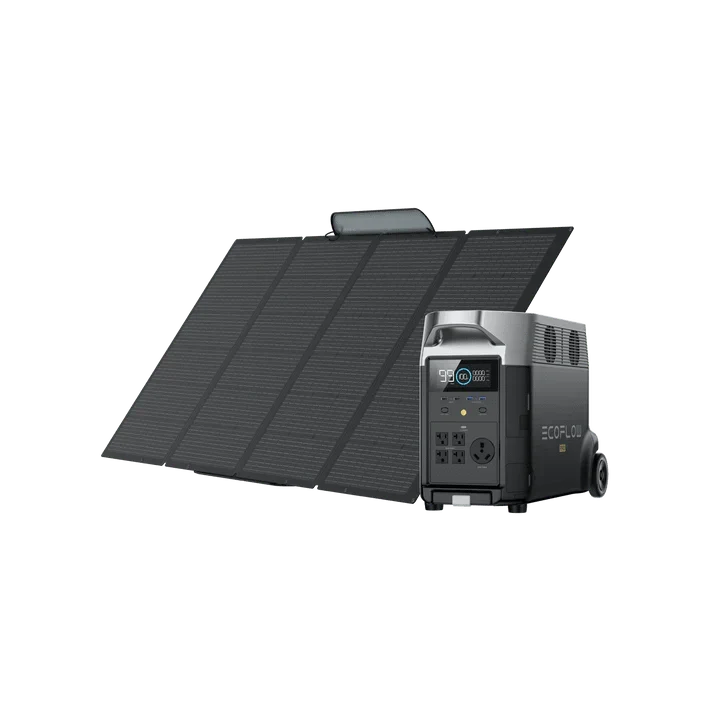
The EcoFlow DELTA Pro + 400W Solar Panel bundle, for example, shows how this works in a single unit. It stores energy, converts it to usable AC power, and recharges from the sun without the wiring most owners install themselves.
What Are the Core Components of an RV Power System?
Batteries
Batteries store the energy your RV draws on when you're not connected to shore power. Lead-acid batteries are common in factory setups, but lithium is now the standard upgrade for lifespan, charging speed, and cold-weather performance.
Converters and Inverters
A converter changes incoming AC power from shore power or a generator into DC to charge your batteries and run 12V systems. An inverter does the opposite, turning stored DC power into AC for outlets and appliances.
Shore Power Connections
Shore power is the campground hookup that feeds AC electricity into your RV, usually through a 30-amp or 50-amp cord. It's the simplest way to run high-draw appliances without touching stored capacity.
Circuit Breakers and Fuses
Breakers and fuses protect wiring and appliances from overloads and short circuits. Every circuit needs one sized correctly for its load.
What Power Sources Can You Use for an RV?
RVs can draw power from shore power, generators, solar panels, and battery banks. An onboard RV generator is common on larger motorhomes, adding reliable backup for high-draw appliances away from a hookup. Most setups mix these sources, leaning on shore power at campsites and switching to solar or battery capacity when boondocking.
How Do You Size Your RV Power System?
Sizing starts with adding up the wattage of everything you plan to run at once, from your refrigerator to your microwave to your air conditioner.
From there, size your inverter and battery capacity to cover an evening or overnight. Bigger rigs need more storage, while a smaller trailer with basic lighting and a fridge can get by with less.
How Do You Set Up Your RV Power System Step by Step?
Step 1: Connect to Shore Power
Confirm your RV's shore power cord matches your campsite's amperage. Adapters bridge mismatched setups, but a 50-amp system on a 30-amp connection limits how much you can run at once.
Step 2: Install and Wire Your Battery Bank
Mount your battery bank securely, in a ventilated compartment for lead-acid, and wire it to match your system's voltage. Lithium batteries are more forgiving since they don't off-gas like flooded lead-acid.
Step 3: Add an Inverter for AC Power
Size your inverter to your highest expected AC load, then wire it to your battery bank with cabling rated for the current it will carry. Undersized cables are a common cause of voltage drop and overheating.
Step 4: Integrate Solar Charging
Mount solar panels where they'll get consistent sun exposure and run them through a charge controller before connecting to your battery bank. A portable RV solar system skips the permanent wiring, letting you set panels up and pack them away as needed.
Step 5: Test and Protect the System
Before you head out, test every circuit under load and confirm your breakers trip correctly. Check connections after your first trips, since driving vibration can loosen terminals.
How Can Solar and Portable Power Stations Improve Your RV Setup?
Portable power stations combine the battery, inverter, and charge controller into one unit, cutting out most of the wiring a DIY system requires.
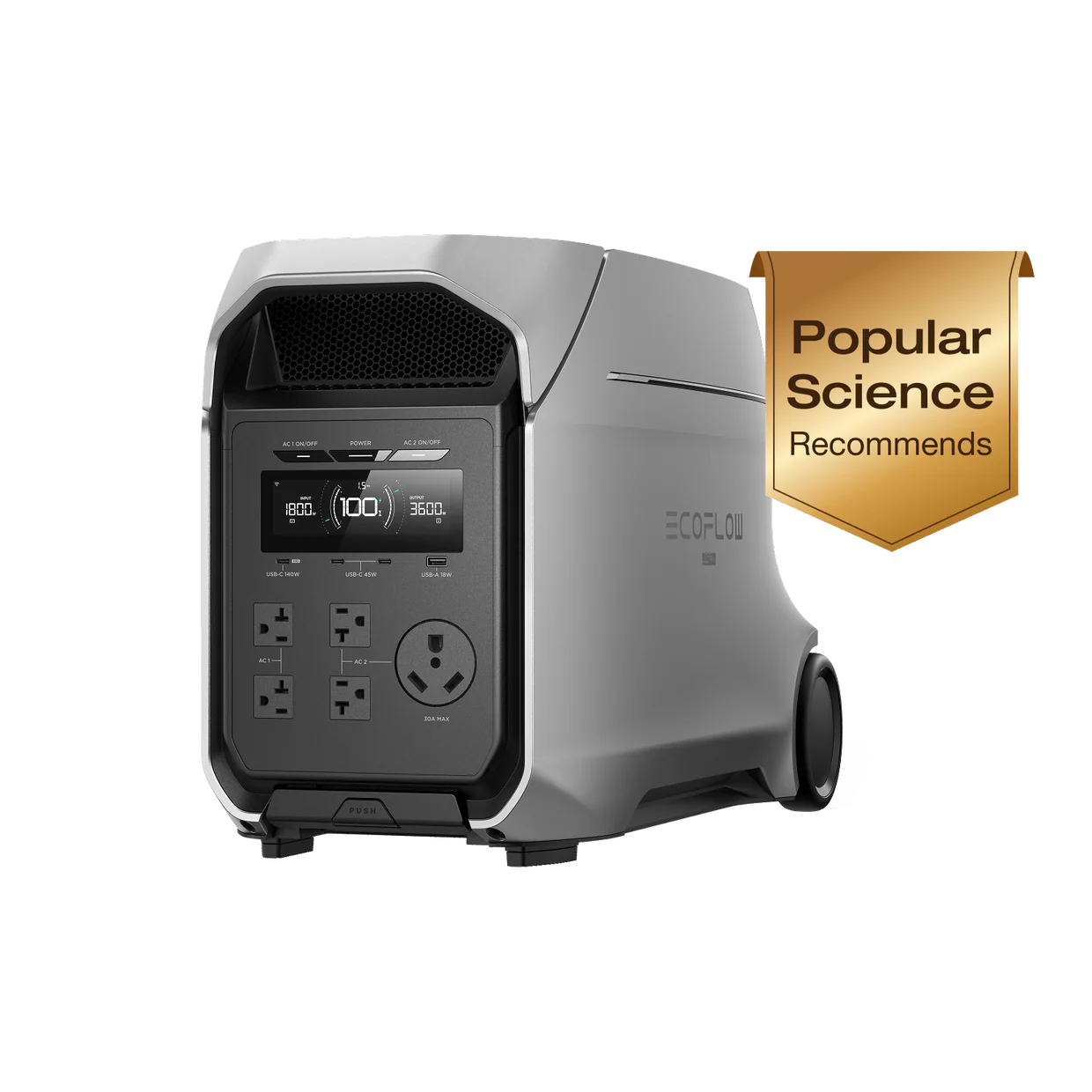
The EcoFlow DELTA 3 Ultra Plus (3072Wh) offers enough capacity to run a CPAP machine, laptop, and small appliances for days without a hookup, recharging from solar, shore power, or a vehicle outlet. For RVers who split time between campgrounds and dispersed camping, that flexibility matters more than raw capacity.
How Do You Maintain and Troubleshoot Your RV Power System?
Keep terminals clean and tight, monitor your battery's state of charge, and inspect wiring for wear each season.
If lights dim or appliances cut out under load, check battery voltage first, since a partially discharged or aging battery is the most common culprit. Slow or inconsistent camper battery charging usually traces back to a loose connection, an aging converter, or reduced solar input rather than a failing unit.
Frequently Asked Questions
How Many Amps Does an RV Power System Need?
Most RVs run on either 30-amp or 50-amp shore power service, and the right one depends on how much you plan to run at once. A 30-amp connection supplies about 3,600 watts, while a 50-amp connection splits power across two 120V legs for around 12,000 watts, enough to run air conditioning alongside multiple other large appliances.[1]
What Is the Difference Between an RV Converter and Inverter?
A converter takes AC power from shore power or a generator and converts it to DC to charge your batteries and run 12V systems. An inverter works the other way, turning DC battery power into AC so you can run outlets and appliances without a hookup.
Can Solar Power Fully Run an RV Air Conditioner?
It's possible but demanding, since RV air conditioners draw significantly more power at startup than during continuous operation. Running one on solar alone requires a robust panel array and enough battery capacity to cover cloudy stretches, which is why most solar setups pair panels with substantial battery storage rather than relying on real-time output.
A Well-Planned Power System Keeps Your RV Running Reliably On and Off the Grid
Getting your battery bank, inverter, and charging sources sized correctly is what separates a power system that just works from one that leaves you scrambling when the sun sets or the hookup runs out.
If your current setup leans too heavily on one power source, EcoFlow's DELTA Pro + 400W Solar Panel bundle is a straightforward starting point for adding solar to a simple rig, while the EcoFlow DELTA 3 Ultra Plus (3072Wh) gives larger setups the extra buffer to extend how long you can camp without shore power at all.
References:
[1] https://www.jadelearning.com/blog/sizing-rv-park-electrical-services-using-nec-table/
For press requests or interview opportunities, reach out to our media team
media.na@ecoflow.com