Onboard RV Generator: Best Options for Reliable Power on the Go
- Why a Reliable Onboard Generator Is Essential for RV Life
- Key Factors to Consider When Choosing the Right RV Generator
- How Big of a Generator Does Your RV Really Need?
- Top Onboard RV Generator Options
- Maintenance Tips for Long-Term Reliability
- Safety Considerations When Using Your RV Generator
- Conclusion
- FAQ
Whether you’re waking up to the sunrise over the Grand Canyon or settling into a quiet, tree-lined pullout in the Appalachian Mountains, the freedom of RV life is hard to beat. That freedom, however, depends on one critical factor: a steady, reliable power source. From keeping the lights on and food cold to making sure your air conditioner can handle the peak of summer heat, a dependable onboard generator is the true heartbeat of your mobile home. In this guide, we’ll look at why reliable power matters so much, how to realistically calculate your energy needs, and how modern solutions, including new hybrid systems, are changing what off-grid RV living looks like today.
Why a Reliable Onboard Generator Is Essential for RV Life
Stepping away from the “shore power” of a busy campground is often what draws people to RV life in the first place. It opens the door to quiet deserts, mountain overlooks, and remote forest roads that feel a world away from hookups and power pedestals. Once you unplug, though, you’re no longer relying on a utility company; you’re responsible for generating every watt your rig needs to function comfortably and safely.


Keep Your Appliances Running Anywhere
Modern RV travel isn’t about sacrificing convenience. Most rigs carry everyday essentials like microwaves, coffee makers, laptops, and routers. A dependable onboard generator makes sure those basics work wherever you park, whether you’re boondocking on BLM land in Nevada or spending the night near a remote trailhead in Utah. With steady power, your daily routine stays intact instead of being dictated by battery levels.
Avoid Being Stranded Without Power
Weather across the U.S. can change quickly, especially in wide-open or mountainous regions. An onboard generator acts as a critical backup when conditions turn against you. If your house batteries drop too low during a cold Montana night, having a generator means your furnace can keep running, pipes stay protected, and everyone inside stays warm and safe until morning.
Enhance Your RV Lifestyle
At its core, a generator is about quality of life on the road. It’s the ability to enjoy cold drinks after a long drive, stream a movie before bed, or log into work from a quiet campsite with a solid cellular signal. By blending outdoor adventure with everyday comforts, a reliable onboard generator lets you travel farther, stay longer, and enjoy RV life without unnecessary compromises.
Key Factors to Consider When Choosing the Right RV Generator
Choosing the right RV generator is all about balance. You’re weighing how much power you need against the space, weight, and noise limits of your rig. Whether you’re building out a minimalist adventure van or upgrading a full-size motorhome, the best generator is the one that fits seamlessly into how and where you actually travel.
Core Power Requirements: Handling the "Start-up Spike"
Rated wattage tells only part of the story. The real test for any RV generator is whether it can handle startup surges from motor-driven appliances like air conditioners, refrigerators, and water pumps. A rooftop AC might run steadily at around 1,200 watts, but when the compressor kicks on, it can briefly demand 2.5 to 3 times that amount. If your generator can’t supply that surge, the appliance simply won’t start, often at the worst possible moment, like a sticky summer afternoon in Texas. Beyond raw power, stable and clean electricity is essential for protecting sensitive electronics such as laptops, cameras, and Starlink systems from voltage fluctuations.
Practical Constraints: Noise, Space, and Stealth
Power is only useful if you’re allowed to use it. Many national parks and federal campgrounds, including places like Yellowstone, enforce strict noise limits to protect the natural soundscape. A loud unit can lead to complaints or restricted hours, which is why most seasoned travelers prioritize the need to choose a quiet RV generator or a silent portable power station. Size matters too; permanent generators take up valuable storage and add weight, while portable power stations offer a stealthier, more compact alternative. They can be moved outside the RV for flexible operation and stored away when not in use, freeing up interior space for gear or supplies while ensuring you stay within the good graces of your camping neighbors.
Long-Term Strategy: Efficiency and Fuel Versatility
A generator isn’t just for one trip; it’s part of your long-term travel strategy. Fuel choice plays a big role in convenience and operating cost over time. Gasoline is easy to find almost anywhere, while propane burns cleaner and can be stored for long periods without degrading. Modern generators and hybrid systems also prioritize efficiency, using smart RPM scaling to slow the engine when demand is low and conserve fuel. Pairing a fuel-based generator with solar and battery storage takes this a step further, allowing you to run silently for days while parked in sunny places like the Utah desert, only firing up the generator when conditions truly require it.
How Big of a Generator Does Your RV Really Need?
Sizing your RV generator correctly is one of the most important decisions you’ll make. Go too small, and you’ll constantly trip breakers or struggle to start major appliances. Go too big, and you’re hauling extra weight, burning more fuel than necessary, and giving up valuable storage space. The goal is to match your real-world usage, not an extreme worst-case scenario.
Calculate Your Total Power Needs
Start by listing every appliance you expect to run at the same time. This might include your air conditioner, refrigerator, microwave, laptop, and a few outlets for charging devices. A laptop typically draws around 60 watts, while a rooftop AC can pull 1,500 watts or more while running. Adding up these numbers gives you your baseline “running watts,” which represents the steady load your generator must support without strain.
Consider Peak vs. Continuous Load
This is where many RV owners get caught off guard. Appliances with motors, such as air conditioners, refrigerators, and water pumps, require a short but powerful surge of electricity when they start. This startup demand is often two to three times higher than their normal operating wattage. If your generator can handle the running load but not the surge, those appliances simply won’t turn on. Your generator’s peak or surge rating must be high enough to cover these moments, especially if you plan to run cooling or refrigeration off grid.
Typical RV Appliance Power Requirements
| Appliance | Running (Rated) Watts | Starting (Surge) Watts |
|---|---|---|
| Rooftop AC (13,500 BTU) | 1,200W – 1,500W | 2,800W – 3,500W |
| Rooftop AC (15,000 BTU) | 1,500W – 1,800W | 3,300W – 3,800W |
| Refrigerator (RV/Residential) | 200W – 600W | 600W – 1,200W |
| Microwave Oven | 1,000W – 1,500W | 1,200W – 2,000W |
| Coffee Maker | 800W – 1,200W | None (Heater only) |
| Electric Water Heater | 1,000W – 1,500W | None (Heater only) |
| Hair Dryer | 1,200W – 1,800W | None |
| Laptop / Starlink Terminal | 50W – 150W | None |
| LCD Television | 100W – 200W | None |
Match Generator Size to Your RV Type
Once you understand both running and surge needs, sizing becomes much clearer. Smaller rigs with modest electrical demands don’t need massive generators, while larger motorhomes often require serious output.
Class B (Van Life): Typically, 2,000-3,000 watts is sufficient for light appliances and occasional AC use.
Class C Motorhomes & Travel Trailers: Most setups fall in the 3,000-4,500 watt range, especially if running a single AC and kitchen appliances.
Class A Motorhomes: These rigs often need 5,500-8,000 watts or more to handle multiple air conditioners, residential fridges, and higher overall demand.
Top Onboard RV Generator Options
In modern RVing, an onboard power solution doesn’t always mean a permanently bolted-in generator. Today, many travelers are choosing flexible, high-capacity power stations that can be secured inside the rig, moved when needed, and even recharged by the sun. As technology evolves, the best options now focus less on raw engine noise and more on quiet operation, smart power management, and real-world usability on the road.
Traditional Gas‑powered Generators for Heavy Loads
These are the classic, built-in generators found in many older motorhomes. They deliver high output and typically pull fuel directly from your RV’s main gas tank, which makes long runtimes possible without refueling. That power comes with trade-offs, though. Regular oil changes, filter replacements, and engine maintenance are unavoidable, and noise can be an issue, especially in national parks or quiet boondocking areas where generator hours are limited.
Diesel Generators for Long‑distance Travel
Diesel generators are most common in large Class A diesel pushers. They’re built for durability and efficiency, often running thousands of hours with proper care. Because they share the same fuel source as the RV engine, they’re convenient for cross-country travel. The downside is cost and complexity: diesel generators are expensive, heavy, and generally overkill unless you’re running multiple air conditioners or residential appliances full-time.
Portable Inverter Generators for Quiet RV Power
Inverter generators marked a major shift in RV power. They produce clean, stable electricity that’s safe for sensitive electronics like Starlink terminals, laptops, and camera gear. Compared to traditional generators, they’re far quieter and more fuel-efficient, especially at low loads. Many RVers pair them with external fuel cans and only run them when absolutely necessary.
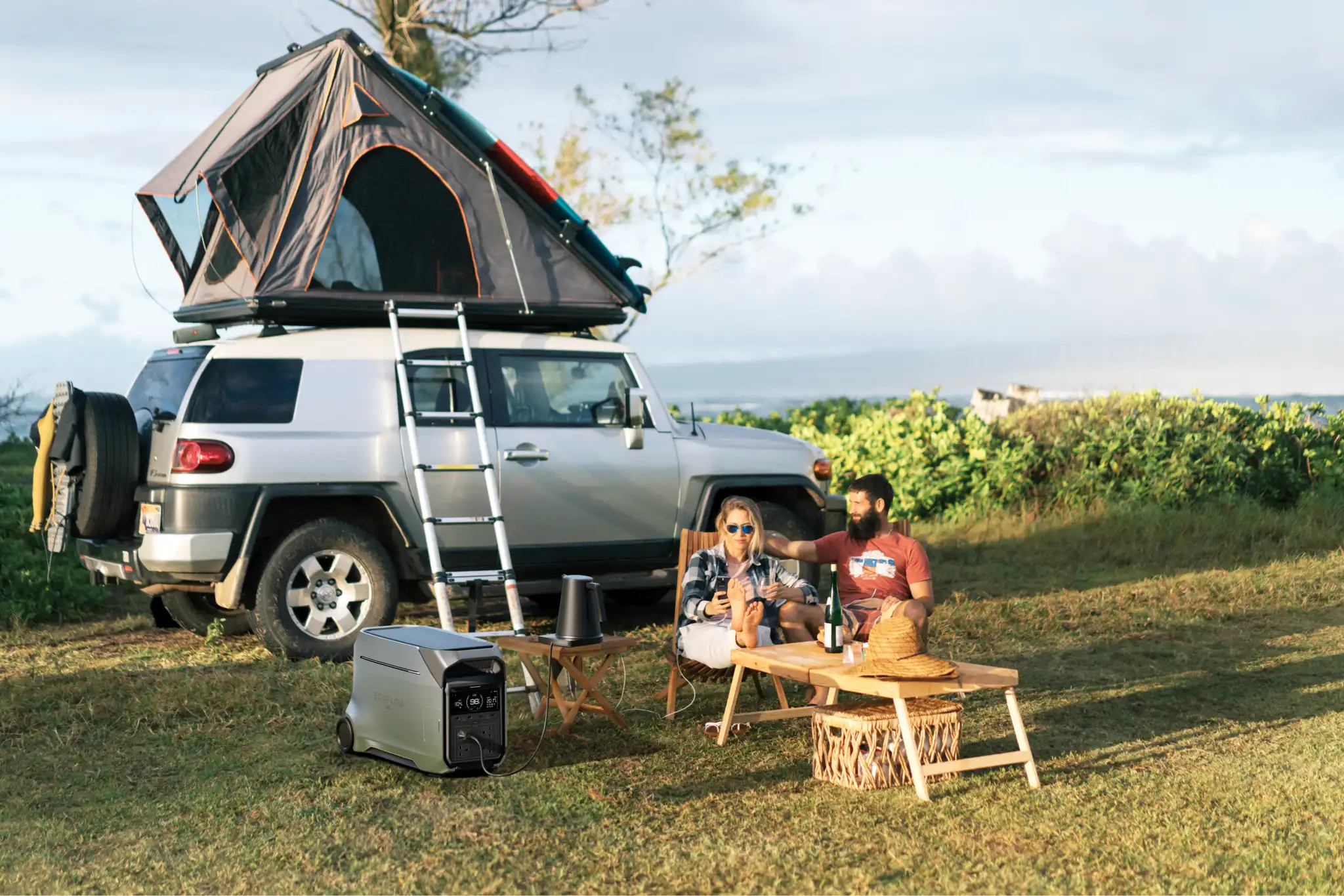
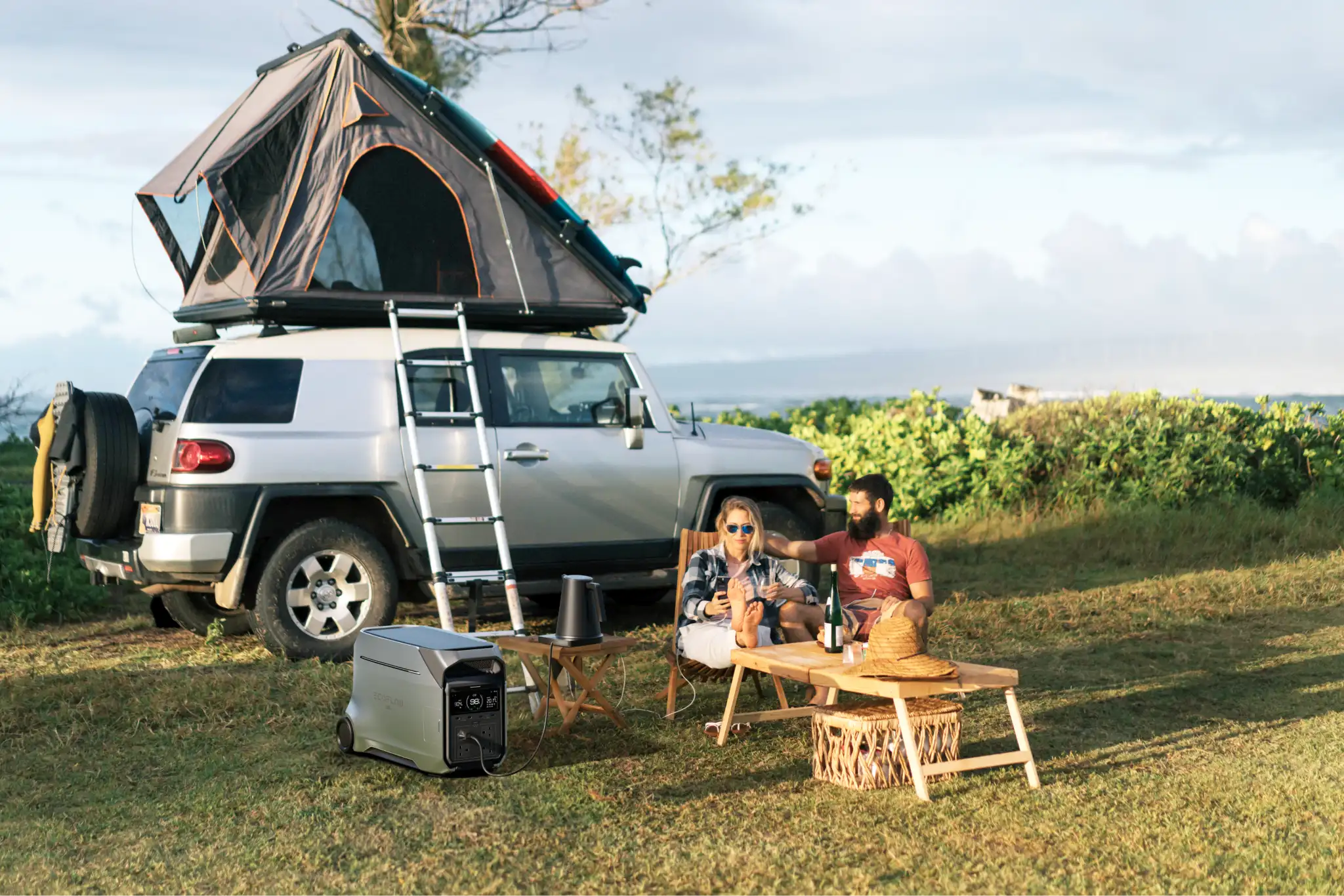
For travelers who want to skip fuel entirely, battery-based inverter systems have become a serious alternative. The EcoFlow DELTA 2 Max Portable Power Station is a good example of this new category. It’s compact enough to fit in a storage bay yet powerful enough to keep essentials like a refrigerator, TV, and charging stations running for hours. Because it’s battery-powered, it operates silently and can recharge via solar panels while you’re parked, making it especially appealing for stealth camping or noise-restricted areas.
Hybrid Options: Combine Fuel and Solar Power
The future of RV power is clearly hybrid. By pairing high-capacity batteries with a fuel-based backup, you get quiet, emission-free operation most of the time, with the reassurance of on-demand generation when conditions aren’t ideal.
A standout example is the EcoFlow DELTA Pro 3 Portable Power Station paired with the Smart Generator 4000 (Dual Fuel). This setup is designed for RVers who want true peace of mind. The battery handles daily loads, air conditioners, water heaters, and kitchen appliances, while the smart generator automatically kicks in if battery levels drop during extended cloudy weather or high usage. Because it runs on either gasoline or propane, fuel flexibility is built in, and everything can be monitored from a smartphone app, so you’re never guessing how much power you have left.
Maintenance Tips for Long-Term Reliability
A dependable RV generator isn’t something you think about every day, until you really need it. Whether you’re dealing with sticky humidity along the Florida coast or dry, dusty campsites near Moab, routine care makes the difference between reliable power and a frustrating breakdown. A little attention goes a long way in making sure your system works when you’re miles from the nearest hookup.
Fuel Generator Maintenance
For gas or propane generators, oil changes matter more than most owners realize. Many units need fresh oil every 50 to 100 hours, which can add up quickly during a long road trip or extended boondocking stretch. Fuel management is just as important. Gasoline doesn’t age well, especially when it sits unused. Letting untreated fuel sit in the system over the off-season often leads to clogged carburetors and hard starts. Using a fuel stabilizer or running the generator dry before storage helps avoid those issues when you’re ready to travel again.
Solar Power Station Care
Battery-based power stations require far less hands-on work, but they still benefit from basic upkeep. Solar panels are only as effective as their surface is clean. In desert regions, a thin layer of dust can quietly cut charging efficiency without you noticing. A quick rinse or wipe with water and a soft cloth can noticeably improve performance and help you reach a full charge before sunset.
Test Everything Before You Leave
Finding a problem once you’re already camped in a remote area is the worst-case scenario. A day or two before departure, power up your system and let it run under a moderate load. Turn on the fridge, lights, or a small appliance and let it run for 20 minutes. This confirms that everything is working properly and gives you time to fix issues at home rather than on the road.
Clean and Store with Care
An RV sitting still often attracts unwanted guests. In wooded areas, rodents like to nest in warm generator compartments and chew on wiring. Before starting your system, take a quick look for debris, nests, or damage. For portable units, a breathable cover helps protect against moisture and sun exposure while still allowing airflow during storage. Staying on top of these small tasks helps ensure your generator is ready whenever the road takes you somewhere off the grid.
Safety Considerations When Using Your RV Generator
Having reliable power on the road is a huge advantage, but it comes with real responsibilities. Generators, whether fuel-based or battery-powered, can pose serious risks if they’re used carelessly. A few smart precautions go a long way toward keeping your RV, your passengers, and yourself safe.
Ventilation Is Non-Negotiable for Fuel Generators
Carbon monoxide is one of the biggest dangers RVers underestimate. It’s colorless, odorless, and can become deadly before you realize anything is wrong. Never run a fuel-powered generator inside a garage, near a toy hauler ramp, or close to doors, windows, or vents, even if they’re cracked open. Exhaust should always point away from the RV, and every rig should have a working carbon monoxide detector that’s tested regularly. If you’re using a portable generator, place it well away from the living area so fumes can’t collect underneath the vehicle.
Respect the Power of Solar and Hybrid Systems
Battery-based systems feel safer because there’s no combustion, but they still deliver serious electrical output. Poor cables, loose plugs, or cheap extension cords can overheat fast under heavy loads. Use quality, weather-rated wiring and make sure every connection is tight and dry. Heat buildup from a loose connection can melt insulation or even start a fire, especially when running high-demand appliances.
Secure Everything for the Road
A portable power station may be quiet and compact, but it’s still heavy. In a sudden stop or sharp turn, an unsecured unit can turn into a dangerous missile. Always strap power stations down using proper tie downs and keep them in a dedicated storage area or mounting bracket. Good weight distribution isn’t just about handling; it’s about safety when things don’t go as planned.
Mind Extreme Temperatures
Lithium batteries perform best within a moderate temperature range. Cold weather can limit charging, while extreme heat can force systems to shut down to protect themselves. In freezing conditions, don’t expect batteries to recharge efficiently. In hot desert environments, avoid storing power stations in sealed compartments that trap heat. Shade and airflow matter more than most people realize.
Stick to the Manufacturer’s Instructions
Every generator and power system has its own limits and maintenance requirements. Oil type, service intervals, charging guidelines, and firmware updates all exist for a reason. Skipping the manual or ignoring software updates can lead to performance issues or worse, safety problems. Keeping everything up to date ensures the system’s protection features work the way they’re supposed to.
Conclusion
Finding the right onboard RV generator comes down to how you travel and what you value most on the road. Some RVers prefer the simplicity and raw power of a traditional fuel-based generator, while others lean toward quieter, more flexible hybrid systems that blend batteries and solar. Either way, dependable power is what turns a remote campsite into a comfortable home base. With the right setup, you’re free to head farther off the beaten path, stay longer in the places you love, and enjoy the journey without giving up the essentials that make RV life work.
FAQ
1. Can You Run a Generator in an RV While Driving?
Yes, you can. Many RVers traveling through hot regions like Arizona or Texas run built-in gas or diesel generators while driving to power the house air conditioner, since the dash AC rarely cools the full living space. If you’re using a portable power station such as the EcoFlow DELTA Pro 3 from EcoFlow, it’s also safe to keep it running for essentials like the refrigerator or device charging, as long as the unit is properly secured so it can’t shift while you’re on the move.
2. Can You Run an RV Air Conditioner with a Generator?
Absolutely, but generator size matters. A typical 13,500 BTU RV AC may only draw around 1,300-1,500 watts while running, but an RV air conditioner often needs a 2,800-3,000-watt surge to start. Your generator must be able to handle that brief spike. Many modern generators and power systems are designed specifically for these high startup loads, letting you cool the cabin during a humid stop, for instance, in the Florida Keys, without resorting to an oversized, noisy unit.
3. Is It Okay to Run Your RV Generator All Night?
Technically, yes, but practically, it depends. Most U.S. campgrounds enforce quiet hours (commonly 10:00 PM to 6:00 AM), during which fuel generators aren’t allowed. Even where permitted, the noise and exhaust can be disruptive. This is where battery-based power stations shine: they deliver silent, emissions-free power overnight, ideal for running a CPAP, fans, or a small heater without disturbing neighbors or breaking campground rules.
4. What Is the 3-3-3 Rule for RV Living?
The 3-3-3 rule is a popular guideline for avoiding burnout on long RV trips. It suggests:
Drive no more than 300 miles per day
Arrive by 3:00 PM
Stay at each stop for at least 3 nights
A dependable generator or solar battery setup makes this approach far easier. When you’re not racing to find hookups before dark, you can comfortably boondock in a national forest and still enjoy full power during your stay.
5. Why Does My RV Generator Keep Shutting Off While Driving?
Two issues cause this most often. First is fuel level: many RV generators are designed to stop drawing fuel once the tank drops below about one-quarter full, so you don’t accidentally run out of gas while driving. The second is oil slosh. On steep or winding roads, like sections of the Pacific Coast Highway, oil can move away from the sensor, triggering a low oil shutdown even when the level is actually fine. It’s a protective feature, but one that can surprise new RV owners.
For press requests or interview opportunities, reach out to our media team
media.na@ecoflow.com