Rockhounding in 2026: The Best Places to Dig for Crystals and Camp Nearby
- Choosing Your Perfect Dig and Camp Spot
- Top Rockhounding Destinations in the United States with Nearby Camping
- Smart Camping Options Near Your Dig Site
- Essential Tools for Digging and Camping Success
- Understanding Legal Rules and Outdoor Ethics
- How to Plan and Route a Successful Trip
- Grab Your Hammer and Start Your Adventure
- Common Questions About Rockhounding and Camping
Combining mineral hunting with camping turns a simple day trip into a multi-day outdoor adventure. Spending the night near your dig site lets you wake up early, beat the heat, and spend more hours looking for hidden gems. This piece covers the top public and private dig sites, great nearby campgrounds, required legal rules, necessary gear, and smart trip planning tips. Many of the best spots sit on public land, making this an affordable hobby for families, couples, and solo travelers alike.
Choosing Your Perfect Dig and Camp Spot
A great rockhounding trip requires matching your personal camping style with the right geological environment. Balancing comfort and proximity to the rocks keeps the trip fun.
Close Proximity: Look for campsites within a 30-minute drive of the digging area to maximize your field time.
Land Access Types: Choose between free public lands (BLM and National Forests) or private pay-to-dig mines that offer guaranteed access to rich dirt.
Camping Styles: Decide if you want developed campgrounds with RV hookups, basic tent sites, or free dispersed camping on public land.
Mineral Success Rate: Select sites based on your energy level. Some spots offer easy surface collecting, while others require heavy digging into hard rock.
Seasonal Windows: Check if a site gets blocked by winter snow or becomes dangerously hot during summer months.
Family Amenities: Look for safety levels, bathroom access, and easy trail walks if traveling with children or pets.
Top Rockhounding Destinations in the United States with Nearby Camping
The United States holds a wide variety of rocks, crystals, and gemstones hidden across different regional landscapes. These ten locations offer excellent collecting opportunities alongside convenient camping options.
The American West: Quartz, Obsidian, and Sunstone
Oregon Sunstone Collection Area (Lake County, Oregon)
What to find: Oregon sunstone, a unique feldspar crystal containing tiny copper flakes that shimmer in the light.
Dig details: This is a free, public BLM collection area. You can only use hand tools like shovels and small picks. The crystals shine best in the bright morning sun.
Camping: Dispersed camping is allowed right on the BLM land. If you need full RV hookups, public parks in the town of Lakeview are a short drive away.
Best season: April through October.
Glass Buttes, Oregon
What to find: Colorful volcanic glass, including rainbow, mahogany, and midnight lace obsidian.
Dig details: Located on wide BLM land. Most collection happens right on the surface, though shallow digging can reveal fresh, unweathered pieces.
Camping: Free dispersed camping is available all around the area. There are no water sources or toilets, so you must bring all your own supplies.
Best season: Spring and fall. Summer temperatures get dangerously high.
Topaz Mountain, Utah
What to find: Shiny, amber-colored topaz crystals, red beryl, and small garnets.
Dig details: This BLM Rockhound Recreation Area features hard volcanic rhyolite rock. You will need a heavy hammer and a cold chisel to crack the rocks open.
Camping: Primitive dispersed camping is common right at the base of the mountain. Developed RV parks are located about 30 minutes away in Juab County.
Best season: March through May, and September through November.
The Southwest: Geodes, Opals, and Fire Agate
Dugway Geode Beds, Utah
What to find: Round volcanic rocks lined inside with beautiful clear quartz and striped agate crystals.
Dig details: Free public access. A large shovel and a sturdy pickaxe help you dig into the soft, dusty gray clay where the geodes hide.
Camping: Open dispersed camping on the surrounding BLM West Desert land. Pay close attention to signs to avoid entering the nearby Dugway Proving Ground military boundary.
Best season: Spring and fall.
Royal Peacock Mine, Nevada
What to find: Black fire opal and colorful opalized wood.
Dig details: This is a private, fee-based mine. You can pay to dig through fresh mine banks or sift through loose rock tailings.
Camping: The Virgin Valley campground offers primitive sites nearby. Full-service RV parks can be found an hour away in Winnemucca.
Best season: April through October.
Arizona Black Hills Rockhound Area
What to find: Colorful agate, jasper, petrified wood, and fire agate.
Dig details: A designated BLM rockhound zone. Collecting is easy right on the surface, or you can scrape away the top few inches of dirt.
Camping: Dispersed camping is allowed nearby. The developed Burro Creek Campground sits close by, offering clean restrooms and drinking water.
Best season: October through April. Avoid this desert area during the summer.
The South and Midwest: Diamonds, Quartz, and Emeralds
Crater of Diamonds State Park, Arkansas
What to find: Real diamonds of various colors, along with amethyst, garnet, and jasper.
Dig details: A large, 37-acre plowed volcanic field. The park allows you to bring your own gear or rent sifting screens and buckets at the visitor center.
Camping: The state park features an excellent campground with full water and electric hookups. Private RV parks operate in the nearby town of Murfreesboro.
Best season: Spring and early summer. Walking the fields right after a heavy rain shower makes shiny diamonds easier to spot.
Wegner Quartz Mines / Crystal Vista Trail, Arkansas
What to find: Water-clear quartz points, smoky quartz, and amethyst clusters.
Dig details: You can choose between fee-based digging at the commercial Wegner mine or hiking the free public Crystal Vista trail nearby.
Camping: Dispersed camping is abundant in the surrounding Ouachita National Forest. A fully developed KOA campground operates 45 minutes away in Hot Springs.
Best season: March through November.
Emerald Hollow Mine, North Carolina
What to find: Deep green emeralds, sapphires, garnets, aquamarine, and topaz.
Dig details: A commercial, fee-based operation. They offer covered sluice boxes, creek wading, and deep dirt digging areas. It is one of the few public emerald-digging destinations in North America and is widely known as America's only emerald mine open to the public.
Camping: Several private campgrounds and state parks sit nearby in the Hiddenite and Statesville areas.
Best season: March through November.
The Rocky Mountains: Aquamarine and Amazonite
10. Mount Antero, Colorado
What to find: High-quality blue aquamarine, smoky quartz crystals, and bright green amazonite.
Dig details: This is a very high-altitude site reaching over 14,000 feet. Access requires a strong four-wheel-drive vehicle and strenuous hiking. Watch out for active, private mining claims.
Camping: Beautiful dispersed camping can be found at lower elevations in the San Isabel National Forest. Full-service RV parks operate down in the town of Buena Vista.
Best season: July through September. Snow blocks mountain access during the rest of the year.
Smart Camping Options Near Your Dig Site
Picking the right style of camping keeps you rested and ready for long days of swinging hammers and lifting rocks. Each option offers a different balance of price and comfort.
Camping Type | Average Cost | Amenities | Best For |
|---|---|---|---|
BLM Dispersed | Free | None | Solitude, Budget |
State Parks | $20 - $40 / night | Toilets, Showers | Families, Safety |
Private RV Parks | $40 - $85 / night | Full Power, Wi-Fi | Extended Stays |
Boondocking Rule: When camping for free on BLM or National Forest land, you must pack out all of your trash and human waste. Respect the standard 14-day stay limit, and always camp on spaces that have clearly been used before to protect local plants.
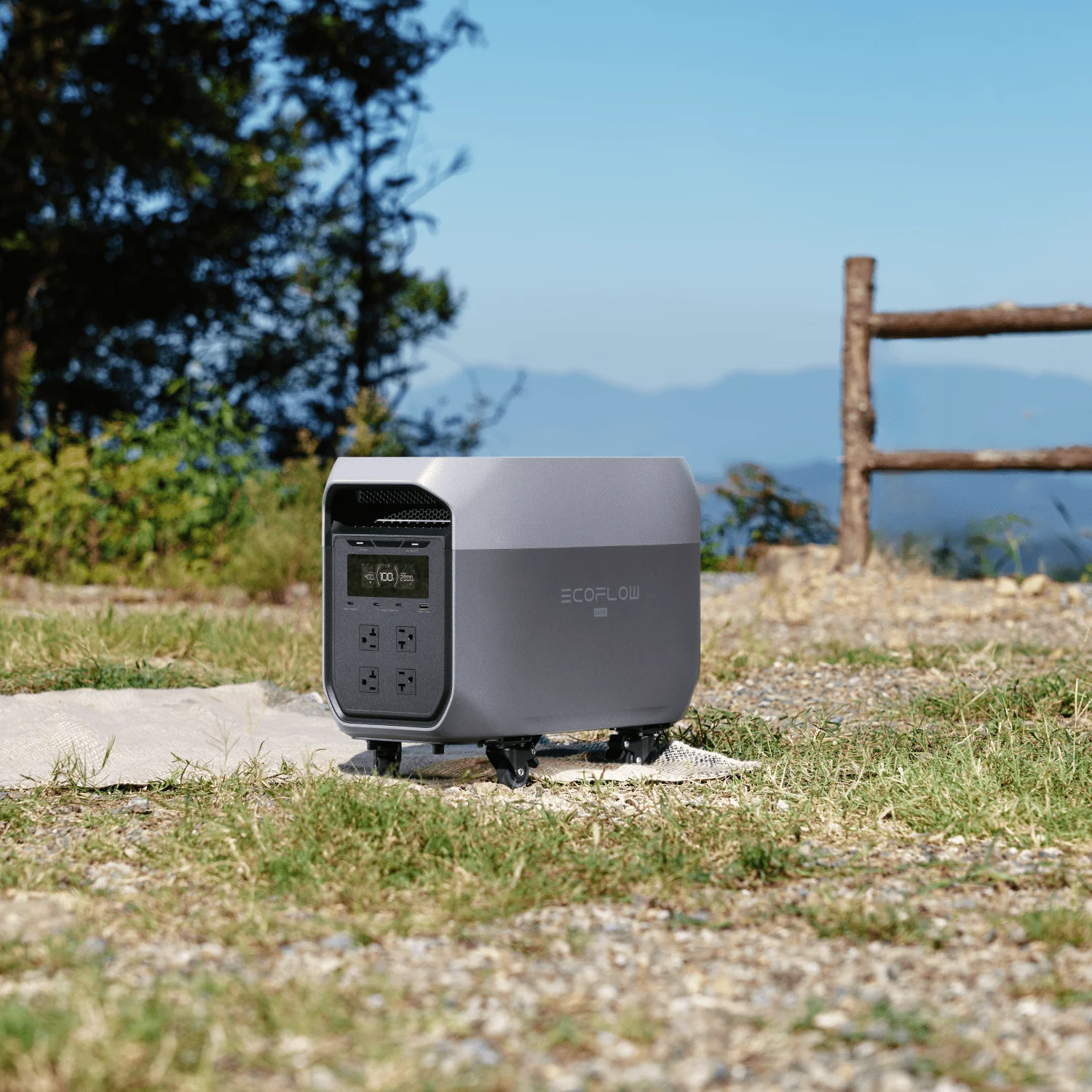
To keep your electronic gear running smoothly during remote off-grid trips, consider a reliable portable power setup. The EcoFlow DELTA 3 Max (2048Wh) + 400W solar panel delivers a powerful 2400W output to run essential campsite equipment such as portable fridges, lighting systems, and communication devices. It features a durable, long-lasting LFP battery, quiet 25dB operation, and fast 68-minute wall charging.
Essential Tools for Digging and Camping Success
Having the right gear prevents injuries and ensures you can safely extract fragile crystals from hard rock layers without breaking them.
Digging and Safety Tools
Rock Hammers: A pointed pick hammer works for chipping away packed dirt, while a chisel-tip hammer splits layered stone.
Chisels and Shovels: Cold steel chisels protect your hands from flying chips. A sharp, full-sized shovel saves your back when moving heavy dirt.
Protective Gear: Wear ANSI-rated safety glasses to protect your eyes, thick leather gloves, and tough, steel-toe boots.
Packing Supplies: Bring plastic buckets, old newspapers or bubble wrap to protect delicate crystal points, and permanent markers with tape to label your finds.
Camping and Field Integration
Offline Navigation: Download satellite maps to your phone before leaving town, as cell service is rarely available at remote dig sites.
Extra Supplies: Bring more fresh water than you think you need, especially in dry deserts or high mountain altitudes.
First Aid: Keep a clean first aid kit packed with sharp tweezers to remove splinters and strong bandages for rock cuts.
Understanding Legal Rules and Outdoor Ethics
Following public land laws ensures that these rock collection areas stay open for future generations to enjoy. Ignorance of the law can lead to expensive fines.
BLM and Forest Service Regulations: Many BLM-managed areas allow personal collection limits of around 25 pounds per day and up to 250 pounds annually, though local restrictions may vary. Selling these rocks commercially is generally prohibited without the appropriate authorization, permit, or mining claim rights.
National Parks and Monuments: Removing any rocks, sand, minerals, or fossils from National Parks is strictly prohibited by federal law for everyday visitors, except for a few rare, site-specific exceptions written into federal regulations. Leave everything exactly where you find it.
State Park Rules: These laws change from state to state. Some parks encourage surface collecting, while others ban all material removal. Always read the posted signs or ask a ranger.
Fossils and Artifacts: You can often collect ancient invertebrate fossils like shells or coral on BLM land. However, vertebrate fossils like dinosaur bones, and historical artifacts like arrowheads or pottery bits, are fully protected by law and must not be touched.
How to Plan and Route a Successful Trip
A little preparation prevents flat tires, empty fuel tanks, and disappointing days in the field. Use these steps to build your travel plan.
Check Seasonal Changes: Target rainy spring months to find freshly washed surface stones, or choose cool autumn months to avoid crowded campgrounds.
Book Campsites Early: Developed state park sites near popular areas like Crater of Diamonds often fill up three to six months in advance.
Watch the Daily Weather: Keep a close eye on the sky. Desert canyons face sudden flash floods, and high Colorado mountains experience dangerous afternoon lightning storms.
Group Your Dig Sites: Save fuel by choosing two or three different collecting spots located within a short drive of each other.
Record Your Finds: Take photos of your crystals sitting in the dirt before you dig them out, and save the GPS coordinates so you can find the exact spot again on future trips.
Grab Your Hammer and Start Your Adventure
Combining rockhounding with camping creates an unforgettable outdoor experience. Public BLM lands offer incredible free access to vast geologic treasures, while private pay-to-dig mines give you an excellent chance of finding premium crystal specimens. Success requires patience, the proper tools, and a deep respect for the public lands you explore.
Staying powered up in these remote, off-grid locations is easy with the EcoFlow DELTA 3 Max (2048Wh) + 400W solar panel. Pick a region that fits your style, check the local weather, secure your campsite, and start planning your outdoor treasure hunt today.
Common Questions About Rockhounding and Camping
Q1: Can I camp directly at the rockhounding dig site?
This depends on who owns the land. You can usually pitch a tent or park an RV right next to dig areas on BLM and National Forest lands. However, state parks and private mines generally require you to stay inside their designated camping boundaries.
Q2: Do I need a permit to collect crystals on public land?
No permit is required for casual, personal collecting of reasonable amounts on most BLM and Forest Service properties. You must verify that the ground is not covered by an active, private mining claim before you begin digging.
Q3: What is the safest time of year to visit Southwest desert sites?
Stick to the spring and fall months. Summer temperatures routinely cross 100°F (38°C), making physical labor dangerous. Spring rains also clean the ground, making shiny stones much easier to see.
Q4: Can I safely bring my children and pets along?
Yes, if you prepare carefully. Children must wear safety goggles and tough shoes to prevent cuts. Pets need protection from sharp rock shards, plenty of fresh drinking water, and careful monitoring for local desert wildlife like rattlesnakes.
Disclaimer: Rules for rockhounding differ across federal, state, and private lands. The information above reflects general federal guidelines and may not apply to all locations. Always confirm with the local BLM field office, U.S. Forest Service ranger district, or state land authority before collecting. This article is for informational purposes only and does not constitute legal advice.
For press requests or interview opportunities, reach out to our media team
media.na@ecoflow.com