Utah Camping Guide 2026: National Parks and Off-Grid Power Setup
- Plan a Mighty 5 Route That Matches Your Camping Style and Power Needs
- Utah Camping Permits, Reservations, and Where You Can Camp Legally
- Build a Realistic Off-Grid Power Budget for RV, Van, or Tent Camping
- Recharge Strategies for Utah’s Sun, Heat, and Limited Hookups
- Choosing a Scalable Power Setup for Utah Basecamps and Long Stays
- Frequently Asked Questions
- Reliable Power for Cooler Nights, Safer Days, and More Time Outside
Utah is home to five of the most stunning national parks in the world, enticing campers from all over to visit them all in a multi-day camping road trip. Pulling off a successful experience in remote terrain, excessive heat, and limited amenities requires careful planning.
This guide provides everything you need to know about camping along the “Mighty 5” route, from understanding camping permits to setting up a reliable off-grid power system.
Plan a Mighty 5 Route That Matches Your Camping Style and Power Needs
Utah’s “Mighty 5” includes the state’s five national parks:
Zion
Bryce Canyon
Capitol Reef
Canyonlands
Arches
These iconic parks and outdoor events can be visited in a loop that maximizes time, allowing you to take in each park’s character. A classic route begins at either Las Vegas or Salt Lake City, then marches through Zion, Bryce Canyon, Capitol Reef, Canyonlands, and Arches in that order, before looping back to a major hub.
Your camping style greatly influences your power needs. Developed campgrounds may have limited access to power, while dispersed sites provide no access to utilities. Providing your own power is essential to making sure your trip isn’t cut short. Large battery banks and solar recharging are especially crucial for those looking to spend multiple nights at each park.
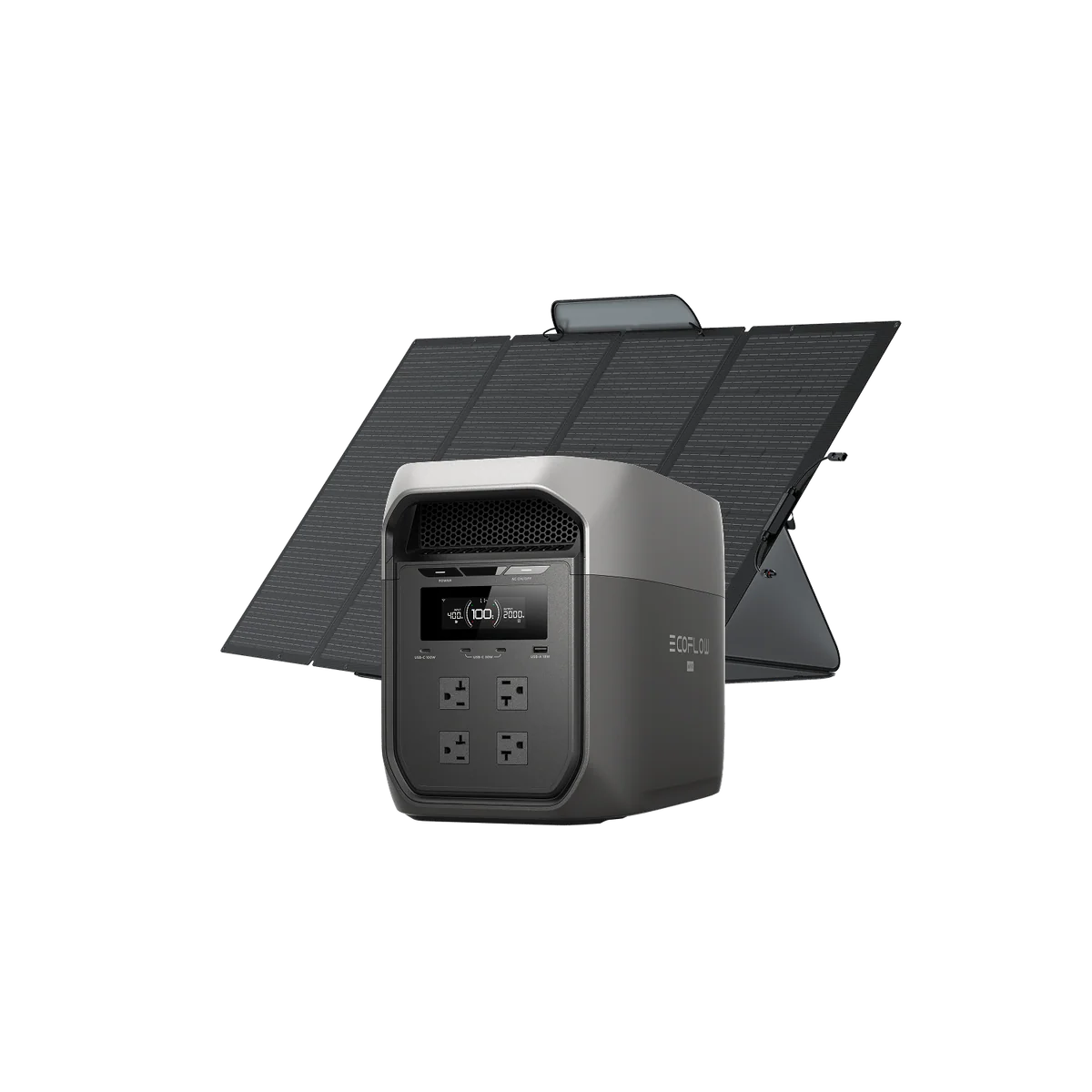
For multi-night stays, a setup like the EcoFlow DELTA 3 Max Solar Generator + 400W Solar Panel gives you enough capacity and recharging power to cover several days without a hookup. It offers a 2048Wh capacity and can support appliances with its powerful 2400W output. Paired with a 400W solar panel, you'll have enough capacity to run essentials.
Utah Camping Permits, Reservations, and Where You Can Camp Legally
Reservations are non-negotiable for Mighty 5 campgrounds, as most of these sites are fully booked months ahead. Backcountry camping in national parks requires permits, and additional permits are required for certain hikes and climbs. No permit is required for most BLM and National Forest dispersed sites, though some popular areas may charge a fee.
While these primitive sites are readily available, there are some rules to follow.
There is a 14-day stay limit in any 28-day period before you must relocate.
Camp at least 100 feet away from water sources and roads, and pack out all waste.
Fire restrictions may be in place, so be sure to check Utah fire information before each stop.
Build a Realistic Off-Grid Power Budget for RV, Van, or Tent Camping
Building an off-grid power budget requires extensive planning. Take inventory of everything you plan to run, its wattage, and how long you plan to run it each day. For example, a 30W fan running for 8 hours a day results in 240Wh per day.
Once you’ve totaled your energy demands in watt-hours (Wh), add a 20–30% buffer to account for inefficiency. Your budget total is the minimum battery capacity needed — it’s always wise to pack more.
Recharge Strategies for Utah’s Sun, Heat, and Limited Hookups
Recharging your batteries is crucial for a Mighty 5 camping route, and because hookups are limited during road trips, it’s best to have reliable backup charging sources.
Vehicle chargers are convenient for emergencies but impractical for long journeys. Instead, solar charging proves the most efficient. Solar panels take advantage of Utah’s long sunny days.
Salt Lake City in Utah averages about 3029 total hours of sun a year, which means a 200W solar panel can deliver up to 1200Wh of power on a single day. This amount is enough to recharge a mid-sized power station in one afternoon.
Position panels toward the south to take advantage of the sun during peak hours and maximize output. Excessive heat can reduce solar panel efficiency, though the abundance of sunlight usually offsets this. Heat can also pose risks to power stations, so charge your batteries in shaded, well-ventilated areas.
Choosing a Scalable Power Setup for Utah Basecamps and Long Stays
Setting up camp in one spot for a few days gives you the chance to recharge and take advantage of peak sun hours. If you’re constantly on the move and can’t take breaks during the day to recharge, you’ll need a battery unit with greater capacity.
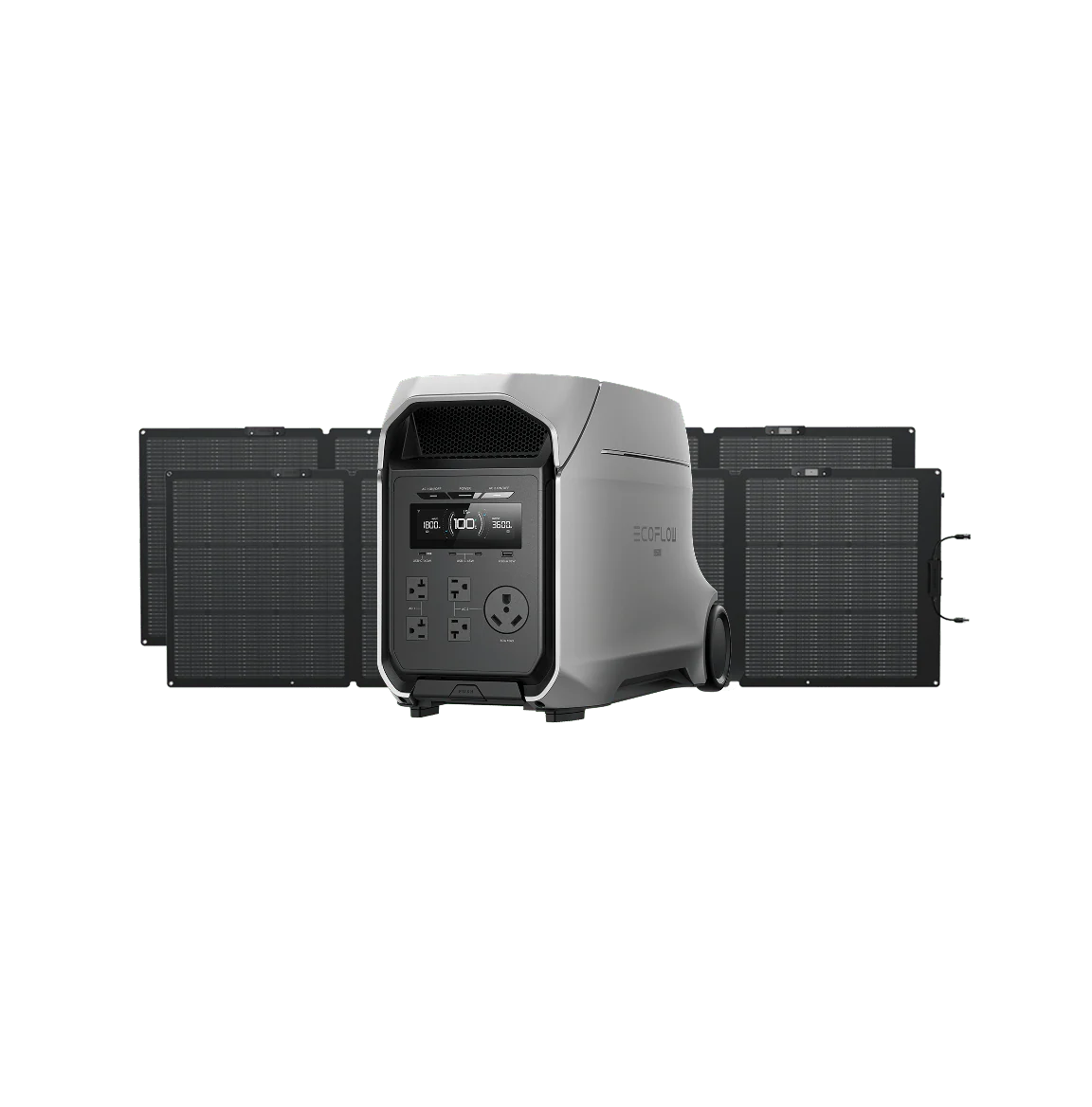
The EcoFlow DELTA 3 Ultra Plus Solar Generator + 2x220W Solar Panels offers a 3kWh base capacity that’s expandable to up to 11 kWh for enough capacity for multiple days of off-grid use. The included 220W panels pair naturally with Utah's generous sun hours, letting you recharge without hunting for hookups.
Frequently Asked Questions
What Size Battery Should I Bring for Multi-Day Utah Camping?
Your battery size should match your daily energy demands. A 1,000Wh battery with a 200W solar panel is typically enough to power essentials for multiple days. However, running appliances for longer than 3 days requires at least 3,000Wh with a 500W panel.
Are Portable Power Stations Allowed in National Parks?
Yes, portable power stations are allowed in national parks and their campgrounds. Unlike gas generators, they produce no fumes and make minimal noise, causing very few disruptions.
Do I Need Permits for Dispersed Camping Near National Parks?
Most BLM and national forest public land requires no permit, though some sites may have fees or quotas. Check the relevant BLM or USFS office website for the area you plan to use before setting up camp.
How Can I Recharge Off-Grid While Visiting Utah’s Mighty 5?
Solar is the most reliable energy source across Utah’s Mighty 5. Set panels out in the morning before exploring the park to return to a fully charged battery by afternoon. A 200–400W panel is enough for most setups, delivering between 1,200–2,400Wh on a typical Utah day; sufficient to fully recharge a mid-sized power station before you return from the trails.
Reliable Power for Cooler Nights, Safer Days, and More Time Outside
Utah’s five iconic national parks make for a thrilling experience. Camping along the “Mighty 5” loop is a rewarding experience but requires equally thorough preparation, from matching your camping style with your campsite to building a reliable off-grid power setup.
Make the most of your time outside with reliable backup power. EcoFlow solar generators offer scalable capacity and rapid recharging to take full advantage of Utah’s long, sunny days.
For press requests or interview opportunities, reach out to our media team
media.na@ecoflow.com