How Much Do RV Parks Cost?
- Quick Reference For RV Park Cost Estimates
- National Average Costs For RV Parks In 2026
- Key Factors That Influence Your Total Parking Expenses
- Hidden Costs And Calculating Your Monthly Utility Budget
- Proven Strategies To Lower Your Annual RV Expenses
- Smart Budgeting For Your Next RV Adventure
- Frequently Asked Questions About RV Park Pricing
Disclaimer: This guide provides general budget estimates based on 2025 and 2026 market trends. It does not constitute professional financial or legal advice. Actual costs will vary significantly based on specific park policies, local regulations, and real-time market fluctuations.
Freedom on the road is great, but those nightly park fees can catch you off guard. In 2026, a spot to pull in might cost $25 or well over $100, depending on where you are. Skipping the math before you leave often leads to a drained bank account halfway through your trip. A little prep now ensures you spend your time enjoying the scenery rather than worrying about the next bill.
Quick Reference For RV Park Cost Estimates
Before we dive into the details, use this summary to estimate your basic site fees. These ranges reflect commonly advertised rates observed across industry reports and campground listings in 2025 and 2026.
Stay Duration | Public / State Parks | Private Campgrounds | Luxury RV Resorts |
|---|---|---|---|
Nightly Rate | $20 – $45 | $55 – $95 | $110 – $250+ |
Weekly Rate | $120 – $260 | $320 – $560 | $680 – $1,500+ |
Monthly Rate | $450 – $850* | $850 – $1,600 | $2,200 – $4,500+ |
*Note: Monthly stays at public parks are rare due to 14-day stay limits. Monthly rates typically exclude metered electricity.
National Average Costs For RV Parks In 2026
Budgeting for your trip requires a clear understanding of what most parks charge today. While prices fluctuate based on many factors, these national averages provide a solid baseline for your financial planning.
Nightly Rates For Private And Public Campgrounds
If you are looking for a quick stay, nightly rates are your primary concern. For public lands like State Parks or National Forests, you can expect to pay between $20 and $45 per night. These sites often provide a beautiful natural setting but may have limited hookups. On the other hand, private RV parks generally charge between $55 and $95 per night. These facilities usually offer consistent amenities like laundry, better Wi-Fi, and full hookups for water, power, and sewer. Luxury sites in prime locations can easily exceed $200 during peak winter months in the Sunbelt.
Weekly Discounts And Savings For Short Stays
Staying for a full week is often more economical than paying night by night. Most private RV parks offer a discounted weekly rate that can save you between 10 percent and 15 percent off the total price. For example, if a park in the Midwest charges $65 per night, a weekly rate might be set at $380 instead of $455. This pricing strategy encourages longer visits and reduces the administrative burden on park staff. It is an attractive option for travelers who want to explore a specific area thoroughly without moving their rig every few days.
Monthly Residency Pricing For Full-Time RVers
For those who plan to stay in one place for thirty days or longer, monthly rates offer the best value. In most parts of the country, monthly rates fall between $850 and $1,600. This price range reflects commonly advertised monthly rates across multiple U.S. regions. It is important to note that while the base rent is lower for monthly stays, many parks will bill you separately for electricity based on your actual usage. These rates can be much higher in coastal California or near popular mountain resorts, where monthly spots are in high demand and often booked a year in advance.
Key Factors That Influence Your Total Parking Expenses
Not every RV site is created equal, and the price you pay often reflects the specific level of service and convenience provided. Understanding these variables helps you decide where to save and where to splurge.
Hookups And Utility Connections Explained
The level of utility service at your site is a major price driver. A Full Hookup site includes water, sewer, and electrical connections, usually offering both 30-amp and 50-amp options. These are the most expensive sites because they provide the highest level of convenience. Partial Hookup sites usually offer only water and electricity. If you choose a Dry Camping or Boondocking site with no hookups at all, you will pay the lowest possible rate. In many cases, these primitive sites can be found for under $15 per night on public land managed by the Bureau of Land Management (BLM).
Geographic Location And Peak Travel Seasons
Where you travel and when you go are perhaps the biggest factors in pricing. RV parks in coastal Florida, Southern California, or right outside the gates of Yellowstone National Park command a premium. Pricing often fluctuates based on demand, seasonality, and local events. Conversely, inland rural areas or parks in the Midwest remain much more affordable. Seasonality also plays a massive role. Summer is peak season for the northern states, while winter brings higher prices to the Sunbelt regions like Arizona and Texas as travelers head south to avoid the snow and freezing temperatures.
Premium Amenities And Resort Features
Modern RV resorts are increasingly looking like high-end vacation spots. Parks that feature heated swimming pools, hot tubs, modern fitness centers, and organized social events will charge a premium. You might also see price differences within the same park based on the site physical location. A site with a waterfront view or a pull-through design that makes parking easier will almost always cost more than a standard back-in site located in the center of the park.
Hidden Costs And Calculating Your Monthly Utility Budget
The advertised nightly rate is rarely the final price you will see on your receipt. Being aware of potential hidden fees and learning how to calculate your own utility needs allows you to create a more accurate budget.
Metered Electricity And Surcharge Logistics
Electricity is a major consideration for long-term stays. While nightly and weekly guests usually have power included in their flat rate, monthly residents are almost always metered. This means you pay for exactly what you consume. Based on typical consumption patterns for a mid-sized motorhome, running two air conditioning units can add $150 to $300 to your monthly bill in hot climates. Some parks may also add a flat utility surcharge during months of extreme weather to cover the increased strain on their electrical infrastructure, even for shorter stays where power is nominally included.
Formula For Estimating Your Monthly Electric Bill
To avoid unexpected costs at the end of the month, you can estimate your usage using this simple formula. Most RV parks charge between $0.14 and $0.22 per kilowatt-hour (kWh), though some may add a small administrative fee.
Identify AC wattage: Usually around 1,500 Watts.
Multiply by hours of use: For example, 10 hours equals 15,000 Watt-hours or 15 kWh.
Multiply daily kWh by 30 days: 15 kWh x 30 equals 450 kWh.
Multiply by the local rate: 450 kWh x $0.18 equals $81.
If you run two AC units for 12 hours a day, your bill will easily double, which explains why the $150 to $300 range is common in the summer months.
Pet Fees And Additional Guest Policies
Most RVers travel with their furry friends, but many parks charge for the privilege. It is common to see a pet fee of $2 to $5 per night, or a flat fee for monthly stays. Additionally, most base rates are calculated for two adults. If you are traveling with a larger family or hosting guests, expect to pay an extra $5 to $10 per person, per night. These small charges can add up quickly over the course of a long vacation if they are not factored into your initial estimates or financial planning.
Proven Strategies To Lower Your Annual RV Expenses
You do not always have to pay the full retail price for a place to park. With a little bit of planning and the right tools, you can significantly reduce your annual camping expenses.
Membership Clubs And Discount Programs
Joining an RV membership club is one of the fastest ways to see a return on your investment. Groups like Good Sam offer a 10 percent discount at thousands of participating parks across North America. For even deeper savings, Passport America commonly advertises discounts of up to 50 percent on nightly rates, though these often come with restrictions like weekday only availability. For a different experience, Harvest Hosts allows you to stay at wineries, farms, and breweries for the cost of a small purchase at the host business, significantly reducing overnight camping costs.
Off-Grid Camping And Public Lands
If you are willing to forego luxury amenities, public lands offer incredible savings. The Bureau of Land Management manages millions of acres where you can park for free or for a very small fee for up to fourteen days at a time. These sites usually offer no hookups, requiring you to be self-sufficient with your own water and power. This off-grid lifestyle allows you to experience some of the most beautiful, untouched landscapes in the country without the high cost of a private resort. It is the ultimate way to stretch a limited travel budget while enjoying nature.
Utilizing Portable Power Solutions For Savings
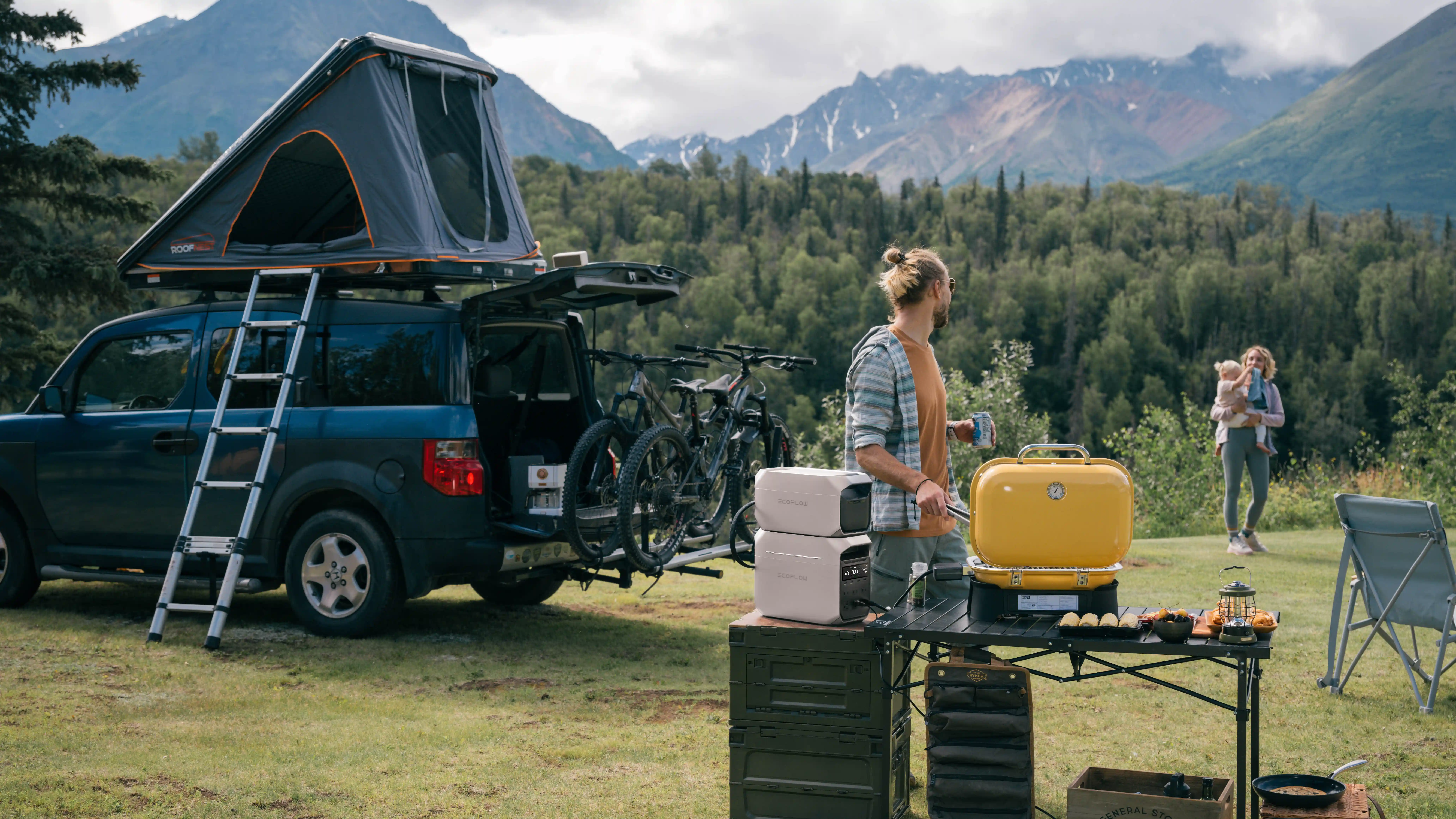
To cut down on park costs, many travelers choose dry camping or primitive sites with limited hookups. The EcoFlow DELTA 3 Plus Portable Power Station paired with a 220W Portable Solar Panel makes that choice easier by combining stored power with solar recharging, so you can keep essential devices and small appliances running without paying extra for full-hookup sites. The DELTA 3 Plus offers a 1024Wh capacity and 1800W AC output, while the 220W solar panel supports off-grid recharging during the day. For RVers trying to stretch their travel budget, this setup helps power phones, lights, laptops, small kitchen appliances, and other daily essentials while staying at more affordable locations. It gives you more flexibility to choose lower-cost campsites without giving up the basic comforts that make a trip manageable.
Smart Budgeting For Your Next RV Adventure
Managing your RV park costs does not have to be a headache. Whether you are aiming for a luxury resort or a simple gravel pad, having these numbers in your back pocket makes planning much easier. Start by comparing a few parks in your next destination to see how those weekly discounts stack up against your total budget. Your pricing research is done, so go ahead and book that first site. The open road is much better when you know exactly what you are paying for.
Frequently Asked Questions About RV Park Pricing
Q1: How Much Does It Cost To Stay In An RV Park For A Month?
On average, a monthly stay will cost between $850 and $1,600. If you choose a park in a rural area with basic amenities, you might find spots as low as $600. However, in popular tourist destinations or luxury resorts, you can expect to pay $2,500 or more. Remember that for most monthly stays, you will also be responsible for paying your own electricity bill, which is typically metered and billed at the end of your stay. Locations in high-demand states like Florida during the winter can see prices jump significantly.
Q2: Is It Cheaper To Live In An RV Or A House?
Generally, living in an RV can be cheaper than traditional housing, but it depends entirely on your lifestyle choices. While you avoid property taxes and high mortgages, you must account for site fees, fuel, insurance, and regular maintenance. A person boondocking on public land will save significantly more than someone staying in high-end resorts. If you manage your travel distances and choose affordable parks, the monthly cost of RV living is often much lower than the rent or mortgage in a major city.
Q3: Why Are RV Park Prices Increasing?
Several factors contribute to rising costs, including the massive surge in RV ownership over the last few years. As demand for sites increases, parks have raised prices to manage capacity. Additionally, many older campgrounds are being bought by large corporations that invest in upgrades like better Wi-Fi and pools, which leads to higher nightly rates. Increased costs for labor, property insurance, and utility maintenance also force park owners to adjust their pricing to remain profitable in a competitive market.
Q4: Do RV Parks Include Electricity In The Price?
For nightly and weekly stays, electricity is almost always included in the flat rate you pay at check-in. You can run your appliances and air conditioning without worrying about a separate bill. However, for monthly or long-term stays, the majority of parks will charge you for electricity separately. They will read your meter when you arrive and again when you leave, billing you based on the kilowatt-hours used. Always confirm the park policy before you book a long-term site to avoid surprises.
Q5: Can You Live In An RV Park Year-Round?
Yes, many parks allow for year-round living, but not all of them do. Some parks have length of stay limits, such as 21 or 30 days, to ensure they remain recreational facilities rather than permanent housing. Parks that do allow year-round residents often have a specific section of the park dedicated to long-term stays. You may also find that in northern climates, many parks shut down their water systems or close entirely during the winter months to prevent pipes from freezing.
For press requests or interview opportunities, reach out to our media team
media.na@ecoflow.com