Can You Camp on BLM Land? Rules, Locations, and Tips for 2026
Free, flexible, and spread across millions of acres, BLM (Bureau of Land Management) camping lets you sleep almost anywhere without a reservation. The Bureau of Land Management oversees roughly 245 million acres across the western United States. Much of it welcomes campers year-round.
What BLM Camping Means and Why People Love It
BLM land camping refers to camping on land managed by the Bureau of Land Management, a federal agency under the U.S. Department of the Interior. Its territory stretches across western states including Nevada, Utah, Arizona, Colorado, Idaho, and Montana.
What the BLM Actually Manages
The BLM does not manage parks or forests. It oversees working public land, which includes open desert, grasslands, canyon terrain, and mountain foothills. This land is used for grazing, mining, recreation, and conservation simultaneously. Campers share it with ranchers, wildlife, and sometimes active resource operations.
Dispersed vs. Designated Sites
BLM land offers two camping styles. Dispersed camping means you set up in an undeveloped area with no facilities. Designated camping uses an established site that may include fire rings, vault toilets, or a fee station.
Most people asking "what is BLM camping" have the dispersed version in mind. That is the style with no reservation system and, in most cases, no fees.
Who It Works Best For
BLM camping suits people who are comfortable being self-sufficient. There is no ranger dropping by to check on you, no camp store, and often no cell service. If you carry what you need and leave cleanly, it is one of the most rewarding ways to spend time outdoors.
Where to Find BLM Land for Camping
Moving from what BLM camping is to where it exists, the answer is almost exclusively the American West. Nevada has roughly 67% of its total land managed by the BLM. Utah, Wyoming, Idaho, Arizona, and California each offer enormous stretches as well.
The BLM's website and field office maps are the most reliable starting points. Many campers overlay BLM boundaries on satellite maps using GPS apps to scout sites before they leave home.
Confirming a Spot Is Legal
When camping on BLM land, you generally need to stay at least 200 feet from water sources, roads, and trails when setting up a dispersed site. Closed areas, wilderness study zones, and land under active mining or grazing permits are off-limits. A quick call to the local BLM field office before you arrive can clear up any uncertainty fast.
States With the Most Access
| State | BLM Acres (approx.) | What to Expect |
| Nevada | 48 million | Desert basins, wide open terrain |
| Utah | 22 million | Canyons, red rock, high desert |
| Arizona | 12 million | Warm winters, popular for long stays |
| Colorado | 8 million | Mountains, foothills, sage flats |
| Idaho | 12 million | Rivers, forests, open plains |
Rules That Apply to BLM Camping
Now that you know where to go, it helps to know the rules that come with it. Federal regulations apply across all BLM-managed land, and local field offices can add restrictions on top.
Stay Limits
The standard limit for dispersed camping is 14 consecutive days within any single area during a 28-day period. After 14 days, you must relocate at least 25 miles away before returning. Some high-use zones enforce shorter limits. Checking in advance with the relevant field office is the simplest way to avoid a problem.
Fire Restrictions
Fire rules shift with the seasons and can change quickly. Campfires may be restricted or fully banned during dry periods across much of the West. Always verify current restrictions through the BLM website or local field office before lighting anything. A fire during an active restriction can result in fines and, in serious cases, criminal charges.
Vehicle Access
Motorized vehicles must stay on designated roads and routes. Driving off designated paths to reach a campsite is not allowed unless that route is specifically marked for vehicle use. The BLM publishes travel management maps for most areas that show which routes are open to which vehicle types.
Leave No Trace on BLM Land
With no maintenance crews or regular site checks, BLM campers carry full responsibility for how they leave each site. The standard is simple: leave it as you found it, or better.
Pack Everything Out
Every item you bring in must leave with you. This includes food scraps, packaging, grey water, and human waste in areas without facilities. Many experienced BLM campers carry a WAG bag system when they are well beyond the reach of any toilet.
Protect the Ground
Desert terrain often features cryptobiotic soil crust, a dark, bumpy surface layer that can take decades to recover from a single footstep. Stick to gravel, sand, rock, or already-disturbed ground whenever possible when choosing where to walk and camp.
Powering Your Camp Without a Hookup
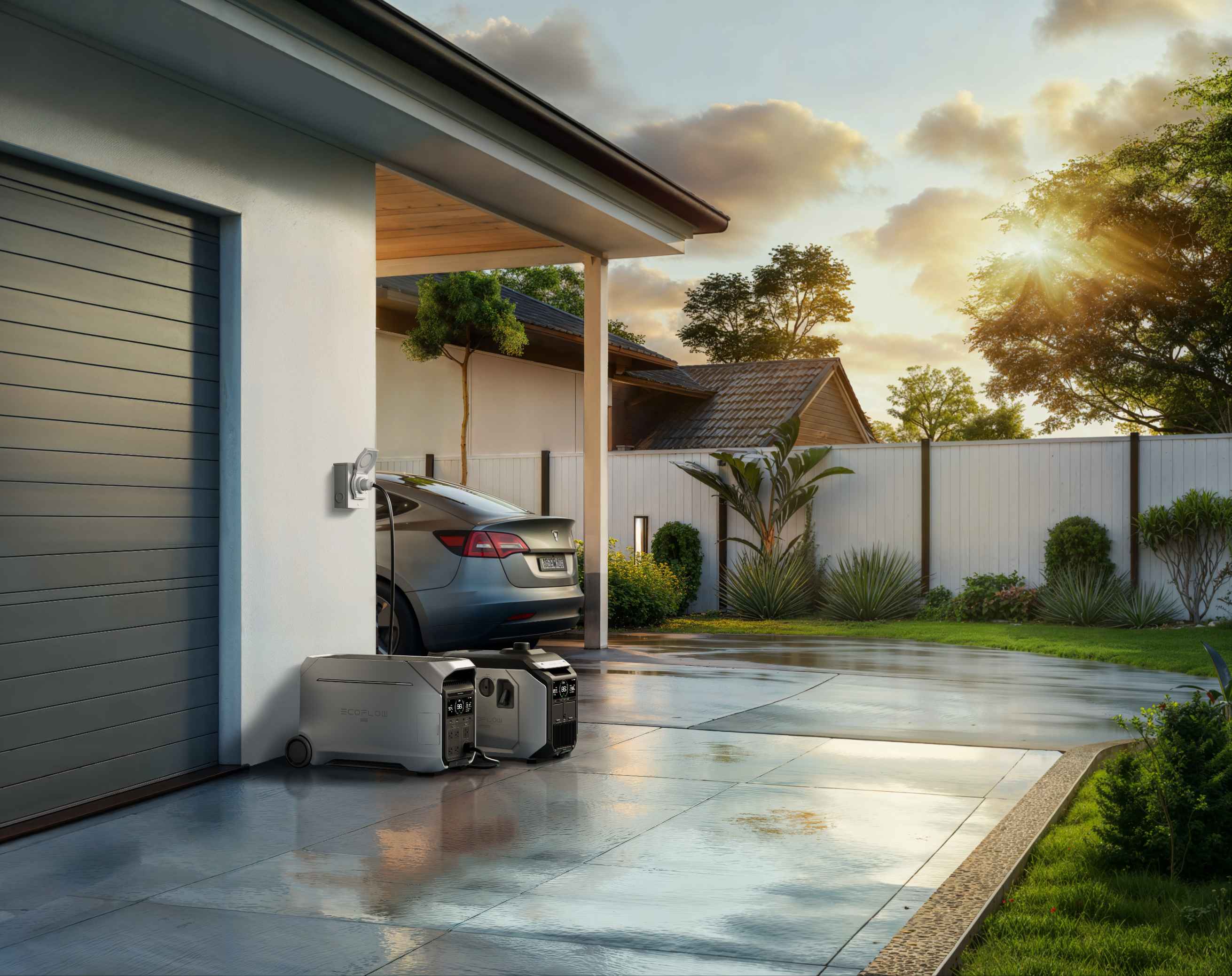
One of the most practical challenges in BLM land camping is electricity. Dispersed sites have no hookups. Portable power stations paired with solar panels have made this manageable for most campers, and the western states where BLM land is concentrated tend to offer consistent sun even in cooler months.
For a weekend or multi-night trip, the EcoFlow DELTA 3 Max Solar Generator covers most needs well. It comes bundled with a 220W solar panel, holds 2048Wh, and puts out 2400W of AC power. It weighs 20.3 kg and runs quietly at 25dB under load.
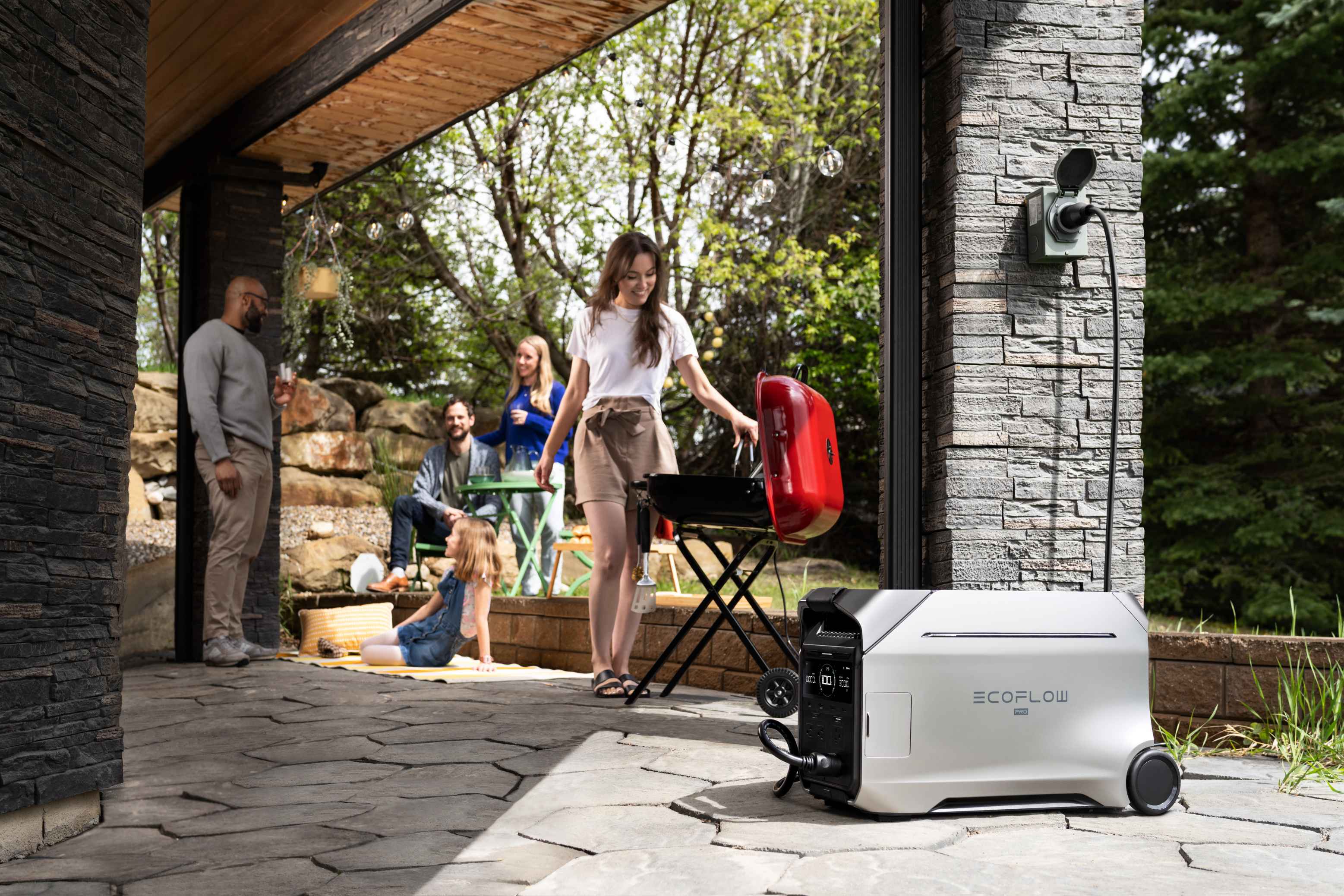
For longer stays or heavier loads, the EcoFlow DELTA Pro 3 offers considerably more range. It carries 4096Wh, supports 4000W output across both 120V and 240V, and accepts up to 2600W of solar input. Notably, it comes with a 400W solar panel, providing more efficient charging in sunny conditions. The capacity can expand further with additional batteries if you are planning an extended off-grid stay.
Both units use LFP cells and come with a 5-year warranty.
Fees, Permits, and What to Expect
Dispersed camping on BLM lands is usually free. For instance, a dispersed campout of less than 14 days doesn’t require a permit. Certain recreational campsites that have facilities will require payment based on per day basis.
Another thing to know about camping at BLM sites is the long-term visitor area (LTVA) permits which are mostly sold in the Southwest. This allows you to camp for months from September to April for a flat seasonal price. One such desert area where this is popularly done is around Quartzsite in Arizona.
Start Planning Your BLM Trip
Camping on BLM land offers some of the most economical, vast, and easily accessible public lands. The regulations are straightforward, the land is open, and the solitude is unparalleled. Before embarking on a trip to a BLM camping site, it is best to check the BLM website, be mindful of the 14-day limit, and leave each site exactly as you found it.
FAQs
Q1: Can You Camp on BLM Land for Free?
Yes, almost all dispersed BLM camping is free. In addition, you don’t have to pay a fee to enter the area and camp on a site with no facilities or designated camping spots. Managed sites with facilities usually charge nightly fees for use. However, most of the BLM land available in the western states can be accessed without paying any fees.
Q2: How Long Can You Stay in One Spot on BLM Land?
Most BLM camping grounds follow the 14-day rule. After spending 14 days in a particular spot, you have to move at least 25 miles away from your current location. However, after another 28 days, you will be able to return to your camping area. Although there are some areas that have a shorter limit, it is wise to contact the local field office for confirmation.
Q3: Do You Need a Permit for BLM Land Camping?
It isn’t necessary to obtain permits for BLM camping. There are only a few situations where you will have to secure a permit. These include some highly-used camping grounds, wilderness areas with limited access, and campsites in the southwestern part of the country.
Q4: What States Have the Best BLM Camping?
There are several states in the USA with great BLM camping spots. Nevada has the largest number of BLM acres, and Utah features amazing canyon and desert landscapes. Arizona is preferred by many campers during winter because of the mild temperature and flat landscape.
Q5: Is BLM Camping Safe?
Camping on BLM land is relatively safe if you are well prepared for the adventure. Since most BLM camping sites are remote, it could take some time for emergency services to reach you. For that reason, it is advisable to pack first-aid supplies, a satellite messenger, and an extra amount of water. Most safety concerns are associated with lack of proper preparation.
For press requests or interview opportunities, reach out to our media team
media.na@ecoflow.com