How to Power Your Food Truck Off-Grid with Solar
- Why Consider Off-Grid Solar for Your Food Truck?
- How Much Power Does Your Food Truck Actually Need?
- What Equipment Do You Need for an Off-Grid Solar Setup?
- How Do You Size Your Solar Panels and Battery Capacity?
- Should You Choose a Portable or Permanent Solar Setup?
- How Do You Keep Your Food Truck Powered on Cloudy Days or Long Shifts?
- Frequently Asked Questions
- Off-Grid Solar Power Keeps Your Food Truck Running Reliably Anywhere
Running a food truck without a reliable generator hookup means finding another way to keep your fridge cold and your equipment running all day. Solar power offers a much quieter, cleaner option for vendors who work festivals, markets, and remote locations where fuel isn't always easy to find or haul.
Why Consider Off-Grid Solar for Your Food Truck?
Generator fuel adds up fast, and a loud engine running outside your service window isn't great for customers standing in line.
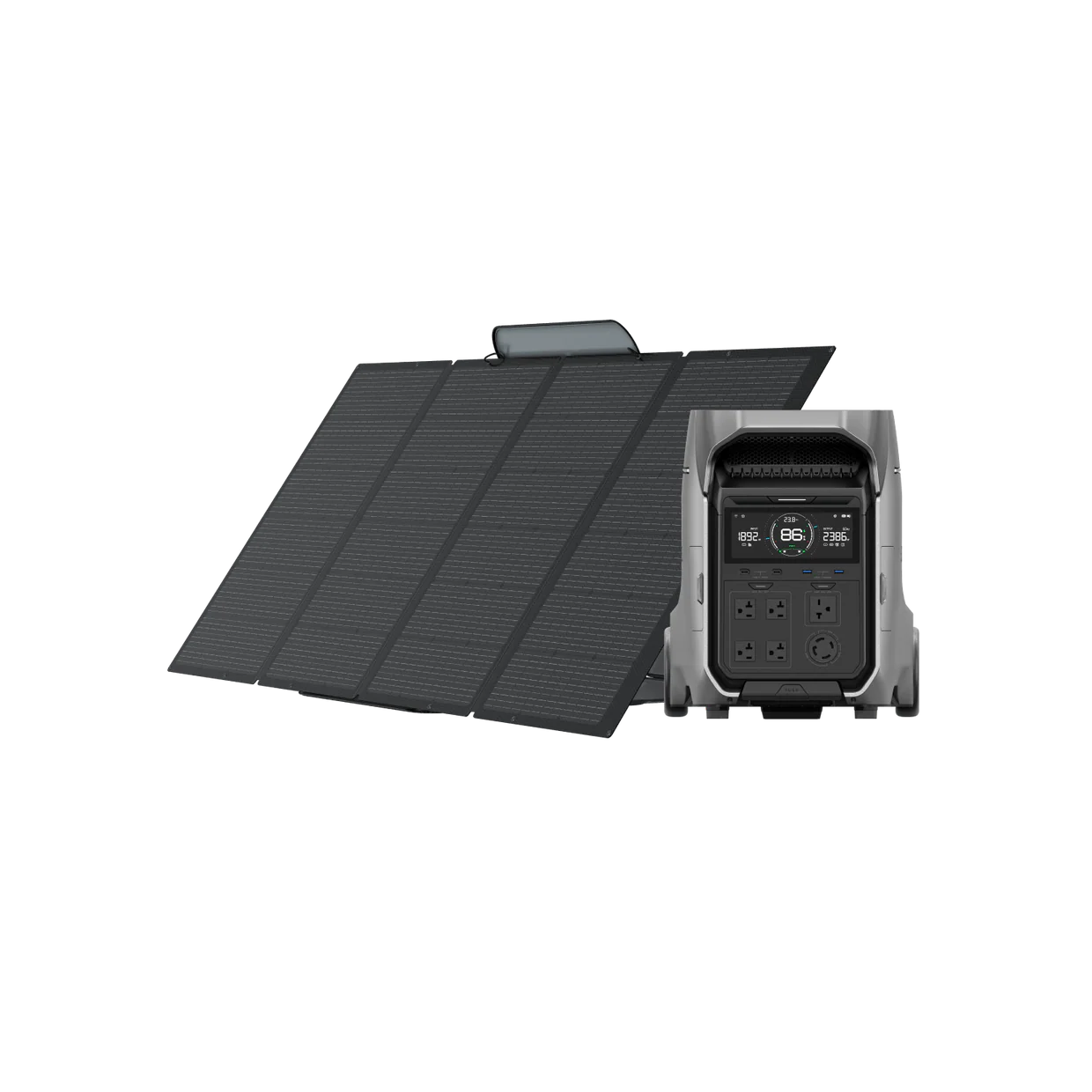
Mounting solar panels on a food truck is more workable than most vendors expect, letting you charge quietly during the day and draw power at night without refueling or listening to an engine idle between orders. An EcoFlow DELTA Pro 3 + 400W Solar Panel setup, for example, pairs a battery with foldable panels sized for exactly that use case.
Solar also holds up better against rising fuel prices, which have made gas costs a persistent line-item concern for mobile food businesses. Once your panels and battery are paid for, your daily power cost drops to whatever sunlight you can capture.
How Much Power Does Your Food Truck Actually Need?
Start by adding up the wattage of everything you run at once: griddles, fryers, refrigeration, blenders, and lighting. A single commercial refrigerator can draw several hundred watts on its own, and food trucks running multiple appliances simultaneously often need 4kW to 30kW to keep everything going during a rush.
Write down the wattage for each device, note how many hours a day it runs, and multiply the two to get your daily watt-hour need. This number tells you how large a battery and how many solar panels your setup actually requires, rather than guessing and running short mid-shift.
What Equipment Do You Need for an Off-Grid Solar Setup?
A working off-grid system for a food truck comes down to four core parts.
Solar Panels
Panels convert sunlight into usable charge for your battery. Portable, foldable panels are easiest to reposition throughout the day as the sun moves, which matters if your truck is parked in one spot for hours.
Portable Power Station or Power Kit
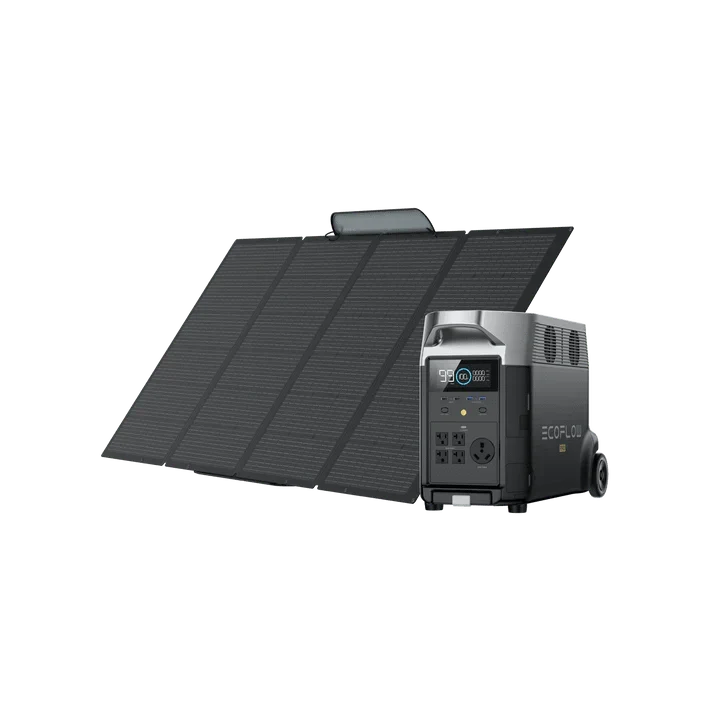
Your power station stores the energy your panels collect and delivers it to your equipment. The EcoFlow DELTA Pro + 400W Solar Panel pairs a high-capacity battery with enough outlets to run several appliances at once, which suits a truck juggling refrigeration and cooking equipment on the same circuit.
Inverter and Charge Controller
Most portable power stations include both built in, so you're not sourcing and wiring separate components. The charge controller regulates how power flows from your panels into the battery, and the inverter converts stored DC power into the AC power your kitchen equipment expects.
Battery Storage
Battery capacity, measured in watt-hours, determines how long you can run equipment without direct sun. A larger battery bank buys you more flexibility on cloudy days or when you're parked somewhere with limited sun exposure.
How Do You Size Your Solar Panels and Battery Capacity?
Match your battery's watt-hour capacity to your daily power need, then add a buffer for cloudy days or unexpectedly long shifts. If your equipment draws 3kWh per day, a battery rated well above that gives you a cushion instead of running you down to zero every night.
For solar panel wattage, count on roughly 4 to 6 peak sun hours in most regions. Divide your daily watt-hour need by that number to estimate how many panel watts you need to fully recharge during daylight.
Should You Choose a Portable or Permanent Solar Setup?
Portable panels and power stations make sense if you move between locations often or want the option to pull your system for other uses, like camping or emergency backup at home. They also make servicing and replacing components simpler since nothing is hardwired into the truck.
A permanent, roof-mounted setup suits vendors parked in the same spot for extended stretches, since fixed panels stay angled toward the sun without daily setup. The tradeoff is less flexibility if you change routes or need to free up roof space for venting or other equipment.
If fuel power still makes more sense for your route or budget, choosing the right generator for a food truck and comparing the best generators built for food trucks on wattage, noise rating, and runtime is worth doing before you commit.
How Do You Keep Your Food Truck Powered on Cloudy Days or Long Shifts?
Build in backup capacity beyond your minimum daily need so a string of overcast days doesn't leave you scrambling mid-service. Charging your battery fully overnight from shore power, when available, gives you a head start before the sun even comes up.
Rotating or repositioning panels throughout the day captures more sunlight than a fixed angle, especially during shorter winter days.
Frequently Asked Questions
Can Solar Power Run a Refrigerator or Freezer in a Food Truck?
Yes, as long as your battery and panels are sized to cover the appliance's daily watt-hour draw. Refrigerators and freezers cycle on and off rather than running constantly, so their average power use is lower than their rated wattage. A properly sized battery bank can keep them cold through a full shift, including overnight if needed.
How Much Does It Cost to Convert a Food Truck to Solar?
Costs vary widely based on your power needs, ranging from a few hundred dollars for a small panel and portable station to several thousand for a high-capacity system covering heavy cooking equipment. Your total depends on battery capacity, panel wattage, and whether you choose a portable or permanently mounted setup.
Off-Grid Solar Power Keeps Your Food Truck Running Reliably Anywhere
Sizing your system around your actual appliance load, not a rough guess, is what separates a food truck that runs smoothly all shift from one caught short during a lunch rush. Once you know your daily watt-hour need, matching panels and battery capacity becomes straightforward.
For vendors ready to build that setup, the EcoFlow DELTA Pro 3 + 400W Solar Panel offers the capacity and solar input to keep a full kitchen line running through a long service day.
For press requests or interview opportunities, reach out to our media team
media.na@ecoflow.com