How to Choose the Best Generator for a Food Truck (Propane, Gas & Battery Options)
- Why Choosing the Right Generator Matters for Food Trucks
- Understanding Your Food Truck Power Needs
- Types of Generators for Food Trucks
- Key Factors to Consider When Choosing a Generator
- Benefits of Battery-Powered Generators for Food Trucks
- EcoFlow Portable Power Solutions for Food Trucks
- Gas vs. Propane vs. Battery Generators: Which Is Best?
- Frequently Asked Questions
- Choosing a Reliable Power Solution for Your Food Truck
Choosing the right generator can make or break a food truck business. From powering high-wattage kitchen appliances to protecting sensitive POS systems, your energy system must be reliable, efficient, and suited to your setup.
Understanding the differences between gas, propane, and battery-powered models can help you avoid downtime and unnecessary costs while creating a better customer experience.
Why Choosing the Right Generator Matters for Food Trucks
Your generator is arguably the backbone of your food truck business. It powers everything from refrigerators to digital menu boards, and if it stops, your whole business stops.
A reliable, high-capacity power system helps your business carry on operating without interruption, even when things get crazy busy.
Understanding Your Food Truck Power Needs
Food trucks need a lot of power for refrigerators and freezers, and especially for high-energy devices like grills and fryers.
However, you also need clean power free of harmonic distortions so you can run sensitive electronics like POS devices without damaging them.
Fortunately, battery-operated whole-home backup power solutions produce clean energy to safely run both heavy-duty appliances and sensitive electronics.
Types of Generators for Food Trucks
Gas Generators
While gas is the traditional choice, the fuel has a short shelf life and gums up carburetors as it breaks down.
They need frequent expensive refills and regular maintenance, and some conventional generators may produce less stable power compared to battery systems. They’re also very loud and can produce smelly emissions.
Propane Generators
Propane has a longer shelf life, produces fewer emissions, and requires less maintenance than gas, and you can share the tanks you use for cooking.
They still generate noise and emissions, though typically less than gasoline models, and require space for safe fuel storage.
Battery-Powered (Solar) Generators
Battery-powered systems eliminate the need for fuel storage, operate quietly, and produce stable electricity suitable for both appliances and sensitive electronics. When paired with solar panels, they can provide a renewable energy source for daily operation.
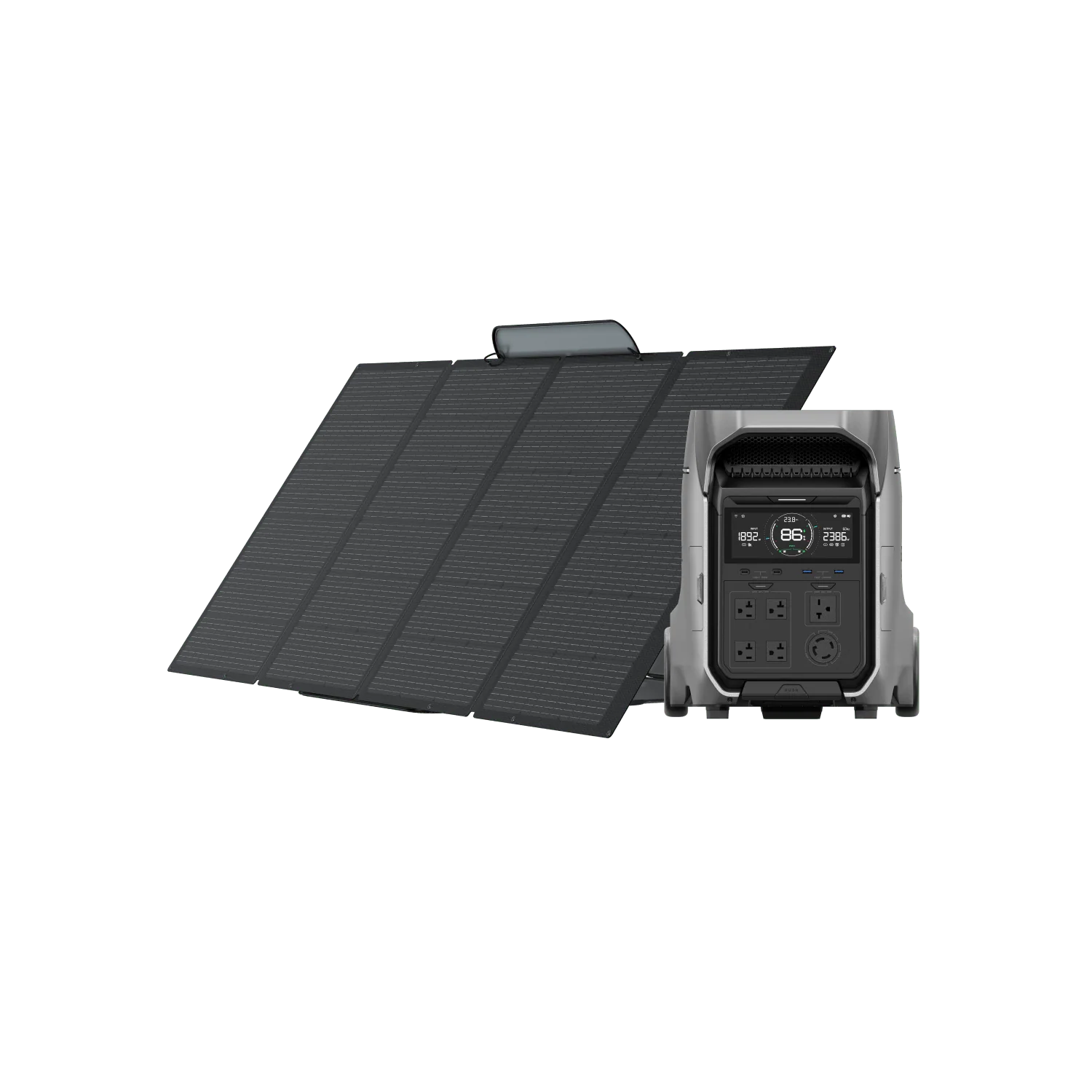
For mobile business use, high-capacity portable systems like the EcoFlow DELTA Pro 3 + 400W Solar Panel are designed to handle demanding loads while remaining suitable for transport and setup in a food truck environment.
Key Factors to Consider When Choosing a Generator
Capacity
Capacity in watt-hours (Wh) determines your supply.
If you don’t know how much you need, list all your appliances and their running watts. Multiply the wattages by how long it runs each day to get watt-hours. Add those watt-hours up to get your absolute minimum capacity.
Fuel Type
Next, decide whether you want to pack gasoline or propane, or if you want to go fuel-free and use a battery instead.
Noise Level
Many public locations have noise bylaws that won’t allow traditional generators or require special permits.
Gas models can run up to 80dB. For comparison, noises above 85dB may cause hearing loss.
Battery-powered options operate below 35dB, just above a whisper.
Size and Portability
Consider your available space for fuels and generators and their portability. Even battery-operated whole home generators can come with wheels and handles to make them easy to move.
Benefits of Battery-Powered Generators for Food Trucks
No fuel storage or refilling required
Quiet operation that improves customer experience
Stable power for both appliances and electronics
Flexible setup with AC plugs, USB ports, and DC sockets for different locations
Potential to reduce long-term fuel costs with food truck solar charging
EcoFlow Portable Power Solutions for Food Trucks
For food truck applications, systems such as the EcoFlow DELTA Pro 3 + 400W Solar Panel provide high output and flexible operation while reducing reliance on fuel. They’re well-suited for running multiple appliances and maintaining consistent service during those peak lunch or dinner hours.
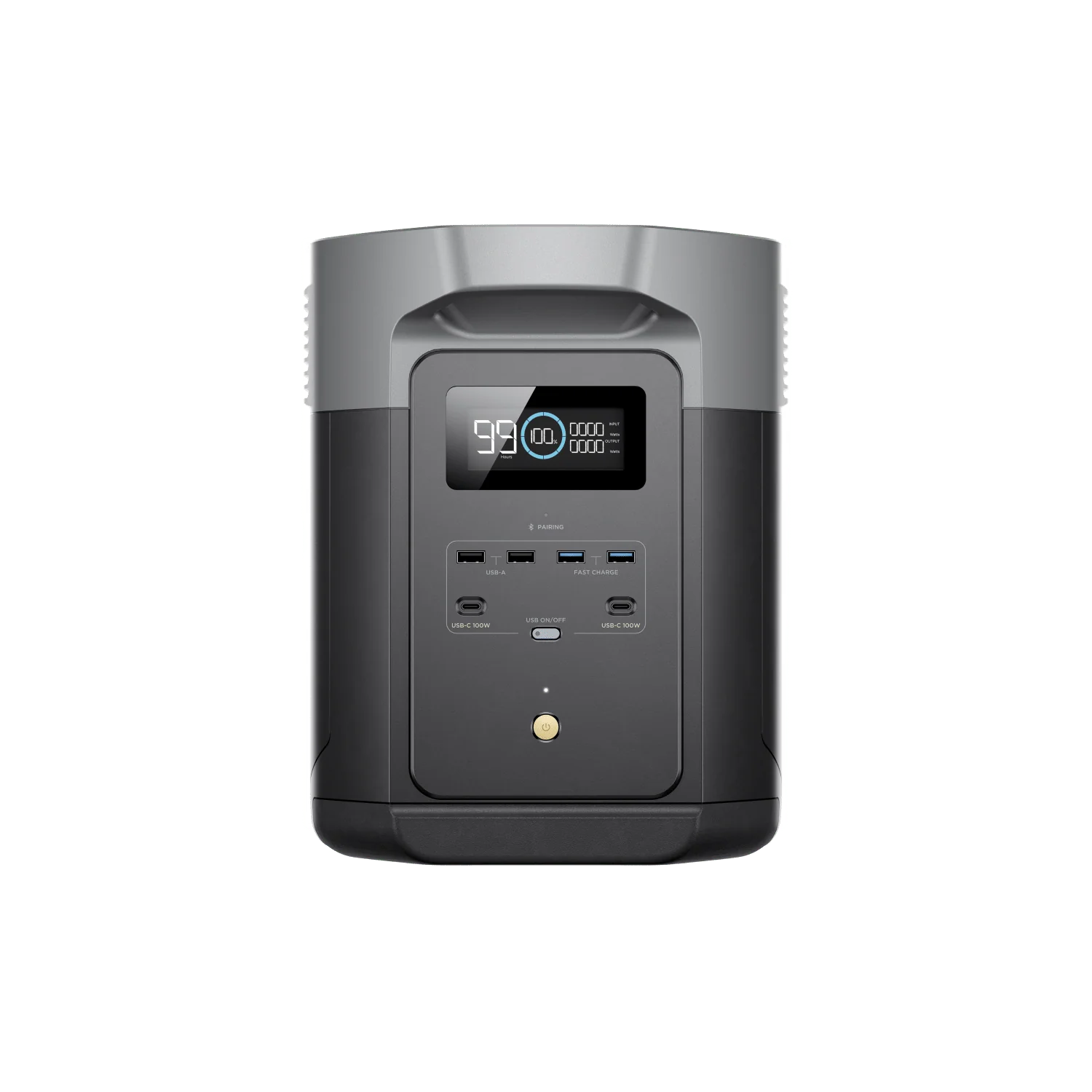
For smaller or supplemental setups, mid-range options like the EcoFlow DELTA 2 Max can support lighter loads or act as backup systems for critical devices.
Gas vs. Propane vs. Battery Generators: Which Is Best?
The primary issues with propane and gas generators are noise, emissions, and safety concerns, which may annoy customers or violate bylaws. They also produce dirty energy that can damage sensitive electronics.
This is why battery generators are now preferred. They operate just above a whisper, produce safe, clean power, and generate zero emissions.
Frequently Asked Questions
What Size Generator Do I Need for a Food Truck?
The size varies between about 1,000–10,000Wh, depending on your appliances. List your appliances and their wattage, and multiply each by how many hours a day it runs. Then add up those watt-hours to determine your minimum requirements.
Are Battery-Powered Generators Powerful Enough for Food Trucks?
Modern battery-powered systems come in a range of capacities and can support essential operations for extended periods, depending on energy use and system size.
Is Propane or Gas Better for a Food Truck Generator?
Gas and propane generators are loud and produce emissions and odors that can interfere with customer comfort. The best choice is an ultra-quiet, emission- and odor-free solar-powered battery storage system.
Can You Use Solar Panels on a Food Truck?
Yes, solar panels work exceptionally well on food trucks because they are silent and produce no emissions, offering a better dining experience.
Choosing a Reliable Power Solution for Your Food Truck
The best generator for your food truck comes down to balancing power needs, reliability, noise, emissions, and long-term operating costs.
While gas and propane generators remain viable options, battery-powered systems paired with solar panels offer a quieter, lower-maintenance alternative that many operators will benefit from.
Explore solutions like the EcoFlow DELTA Pro 3, which provides a strong balance of output and flexibility for mobile food truck operations.
For press requests or interview opportunities, reach out to our media team
media.na@ecoflow.com