Places to Camp in the Outer Banks Worth Knowing
Over 3 million people visit the Outer Banks every year, and Cape Hatteras National Seashore pulled in close to 1.2 million of them in just the first six months of 2023 alone. Most come for the same reasons: 100-plus miles of barrier islands, wild horses wandering the dunes, a pace noticeably slower than the mainland beaches sitting right across the sound.
What counts as the right spot really depends on what you're after. Some people want the tent flap open to the surf. Others need an RV pad with hookups and a pool nearby for the kids. A portable power station matters more on this stretch of coast than it does in most places - salt air isn't gentle on gear that wasn't built to handle it. Something like the DELTA 3 Plus for shorter stays or the DELTA 3 Ultra Plus with a 220W solar panel for longer multi-day trips is worth having sorted before you arrive. What follows covers the main campgrounds, the rougher options for people who actually want those, and what's worth throwing in the car before you leave.
What Makes the Outer Banks Good for Camping
The Outer Banks runs differently from most coastal camping. Narrow islands, ocean on one side, sound on the other, and enough coastline that two trips here can feel nothing alike.
The Geography of the Outer Banks
A chain of narrow barrier islands with the Atlantic on one side and calmer sound water on the other. Sound-side sites run quieter and work better for kayaking. Ocean-side puts the surf right at your door. Over 100 miles of coastline means a lot of very different trips are possible within the same general area.
Best Time of Year to Camp Here
Hurricane season stretches June through November, with the real risk piling up in late summer and fall. Spring and early fall are, honestly, the better window for most people, with milder air and a lot less company. Summer wins on water temperature but loses on everything else: more visitors, tighter campground availability, longer lines at the boat ramp.
Top Campgrounds on the Outer Banks
A quick lay of the land before getting into specifics. EcoFlow's guide to camping in North Carolina is worth a look too if you're weighing spots beyond just this stretch of coast.
Cape Hatteras National Seashore Campgrounds
Oceanfront sites at Oregon Inlet, Cape Point, Frisco, and Ocracoke, all under National Park Service management. Book ahead for summer. Sites here go fast, sometimes weeks out once the season picks up. Utility hookups are limited: NPS currently lists them at 47 sites at Oregon Inlet, while Cape Point, Frisco, and Ocracoke have no hookups.
%20(1).png)
%20(1).png)
Cape Lookout National Seashore
Ferry-only access, which adds a planning step most campgrounds skip entirely. There's nothing developed here either. Pack in, pack out, full stop. It suits campers who are actually comfortable being self-sufficient for days at a time, not just people who like the idea of it.
.PNG)
.PNG)
Beach Camping and Backcountry Options
The Outer Banks runs differently from most coastal camping. Narrow islands, ocean on one side, sound on the other, and enough coastline that two trips here can feel nothing alike.
Where Beach Camping Is Actually Allowed
Permitted zones move around by season - shorebirds and sea turtles nest here, and the rules protect them. Rules vary by location. At Cape Lookout National Seashore, primitive camping generally does not require a permit, although overnight groups of 25 or more need a Special Use Permit. Other beaches and protected areas can have different restrictions, so check the current rules for the exact location.
What Backcountry Camping Requires
No hookups, no potable water in most spots, no trash pickup. Whatever comes in has to go back out, and in some zones that includes human waste. Low-profile tents hold up far better against the wind and blowing sand out here than the tall dome tents that are perfectly fine further inland.
Family-Friendly Campgrounds With Amenities
Not every Outer Banks trip is about roughing it. For families with young kids, or anyone who just wants a shower and a full hookup at the end of the day, there are solid options that don't require packing like you're going off-grid.
Campgrounds With Hookups and Facilities
Private campgrounds around Nags Head and Kill Devil Hills run full electric and water hookups for anyone not interested in roughing it. Pools, showers, and camp stores on site make a real difference once young kids are part of the trip.
We also have guides on how many solar panels you need for an RV and how to install solar panels on an RV, worth reading ahead of time if the RV's coming along.
Nearby Attractions for Families
The Wright Brothers National Memorial sits just outside Kill Devil Hills. The North Carolina Aquarium on Roanoke Island isn't far either. Historic lighthouses, Cape Hatteras and Bodie Island included, open for climbing seasonally when the schedule lines up right.
Powering Your Campsite on the Outer Banks
Make sure you have these beach camping essentials that will help you stay powered and comfortable during your stay at the Outer Banks.
Why Battery Power Beats a Generator on the Coast
No fuel fumes and much quieter operation than a gas generator, especially on beachfront sites where the next tent over might be closer than you'd like. A battery power station also avoids fuel storage and engine exhaust, which can make it a simpler fit for a crowded campsite.
What to Bring for Multi-Day Coastal Trips
Charging phones, cameras, and fans becomes more of a real concern once you're several days into humid summer heat. A bigger capacity unit just means fewer runs into town to top off.
The DELTA 3 Plus handles shorter stays fine. For longer, multi-day coastal trips where solar is doing some heavy lifting, the DELTA 3 Ultra Plus with a 220W solar panel is the better fit.
Packing for an Outer Banks Camping Trip
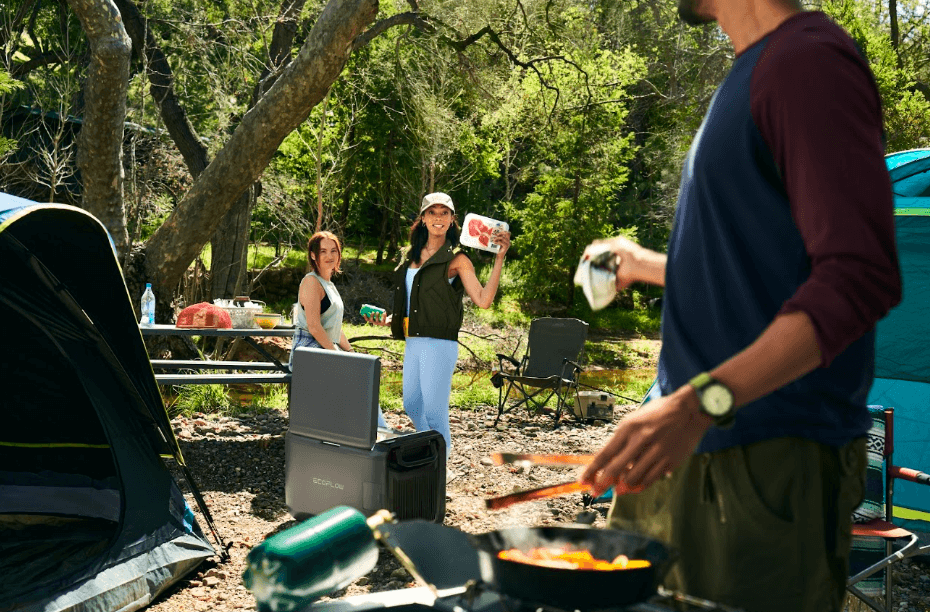
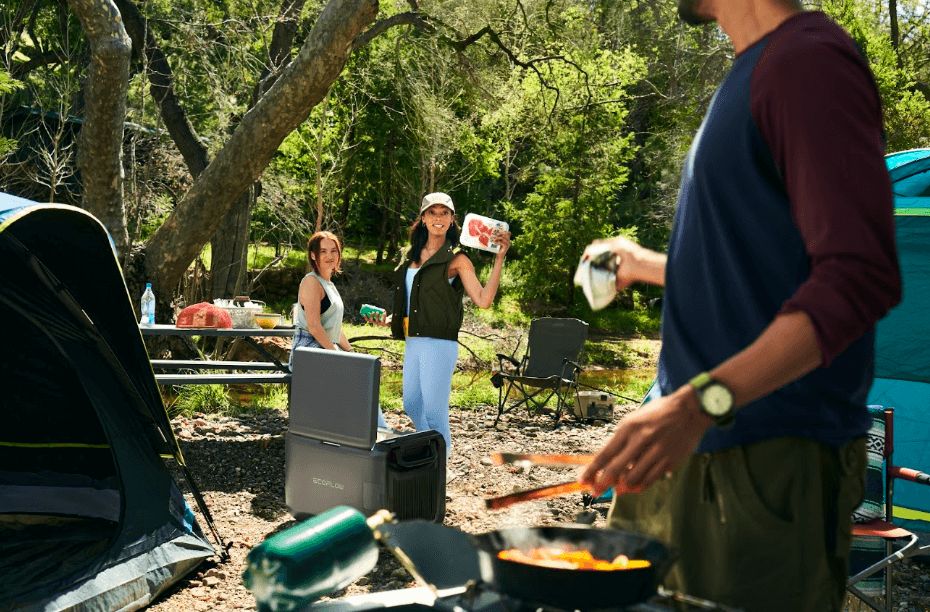
The coast adds a few wrinkles to the standard camping packing list. Sand gets into everything, the wind is relentless, and the sun reflects off the water in a way that catches people off guard.
Dealing With Sand, Wind, and Humidity
Sand-resistant footprints and gear bags keep things cleaner for longer. And the wind out here is close to constant, so bring more stakes and guy lines than an inland trip would ever call for.
Sun and Insect Protection
Reef-safe sunscreen protects your skin without wrecking the water everyone's about to swim in. Mosquitoes and biting flies get aggressive near the sound-side marshes around dawn and dusk, especially. A shade canopy is one of those things that seems unnecessary until the second hour of a beach day without one.
Conclusion
The right places to camp in the Outer Banks come down to what kind of trip you actually want. Remote and rugged, or easy and full of amenities, both directions reward a little planning up front.
Explore EcoFlow's portable power lineup for coastal trips.
Frequently asked questions
Can you camp on the beach in the Outer Banks?
Yes, but not just anywhere. Permitted zones shift by season and nesting activity, and a free permit is often required even where camping is technically allowed. Check the current rules before the trip - what applied last year may not apply this one.
What is the best campground in the Outer Banks?
Depends entirely on what you want. Cape Hatteras National Seashore is the pick for oceanfront tent camping with NPS management. If you're bringing kids and want a pool, showers, and a camp store within walking distance, a private campground near Nags Head or Kill Devil Hills makes more sense.
Do you need a permit to camp on Cape Hatteras?
For the four Cape Hatteras National Seashore campgrounds, you need a campground reservation through Recreation.gov. Cape Hatteras does not generally offer dispersed beach camping, so don't assume a separate beach-camping permit makes overnight camping legal outside designated campgrounds.
Is Cape Lookout good for camping?
For experienced campers, absolutely. For a first-timer looking for something easy, probably not. Ferry-only access, no developed sites, and full self-sufficiency required: no hookups, no water, nothing left behind.
What is the best time of year to camp in the Outer Banks?
Spring and early fall hit the sweet spot, milder weather and far fewer people than summer brings. Hurricane season runs June through November and peaks late in that window, so keep half an eye on the forecast if that's when you're planning to go.
Are there campgrounds with hookups in the Outer Banks?
Yes. Private campgrounds near Nags Head and Kill Devil Hills offer full electric and water hookups along with pools, showers, and camp stores. National Park Service sites at Cape Hatteras don't offer much of that in comparison.
For press requests or interview opportunities, reach out to our media team
media.na@ecoflow.com