Nor’easter 2026: What It Means and Why You Need Battery Backup
- What Is a Nor’easter?
- Why Nor’easters Are So Disruptive
- Why 2026 Nor’easters May Be Especially Impactful
- How Long Do Nor’easter Power Outages Typically Last?
- Why Battery Backup Is the Smartest Nor’easter Solution
- What You Should Power First During a Nor’easter
- Frequently Asked Questions
- Battery Backup Systems Protect Homes During Nor’easter Power Outages
Nor’easters bring destructive winds and heavy snow that result in fallen trees, downed power lines, and blocked roads, causing power outages that last days or even weeks at a time. The 2026 storm cycle that left hundreds of thousands without power is yet another example of why homeowners should consider becoming more self-sufficient. This article explains what a nor'easter is, why they’re so destructive, and why battery backups like EcoFlow DELTA Pro Ultra X are the smartest way to keep your family safe during the next big storm.
What Is a Nor’easter?
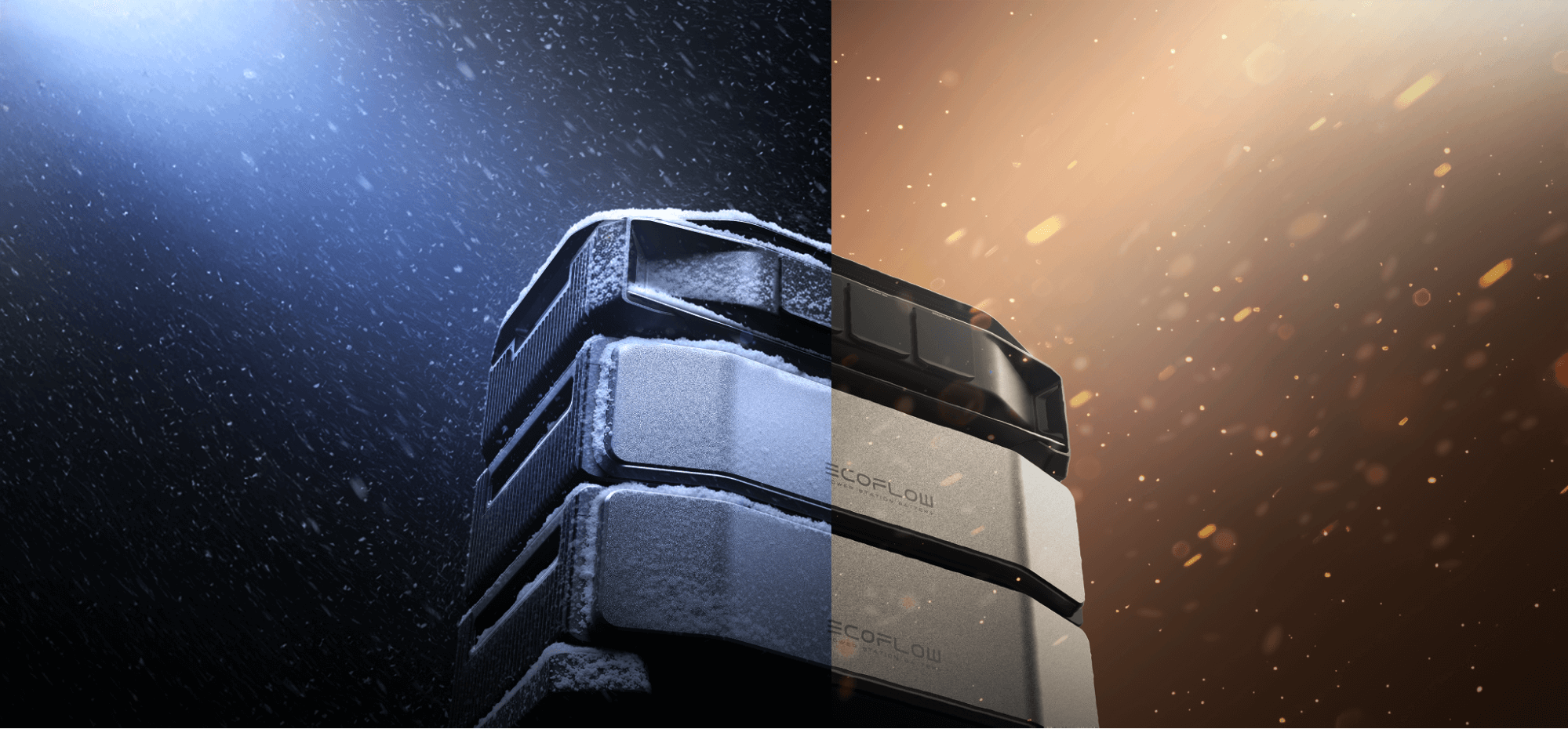
A nor'easter is a powerful, large-scale, coastal low-pressure storm that typically happens in winter as the polar jet stream from the Arctic flows down and collides with warmer, wetter air traveling up the east coast of North America from the Gulf. It gets its name from the strong winds that blow from the northeast.
Why Nor’easters Are So Disruptive
A nor'easter is not an average storm. They bring hurricane-force wind gusts, heavy, wet snow, frigid temperatures, coastal flooding, and countless power outages as heavy snow and winds knock trees onto power lines, bringing them down.
The storms also last several hours to days, making repairs difficult as crews wait for roads to be cleared and winds to subside, leaving homeowners without power during the most dangerous winter weather.
Why 2026 Nor’easters May Be Especially Impactful
As our atmosphere and oceans continue to warm, that extra heat fuels more powerful storms. In fact, weather specialists all over the United States have declared that these storms will continue to worsen. And, since 10 of the hottest years on record occurred in the last 10 years, this seems likely.
The high winds of these storms damage trees, power lines, and homes, and heavy snow stops traffic, halts repairs, and damages infrastructure, leaving homes without heat for days at a time. This makes it critical to prepare your family for disasters with an emergency kit, a family emergency plan, and backup power from a whole-home generator to keep your home safe and warm.
How Long Do Nor’easter Power Outages Typically Last?
Since nor'easters bring high winds and heavy precipitation that can last for days, outages take extra time to restore because workers must wait for the winds to subside before they can work safely. Factor in deep snow and blocked access roads, and repairs take even longer. Finally, the remoteness of your location also plays a role.
In this latest nor'easter of February 2026, most people without power had theirs restored after 2 days, but others were still waiting 6 days later.
Why Battery Backup Is the Smartest Nor’easter Solution
A battery backup ensures your home remains safe during a severe storm. Here are a few critical reasons why batteries are the smartest backup solution:
Safe for Indoor Use
Since batteries don’t use fossil fuels, they produce zero emissions, so there’s no risk of lethal carbon monoxide poisoning. Modern LFP batteries are also much safer than older lithium-ion models that were prone to thermal runaway, making them even safer.
Gas generators, on the other hand, must be kept 20 feet away from any home, door, window, or vent where the toxic fumes could get inside.
Protection From Salt, Snow, and Water
Since traditional gas generators can never be safely used indoors, they’re left outdoors exposed to high winds, salt spray, and heavy precipitation. This causes corrosion over time, which may cause them to fail when you need them the most. And if snowdrifts cover their exhaust, the motor may fail.
No Need to Go Outside
If you’re experiencing blizzard conditions, the last thing you want to do is go trudging through wet snow to start your generator or refill it with gas.
Minimizes Fire Hazards
Since batteries don’t use fossil fuels, there are no fire risks from fuel storage, overheating motors, or long extension cords running too much power.
Modular For Easy Expansion
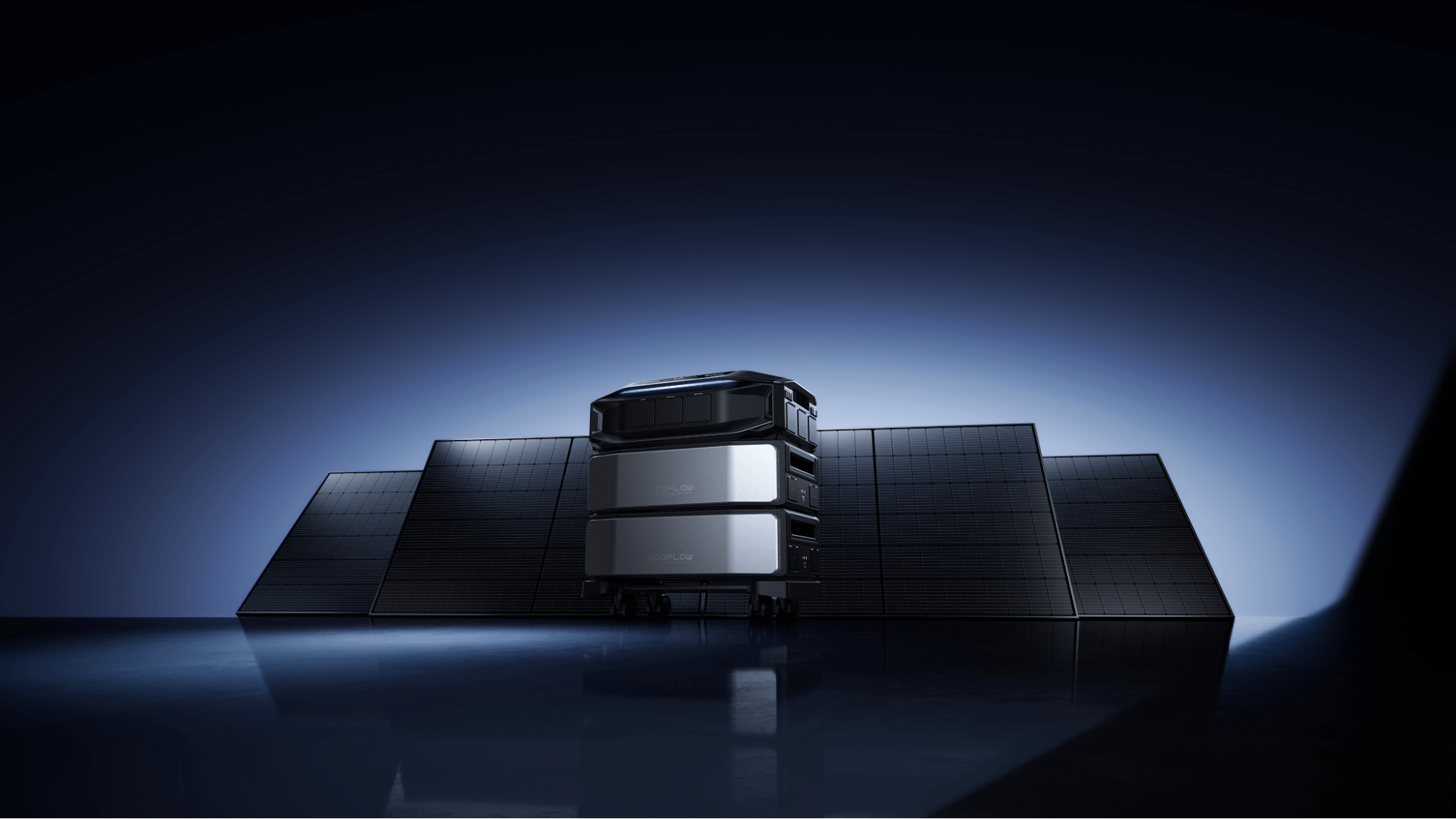
Finally, you can always expand battery backups, unlike gas generators, which would need to be replaced. For instance, the EcoFlow DELTA Pro Ultra X starts at 12kWh of capacity, enough to run an average home during a short power outage. But if you add appliances or want coverage for extended blackouts, you can expand your capacity, up to 180kWh, simply by stacking additional batteries.
What You Should Power First During a Nor’easter
If you rely on electric heat, you’ll want to first prioritize a small portable electric heater. Place your family in one heated room with the doors closed, and your heat will last longer.
Your next priority is essential appliances like fridges or freezers to keep food from spoiling, or medical equipment that cannot be without power.
Finally, run routers and recharge phones and anything else you need to monitor emergency alerts.
Alternatively, you won’t have to prioritize anything when using a battery-operated whole-home backup power device tied into your electrical panel so it runs your entire home.
Frequently Asked Questions
Do Nor’easters Only Happen in the Northeast?
No, these storms commonly affect the Northeast, but they are named after strong winds that blow from the northeast. They can actually impact the entire East Coast of North America, from Georgia, USA, to the Atlantic Canadian provinces.
What Size Battery Backup Do I Need for a Nor’easter?
Given that power outages from nor'easters last days to even weeks, you need a large battery, especially if you use electric heat. Generally speaking, 20–40kWh of capacity should last an average whole home for 2–3 days.
Battery Backup Systems Protect Homes During Nor’easter Power Outages
Nor'easters are powerful, destructive storms that bring strong winds, heavy precipitation, and freezing temperatures. This combination creates a perfect storm that often results in widespread power outages. With ongoing storm conditions, deep snow, and blocked roads, outages almost always last more than a few hours—you'll likely be without power for at least 2 days. For homeowners who are serious about storm preparedness, indoor-safe battery backups like the EcoFlow DELTA Pro Ultra X are far safer and more convenient than traditional gas generators.
For press requests or interview opportunities, reach out to our media team
media.na@ecoflow.com