Montana Snow: When the Season Starts, What Makes Storms Dangerous, and How to Plan Backup Power
- Does it snow in Montana? When the season starts and how much falls?
- Planning loads and runtime for a Montana snowstorm outage: EcoFlow TITAN 5000 Classic and EcoFlow TITAN 5000 Plus
- Chinooks, northeast blizzards, and record cold: what makes a Montana snowstorm different
- Is it snowing in Montana today? Forecast offices, 511 road reports, and snowpack data
- Montana snowstorm power outages: NorthWestern Energy, Montana-Dakota Utilities, and Electric Co-ops
- Conclusion
- FAQs
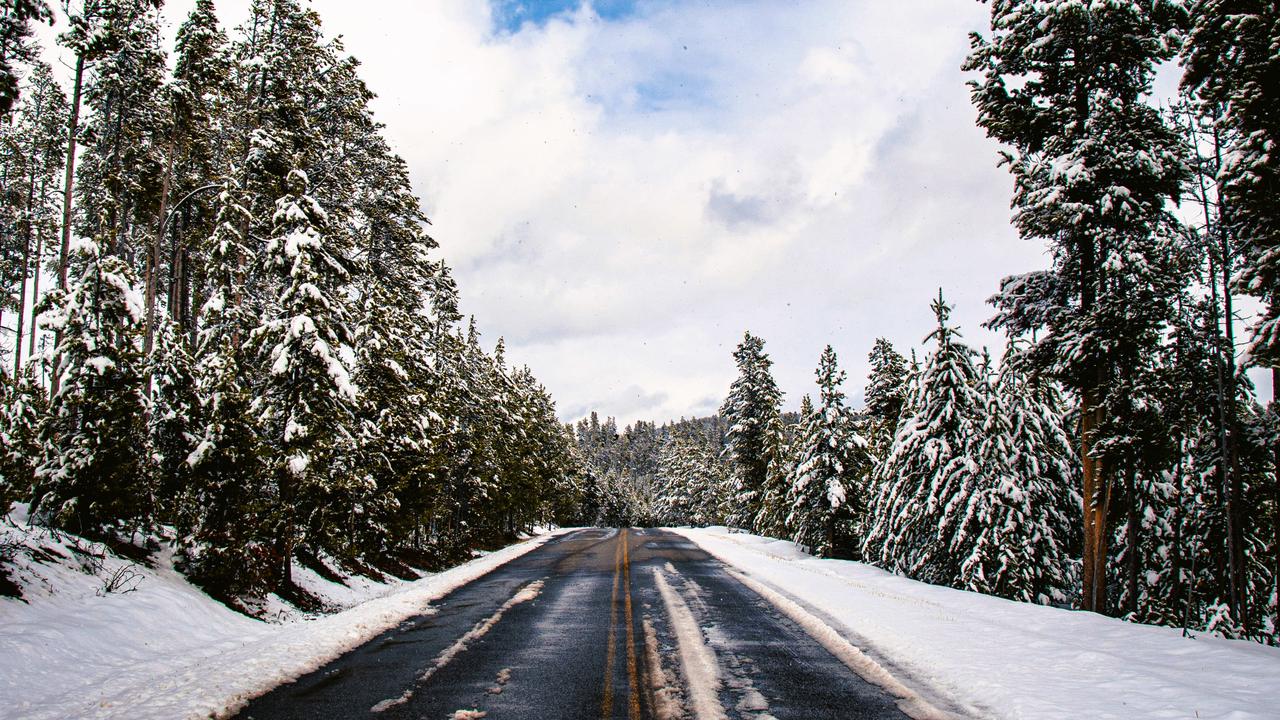
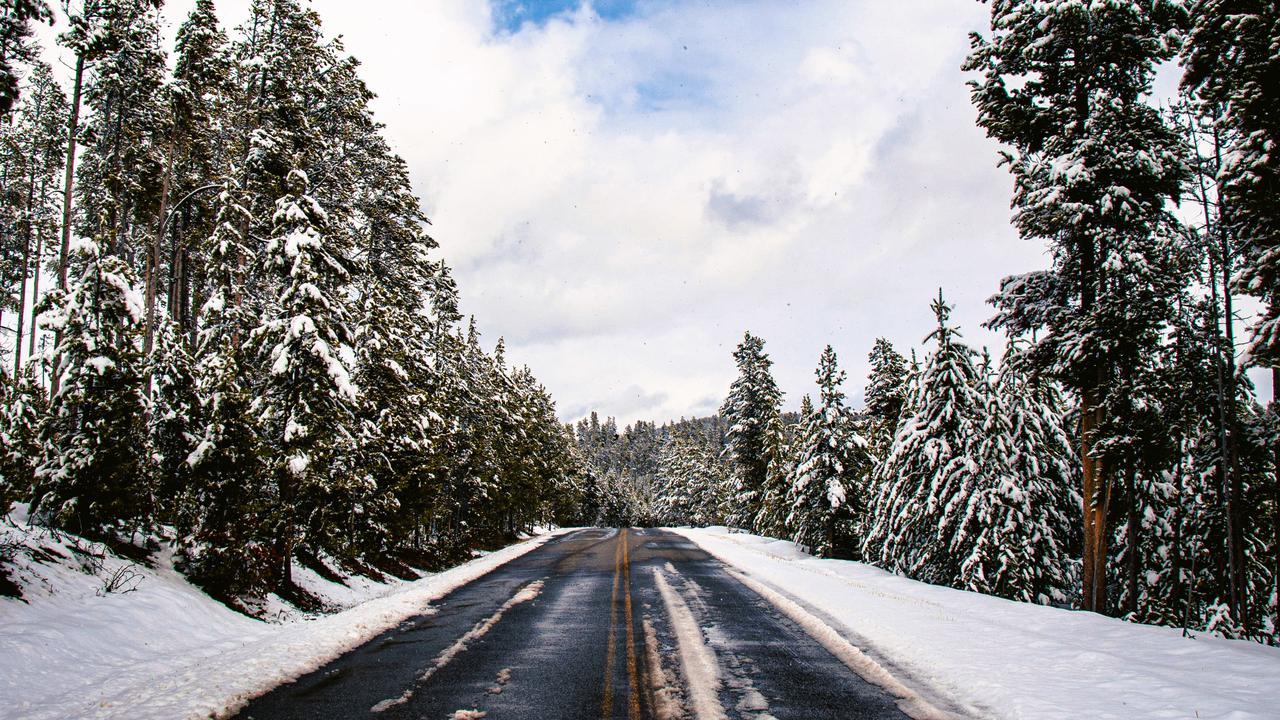
Montana snow can arrive before autumn ends. In late September 2019, a major storm left 48 inches of snow on the ground at Browning, according to the National Weather Service (NWS) in Great Falls. The event showed how quickly winter conditions can develop across the state.
If you are asking, “Does it snow in Montana?” the answer is yes. Snowfall varies by location, elevation, and season. Some areas see snow from early fall through late spring, while mountain regions receive much heavier totals.
This guide covers Montana snowfall patterns, the hazards behind its winter storms, and the best sources for current weather and road reports. It also explains how to estimate battery backup runtime during a power outage, so you can plan around your home's essential electrical loads.
Does it snow in Montana? When the season starts and how much falls?
Yes, Montana has a long snow season. NOAA's 1991–2020 climate normals show measurable snowfall in Billings from September through May. However, snowfall totals differ across the state, especially between lower elevations and mountain communities.
How much snow does Montana get?
NOAA's National Centers for Environmental Information (NCEI) publishes climate normals based on long-term weather records. At Billings Logan International Airport, the average annual snowfall is 57.4 inches.
The monthly figures also show why winter preparation should continue into spring. Billings averages 7.5 inches of snow in April, making late-season snow a regular part of its climate. January's normal daily high is 36°F, while its normal low is 17.9°F.
Snowfall also varies among Montana cities. The NWS Great Falls December 2019 weather summary lists these seasonal averages, based on the older 1981–2010 normals:
Location | Average seasonal snowfall |
Great Falls | 63.5 inches |
Helena | 38.1 inches |
Havre | 39.5 inches |
Bozeman | 40.2 inches |
Bozeman MSU site | 91.0 inches |
These figures use different observation sites and an older climate period than the Billings figures above. They should not be treated as direct comparisons under the same climate normals.
Mountain snowfall can be much higher. NOAA's Montana State Climate Summary 2022 reports that some mountain areas receive more than 300 inches of snow per year. The state's mountain snowpack typically peaks in April, according to the Natural Resources Conservation Service (NRCS).
The September 2019 storm: Montana's early-season benchmark
Montana's September 2019 storm shows why snowfall forecasts matter even before winter officially begins.
According to the preliminary NWS Great Falls September weather summary, the historic storm began on September 28. By the end of the month, snow depth reached 52 inches at Babb and 48 inches at Browning.
Great Falls recorded 9.7 inches of snow on September 28, breaking its previous daily record of 6.1 inches from 1954. Grass Range recorded 19.3 inches for the month, while Havre recorded 10.1 inches. Both locations set September monthly snowfall records. Winds also gusted to 56 mph at Joplin ahead of the storm.
These conditions can disrupt travel and create risks for people caught outdoors. If you plan a fall hunting trip, check the forecast and the relevant deer hunting season dates before leaving.
Early snow often lands in the middle of fall hunting trips, so anyone heading out should check state-by-state deer hunting season dates against the forecast before loading the truck.
A 50-inch September dump or a week of single-digit lows can also take the power out, and that's when knowing your home's loads matters more than knowing the snowfall totals.
Planning loads and runtime for a Montana snowstorm outage: EcoFlow TITAN 5000 Classic and EcoFlow TITAN 5000 Plus
A winter power outage can affect heating controls, refrigerators, lights, and communication devices. Before choosing a backup battery, list what you need to keep running, check each device's power draw, and estimate how long the battery can support those loads.
Many Montana homes use natural gas or propane for heat but still need electricity to run a furnace blower, igniter, and controls. A battery may support these components, depending on their power requirements and the system's output.
How to calculate your backup power needs?
Use these steps to build a practical load list:
List essential 120V devices: Include the furnace blower and controls, refrigerator, freezer, lights, Wi-Fi router, and phone chargers.
Identify any 240V equipment: Examples include some well pumps and heat pump outdoor units.
Check each device's power requirements: Use its nameplate or manual to find running watts and starting watts.
Add simultaneous loads: Calculate the total power needed when several devices operate at once. Check starting demand separately.
Estimate battery runtime: Divide usable battery energy by the average load in watts.
Do not assume a battery can run every appliance in your home. Electric furnaces, baseboard heaters, and heat pump auxiliary heating strips can draw substantial power. Neither system discussed below should be treated as a long-duration solution for whole-house electric heating.
EcoFlow TITAN Classic for essential 120V circuits
The EcoFlow TITAN 5000 Classic is designed for essential 120V loads, such as lights, a refrigerator, and a Wi-Fi router.
4,000W output for compatible 120V loads
5kWh base battery capacity
Expandable capacity up to 30kWh with additional batteries
Automatic switchover rated at 20 milliseconds or less
It is not designed to power 240V appliances. A compatible distribution setup and licensed electrician are required for home circuit integration.
EcoFlow TITAN Plus for compatible 240V circuits
The EcoFlow TITAN 5000 Plus is built for homes that need to power both 120V and 240V circuits from one backup system.
7.2–10kW system output
5kW single-circuit capacity
Smart Home Panel 10 integration in the 240V configuration
OASIS 3.0 energy management
Check each 240V appliance’s running and starting power requirements before choosing a system. A licensed electrician must confirm compatibility with your equipment and wiring.
Estimated battery runtime before a storm
Use this formula for a simple planning estimate:
Battery capacity (Wh) × 0.85 ÷ average load (W) = estimated runtime in hours
The 0.85 factor allows for assumed conversion losses. It is a planning assumption, not a manufacturer guarantee. The table below uses the 5kWh base capacity and the 30kWh expanded capacity.
Average load | 5kWh battery | 30kWh battery |
250W | 17 hours | 102 hours |
500W | 8.5 hours | 51 hours |
1,000W | 4.25 hours | 25.5 hours |
2,000W | 2.1 hours | 12.8 hours |
For example, a 5,000Wh battery provides an estimated 4,250Wh after applying the 0.85 factor. At an average load of 1,000W, that equals about 4.25 hours.
Actual runtime depends on the devices connected, their duty cycles, battery temperature, and system losses. Furnaces and refrigerators cycle on and off, so average demand may be lower than their combined running wattage suggests. Solar charging can also be limited when snow covers the panels.
Before connecting a well pump, heat pump, or other 240V appliance, have an electrician check its voltage, current, starting demand, and the other loads running at the same time.
Knowing how many watts an electric furnace uses explains why battery backup in an all-electric home focuses on fans, controls, and essentials rather than the heating elements.
The size of that load list depends on the kind of storm you're planning for, and Montana mixes three hazards most states don't: chinook swings, ground blizzards on the plains, and record-setting cold.
Chinooks, northeast blizzards, and record cold: what makes a Montana snowstorm different
Montana's winter weather varies across the state. East of the Rockies, warm chinook winds can melt snow quickly before colder air returns. The northeastern plains face frequent blizzards, while mountain areas can receive heavy snowfall. Wind, low temperatures, and blowing snow can make conditions dangerous even when snowfall totals seem modest.
NOAA's 2022 Montana State Climate Summary identifies heavy snow, high winds, and low wind chill as major winter hazards. Blizzards are most common in northeastern Montana, where they occur about five times per year. The state's record low temperature is −70°F, recorded at Rogers Pass in 1954.
Chinook winds and sudden temperature changes
A chinook is a warm, dry wind that descends the eastern side of a mountain range. These winds can cause sharp temperature increases and rapid snowmelt.
On January 14–15, 1972, temperatures at Loma rose from −54°F to 49°F, a 103°F change. NOAA identifies this as the largest 24-hour temperature change in the U.S. history.
Rapid thawing followed by freezing can leave roads icy. Strong winds can also create dangerous crosswinds and damage property. These conditions make it important to check road reports even when temperatures rise.
Blowing snow across the plains
Blizzards can reduce visibility and make travel difficult across Montana's open plains. Strong winds can move loose snow across roads, sometimes making routes impassable.
Ranchers and rural residents may face added challenges when traveling between towns, caring for livestock, or receiving essential services. Homes connected by long rural power lines may also face difficult restoration conditions during severe weather.
Before a blizzard warning, check travel conditions and make a plan for pets and livestock. Avoid unnecessary trips when visibility drops or roads become unsafe.
Ranch families on the eastern plains should have a plan for moving pets and livestock to safety before a blizzard warning, since roads can close fast once the wind picks up.
Knowing the hazards helps you plan, but on storm day you need live information: the forecast, the passes, and how much snow is sitting in the mountains.


Is it snowing in Montana today? Forecast offices, 511 road reports, and snowpack data
Montana's weather can change quickly, so check current conditions rather than relying on seasonal averages. Four National Weather Service offices cover different parts of the state.
NWS Missoula: weather.gov/mso for western Montana.
NWS Great Falls: weather.gov/tfx for north-central and parts of southwestern Montana.
NWS Billings: weather.gov/byz for south-central and southeastern Montana.
NWS Glasgow: weather.gov/ggw for northeastern Montana.
Check the office serving your county for local forecasts and warnings.
For road conditions, use the Montana Department of Transportation's 511 service. You can also call 511 or use the MDT 511 Travel Info app. Road weather cameras provide useful views of conditions along major routes.
For mountain snowpack information, visit the NRCS Montana Snow Survey. Its reports and SNOTEL data help track snow depth and water supply conditions.
Know the difference between common winter alerts:
Winter storm watch: Conditions could support a significant winter storm.
Winter storm warning: Hazardous winter weather is occurring or expected soon.
Blizzard warning: Strong winds, blowing or falling snow, and very poor visibility are expected to create dangerous conditions.
Read the full alert for its timing, location, and expected impacts before traveling.
Before a winter trip into the backcountry, compare the forecast low with what counts as too cold for tent camping so the gear matches the night.
The same storms that close passes also bring down lines, and in Montana the company that restores your power depends on where you live.
Montana snowstorm power outages: NorthWestern Energy, Montana-Dakota Utilities, and Electric Co-ops
Snow and strong winds can damage trees, affect power lines, and complicate repairs. Heavy, wet snow can weigh down trees that still have leaves, while strong winds can affect exposed lines across the plains.
Start by identifying your electricity provider on your utility bill. Then bookmark its outage map so you can check reported interruptions during a storm.
NorthWestern Energy: Use its outage map or online outage reporting page. Its listed Montana emergency number is 888-467-2669.
Montana-Dakota Utilities: Check the outage map for reported interruptions.
Electric cooperatives: Visit your local co-op's website for its outage map, reporting process, and member updates.
If you see a downed or damaged power line, stay well away and call 911. Never touch a line or approach equipment that may be energized.
A home battery can help maintain selected electrical circuits during an outage. The practical benefit depends on battery capacity, system output, and the loads you need to support. Estimate runtime before a storm and arrange any home circuit integration with a licensed electrician.
In a long cold-weather outage, the reasons home batteries can replace gas generators include running quietly indoors with no fuel to haul through the snow.
Conclusion
Montana's snow season can begin in September and continue into May. Billings averages 57.4 inches of snowfall per year under NOAA's 1991–2020 climate normals, while some mountain areas receive more than 300 inches. Chinook winds, blizzards, and extreme cold create different risks across the state.
Before the next storm, bookmark your local NWS forecast, MDT 511, and your utility's outage map. If you rely on backup power, list your essential devices and calculate their combined demand.
The EcoFlow TITAN 5000 Classic may suit compatible 120V essential loads, while the EcoFlow TITAN 5000 Plus is designed to support compatible 240V circuits as well. Compare the equipment's power requirements with the system's specifications, and have a licensed electrician confirm the installation.
FAQs
Does it snow in Montana?
Yes. Billings averages 57.4 inches of snow annually under NOAA's 1991–2020 climate normals. Measurable snowfall is normal there from September through May, although totals vary across the state.
When does it start snowing in Montana?
Snow can begin in September. In 2019, an early storm left 48 inches of snow on the ground at Browning by the end of the month, according to the NWS Great Falls summary.
Is it snowing in Montana right now?
Check your local NWS office and MDT 511 for current snowfall forecasts, road conditions, and travel alerts. Conditions can change quickly, especially during blizzards and mountain storms.
What is a chinook wind in Montana?
A chinook is a warm, dry wind that descends the eastern side of the Rockies. It can raise temperatures quickly, melt snow, and contribute to icy roads when temperatures drop again.
Can a home battery run my Montana house through a snowstorm outage?
A home battery can power selected circuits for a limited time, depending on its capacity and electrical load. It may support a gas furnace blower and refrigerator, but is not a long-term solution for whole-house electric heating.
For press requests or interview opportunities, reach out to our media team
media.na@ecoflow.com