How Cold Is Too Cold for Tent Camping?
Winter landscapes offer silence and beauty found nowhere else. Yet dropping temperatures pose real risks. Correct preparation transforms a freezing nightmare into a cozy adventure. Understanding the threshold where chill becomes danger allows for safe exploration. Let us explore the boundaries of safety and comfort while camping in a tent in the winter.
What Is Cold Weather Camping?
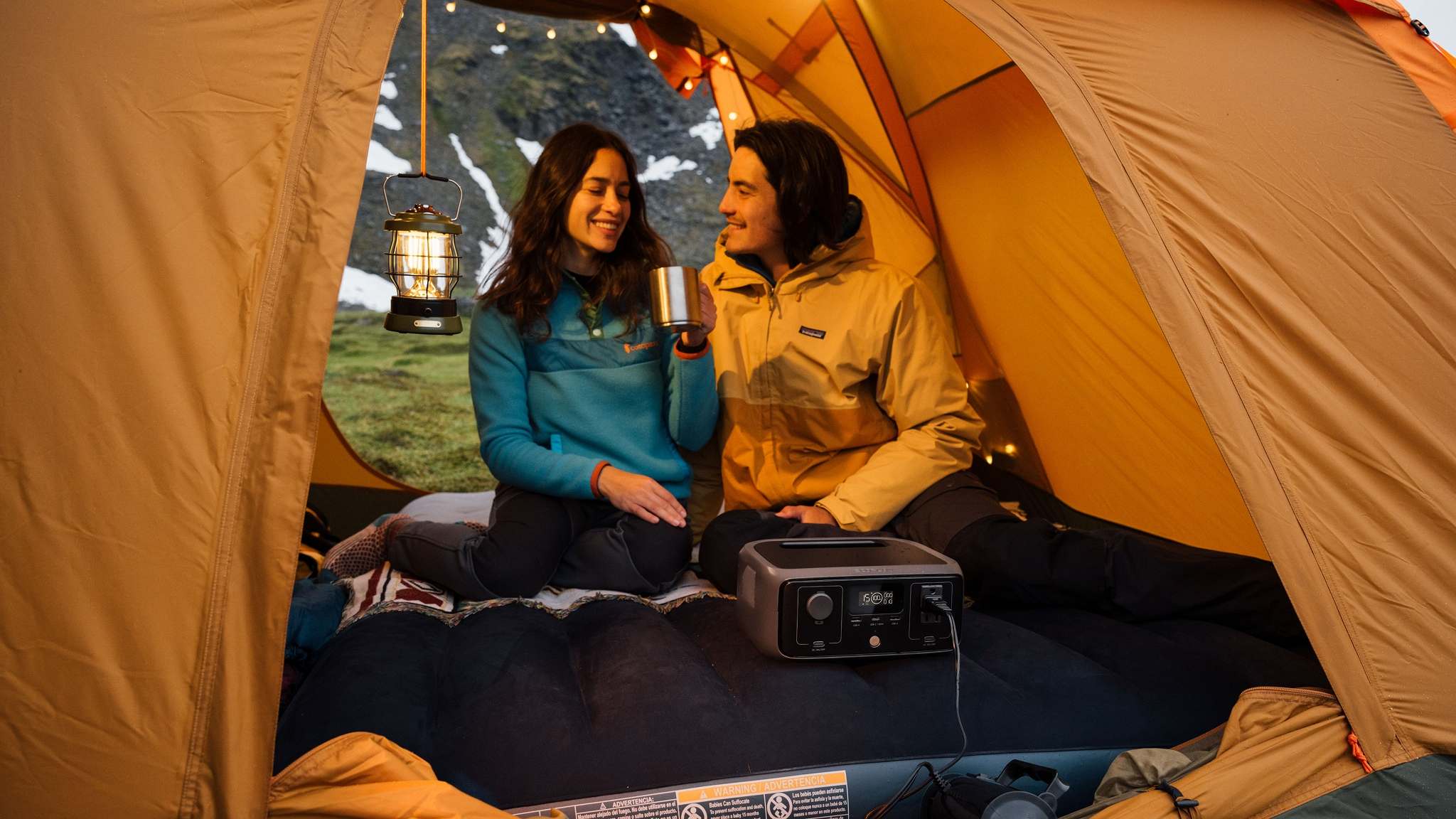
Most people associate sleeping outdoors with summer vacations, but cold weather camping requires a complete change in mindset, gear, and environmental awareness. When we discuss camping in a tent in the winter, we generally refer to conditions where the temperature drops below freezing or 32°F. At that threshold, water turns to ice, electronics fail, and the margin for error shrinks significantly. It is not merely camping with a jacket on. It is managing a life support system inside a nylon shell where you must actively preserve warmth against the environment's constant attempt to steal it.
The experience differs vastly from summer excursions as it offers profound silence and crisp air without crowds or bugs. We must distinguish between shoulder season camping, where days might warm up, and true winter camping, which involves sustained freezing temperatures and often snow. Regardless of the specific category, success relies on understanding that cold is a force of nature to be respected rather than an enemy to be fought. You learn to work with physics. You move to generate heat. You eat to fuel an internal furnace. You insulate yourself to trap precious warmth.
How Cold Is Too Cold for Winter Tent Camping?
Determining a specific temperature cutoff is subjective and depends heavily on experience and equipment. However, general physiological and safety guidelines exist to help decide when to stay home.
The Comfort Range of 50°F to 32°F
Most healthy adults can handle these temperatures with standard three-season gear. You might feel chilly in the morning, but the risk of hypothermia remains low unless you get wet. A basic sleeping bag and a foam pad usually suffice. For a beginner interested in cold weather camping, such temperatures provide a safe testing ground. You can learn how the body reacts to cooler air without facing life-threatening consequences if a zipper fails.
The Freeze Zone of 32°F to 10°F
Water freezes here. Frost forms on the inside of the tent due to condensation. Standard summer gear fails in these conditions. You need a sleeping pad with a higher R-value to prevent the ground from sucking heat away. You need a sleeping bag rated for 0°F to maintain comfort. Camping in a tent in the winter within that range requires knowledge of layering clothing. Exposed skin becomes uncomfortable but does not freeze instantly. Beginners should only attempt these temperatures with an experienced guide or after mastering milder ranges.
The Severe Cold of 10°F to Minus 10°F
Such temperatures separate casual campers from serious winter enthusiasts. At these levels, moisture management becomes critical. If you sweat, that moisture can freeze, leading to rapid body heat loss. Exposed skin can develop frostnip quickly. Stoves using butane blends may sputter and fail because the fuel will not vaporize. You must use inverted canister stoves or liquid fuel systems. Mistakes here carry immediate penalties. A lost glove means a frozen hand in minutes. Only those with specific cold weather camping tips and experience should venture out.
The Danger Zone Below Minus 10°F
Most experts agree that for recreational camping, anything below minus 10°F creates unnecessary risk for anyone without expedition-level training. At minus 20°F or minus 30°F, plastic snaps shatter. Metal freezes to skin upon contact. Air itself hurts to breathe. Equipment failure can result in death rather than just discomfort. Unless you are training for a polar expedition or possess specialized survival skills, these temperatures act as a hard stop.
Understanding Hypothermia and Frostbite
The real answer to the question often depends on your body rather than the thermometer. You must recognize the enemies.
Hypothermia occurs when core temperature drops below 95°F. It creeps up silently. You might stop shivering, which serves as a sign the body has given up trying to warm itself. You might feel confusion or clumsiness. We call these the "Umbles," which include stumbles, mumbles, fumbles, and grumbles. If you or a companion exhibits these signs, the environment has become too cold for the current setup. You must seek warmth immediately.
Frostbite attacks extremities. Fingers, toes, noses, and ears suffer first. Tissue freezes. It might feel numb or waxy. Unlike frostnip, which hurts, severe frostbite might not hurt at all because nerves have frozen. Camping in freezing weather demands constant checks of these body parts. If you cannot keep extremities warm despite movement and insulation, the temperature is too low for you.
Cold Weather Tent Camping Tips
Surviving and enjoying the winter wilderness requires more than just buying expensive gear. It requires technique. It requires a library of cold weather camping tips stored in the mind, ready to deploy when the wind picks up. We will break these down into general advice, along with tips for the solo adventurer and protocols for groups.
General Strategies for Warmth and Safety
Eat Fat and Calories. The body acts as a furnace. It needs fuel to burn. Summer salads will not suffice. You need dense and high-calorie foods. Fats burn slowly and hot. Add butter to hot chocolate. Eat cheese and salami. A high-fat snack right before bed keeps metabolism running through the night, generating heat while you sleep. A concise rule suggests: if you feel cold, you should eat something.
The Hot Water Bottle Trick. Boil water before bed. Pour it into a leak-proof Nalgene bottle. Put that bottle inside a wool sock. Place that device in the sleeping bag between your legs, where major arteries flow, or at your feet. Such a device acts as a heater lasting for hours. It provides a massive morale boost when sliding into a frozen sleeping bag.
Manage Moisture Aggressively. Sweat kills. If you hike to a campsite and soak a base layer, that wet fabric will conduct heat away from the body 25 times faster than air. You must strip layers before sweating. You must change into dry clothes the moment you stop moving. Vent the tent. Condensation from breath will form ice on the tent walls. If you seal the tent too tightly, it will snow on you inside. Keep vents open to let moist air escape.
Don't Hold Your Pee. The body burns energy keeping a full bladder warm. That energy serves better to keep vital organs warm. If you have to go, you should go. For men, a designated bottle inside the tent saves you from leaving a warm bag. For women, funnel devices allow for similar convenience. It sounds gross to the uninitiated, but it saves heat and sleep.
Insulate From the Ground. Ground steals heat faster than air. You can have the best sleeping bag in the world, but if you sleep on bare ground, you will freeze. Use two sleeping pads. Put a closed-cell foam pad on the bottom and an inflatable high R-value pad on top. Foam protects the air pad from punctures and adds a layer of conductive insulation.
Tips for the Solo Camper
Going alone into the winter wild is a serious undertaking. Silence feels heavier, and safety nets are gone.
Tell Someone Everything. Leave a detailed trip plan with a trusted contact. Include route, gear color, vehicle license plate, and exactly when you will return. Set a panic time where they call search and rescue if you have not called. Do not deviate from the plan left behind.
Manage Fear and Psychology. Solitude in winter can feel overwhelming. Nights are long, with often 14 hours of darkness. Bring a book. Download podcasts. Keep the mind occupied. Fear makes you cold because stress restricts blood flow. Keeping a calm and positive mindset helps maintain body temperature.
Conservative Choices. When alone, risk tolerance must drop to zero. If a river crossing looks sketchy, turn back. If the weather looks worse than the forecast, bail. You have no one to help fix a broken leg or a broken tent pole. Choose campsites sheltered and safe from avalanche terrain.
Tips for Group Camping
Camping with friends changes the dynamics. It adds safety but introduces social complexities.
The Buddy System. Watch your friends. You will see frostbite on their nose before they feel it. They will hear you slurring words before you realize it. Agree beforehand to check on each other. Ask "How are your feet?" regularly. Force buddies to drink water and eat.
Shared Warmth. Tents warm up faster with more bodies. A 3-person tent with three people will be significantly warmer than a solo tent. You can also share heavy gear. One person carries the stove while another carries fuel. It lightens the load, allowing for faster travel and less sweating.
Group Morale. Winter camping can be miserable if someone is having a bad time. The "grumbles" are contagious. Keep the mood light. Plan for a big and hot meal together. A roaring fire, if permitted, creates a focal point for the group to gather, dry socks, and boost spirits.
You Need a Comprehensive Cold Weather Camping Gear List
Winter does not forgive mediocrity. In summer, if a sleeping bag is too thin, you have a bad night. In winter, you get hypothermia. Gear acts as a shell, a house, and life insurance. You cannot just grab random items from a garage. You need a system where every piece integrates with others. The following list breaks down essentials. We use a star rating system to indicate importance, where 5 stars represent a critical and non-negotiable item for survival and comfort while camping in a tent in the winter.
Cold Weather Camping Gear List
The following table outlines the hierarchy of needs for your winter kit.
| Gear Category | Item Name | Importance Rating | Description and Function |
| Shelter | 4-Season Tent | ★★★★★ | Solid nylon walls block wind. Strong aluminum poles resist snow load. Essential for protection. |
| Shelter | Snow Stakes | ★★★★☆ | U-shaped anchors hold fast in soft powder where wire stakes fail. |
| Shelter | Tent Brush | ★★★☆☆ | Removes snow from boots and frost from walls to manage moisture. |
| Shelter | Avalanche Shovel | ★★★★★ | Critical for creating flat tent platforms and digging out after storms. |
| Sleep | 0°F Sleeping Bag | ★★★★★ | Mummy shape retains heat. Rating must be lower than expected temp. |
| Sleep | Sleeping Bag Liner | ★★★☆☆ | Adds 5-10 degrees of warmth. Keeps bag clean. Flexible temp control. |
| Sleep | Closed-Cell Foam Pad | ★★★★★ | The foundation. Indestructible insulation barrier against frozen ground. |
| Sleep | Insulated Air Pad | ★★★★★ | High R-value (4+) pad goes on top of foam for comfort and warmth. |
| Clothing | Merino Wool Base | ★★★★★ | Wicks moisture. Stays warm when wet. Never use cotton. |
| Clothing | Fleece Mid-Layer | ★★★★★ | Traps dead air. Primary insulation while active. Breeds well. |
| Clothing | Down Puffy Jacket | ★★★★★ | "Stop" layer. Traps massive heat when inactive at camp. |
| Clothing | Hard Shell Outer | ★★★★★ | Windproof and waterproof shield. Protects trapped heat from wind. |
| Clothing | Wool Socks (3 pairs) | ★★★★★ | Essential for foot health. One to wear, one to sleep, one spare. |
| Clothing | Down Booties | ★★★★☆ | Camp shoes. Allows feet to expand and stay warm while cooking. |
| Clothing | Sun Protection | ★★★★★ | Goggles or sunglasses prevent snow blindness from UV reflection. |
| Kitchen | Liquid Fuel Stove | ★★★★☆ | Works in sub-zero temps where canister gas fails to vaporize. |
| Kitchen | Insulated Bottles | ★★★★★ | Prevents water from freezing. Wide mouth is best. |
| Electronics | Backup Power Bank | ★★★★★ | Lithium batteries die fast in cold. Keeps GPS and phone alive. |
| Safety | Headlamp (Lithium) | ★★★★★ | Essential for long nights. Lithium resists cold drain better. |
| Safety | Satellite Device | ★★★★★ | Lifeline when no cell service exists. Critical for solo trips. |
| Safety | Navigation Tools | ★★★★★ | Physical map and compass act as fail-safe when electronics die. |
| Safety | Fire Starter Kit | ★★★★★ | Waterproof matches or lighter. Provides emergency warmth. |
| Safety | First Aid Kit | ★★★★★ | Must include bandages and meds. Help is often far away. |
How to Choose Backup Power for Your Tent Camping in Winter
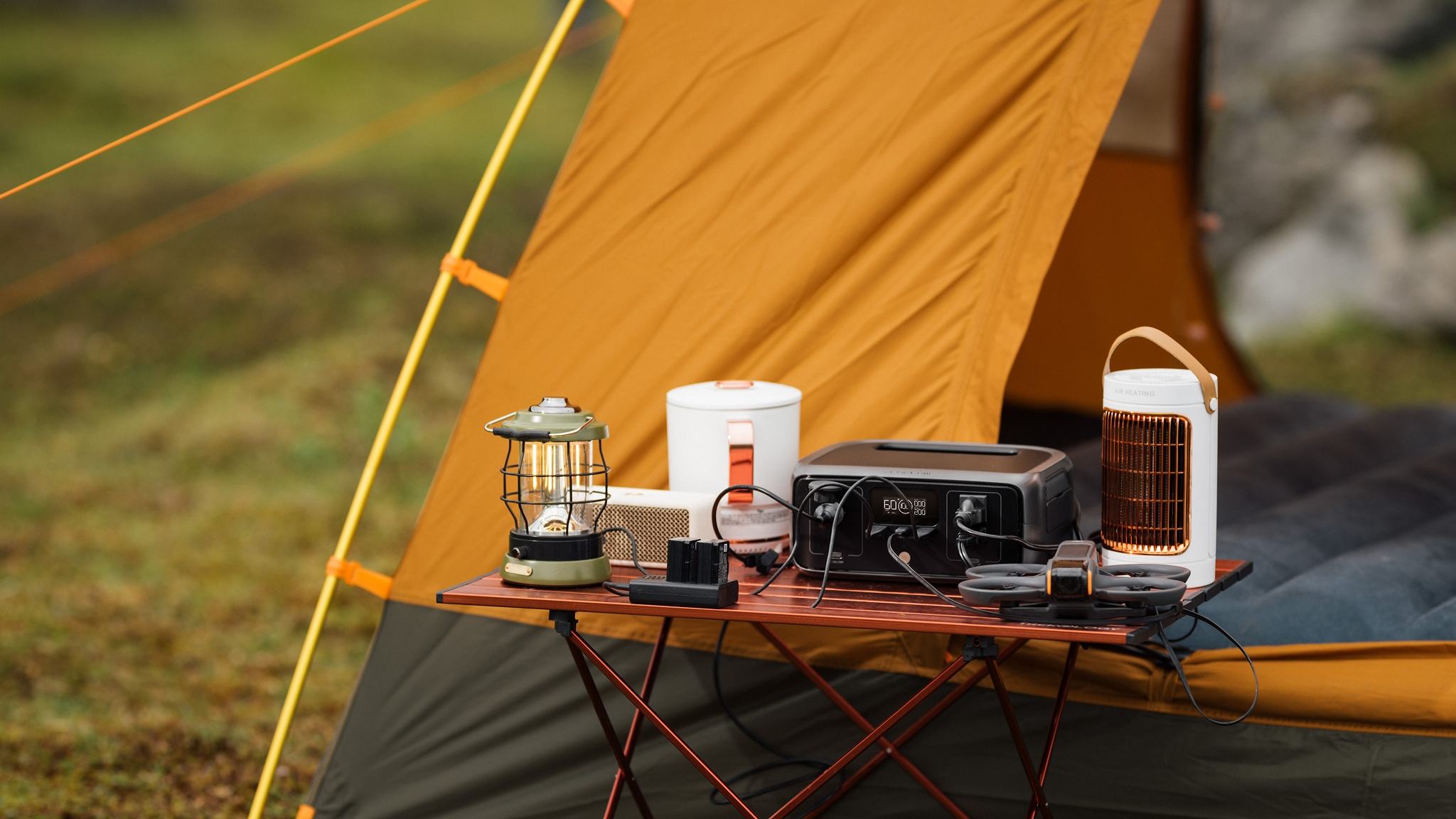
Batteries drain rapidly in the cold because chemical reactions inside them slow down. You need a reliable power source to keep phones for maps, satellite messengers, and headlamps charged. We recommend the following battery backup for reliability and cold weather utility.
EcoFlow RAPID Mag Qi2.2 Magnetic Power Bank. Such a device fits the needs of minimalists. It features a 10,000mAh capacity and attaches magnetically to phones. The wireless charging creates heat, which helps keep phone batteries warm while charging. It fits in pockets, keeping it close to the body heat.
EcoFlow RAPID Power Bank. For those with more devices, the RAPID Power Bank offers 25,000mAh capacity and 170W output. It includes built-in retractable cables so you do not have to fumble with frozen cords in the dark. It charges fast, which minimizes the time electronics sit exposed to cold air.
EcoFlow RIVER 3 Portable Power Station. If you are pulk sled camping or car camping, the RIVER 3 provides 245Wh capacity. It has AC outlets, meaning one can run small appliances or charge camera batteries. It features a UPS function guaranteeing constant power flow.
EcoFlow RIVER 2 Pro Portable Power Station. For base camp setups, the RIVER 2 Pro offers a massive 768Wh capacity. It uses LFP battery chemistry, which is durable. It charges from 0 to 100 percent in 70 minutes, allowing you to top it up quickly if you have a solar panel or vehicle access.
Signs That You Should Quit Camping in Freezing Weather
There is no honor in suffering permanent injury. Wilderness will be there next weekend. You need to recognize "bail out" signs.
Physical Failure Signs
If you cannot stop shivering, you have entered mild hypothermia. If you stop shivering but still feel cold, you are in moderate hypothermia, which is a medical emergency. If you lose dexterity in fingers and cannot work a zipper or light a lighter, you are in danger. You have lost the ability to care for yourself. You must leave or signal for help immediately.
Gear Failure
If a stove breaks and you cannot melt snow for water, the trip is over. Dehydration accelerates hypothermia. If a sleeping bag gets soaked, it will not keep you warm. You cannot tough out a wet sleeping bag in freezing temps. You must bail.
Environmental Escalation
If snow falls faster than you can clear it from the tent, you risk collapse. If the wind rises to a point where walking becomes impossible, you are trapped. Monitor the weather constantly. If a storm system looks bigger than predicted, pack up early. Retreat serves as a strategic maneuver rather than a defeat.
Mastering Winter Camping
Camping in a tent in the winter unlocks a magical world. Success relies on preparation. Respect the cold. Wear diverse layers. Eat fatty foods. Monitor your body. Carry the right gear. Know when to turn back. With wisdom and equipment, the freezing wilderness becomes a welcoming home. Stay warm.
For press requests or interview opportunities, reach out to our media team
media.na@ecoflow.com