Living in a Trailer: What It's Really Like
A growing number of people across the country are trading a fixed address for life on wheels. Some park a travel trailer on family land. Others move between campgrounds every few weeks. The appeal is usually the same: lower costs, more freedom, and a simpler footprint. This article covers what actually counts as living in a trailer, what it costs on a monthly basis, what the lifestyle asks in return, and how residents keep the lights on without a permanent hookup.
What Counts as "Living in a Trailer"
The term covers more ground than most people expect. A stationary setup on owned or rented land counts. So does a mobile routine that shifts from park to park through the year. Both fall under the same general idea of living in a trailer, even though the day-to-day experience looks very different.
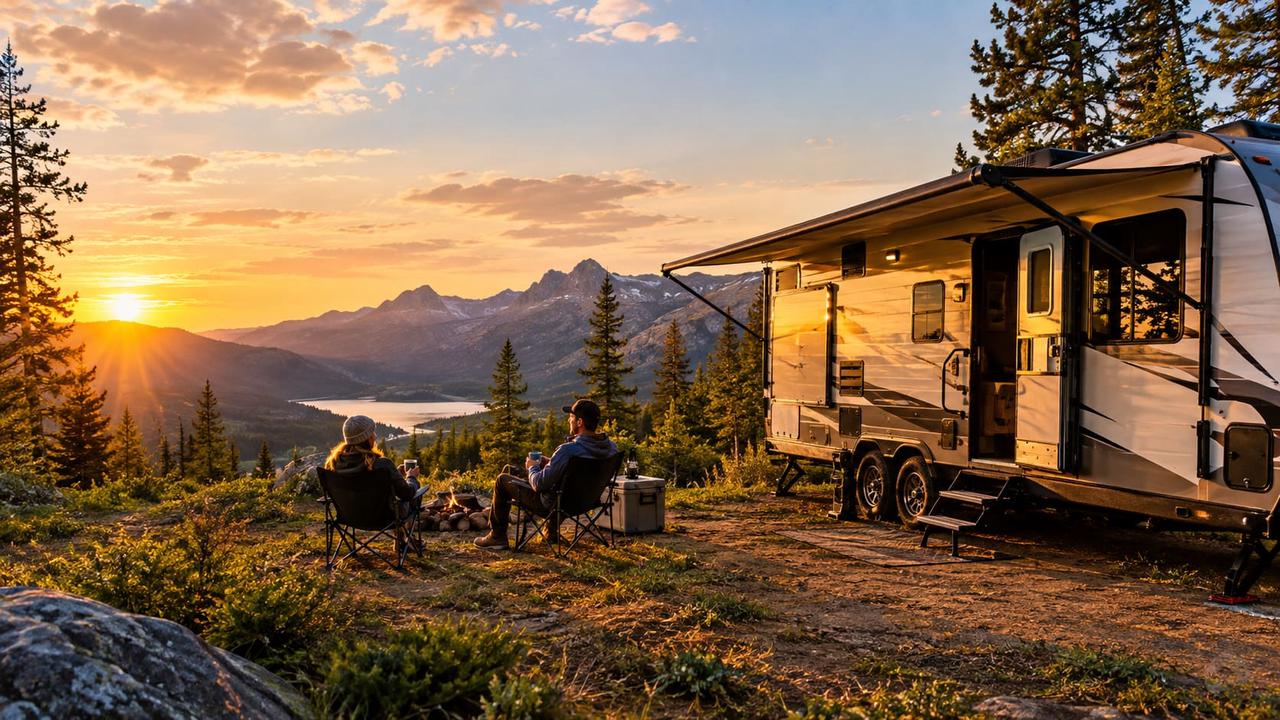
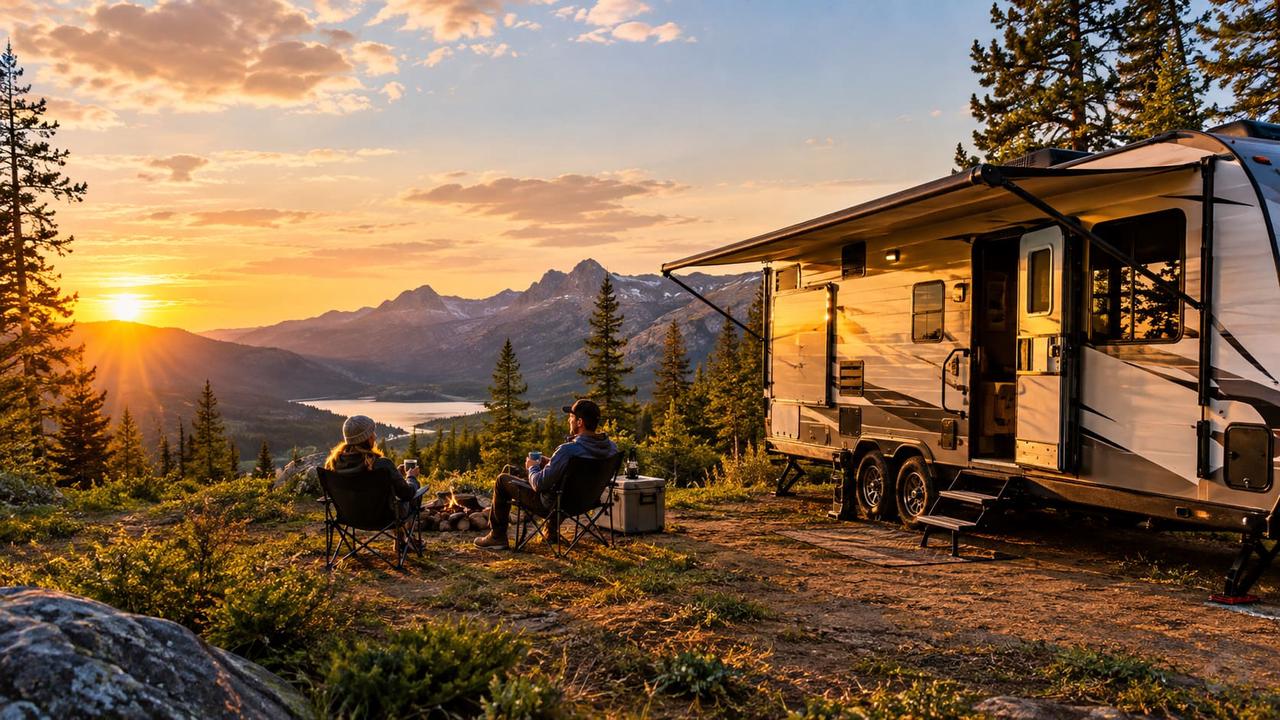
A travel trailer, a fifth wheel, and a mobile home all technically qualify. Each comes with its own size limits, towing requirements, and setup rules, so the right choice depends heavily on budget and how often the trailer needs to move.
Some residents settle into one park for years at a time. Others boondock on public land or relocate every month, chasing better weather or cheaper sites. There is no single version of living in a trailer house that applies to everyone, which is part of why the lifestyle attracts such a wide range of people.
The line between a travel trailer and other towable campers trips up plenty of newcomers, and terminology between RVs and campers is worth sorting out early, since it affects everything from insurance to where a rig can legally park.
Once the basic setup is clear, the next question almost everyone asks is what it actually costs.
The Real Cost of Trailer Living
On paper, trailer life tends to run cheaper than a mortgage or an apartment lease. There is no property tax bill, and utility costs are usually lower simply because the living space is smaller.
That said, the numbers vary a lot depending on location and lifestyle. A few factors that swing the monthly total:
Park and lot fees. Budget long-term sites can run a few hundred dollars a month, while resort-style RV parks with pools and full hookups charge several times that.
Propane and fuel. Heating and cooking costs climb fast in extreme cold, especially for anyone relying on propane through a full winter.
Water and electricity. Even off-grid setups need some source of both, and systems that run harder in extreme heat or cold use more of each.
Maintenance. Tires, seals, and appliances wear differently on a trailer than they do in a house, so small repairs tend to come up more often.
For anyone weighing the switch, a closer look at how RV costs stack up against a house breaks the numbers down side by side, including the expenses that rarely make it into a quick budget estimate.
Hidden Costs Worth Planning For
A few expenses tend to catch new trailer residents off guard, mainly because they do not show up on a typical rent comparison chart:
Insurance. Trailer insurance is usually cheaper than homeowner's insurance, but rates climb for older units or full-time occupancy.
Storage fees. Anyone who keeps a second vehicle or seasonal gear often needs an offsite storage unit, which adds a recurring cost.
Dump and refill fees. Some parks charge separately for waste disposal and freshwater refills, especially at budget sites.
Internet access. Rural and remote parks may only offer weak Wi-Fi, pushing residents toward a mobile hotspot plan instead.
None of these costs are large on their own, but together they can shift a monthly budget by a meaningful amount, particularly for anyone new to the lifestyle.
Keeping those monthly costs low usually comes down to one thing: how power gets handled from day to day.
Keeping Power Reliable Without a Fixed Hookup
A trailer without a dedicated home connection still needs to run a fridge, lights, and small appliances. That holds true whether the trailer is parked at a campground during a local outage or sitting somewhere off-grid with no hookup at all.
This is where a portable power station fills a real gap. It can charge from solar panels, a wall outlet, or a generator, depending on what happens to be available at the time, and it keeps essentials running without depending on the grid.
For basic off-grid trailer setups, a versatile and compact unit provides the perfect balance of charging flexibility and reliable output. The EcoFlow DELTA 3 Plus ensures your lights and small appliances stay powered no matter where you are parked.
For trailers that draw more power at once, or for anyone planning to run most of a trailer's systems on backup during an extended stretch, a larger unit makes more sense. The EcoFlow DELTA Pro offers the massive output and scalability required to power a fully equipped trailer without interruption.
Cost and power cover the practical side. The day-to-day tradeoffs matter just as much, and they tend to surprise first-time trailer residents the most.
What You Give Up (and Gain)
Storage shrinks fast in a trailer, and kitchen space usually shrinks along with it. Cabinets that would hold a full pantry in a house might fit a week's worth of groceries at most.
Maintenance also changes in nature rather than just scale. It comes up more often, even if each individual job is smaller than a typical home repair. Seals need checking, tires need rotating, and small systems need more frequent attention than most homeowners are used to.
In exchange, monthly bills tend to drop, mobility goes way up, and many trailer parks build a tight sense of community that's harder to find in a typical neighborhood. For those who spend real time off-grid, batteries built for dry camping matter more than almost any other piece of gear, since there is no hookup to fall back on when the battery runs low.
Whatever the tradeoffs turn out to be, comfort through the seasons is usually where new residents run into trouble first.
Staying Comfortable Through the Seasons
Insulation and skirting matter more in a trailer than they do in a house. Floors and walls are thinner, so a trailer feels outside temperature swings faster and more directly.


Winter heating usually comes down to a choice between propane, which needs regular refilling, and electric heat, which draws more power than most portable systems can supply on their own for long stretches. Neither option is guaranteed to keep a trailer comfortable in extreme cold without some backup plan.
Summer brings a different limit. A trailer's air conditioning is typically much smaller than a home's central system, so cooling capacity, not just outdoor temperature, sets the ceiling on how comfortable the space stays during a heat wave.
A Few Ways to Ease the Swings
Adding skirting around the base blocks cold air from moving underneath the trailer, which helps floors stay warmer in winter.
Reflective window covers or thermal curtains cut down on heat gain during summer afternoons.
Sealing gaps around doors, windows, and slide-outs reduces drafts and eases the load on both heating and cooling systems.
Running a small fan alongside the AC helps circulate air more evenly through a compact space.
None of these fixes solve every seasonal challenge on their own, but combined, they take some of the pressure off whatever heating or cooling system is already in place.
The heating side of that equation gets more attention in a closer look at staying warm in an RV through winter, including the tradeoffs between propane and electric setups.
Conclusion
Living in a trailer home trades square footage and some convenience for lower monthly costs, more freedom to move, and a simpler day-to-day routine. Power and seasonal comfort tend to be the two biggest ongoing challenges, more so than the cost of the trailer itself.
Anyone considering the switch should budget for park fees and utilities with a realistic eye, not just the advertised minimum. A power setup that works both at a hookup and off the grid removes one of the biggest sources of stress in the transition. The DELTA 3 Plus and DELTA Pro both scale to different needs, from a smaller day-to-day setup to a larger system built to cover most appliances running at the same time.
FAQs
Is it legal to live in a trailer full-time in the U.S.?
Rules vary by state and by county. Some areas allow full-time trailer living on private land with the right permits, while others restrict it to designated RV parks or campgrounds. Checking local zoning rules before settling in one spot is worth the time.
How much does it cost to live in a trailer per month?
Costs depend heavily on location and lifestyle, but budget-friendly setups often land well below the cost of a typical apartment lease once park fees, fuel, and basic utilities are factored in.
What size trailer is best for full-time living?
It depends on how often the trailer needs to move and how many people live in it. Smaller trailers tow easier and cost less to maintain, while larger fifth wheels offer more space at the cost of flexibility.
How do you get electricity when living in a travel trailer?
Options range from shore power hookups at a park to solar panels paired with a portable power station for off-grid stretches. Many residents use a mix of both, depending on where they are parked.
Is living in a trailer a good option for retirees?
It can be, particularly for retirees looking to cut housing costs and travel more freely. The tradeoffs in space and maintenance are worth weighing against the flexibility it offers.
For press requests or interview opportunities, reach out to our media team
media.na@ecoflow.com