Early Spring Severe Weather: How to Prepare for High Winds, Rain, and Power Loss
Early spring is a season of rapid atmospheric change, when lingering winter systems collide with warming air masses to create unstable and unpredictable weather patterns.
This transition period can bring intense wind gusts, heavy rainfall, thunderstorms, and sudden temperature swings that catch many people off guard. Even short-lived storms during this time can have outsized impacts, toppling trees, damaging property, flooding roads, and causing power outages.
Because these systems can develop quickly and move fast, preparation becomes especially important. Simple disruptions like downed power lines or localized flooding can escalate into larger safety concerns when multiple hazards happen at once.
What Spring Storms Look Like
Spring storms often arrive quickly and can shift from calm skies to severe weather in a short time. They typically bring a mix of heavy rain, strong winds, lightning, and sometimes hail or even early-season tornadoes.
Common Threats That Cause Damage, Flooding, and Outages
Spring storms can lead to several serious impacts, including:
Flash flooding from intense rainfall that overwhelms drainage systems.
Power outages caused by lightning strikes and downed power lines.
Wind damage from gusts that can knock over trees and damage roofs.
Hail damage that can harm vehicles, windows, and crops.
Transportation disruptions due to flooded roads and debris.
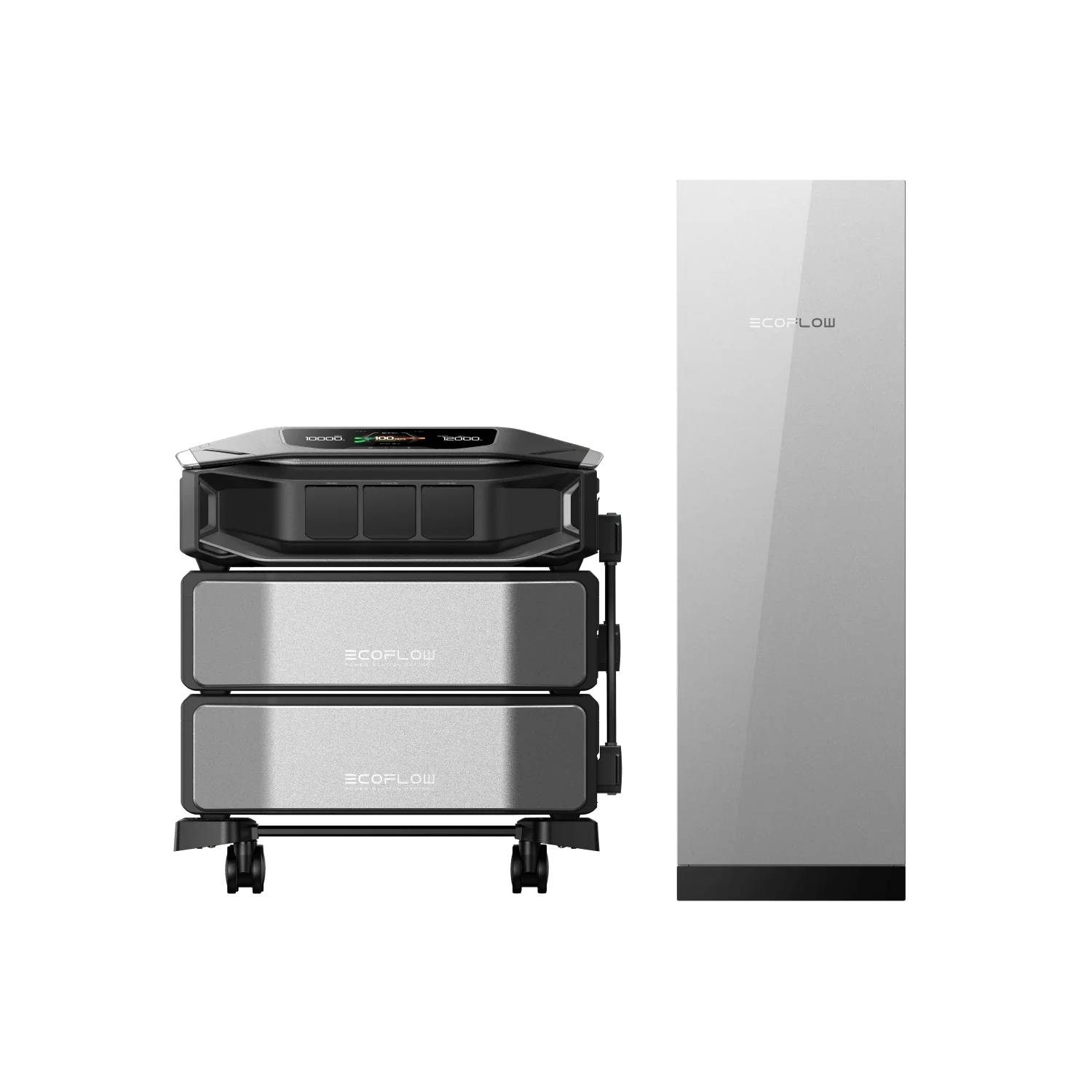
Because these storms can escalate quickly, many households prepare backup power and emergency systems in advance. For example, resilient home energy setups like the EcoFlow DELTA Pro Ultra X + Smart Home Panel 3 bundle can help maintain essential power during outages.
Protect Your Home Before the Storm
Taking a few preventative steps before a spring storm hits can significantly reduce damage to your home and help keep your family safe.
Most storm-related issues like flooding, power loss, and wind damage can be minimized with simple preparation done ahead of time.
Step 1: Secure Outdoor Items
Bring patio furniture, grills, trash bins, and decorations indoors or anchor them down to prevent them from becoming dangerous in strong winds.
Step 2: Clean Gutters and Drains
Clear out leaves and debris so rainwater can flow properly and reduce the risk of roof leaks and basement flooding.
Step 3: Reinforce Windows and Doors
Close storm shutters or use plywood to protect glass from wind-blown debris and pressure changes.
Step 4: Prepare an Emergency Supply Kit
Gather essentials like water, non-perishable food, flashlights, batteries, a first-aid kit, and any necessary medications.
Step 5: Set Up Backup Power
Ensure you have a backup energy source ready to keep essential devices running during outages.
For short outages, compact systems like the EcoFlow DELTA 3 Classic can keep essential devices powered, while higher-capacity options like the EcoFlow DELTA 2 Max support longer runtimes.
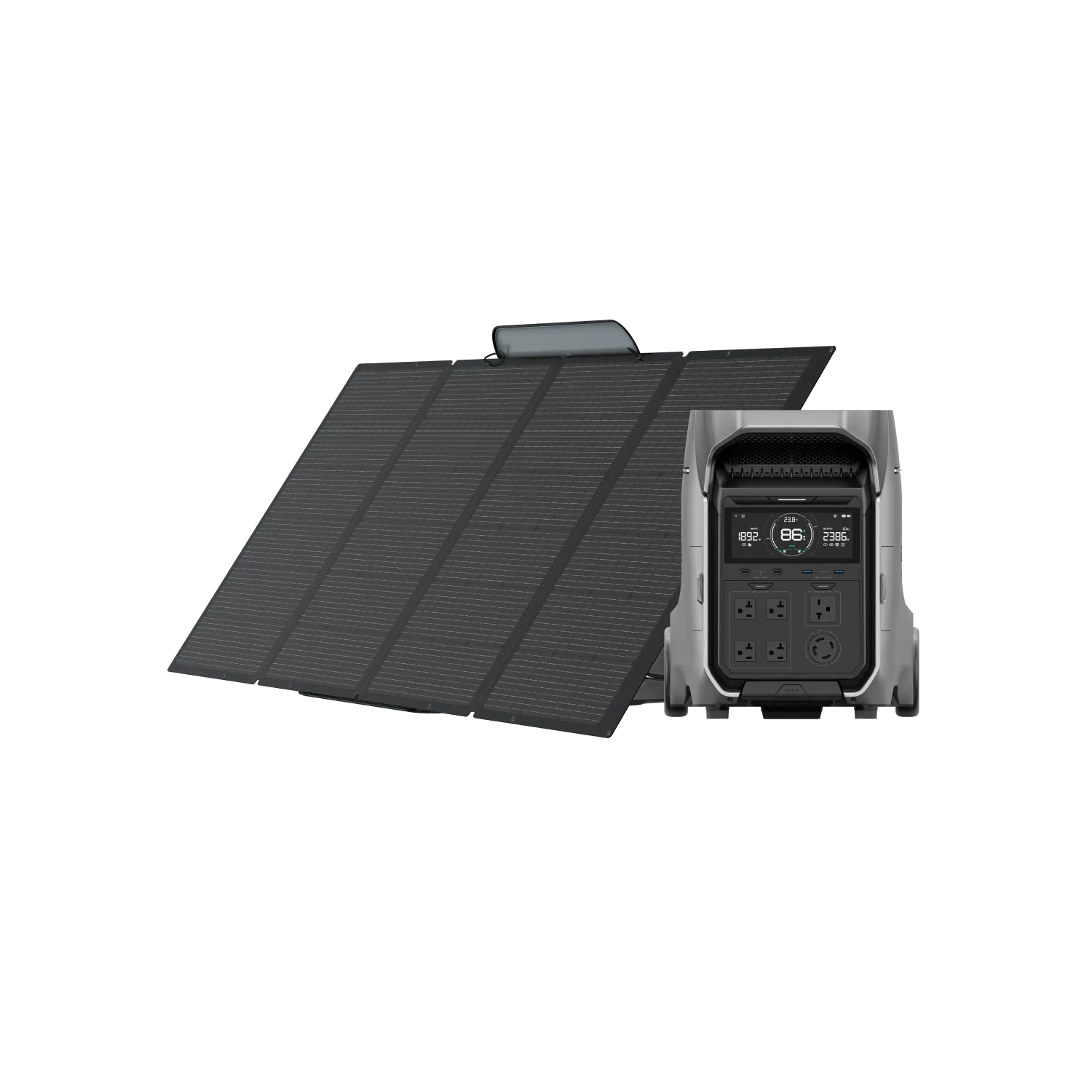
For multi-day outages or whole-home backup, systems like the EcoFlow DELTA Pro 3 + 400W Solar Panel provide reliable, scalable energy.
Step 6: Review Your Emergency Plan
Confirm that everyone in your household knows evacuation routes, emergency contacts, and what to do if the storm worsens.
Build a Storm-Ready Emergency Kit and Family Communication Plan
A simple emergency kit and clear communication plan help your household stay safe and connected during severe storms. Aim to cover basic survival needs and reliable ways to reach each other for at least a few days.
Pack Water and Food
Store at least 3 days of bottled water and non-perishable food like canned goods and snacks.
Include Medications and First Aid
Keep prescriptions, pain relievers, and a basic first-aid kit ready in a waterproof bag.
Add Lighting and Backup Power
Pack flashlights, extra batteries, and a portable charger or backup power source like whole home backup power solutions.
Make a Communication Plan
Decide how and where to meet if separated, and set backup ways to contact each other.
Keep Phones Charged
Fully charge devices ahead of storms and have backup charging options ready.
What to Do During Severe Weather
Stay calm and focus on safety during severe weather.
Avoid unnecessary movement.
Stay indoors whenever possible.
Be ready to react quickly if conditions change or emergencies develop.
Prioritize staying informed and protected until the storm passes.
Safety Tips for Home, Travel, and Sudden Changes
Stay indoors in a safe interior space away from windows
Avoid all non-essential travel, especially through flooded or windy areas
Keep monitoring weather alerts so you can respond quickly if conditions worsen or emergency instructions are issued
Plan for Spring Outages: From Short Blackouts to Multi-Day Events
Spring storms can cause anything from brief power interruptions to long-lasting outages. Preparing in advance helps you stay safe, keep essentials running, and reduce disruption, no matter how long the outage lasts.
Plan for different outage lengths by having simple backup power for short blackouts and more sustained solutions for longer and multi-day outages:
Short outages: EcoFlow DELTA 3 Classic for essential devices.
Extended outages: EcoFlow DELTA 2 Max for longer runtimes.
Multi-day or whole-home backup: EcoFlow DELTA Pro 3 + 400W Solar Panel for sustained, high-demand power.
Whole-home or long-duration outages: EcoFlow DELTA Pro Ultra X + Smart Home Panel 3 for scalable, automatic backup across multiple circuits.
Frequently Asked Questions
When Is the Early Spring Severe Weather Season in the US?
Early spring severe weather season typically runs from March through May, when warm, moist air clashes with cooler systems, especially across the central and southern U.S.
What’s the Difference Between a Severe Weather Watch and Warning?
A watch means conditions are favorable for severe weather to develop. A warning means severe weather is already happening or imminent in your area.
What Should I Do First When the Power Goes Out During a Storm?
First, check for immediate safety hazards, then report the outage if needed, and switch to backup lighting while keeping fridge/freezer doors closed to preserve your food.
How Do I Choose the Right Backup Power for Spring Storm Outages?
Choose based on your needs: short outages require basic device charging, while longer outages require higher-capacity systems that can power essential home appliances for extended periods.
Prepare Once, Stress Less All Season Long
Spring storms can bring sudden weather changes, power outages, and flooding, but most risks can be reduced with simple preparation. By securing your home, building an emergency kit, staying informed, and planning for outages well in advance, you can handle severe weather with far less stress throughout the season.
Explore backup power solutions to find the right setup for your needs, from portable systems for short outages to scalable whole-home solutions for severe storms.
For press requests or interview opportunities, reach out to our media team
media.na@ecoflow.com