Can You Live Off-Grid in Texas? Rules, Costs, and Power
- What Does It Mean to Live Off-Grid in Texas?
- Is It Legal to Live Off-Grid in Texas?
- What Zoning and Building Rules Apply to Off-Grid Properties?
- What Are the Water and Waste Rules for Off-Grid Homes in Texas?
- How Much Does It Cost to Live Off-Grid in Texas?
- How Do You Power a Home Off-Grid in Texas?
- Where Is the Best Place to Live Off-Grid in Texas?
- Frequently Asked Questions
- Reliable Solar Power Makes Off-Grid Living in Texas Possible Year-Round
Off-grid living in Texas has become increasingly popular as families look for space, self-sufficiency, and lower monthly costs. But going off-grid isn't as simple as buying land and disconnecting from the utility company.
Texas law, county regulations, and practical considerations around water, waste, and power all shape whether off-grid life is realistic, affordable, and legal for your property.
What Does It Mean to Live Off-Grid in Texas?
Living off-grid means generating your own power, sourcing your own water, and managing your own waste, independent of municipal utilities.
In Texas, that usually means a well or rainwater system, a septic system, and solar paired with battery storage.
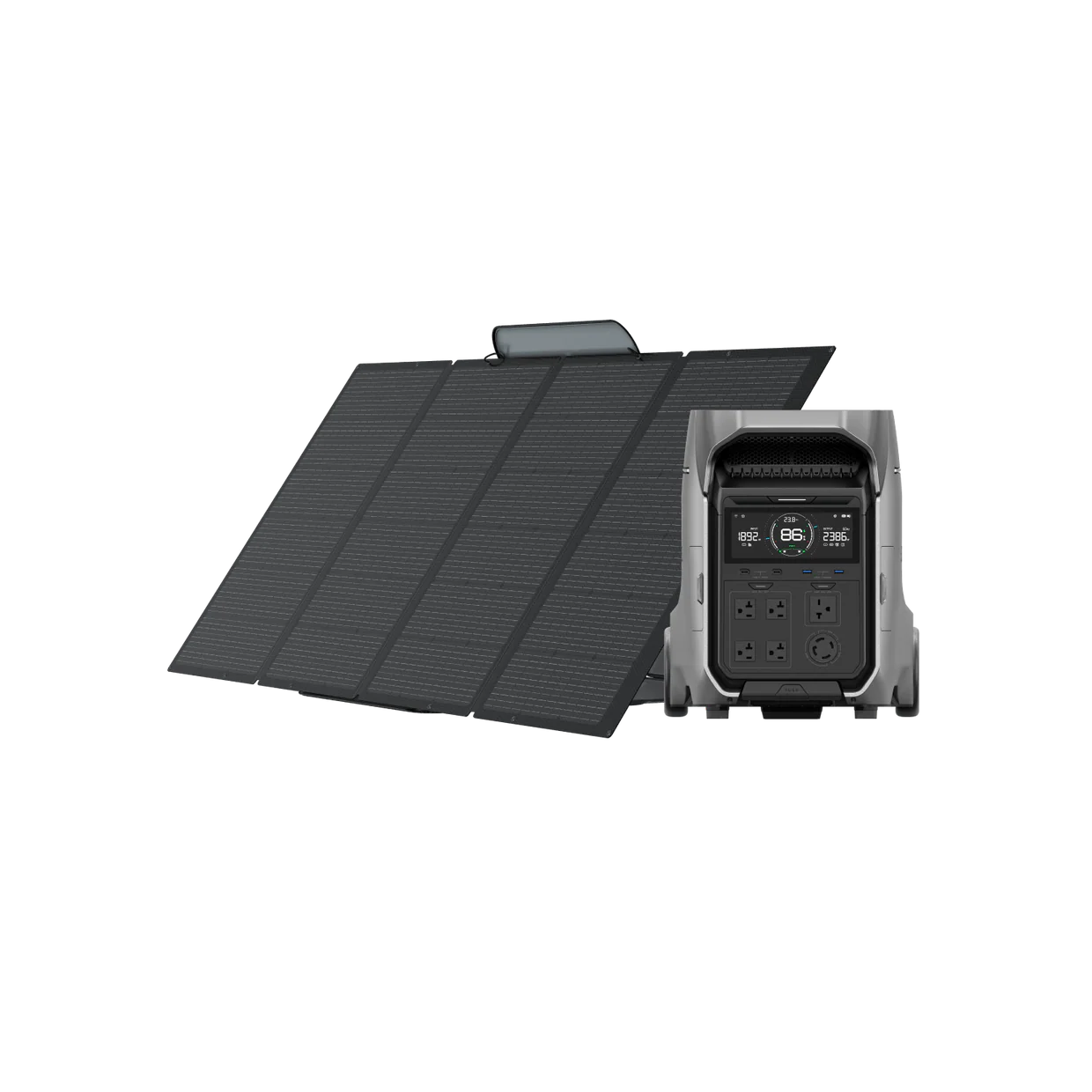
Many Texans start with a system like the EcoFlow DELTA Pro 3 Solar Generator + 400W Solar Panel, sized to daily energy use, then scale up battery capacity for cloudy days. Abundant sunshine makes solar a strong backbone for off-grid power, even where grid reliability is unpredictable.
Is It Legal to Live Off-Grid in Texas?
Yes, it's legal to live off-grid in Texas. The state doesn't require homeowners to connect to public utilities, and there's no statewide law banning self-sufficient living. Texas even protects the practice: Texas Property Code 202.007 stops HOAs from banning rainwater harvesting systems, and the state exempts that equipment from sales tax.
That said, legality depends on where you buy. Some HOAs restrict solar panels, septic systems, or non-standard construction, so check deed restrictions first.
What Zoning and Building Rules Apply to Off-Grid Properties?
Zoning and building codes are set at the county level, so rules vary widely by location.
Most unincorporated rural counties have little to no zoning, which is why off-grid living is most common in rural West, Central, and East Texas. Cities and suburban counties typically require building permits and utility connections where available.
Contact the county's planning office before buying. Some allow tiny homes and manufactured housing with few restrictions, while others require a traditional foundation and inspection.
What Are the Water and Waste Rules for Off-Grid Homes in Texas?
The state allows homeowners to collect rainwater for non-potable and potable use, and it actively encourages the practice through tax incentives, according to the Texas Water Development Board. A filtered rainwater system, a well, or a hauled water tank all serve as legal off-grid water sources.
Wastewater is more tightly regulated. Any septic system, officially an On-Site Sewage Facility (OSSF), needs a permit from your county's authorized agent, per the Texas Commission on Environmental Quality.
Properties of 10 acres or more meeting site and setback requirements may qualify for an exemption, though a licensed evaluation is still required.
How Much Does It Cost to Live Off-Grid in Texas?
Costs vary by location and power needs, but three categories drive most off-grid budgets.
Land and Property Costs
Rural land in Texas averaged $5,246 per acre in early 2026, up roughly 6% year-over-year, according to the Texas Real Estate Research Center at Texas A&M University.
Prices vary by region. West Texas runs closer to $2,878 per acre, while land near San Antonio ranges from $1,700 to $5,500.
Water and Septic System Costs
A conventional septic system typically costs several thousand dollars to install, with pricing driven by soil type, lot size, and the system your site evaluation requires.
Wells, storage tanks, and rainwater catchment systems add further costs, though rainwater systems qualify for the sales tax exemption mentioned earlier.
Solar and Power System Costs
Solar costs have dropped, with the average installed system in Texas now running $2.19 to $2.50 per watt, well below the national average, based on 2026 pricing from EnergySage. A household-sized system, roughly 13 to 14 kilowatts, typically costs $25,000 before incentives.
The federal solar tax credit expired at the end of 2025, so off-grid buyers should budget for the full cost.
How Do You Power a Home Off-Grid in Texas?
Solar paired with battery storage is the standard setup off-grid, since the state’s sun hours make it the most consistent source in nearly every region.
Some Panhandle and West Texas properties add small wind turbines for overcast days, but panels and batteries do most of the work.
A propane or gas generator can serve as backup, though leaning on it as a primary source means regular fuel deliveries.
Sizing matters more off-grid than for a grid-tied home, since there's no utility to fall back on.
Start with actual daily energy use, then size the solar array and a whole-home battery backup to cover a few days without full sun.
The same logic applies to grid-tied homeowners bracing for Texas blackouts: the cost of outages often justifies solar and battery backup even before going fully off-grid.
Where Is the Best Place to Live Off-Grid in Texas?
Certain regions suit off-grid living better than others, thanks to land prices, sunshine, and county flexibility.
Texas Hill Country: Rolling terrain and reliable well water, though land prices run higher than remote regions.
East Texas Piney Woods: Higher rainfall suits rainwater collection, with dense tree cover for shade and windbreaks.
Panhandle Plains: Wide-open, lower-priced land with strong wind and solar resources, though winters are harsher.
Big Bend and West Texas: Some of the state's most affordable land and abundant sunshine, ideal for solar-dependent setups.
Frequently Asked Questions
Is It Illegal to Live Off-Grid in Texas?
No. As a homeowner, you are not required to connect to public utilities, and there's no state law against generating your own power, collecting rainwater, or using a septic system. Legality depends on your county and any deed restrictions or HOA rules tied to the property. Confirm zoning, building, and utility requirements with the county before purchasing land for off-grid use.
Do You Need a Permit for a Septic System in Texas?
In most cases, yes. Installing, altering, or repairing a septic system requires an On-Site Sewage Facility permit from your county's authorized agent. Properties of 10 acres or larger that meet site evaluation and setback requirements may qualify for an exemption. Permitting authorities generally have 30 days to approve or deny an application once submitted.
Can You Legally Collect Rainwater in Texas?
Yes. Texas law treats rainwater as legal to collect and use, including for drinking water once properly filtered and treated. The state offers a sales tax exemption on harvesting equipment, and HOAs can't legally prohibit rainwater collection systems. Many off-grid properties rely on rainwater as their primary or supplemental water source.
Reliable Solar Power Makes Off-Grid Living in Texas Possible Year-Round
Living off-grid in Texas is legal and increasingly common, but success depends on the right county, a realistic budget, and a power system built for Texas heat and grid uncertainty. With clear rainwater rules, straightforward septic permitting, and strong year-round solar, Texas offers a realistic path to self-sufficient living.
If recurring Texas grid failures have you rethinking your setup, start by sizing an EcoFlow DELTA Pro 3 + 400W Solar Panel setup around your actual power needs. Built right, it can keep your home running well beyond the reach of the utility grid.
For press requests or interview opportunities, reach out to our media team
media.na@ecoflow.com