How Much Does a Whole-House Generator Cost in 2026?
- What Is a Whole-House Generator?
- How Much Does a Whole-House Generator Cost in 2026?
- What Factors Affect Whole-House Generator Cost?
- How Do You Compare Generator Costs to Battery Backup Costs?
- How Can You Reduce the Cost of Whole-Home Backup Power?
- Frequently Asked Questions
- Whole-Home Battery Backup Delivers Reliable Power Without Fuel and Maintenance Costs
A whole-house generator promises uninterrupted power during outages, but the price tag goes well beyond the unit itself. Installation, permits, fuel, and maintenance costs all factor into what you'll actually pay in 2026.
Here's what typical costs look like, what drives them up or down, and how generators compare to battery-based backup power.
What Is a Whole-House Generator?
A whole-house generator is a backup power system built to keep your entire home running during an outage, and it comes in two main forms: gas-fueled standby generators and battery-powered systems, which can also be paired with solar.
A gas-fueled standby generator is permanently installed and wired directly into your home's electrical panel through an automatic transfer switch. When utility power fails, it detects the outage and starts within seconds, powering your entire home rather than just a few circuits.
These systems typically run on gas, and they require a concrete pad, professional installation, and local permitting before they can turn on.
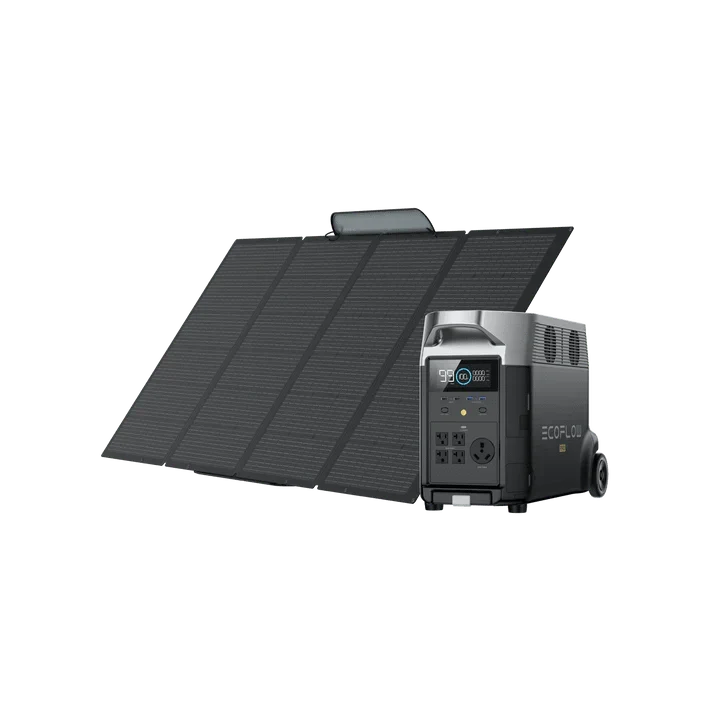
Not every household needs a fuel-powered system this large. A battery-powered alternative like the EcoFlow DELTA Pro Portable Power Station + 400W Solar Panel can cover essential circuits, refrigerators, medical equipment, and Wi-Fi without a permanent gas line or annual engine maintenance, recharging from sunlight instead of a fuel tank.
How Much Does a Whole-House Generator Cost in 2026?
Battery-powered whole-home generators are the newer alternative to gas, and more homeowners are choosing them over a traditional standby generator for the combination of lower running costs and dependable, fuel-free performance.
An entry-level setup like the EcoFlow DELTA Pro Portable Power Station + 400W Solar Panel starts at $2,399, enough to keep a refrigerator, medical equipment, and Wi-Fi running through shorter outages.
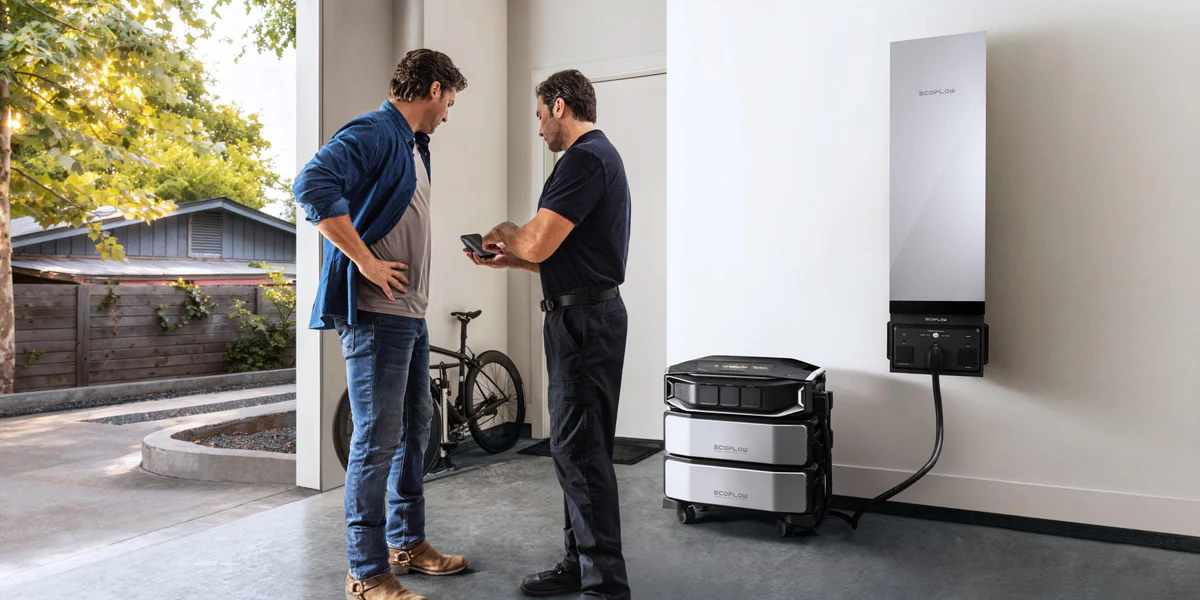
The EcoFlow DELTA Pro 3 Whole-Home Power Kit with 2 x EcoFlow DELTA Pro 3 + Smart Home Panel 2 delivers 8 kW of continuous output for $5,299, which is comparable to a mid-range natural gas generator, without a gas line or transfer switch installation.
For full-panel coverage on par with a premium 20–25 kW standby generator, 2 x EcoFlow DELTA Pro Ultra X units + Smart Home Panel 3 deliver 24 kW of output starting at $18,799.
Traditional whole-house generators are harder to pin to a single number. Installed pricing depends heavily on generator size and installation complexity, but most homeowners land between $7,000 and $15,000 for a fully installed system, before accounting for permits, gas line work, and electrical upgrades that are typically billed separately.
What Factors Affect Whole-House Generator Cost?
Fuel Type
Natural gas generators connect to your existing utility line, so you skip the fuel tank but may need pipeline upgrades. Propane systems need a dedicated tank, which adds equipment cost but stores fuel indefinitely. Diesel units are powerful and common in commercial settings, but bringing one into a residential yard means managing a large fuel tank, degradation issues, and stricter local codes.
Home Size and Power Needs
Generator sizing is measured in kilowatts, and the number of circuits, appliances, and HVAC equipment you want to keep running determines how large a unit you need. A home running just a refrigerator and a few lights needs far less capacity than one keeping central air, well pumps, and kitchen appliances online at once.
Installation and Permitting
Installation costs vary widely from home to home, since the concrete pad, wiring run, and transfer switch connection all depend on your electrical panel's location and condition.
Permits, inspections, and any gas line extension are typically billed separately from the unit itself and can add substantially to your total, depending on your municipality and how far the generator sits from existing utility lines.
Maintenance and Running Costs
Annual maintenance for a standby generator runs $200 to $600 for oil changes, filter replacement, and load testing. Fuel is the ongoing cost that catches most owners off guard: running a mid-size propane generator for a single week-long outage can cost over $1,000.
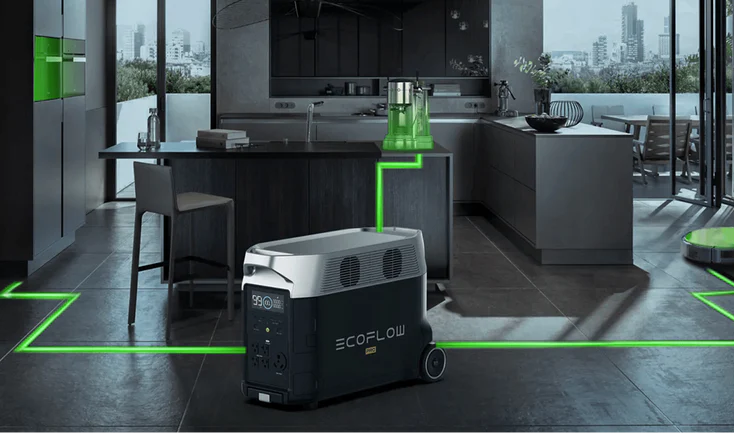
A battery-based system skips this category of cost almost entirely. There's no oil, filters, or load testing to schedule, and no fuel to buy at any price, so the only real upkeep is an occasional firmware update through the app.
EcoFlow also backs its power stations with a multi-year warranty, which varies by model, adding another layer of cost certainty.
How Do You Compare Generator Costs to Battery Backup Costs?
Upfront pricing between the two options isn't always a close match. An entry-level battery setup can cost a fraction of a fully installed generator, while a full-panel battery system can run higher than a premium standby unit. Where the real difference shows up is in what happens after installation.
A generator's fuel and servicing costs continue for as long as you own it. A battery-based system, like an EcoFlow whole-home backup power system, has no fuel costs and draws its charge from the grid or solar panels, so the main ongoing expense is an occasional hardware add-on as your household's power needs grow.
The two also differ in day-to-day experience. A generator runs loudly and needs a dedicated outdoor pad away from windows, while a battery system operates silently and can sit indoors, like in a garage. When comparing options side by side, tri-fuel and battery backup systems differ most in runtime, noise, and maintenance needs.
How Can You Reduce the Cost of Whole-Home Backup Power?
You don't need the largest generator on the market to stay protected during an outage. Sizing your system around the circuits you actually use, rather than your entire panel, can shave thousands off the installation bill, since smaller units need less wiring, a smaller pad, and often skip costly gas line upgrades entirely.
Pairing your backup power with solar also cuts costs over time. A modular system like the EcoFlow DELTA Pro 3 Whole-Home Power Kit builds in stages: you can start with core coverage for your refrigerator, Wi-Fi, and a few outlets, then add battery capacity or solar panels as your budget allows, rather than financing an oversized generator all at once.
That flexibility is one of the clearest cost advantages a battery-based system has over a fixed-size standby generator.
Frequently Asked Questions
Is a Whole-House Generator Worth the Cost?
For homes in areas with frequent, multi-day outages, a whole-house generator can be worth the investment, especially if you rely on medical equipment, well pumps, or climate control. For shorter or less frequent outages, a smaller, expandable battery system often delivers similar peace of mind at a lower total cost, since it skips fuel and annual engine maintenance entirely.
How Much Does It Cost to Run a Whole-House Generator Per Hour?
Hourly running costs vary by fuel type. For a 20 to 22 kW unit at half load, diesel runs around $3.37 per hour, natural gas costs closer to $3.95 per hour, and propane is the priciest at roughly $6.30 per hour, based on national average fuel prices. Multiply that by the length of an outage, and a multi-day event can add up to hundreds of dollars in fuel alone.
Do Whole-House Generators Need Professional Installation?
Yes. Whole-house generators require a licensed electrician to install the transfer switch and connect it to your home's panel, and most jurisdictions also require a permitted gas or propane line if applicable. DIY installation isn't recommended and can void warranties, so budget for professional labor as part of your total project cost.
Whole-Home Battery Backup Delivers Reliable Power Without Fuel and Maintenance Costs
Whole-house generator costs add up well beyond the sticker price once you factor in installation, permits, fuel, and annual servicing. A battery-based system sidesteps most of those ongoing expenses since it never needs refueling and asks little of you beyond the occasional software update.
If avoiding a four-figure propane bill after your next outage sounds more useful than a bigger fuel tank, EcoFlow's whole-home generator lineup is a straightforward way to get there.
Note: EcoFlow prices reflect list pricing at the time of writing and are subject to change. Visit the linked product pages for current pricing and active sales.
For press requests or interview opportunities, reach out to our media team
media.na@ecoflow.com