Thunderstorm Asthma: Why Allergies Spike During Storms
- What Is Thunderstorm Asthma?
- The Science Behind Storm-Triggered Respiratory Attacks
- Who's Most at Risk?
- Why Power Outages Make Thunderstorm Asthma Deadly
- Backup Power Solutions for Respiratory Health Protection
- Preparing Your Home for Thunderstorm Asthma Season
- Prepared Homes Reduce Thunderstorm Asthma Risk
If you've noticed that you experience more asthma symptoms when a thunderstorm occurs, you're not alone. Thousands report these effects every year during severe weather events.
This health phenomenon occurs when storm outflows fragment pollen into microscopic particles that can penetrate deeply into the lungs and cause irritation. Traditional allergy sufferers experience unprecedented respiratory issues, and even those with mild asthma can experience respiratory distress during storms.
Power outages, which commonly occur during storms, can eliminate critical air filtration that protects the lungs, making backup power solutions essential for maintaining respiratory health.
What Is Thunderstorm Asthma?
Thunderstorms that occur during high pollen seasons can trigger severe asthma attacks. Symptoms include sudden wheezing, a tight chest, trouble breathing, or coughing fits. Even people with no prior history of asthma can feel these effects. Those who suffer from hay fever or the common cold are also vulnerable.
Episodes often occur 24 to 48 hours before, during, or after storm systems. They're different from seasonal allergies. Thunderstorm asthma symptoms are acute, severe, and may even require emergency care.
The Science Behind Storm-Triggered Respiratory Attacks
Storm downdrafts can create powerful wind shear, which breaks pollen grains apart and sends them flying through the air, which you then breathe in.
Intact pollen grains are about 20 to 30 micrometers, which is too large for deep lung penetration. However, fragmented particles are 0.5 to 2.5 micrometers, which can bypass all of your nasal defenses and reach the alveoli in your lungs.
One single grass pollen grain can fragment into more than 700 microscopic allergen particles. Changes in humidity can also cause pollen grains to rupture, releasing cytoplasm that contains allergens once hydrated by saliva or mucus.
Electrical charges in the air during storms can increase the time that these particles are suspended in the air, giving them more time to penetrate the lungs. The unique temperature inversions that occur during storms can trap fragmented particles near the breathing zone, making it hard to avoid them.
Who's Most at Risk?
Asthma sufferers, hay fever sufferers, or individuals with undiagnosed pollen sensitivity are among the most at-risk populations. Hay fever sufferers experience the most severe reactions during the peak grass pollen season, which typically spans from April to December, but varies by region.
Those who have never experienced asthma may also have an undiagnosed sensitivity to pollen, noticing flare-ups before, during, and after storms. Ages between 20 and 60 are the most affected, with children and the elderly having different exposure patterns. If you live near grasslands, agricultural areas, parks, or golf courses in rural or suburban areas, you may also experience more severe reactions.
Specific geographic hotspots where these thunderstorm asthma cases occur include southeastern Australia, parts of the UK, and Mediterranean regions; however, it can happen anywhere. Those with compromised immune systems or existing respiratory conditions may be particularly vulnerable, as well as individuals taking certain medications that affect bronchial function.
Why Power Outages Make Thunderstorm Asthma Deadly
HVAC systems are our primary defense against thunderstorm asthma. HEPA filtration can remove 99.97% of particles that are greater than 0.3 micrometers. Air conditioning also creates positive pressure in the air, which prevents outdoor air infiltration, keeping the indoor space clean of pollen and allergens.
Additionally, the humidity control that AC provides prevents pollen grain rupture indoors, keeping any pollen intact that has made its way inside.
When the power goes out during a storm, you lose the filtration that protects what's most critical. It may also force windows open and allow contaminated air to enter. During these instances, you also won't have access to medical equipment, such as nebulizers, oxygen concentrators, and refrigerated medications that can help asthma sufferers, which require power. Widespread blackouts also overwhelm emergency response systems, creating more strain and longer wait times.
Backup Power Solutions for Respiratory Health Protection
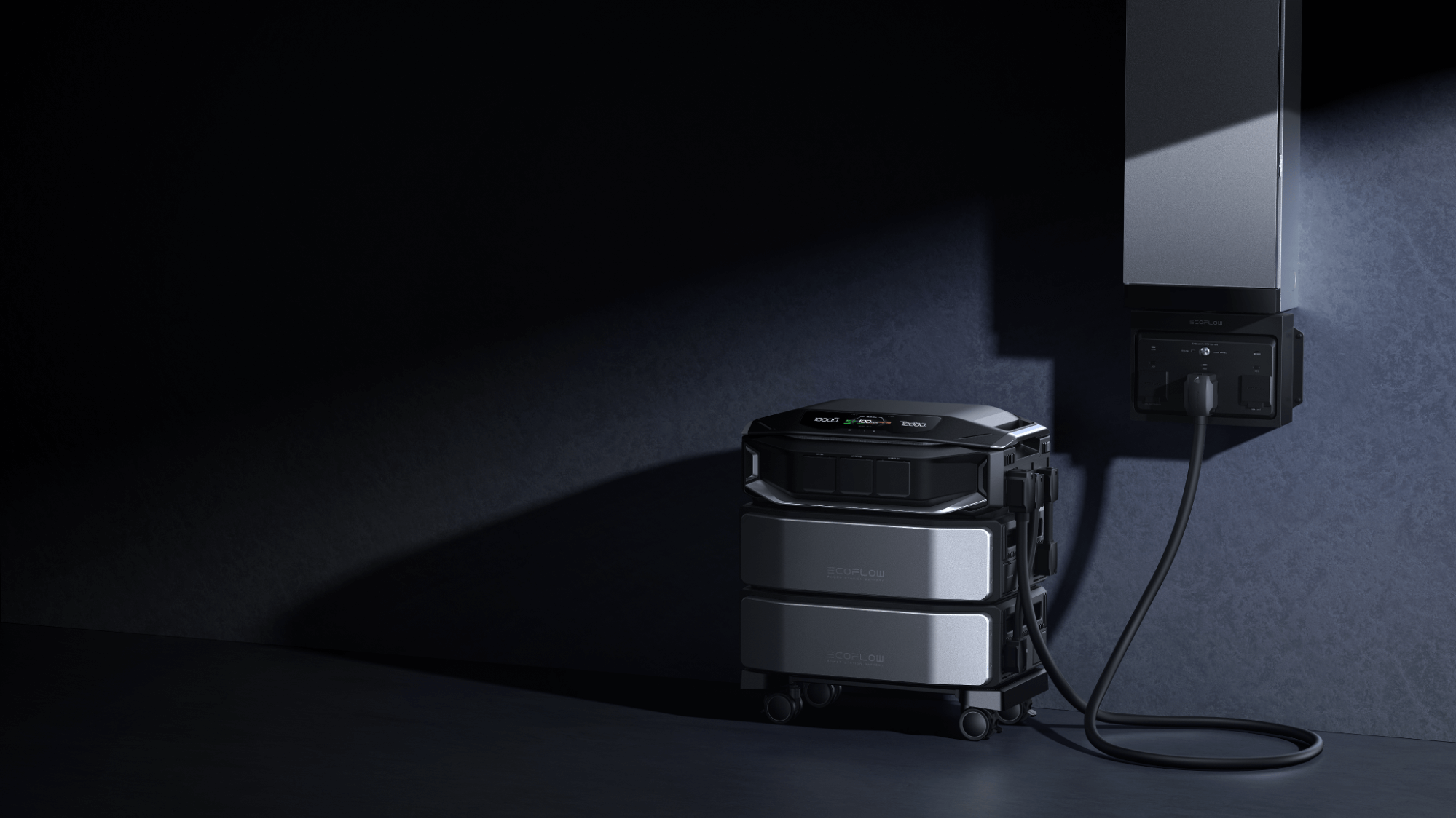
Backup power solutions on standby are absolutely critical for protecting respiratory health during thunderstorms, especially if anyone in your household has experienced thunderstorm asthma or allergies. EcoFlow Whole-Home Backup Power Solutions allow you to maintain power, including HVAC operation, during typical storm outages.
At the very least, a small portable power station can run a portable air conditioning unit, allowing you to stay indoors in one room while relying on its filtration power. However, large-capacity options, such as the EcoFlow DELTA Pro Ultra X, can run central air conditioning in your home for several hours.
You can integrate it automatically into your home's electrical system via smart panels that will switch to backup power immediately and maintain a sealed environment. You can also use these power solutions to run medical devices and enjoy peace of mind knowing that quiet, carbon monoxide-free operation won't disturb you or put your health further at risk.
Preparing Your Home for Thunderstorm Asthma Season
Before a thunderstorm asthma season rolls around, there are a few steps you can take to prepare your home for severe weather:
Start by installing high-efficiency HVAC filters to capture pollen before it gets to you.
You should also seal any air leaks around your doors, windows, or electrical outlets to prevent further infiltration.
Designate a safe room indoors with an independent air purifier and access to backup power if needed.
Always stock emergency medications, including rescue inhalers, antihistamines, or corticosteroids that your doctor recommends.
Establish a power backup system that is sized correctly to support critical respiratory equipment and any other power requirements you may have.
Monitor weather apps such as the National Weather Service and check out pollen forecasts and thunderstorm asthma alerts. They may give you a heads-up before symptoms start.
Create an emergency action plan that includes hospital contact information, the location of any necessary medication, and power priorities in case of an asthma attack. Always practice this plan before the storm season begins so everyone in the household knows what to do.
Prepared Homes Reduce Thunderstorm Asthma Risk
Asthma is a serious health threat, but you can take proactive steps to reduce the risks. Understanding why this happens, including the science behind pollen fragmentation, can help you identify risk periods and understand the threat itself.
Maintaining your indoor air quality using powered filtration systems and keeping your HVAC system running can save lives. When storms knock out the power, having backup power solutions on hand can provide critical protection, especially for anyone in the home with asthma or undiagnosed allergies.
For press requests or interview opportunities, reach out to our media team
media.na@ecoflow.com