How to Start a Garden: A Step-by-Step Guide for Beginners
So many first gardens fail in the first month, and it's rarely a lack of effort. Learning how to start a garden usually comes down to a handful of basic setup steps that get skipped early on, not some deeper gardening talent the first-timer was missing all along. Most of the fixes are simple once you know where to look, which is really the whole point of walking through them in order.
Gardens set up away from the house often need their own power source for watering, since running a cord or hose that far gets impractical fast. Two EcoFlow options worth knowing about here are the DELTA 3 Plus and the DELTA 3 Max Plus, with full specs and use cases covered later in the "Powering a Garden That's Far From the House" section.
This guide covers picking a location, improving soil, choosing beginner crops, setting up watering, and keeping a garden going once the first season ends.
How to Start a Garden, the Core Steps
Before getting into soil and planting details, two decisions shape everything else about how to start a garden successfully.
Choosing a Location With Enough Sunlight
Most vegetables need six to eight hours of direct sun a day, and anything less limits crop choice significantly. The University of Maryland Extension's guide to starting a vegetable garden also recommends choosing a site with at least six hours of full sun and easy access to water.
It is worth watching a potential spot for a full day before committing to it, since tree shade and shadows from structures shift more than most people expect over the course of a single afternoon. A spot that looks fully sunny at noon might sit in shadow for half the morning or evening, which only becomes obvious once you actually track it hour by hour.
Starting Small With a Manageable Bed Size
A small first bed, roughly four by eight feet, beats an ambitious full-yard plan for almost every beginner. A smaller bed is easier to weed, water, and maintain consistently, which matters more for a first-year garden than total square footage ever will. It is far easier to expand a small, well-maintained bed in year two than to rescue a sprawling plot that got away from you by midsummer.
Improving Your Soil Before You Plant
Soil is the groundwork step most new gardeners underestimate, often skipping straight to planting without it.
Why Compost Matters More Than Fertilizer at the Start
Compost improves soil structure and adds organic matter, making it a useful foundation for a new garden. The USDA's composting guide explains how compost can enrich soil, support plant growth, and help improve water retention.
Working a few inches of compost into the top layer of soil before the first planting sets up everything that follows far better than a bag of fertilizer alone, since good soil structure keeps paying off long after that first bag of fertilizer is gone.
Testing and Amending What You've Got
A basic soil test is worth the small cost. Cheap kits or a local extension office can flag pH or nutrient issues before planting rather than after a crop has already struggled through a season without anyone knowing why. Heavy clay and sandy soil both benefit from the same fix in the end: working in organic matter to improve structure, regardless of which extreme your yard leans toward.
Picking Beginner-Friendly Crops
New gardeners often choose crops that are genuinely hard to succeed with in year one, which sets the whole season up for disappointment.
Easy Vegetables for a First Garden
Lettuce is a fast, forgiving crop that shows results within weeks, which makes it a good confidence-builder early on when a first-time gardener needs some visible progress to stay motivated. Tomatoes and peppers are reliable, productive staples for a first vegetable garden, and herbs round things out as a low-effort category that rewards even minimal attention.
Timing Plantings Around Frost Dates
Finding a local last and first frost date determines the planting calendar more than any other single factor. Cool-season crops can go in before the last frost, while warm-season crops like tomatoes need to wait until the danger of frost has fully passed, which is a distinction that trips up a lot of first-time gardeners eager to get started early.
Setting Up a Watering System That Actually Works
Watering deserves direct attention, since inconsistent watering is one of the most common reasons new gardens struggle.
Why Consistent Watering Is the Most Common Early Struggle
Irregular watering, not lack of sun or bad soil, is often what actually kills a first garden's momentum. Gardens set up further from the house or an easy water source are more likely to get neglected simply because watering becomes a chore rather than a quick errand on the way past, and a single missed week during a hot stretch can undo weeks of otherwise good progress.
Manual vs Automated Watering Options
Manual watering, a simple schedule with a hose or watering can, works fine for a small first bed close to the house. Drip irrigation on a timer is the upgrade that removes the daily watering decision entirely, which matters most once a bed sits far enough away that checking on it daily stops happening on its own, no matter how good the intentions were in spring.
Powering a Garden That's Far From the House
Once a bed sits beyond easy reach of the house, power becomes part of the planning rather than an afterthought.
Why Distance From the House Leads to Neglect
A garden bed with no nearby outlet often means no timer, no pump, and watering falls to memory alone, which is exactly the pattern that causes so many first gardens to quietly fade by midsummer. For a full walkthrough of running irrigation without a nearby outlet, the solar-powered garden setup guide covers the details in depth.
Running a Pump or Irrigation Timer Off-Grid
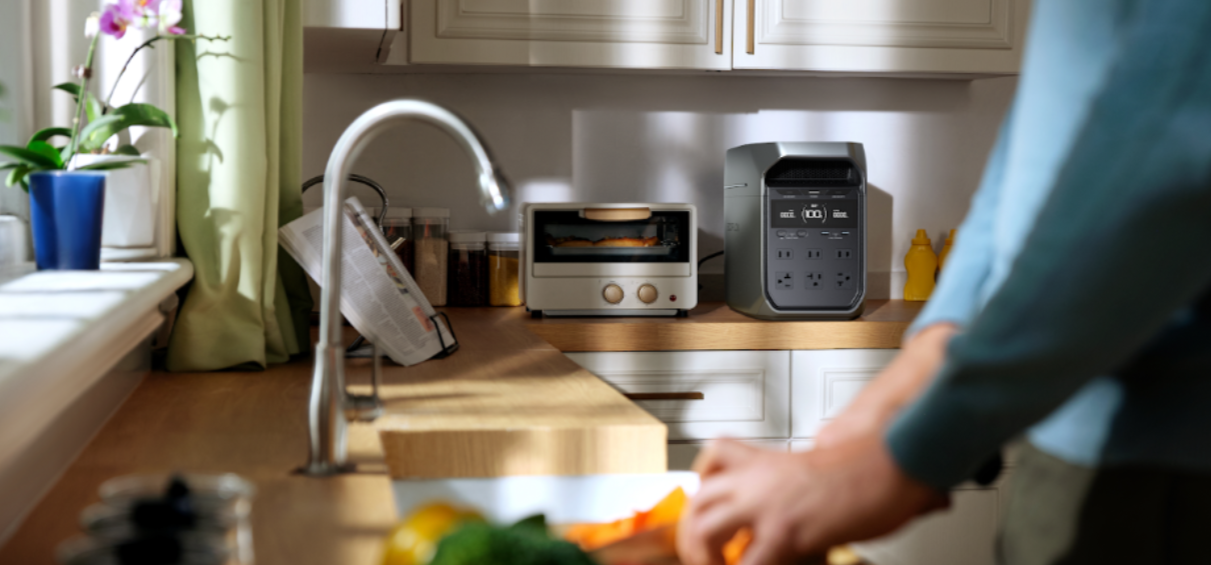
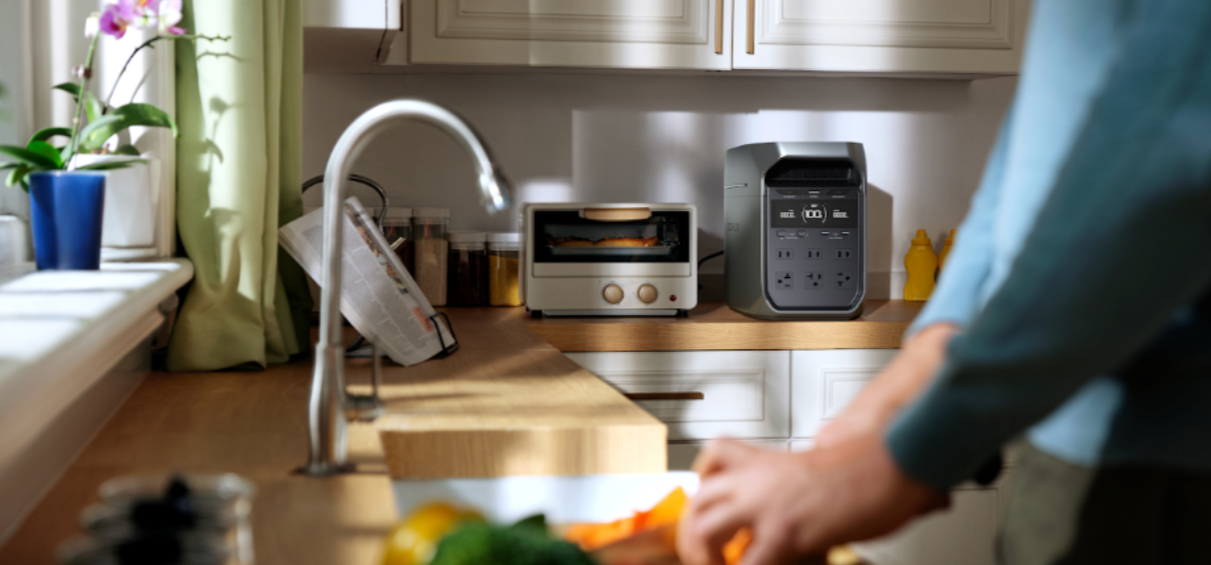
A portable power station solves this by running a small water pump or drip irrigation timer at a bed with no electrical access nearby.
DELTA 3 Plus offers enough capacity to run a timer and small pump for a standard backyard garden setup.
DELTA 3 Max Plus (2048Wh) is a larger capacity option for bigger garden setups or a shed that also needs power for lighting and tools.
For readers whose garden setup includes a shed for tools and storage, solar power for a shed covers how to extend that same off-grid setup a little further.
Keeping Your Garden Going Past the First Season
Carrying momentum beyond the first planting is where a lot of first-year gardens either take root as a lasting habit or quietly stop.
Simple Maintenance Habits
A short weekly check covering weeding, checking for pests, and confirming the watering setup is still working catches most problems before they become serious. Succession planting fast growers like lettuce keeps the bed productive through the season instead of going quiet after the first harvest comes in, since an empty patch of soil is really just an invitation for weeds to take over.
Extending the Season Indoors or in a Shed
Starting seeds indoors before the outdoor planting window opens extends the growing season on both ends of the calendar. For readers who want to keep growing something once the outdoor garden winds down, how to create an indoor herb garden for winter covers how to keep that momentum going through the colder months.
Conclusion
Starting a garden comes down to a sunny spot, decent soil, a few easy crops, and watering that doesn't depend on memory alone. Get those basics right in the first month and the rest of the season tends to take care of itself. Having power on hand for irrigation is worth planning early once a garden bed sits further from the house, rather than something to figure out after the first few weeks of hauling a watering can back and forth.
Frequently Asked Questions
How much sunlight does a vegetable garden need?
Most vegetables need six to eight hours of direct sun a day. Less than that will still grow some crops, but it significantly narrows which vegetables are worth planting.
What is the easiest vegetable to grow for beginners?
Lettuce is one of the most forgiving options, showing results within weeks, while tomatoes, peppers, and herbs also work well as reliable staples for a first vegetable garden.
How big should my first garden be?
A small bed, roughly four by eight feet, is a better starting point than an ambitious full-yard plan, since a smaller bed is easier to weed, water, and maintain consistently through the first season.
How do I keep my garden watered if it's far from the house?
Drip irrigation on a timer removes the daily watering decision, and a portable power station can run that timer or a small pump at a bed with no nearby outlet.
When should I start planting based on frost dates?
Cool-season crops can go in before the last frost date, while warm-season crops like tomatoes need to wait until the danger of frost has fully passed for your area.
For press requests or interview opportunities, reach out to our media team
media.na@ecoflow.com