Solar Power for Shed: How to Set Up an Off-Grid System in the U.S. (Complete Guide)
- Why Solar Power for Sheds Is Growing in the U.S.
- Can You Run a Shed on Solar Power? (Feasibility & Power Needs)
- How to Size a Solar Power System for Your Shed
- What You Need for an Off-Grid Shed Solar Setup
- Best Solar Power Solutions for Sheds in the U.S.
- Cost, Setup Tips & Common Mistakes to Avoid
- Conclusion
- FAQs
Trenching grid power to your shed has become a massive, expensive hurdle. Between the $150-an-hour electrician fees and the backbreaking work of digging a 24-inch deep trench through your yard, you’re easily looking at a $4,000 bill just to plug in a laptop. Off-grid solar is now the practical way to dodge the bureaucracy and the monthly utility hikes. This breakdown covers the essentials of going off-grid so you can stop paying for a trench you don’t need. We’re getting into the nitty-gritty of system sizing, picking the right hardware, and how the latest “all-in-one” setups have finally made DIY solar a weekend project instead of a full-time job.
Why Solar Power for Sheds Is Growing in the U.S.
It seems like every suburban lot from austin to portland has more than just a lawnmower in the shed these days. We’re getting creative with our outdoor spaces, and solar is the engine behind it. But is off-grid solar right for your home? Prepare for these challenges by first evaluating your shed’s specific orientation and shading.
Common Use Cases (Workshop, Garden Office, Storage, Tiny Living)
The days of the dusty storage shed are fading. Whether it’s a “She-Shed” art studio, a weekend woodworking shop, or a garden office used to escape the noise of the main house, these spaces need reliable power. You can’t exactly run a Zoom call or a table saw on a prayer, you need stable electricity for laptops, 5000-lumen LEDs, and charging your tools.
Solar vs. Running Grid Electricity (Cost & Convenience)
Running a dedicated circuit from your main breaker to a shed is surprisingly pricey. Between the permit fees and hiring a licensed pro, that 24-inch deep trench through your landscaping will cost you between $2,000 and $5,000. Solar completely skips the red tape in most jurisdictions and wipes out the monthly bill.
Comparison: Grid Power vs. Off-Grid Solar for Sheds
| Feature | Trenching Grid Power | Off-Grid Solar System |
|---|---|---|
| Upfront Cost | High ($2,000 – $5,000+) | Moderate ($1,000 – $2,500) |
| Installation | Hard (Requires an electrician & digging) | Easy (DIY friendly / Plug-and-Play) |
| Permits | Usually required (NEC compliance) | Often not required for small setups |
| Grid Outages | Goes dark during local blackouts | Total independence (Works 24/7) |
| Ongoing Cost | Monthly utility fees | $0 (Free energy from the sun) |
When Off-Grid Solar Makes the Most Sense
While the grid theoretically offers “unlimited” power, solar gives you the freedom of zero monthly overhead and a setup process that won’t ruin your backyard. It’s the “sweet spot” if your shed is more than 50 feet from the house or if you live in a state like California, where electricity rates are basically a second mortgage. Plus, you get an emergency backup that stays on when a summer storm or a winter freeze knocks out the local lines.
Can You Run a Shed on Solar Power? (Feasibility & Power Needs)
The short answer: absolutely. But before you start bolting panels to your roof, you have to be realistic about your daily “energy appetite.” Solar is not a magic bottomless well; it’s more like a rain barrel. You can only use what you’ve collected. If you want to plan an off-grid lifestyle, you need to start to understand your specific consumption habits.
Key Factors: Sunlight, Roof Space, Location
Your solar harvest depends on your zip code. In Phoenix, you might average 7 peak sun hours a day, whereas a shed in Seattle or Chicago might only see 3.5 to 4 hours. Seasonality is the real kicker. In northern states like Michigan or New York, your winter output can tank by 40-60% compared to July. It’s not just the shorter days; the sun sits lower in the sky, meaning its rays hit your panels at a weaker angle. Also, check for “shading traps.” Even a single branch from a neighbor’s oak tree casting a shadow over 10% of your panel can sometimes cut your power output in half.
How Much Power Does a Shed Use? (U.S. Examples)
Energy needs in an American backyard vary wildly.
The Basic Shed: A single LED light and charging a phone occasionally. (Under 100Wh/day)
The Modern Garden Office: Laptop, secondary monitor, Wi-Fi mesh node, and a desk lamp. (1kWh to 2kWh/day)
The Weekend Workshop: Running a table saw, a shop vac, or the biggest energy hog of all, a portable space heater. (3 kWh+ per day)
Quick Method to Estimate Your Energy Needs
To avoid being left in the dark, you need a ballpark figure. Grab the wattage of your devices and multiply by how many hours they’ll be running.
The Office Example:
10W LED bulb (5 hours) = 50Wh
60W Laptop (6 hours) = 360Wh
25W Monitor (6 hours) = 150Wh
Total: 560Wh per day
Bottom line: Always add a 20% buffer to your final number. Inverters and wires aren’t 100% efficient; they “leak” a little energy as heat, and you don’t want your laptop dying in the middle of a 4 PM Zoom call.
How to Size a Solar Power System for Your Shed
Sizing your system is the one part of the project you can’t wing. If you go too small, your laptop dies at 2 PM; if you overbuild, you’re just lighting money on fire for hardware that sits idle. Here’s the four-step logic to get it “just right.”
Step 1: Calculate Daily Watt-Hours
Take that daily usage number you calculated earlier and tack on a 20% safety margin. No system is perfect, you lose a little energy to heat in the wires and the inverter’s internal “brain.” If your math says you need 1,000Wh, aim to generate 1,200Wh.
Step 2: Estimate Solar Panel Output (U.S. Sun Hours)
Across the U.S., we usually bank on 4 to 5 “peak sun hours” per day. To find your panel needs, take your daily target and divide it by those hours. For most medium-sized sheds, a 220W solar panel is the “Goldilocks” option. It’s small enough to fit on a standard roof but has enough muscle to keep a battery topped up in most U.S. climates. Another thing: it’s easy to wire two of these in a series later if you decide to add a mini-fridge or more monitors.
Step 3: Battery Storage Sizing (Backup Needs)
Since the sun has a habit of going down every night, you need a battery. In 2026, Lithium Iron Phosphate (LiFePO4) is the only way to go for an American shed. They handle the summer heat in Texas and the winter dips in Ohio much better than old lead-acid batteries. At a minimum, size your battery to cover 24 hours of use with zero sun. If you use 1kWh a day, buy at least a 1kWh battery.
Step 4: Matching Inverter Capacity
The inverter is what lets you plug in a standard three-prong U.S. outlet. The key here is peak demand. Even if a circular saw only uses 1,200W while cutting, it might spike to 1,800W the second you pull the trigger. If you’re planning on running power tools or a space heater, you’ll want an inverter rated for at least 2,000W to handle those split-second surges without tripping a breaker.
What You Need for an Off-Grid Shed Solar Setup
Before you start clicking “add to cart” on panels and batteries, you’ve got to clear one administrative hurdle. Even if your city doesn’t require a permit for a small shed project, your Homeowners Association (HOA) might. By 2026, many states like California, and Florida have passed “Solar Access” laws that stop HOAs from outright banning panels. However, they can still be picky about “aesthetics”, things like how far the panels stick up from the roof or the color of the mounting brackets. It’s always better to send a quick email to the board now rather than getting a “notice of violation” taped to your door later.
Core Components (Panels, Battery, Inverter, Controller)
A traditional DIY setup usually involves four main ingredients:
Solar Panels: These collect the light.
Charge Controller: This acts like a gatekeeper to prevent your battery from overcharging.
Battery Bank: Your “energy tank” for when the sun goes down.
Inverter: The box that lets you plug in a standard three-prong U.S. plug.
You’ll also need a mess of thick-gauge wiring (usually 10 or 12 AWG), fuses, and a mounting kit. Integrating a modern solar generator can simplify this list significantly by combining these components into a single unit.
Basic Setup Flow (Simple Wiring Overview)
If you go the traditional route, the wiring follows a strict sequence to keep things from melting down. It’s pretty straightforward: Panels connect to the Charge Controller → the Controller hooks to the Battery → and the Battery feeds the Inverter.
DIY System vs. Plug-and-Play Solution (Key Decision Point)
For most of us, the choice comes down to how much time you want to spend with a wire stripper in our hands. If the idea of troubleshooting a “DIY spark” or matching voltages makes you sweat, an all-in-one power station is the way to go.
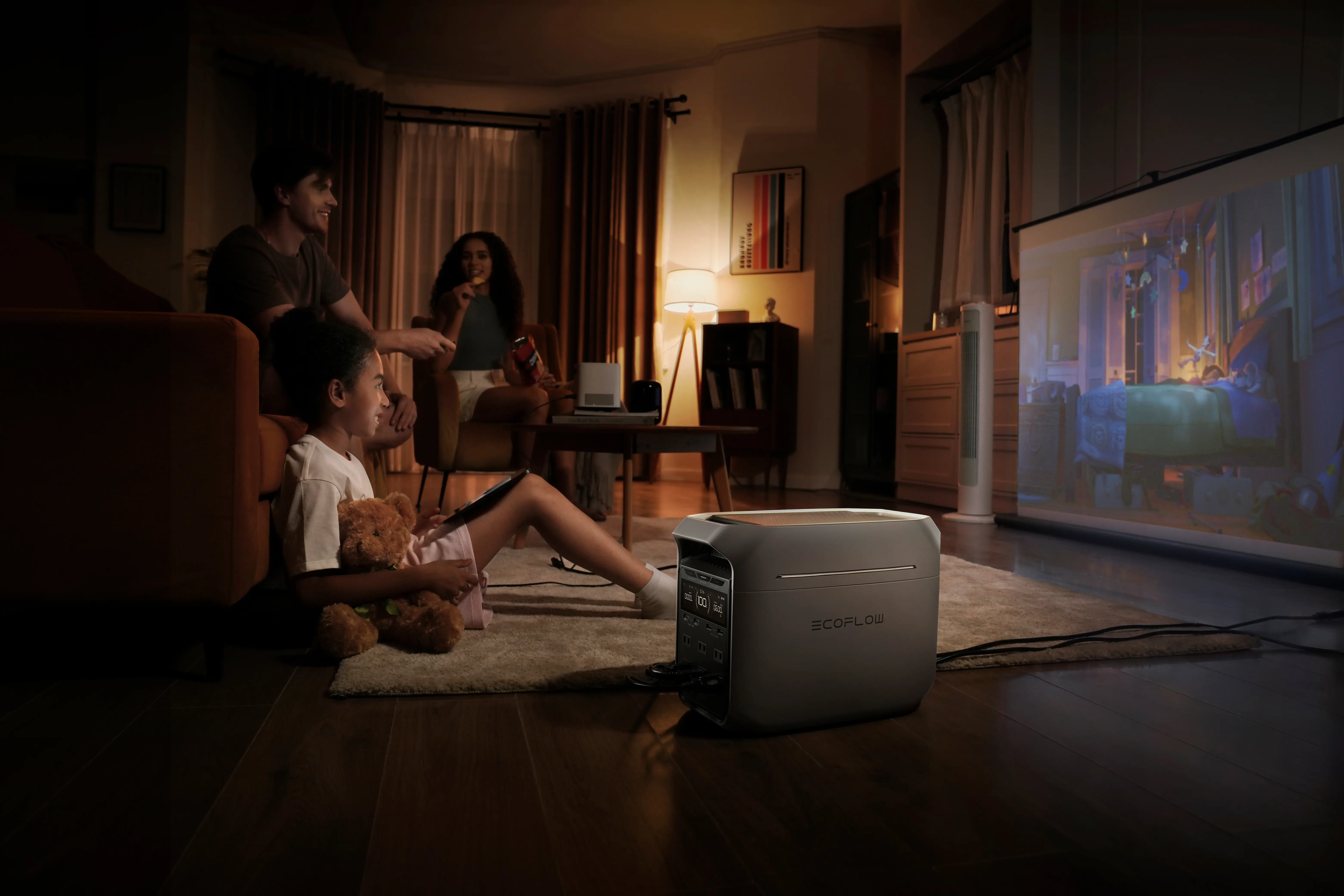
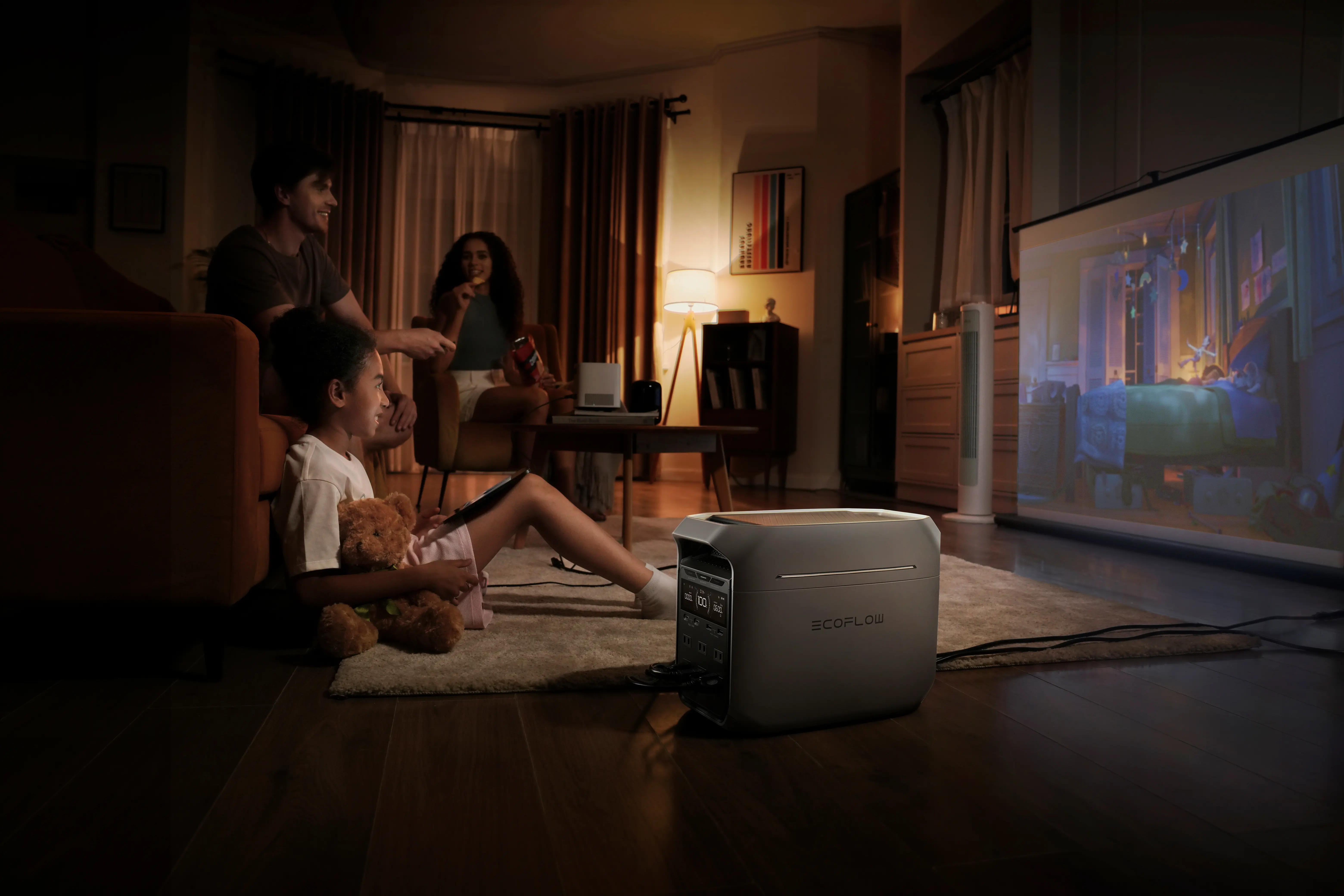
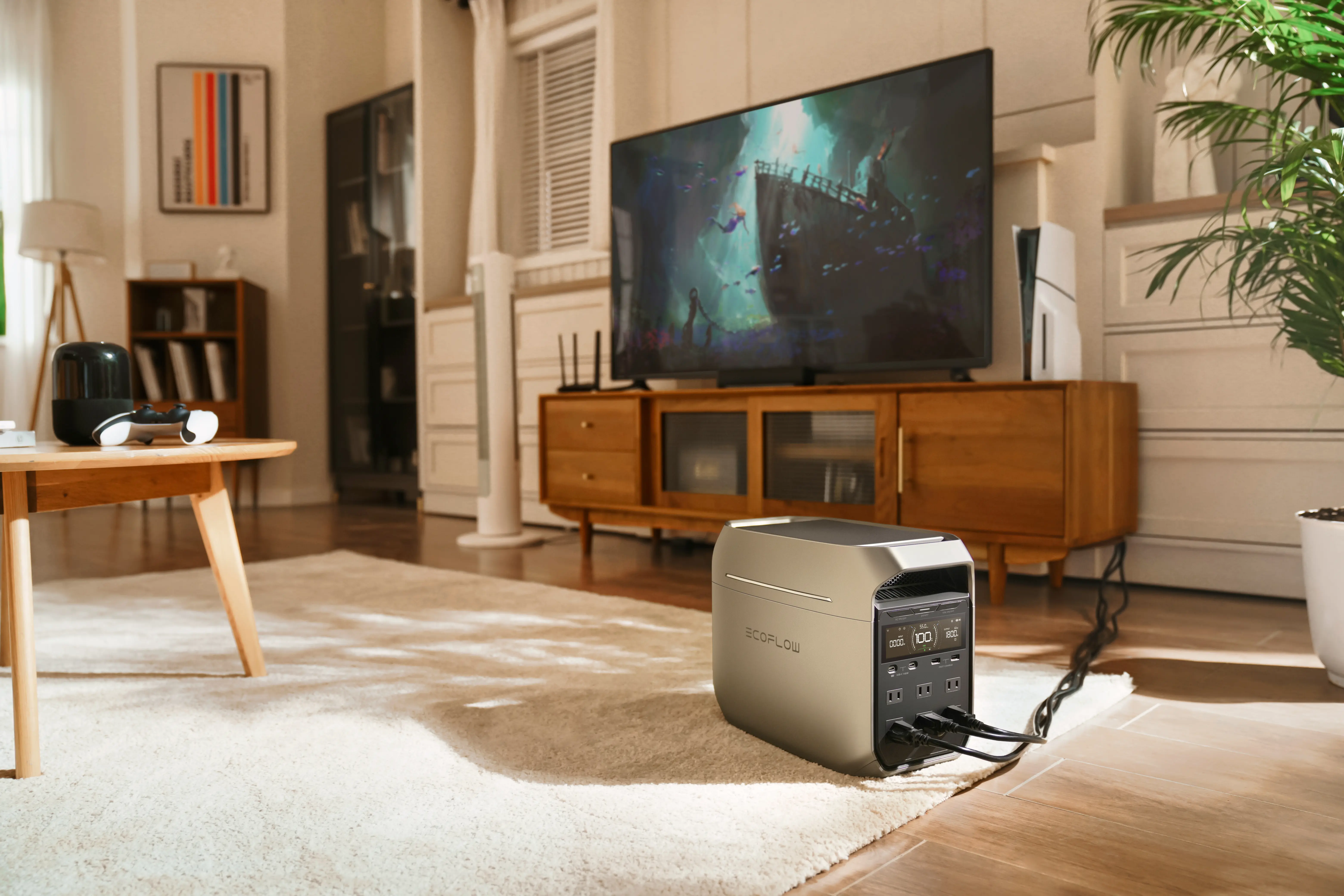
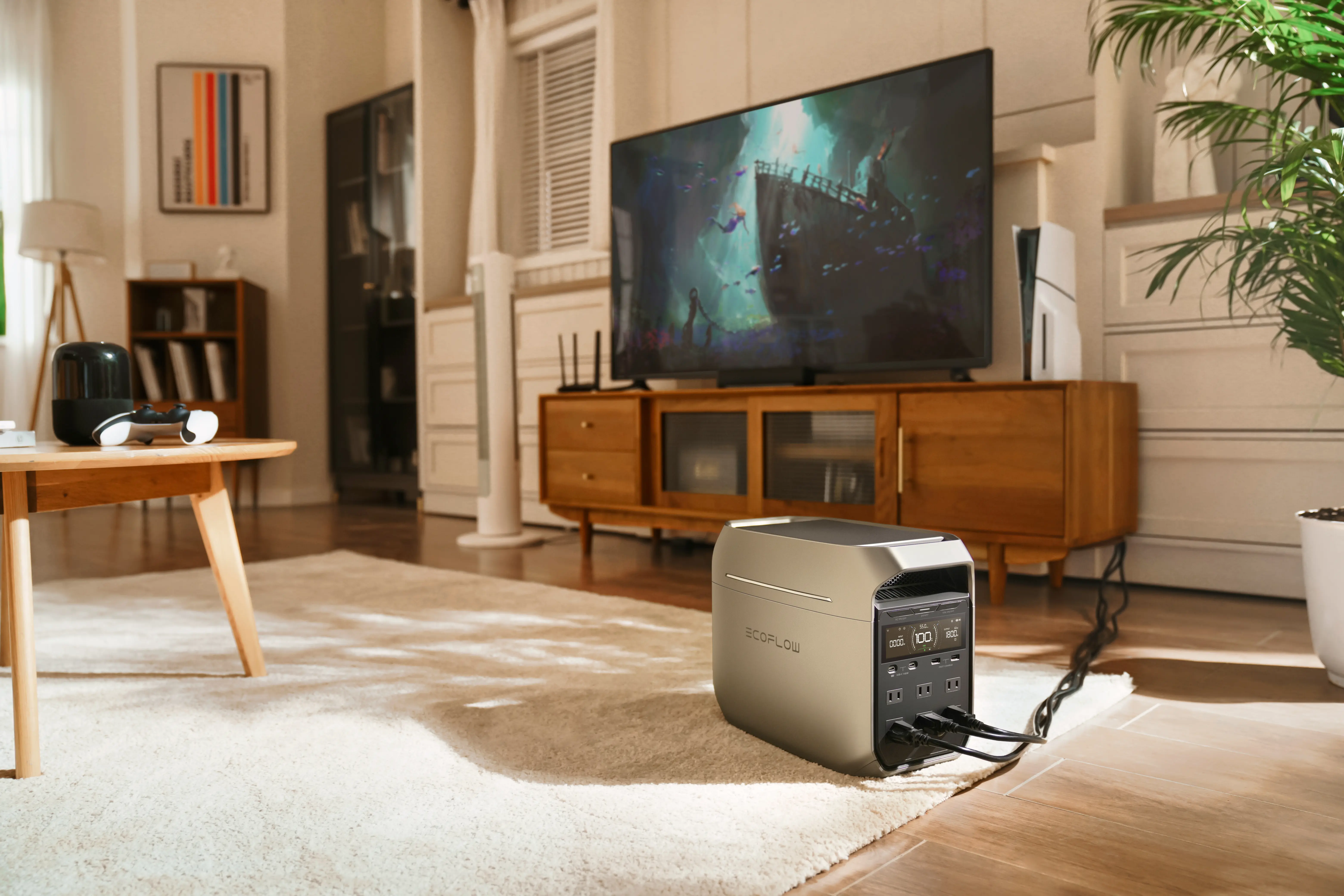
The EcoFlow DELTA 3 Plus Portable Power Station has become a real standout for American backyards recently. It’s basically the “easy button” for shedding power. It packs the battery, the inverter, and the controller into one box that’s about the size of a cooler. With 1024Wh of capacity and an 1800W output, it’s got enough muscle to run your office lights, a laptop, and even a small portable AC unit when things get sweltering in the summer. Here’s the real kicker: it’s a “plug-and-play” experience. You just plug the solar panels into the back and your gear into the front. Since it supports high-wattage solar input, you can actually charge the unit while you’re working. You don’t have to wait for the battery to fill up before you start your workday, which is a massive upgrade over older portable units.
Best Solar Power Solutions for Sheds in the U.S.
The “right” setup really depends on what you’re actually doing out there. In 2026, we’ve mostly landed on two main paths for American backyards.
Best for Small to Medium Sheds (Easy Setup)
If you’re running a garden office or an art studio, a portable power station like the EcoFlow DELTA 3 Plus paired with two 220W panels is honestly hard to beat. It requires zero electrical knowledge; if you can plug in a phone charger, you can set this up. Another thing: since it’s mobile, it doubles as a home emergency plan. If a hurricane or a winter blizzard knocks out the main house’s power, you just grab the unit and bring it inside to keep the fridge cold or the Wi-Fi running. It’s a dual-purpose investment that most fixed systems just can’t match.
Best for Workshops & High-Power Sheds
Now, if you’re out there daily running a lathe, a table saw, or heavy-duty dust collection, you’re in a different league. For a professional-grade workshop, you’ll likely want a “fixed” setup. We’re talking about mounting several 400W+ panels on the roof and building out a large 48V battery bank. It’s a more permanent, involved installation, but it’s designed to handle the massive, heavy-duty cycles of power tools that would drain a smaller system in an hour. It’s definitely not a “weekend project” for a beginner, but for a serious maker space, it’s what you need to keep the blades spinning.
Cost, Setup Tips & Common Mistakes to Avoid
Before you pull the trigger, we need to talk about the actual “street price” of going solar in 2026 and how to keep your gear from dying early.
How Much Does It Cost to Solar Power a Shed in the U.S.?
The upfront cost is definitely higher than buying a $50 extension cord, but you’re paying for independence. If you just need a single LED light and a spot to charge your phone, you can get away with spending $300 to $500 for a very basic kit. For a serious workspace like a home office or a DIY workshop, expect to land between $1,200 and $2,500 for a setup that won’t let you down. It’s a bigger bite upfront, but when you consider the $150-an-hour electrician fees you’re dodging, the math starts looking pretty good.
Tips to Maximize Efficiency (Panel Angle, Battery Care)
To squeeze every drop of juice out of the sun, you should tilt your panels at an angle roughly equal to your latitude. If you’re down South in a place like Texas, aim for a 30-35° tilt, but if you’re up North in Minnesota, you’ll want a much steeper 40-45° to catch that lower sun. Another thing to watch is the temperature. Batteries absolutely hate being baked, so if your shed gets sweltering, hitting 95°F or higher during a Georgia summer, keep your power station on the floor where it’s naturally coolest or tucked near a vent.
Common Mistakes Beginners Make
Even with the best intentions, it’s easy to stumble when you’re setting up your first off-grid system. Usually, it’s the small, technical details that catch folks off guard. Here are a few pitfalls to keep on your radar so you don’t end up sitting in the dark:
Underestimating the “Phantom Load”: Many beginners forget that devices like Wi-Fi routers, power tool chargers, or even the inverter itself pull a small amount of “idle” power 24/7. While a few watts sounds negligible, it can drain a small battery overnight before you even wake up for your first cup of coffee.
Choosing Lead-Acid Over Lithium: It’s tempting to grab a cheap deep-cycle lead-acid battery to save a hundred bucks upfront. However, these are incredibly heavy, can only be discharged to 50% without permanent damage, and usually die within 2 to 3 years. Investing in Lithium (LiFePO4) is the smarter play; they are lighter, can be used down to 0%, and typically last 10 years or more.
Ignoring the Voltage Drop: Using wires that are too thin or too long between your panels and your battery leads to significant power loss. In the U.S., sticking to high-quality 10 AWG or 12 AWG solar cables for backyard distances ensures you actually get the power your panels are producing.
Poor Placement and Shading: A single tree branch shading just 10% of your panel can sometimes cut the power output by half. It’s a bit of a nuance, but always scout your shed roof at different times of the day to ensure it’s a true “sun-soaked” zone throughout the afternoon.
Conclusion
Deciding to flip the switch on shed solar is just a smart way to dodge that $4,000 trenching bill while grabbing some real energy independence. You’re essentially turning a dead storage space into a high-functioning, off-grid hub that doesn’t care if the local utility grid is having a bad day. Whether you decide to piece together a custom component system or you just want the “set it and forget it” simplicity of an EcoFlow DELTA 3 Plus, you’re investing in a workspace that actually works for you. Honestly, once you see those lights kick on for the first time without a single extension cord in sight, you’ll wonder why you didn’t do this two summers ago. It’s about more than just “going green”, more importantly, it creates a backyard setup that’s ready for a full day of Zoom calls or a weekend spent making sawdust, all on your own terms.
FAQs
1. Can you run power tools off solar panels?
You definitely can, as long as your inverter’s output can handle the “starting” wattage. A standard corded drill might only need 720W to stay running, but it can spike to 1,800W the split-second you pull the trigger. Larger tools like a circular saw can surge even higher, hitting 2,400W to 3,000W. A system like the EcoFlow DELTA 3 Plus is designed specifically to handle those high-torque surges so you don’t trip a breaker mid-cut.
2. How many solar panels do you need to power a shed?
For a typical American backyard setup, you’re usually looking at one to three panels, totaling 200W to 600W. If you’re just running some LED lights and charging a phone, a single 100W or 200W panel is plenty. But if that shed is your daily home office with a laptop, secondary monitor, and Wi-Fi, you’ll want at least 400W of solar to ensure you don’t drain the battery by lunch.
3. What will a 400W solar panel run?
In most parts of the U.S., a 400W panel generates about 1.6kWh to 2kWh of electricity on a sunny day. In real-world terms, that’s enough to run a modern 50-inch LED TV, a laptop, a few lights, and a Wi-Fi router for about 8 to 10 hours. It’s essentially the “sweet spot” for a standard workday in a garden office.
4. What is the 120 rule for solar panels?
It’s an NEC safety standard that prevents your main electrical panel from overheating when you’re backfeeding solar into your home. The good news? If you’re staying strictly off grid with a portable power station in your shed, you don’t really have to worry about this one.
For press requests or interview opportunities, reach out to our media team
media.na@ecoflow.com