How to Install Solar Panels: Step-By-Step Guide, Costs & Permits (2026)
- What Is Involved in a Home Solar Panel Installation?
- How Do You Prepare for Solar Panel Installation?
- What Are the Step-By-Step Stages of Installing Solar Panels?
- What Permits Do You Need to Install Solar Panels in the US?
- How Much Does It Cost to Install Solar Panels in 2026?
- Should You Install Solar Panels Yourself or Hire a Professional?
- Frequently Asked Questions
- A Well-Planned Solar Installation Delivers Reliable Savings and Energy Independence for Years to Come
Installing solar panels can lower your electric bill and reduce your reliance on the grid, but the process involves more than simply mounting a couple of panels on your roof. From site assessments to permitting, each stage affects your timeline and final cost. This guide covers what to expect before, during, and after installation.
What Is Involved in a Home Solar Panel Installation?
A home solar panel installation involves multiple connected pieces: solar systems, mounting hardware, an inverter, wiring, and optionally, a battery for backup power.
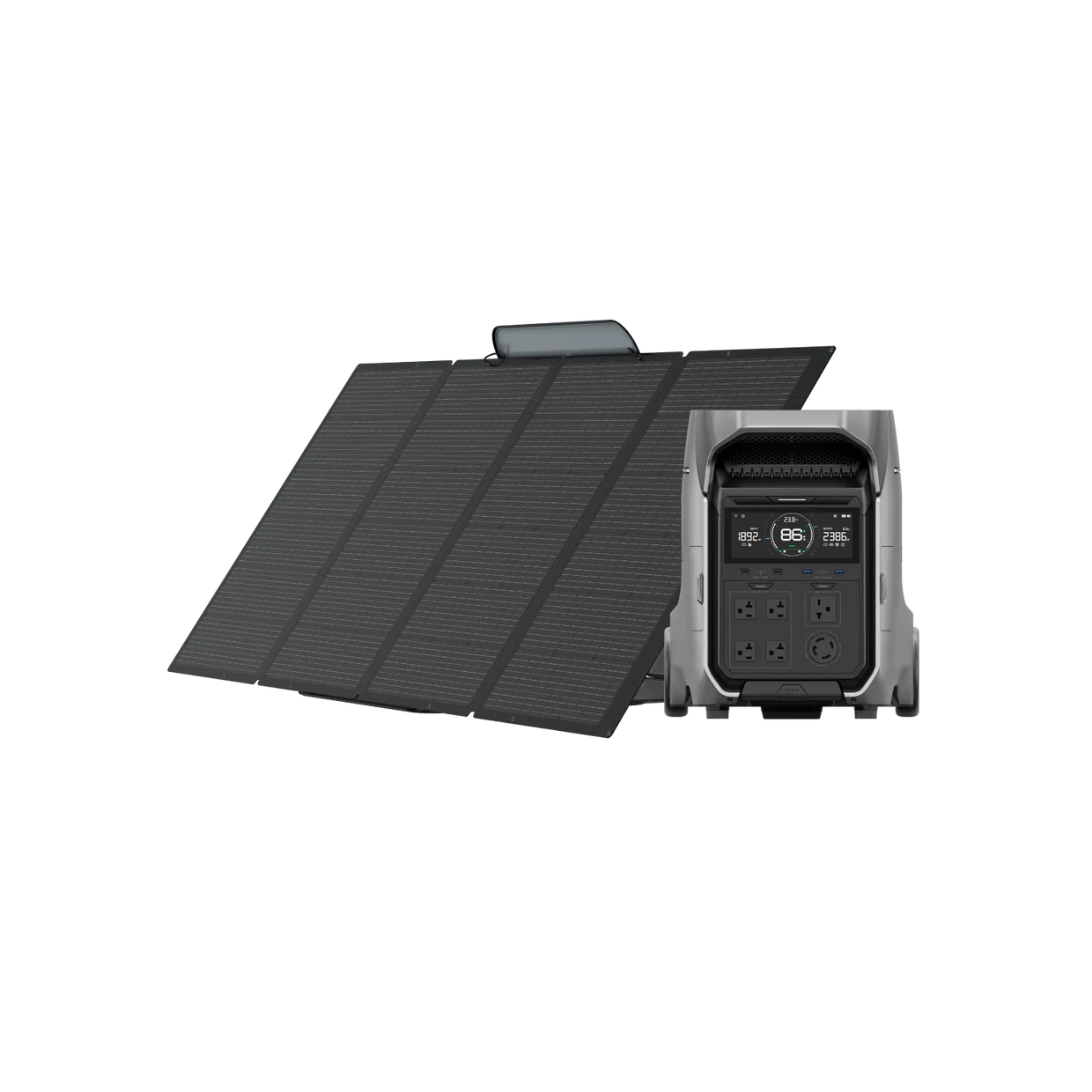
If you're comparing equipment, a bundled option like the EcoFlow DELTA Pro 3 + 400W Solar Panel pairs a solar panel with a portable power station, giving you a scalable starting point you can add to as your household's energy needs grow.
Aside from the physical equipment, installation also involves an initial site assessment and system design, local permits, a licensed installer, a formal inspection, and approval from your utility company before the system can officially be used.
Most installations take several weeks to a few months from signed contract to “permission to operate,” even though the physical roof work typically only takes one to three days.
How Do You Prepare for Solar Panel Installation?
Before any equipment arrives, gather recent electric bills to estimate your household’s annual energy use and determine system size. Have your roof inspected for age and condition to ensure it’s ready to have solar panels installed. Addressing roof repairs first prevents the costly process of removing the panels later to fix a leak.
Check for shading from trees or nearby structures, confirm your home’s electrical panel can handle the solar power, and get at least three quotes from licensed installers to compare pricing, warranties, and equipment quality.
If you’re financing the purchase, decide whether you want to pay cash, take out a solar loan, or use a lease or power purchase agreement (PPA), since these factors influence both your upfront cost and long-term savings.
What Are the Step-By-Step Stages of Installing Solar Panels?
Site Assessment and System Design
Before buying equipment, an installer performs a site assessment. They use your energy demand to determine the size of the system, check the condition of your roof and framing, analyze shading and sun exposure, and assess electrical infrastructure.
An engineer creates a layout that results in the most efficient system. They evaluate roof orientation and angle, and determine inverter type, panel count, and battery capacity if you’re adding storage.
Permitting and Approval
The installer submits permit applications to your local building department and an interconnection application to your utility company. This process can take up to several weeks, depending on your jurisdiction.
Mounting and Panel Installation
After acquiring permits, the system is installed. Crews attach mounting racks to the roof rafters, then secure the panels to the racks. They usually complete this stage in one to three days, assuming permits are already approved.
Wiring, Inverter, and Battery Setup
Electricians run wiring from the panels to the inverter, which is usually mounted near your main electrical panel, and connect any battery storage. This step requires a licensed electrician due to the complexity and safety requirements of connecting new equipment to your home’s electrical system.
Inspection and Utility Interconnection
A local building inspector reviews the completed installation for code compliance. Once approved, your utility company performs its own inspection and issues “permission to operate” (PTO), the final authorization that allows your system to legally send power to the grid.
What Permits Do You Need to Install Solar Panels in the US?
Permit requirements vary by state and city, but most backyard solar panel installations require a few common approvals: a building permit covering the structural and mounting work, an electrical permit covering wiring and inverter installation, and utility interconnection approval allowing your system to safely connect to the grid.
Depending on where you live, you may also need a homeowners' association (HOA) approval, fire department review, or a battery storage permit. Most licensed solar installers handle the permitting process on your behalf.
How Much Does It Cost to Install Solar Panels in 2026?
A typical residential solar system in the U.S. costs around $31,000 before incentives, or approximately $2.50 to $3.00 per watt installed. Most homes need an 8-kilowatt system to cover their electricity demand, which runs roughly $20,000 before incentives and panels themselves make up only a small share of that total.
Most of the cost goes to inverters, racking, wiring, labor, and permitting. Adding battery storage typically increases the price by several thousand dollars per battery, depending on capacity.
One major shift that affects 2026 solar buyers is the expiration of the 30% federal residential tax credit on December 31, 2025. However, solar leases and power purchase agreements (PPAs) can still capture a similar commercial credit through 2027. State, local, and utility incentives, along with net metering programs, can meaningfully reduce your net cost.
Should You Install Solar Panels Yourself or Hire a Professional?
Do-it-yourself solar equipment typically runs $0.80 to $1.40 per watt, roughly half the cost of a professional installation, and can be appealing if you have electrical experience or want to cut labor costs.
However, DIY solar system installation also means you take on the permitting process yourself. You’re responsible for code compliance and safety, warranties are limited, and mistakes in wiring or mounting can be costly or dangerous to fix.
Most homeowners are better served by a licensed professional, who carries the accountability for code compliance, warranty coverage, and the interconnection paperwork.
Frequently Asked Questions
How Long Does It Take to Install Solar Panels?
The physical work of mounting panels and connecting wiring often takes one to three days. However, the full process, including design, permitting, inspection, and utility approval, takes one to three months. Delays typically happen during permitting or utility interconnection, since processing times vary widely by jurisdiction and utility company.
Do You Need a Permit to Install Solar Panels on Your Roof?
Yes, you need at least a building permit and an electrical permit, along with utility interconnection approval, before your system can legally operate. Depending on your location, you may also need HOA approval, a fire department review, or a separate permit for battery storage. Most licensed installers handle this paperwork for you.
A Well-Planned Solar Installation Delivers Reliable Savings and Energy Independence for Years to Come
Installing solar panels is a multi-step process that goes beyond mounting hardware on your roof. An efficient system depends on a proper site assessment, correct system sizing, securing the right permits, and passing inspection and utility interconnection.
Investing in a scalable system like the EcoFlow DELTA Pro 3 + 400W Solar Panel allows you to start small and expand as your energy demand grows.
For press requests or interview opportunities, reach out to our media team
media.na@ecoflow.com