How to Ground an Outlet: DIY Safety Guide for Homes
- What Does It Mean to Ground an Outlet?
- Why Grounded Electrical Outlets Are Important
- Reliable Backup Power Solutions for Home Electrical Safety and DIY Upgrades
- How to Tell if an Outlet Is Properly Grounded
- How do you Ground an Outlet Safely
- Common Mistakes to Avoid When Grounding an Outlet
- Conclusion
- FAQs
One of the most important electrical safety skills that a homeowner can learn when tackling basic DIY projects is how to ground an outlet. A poorly grounded outlet increases the risk of electric shock, damages expensive electronics, and prevents protective devices from working properly. If you are replacing an old receptacle or checking wiring in an older home, knowing the proper grounding will help you make safer decisions. In this guide, you'll learn what outlet grounding is, why it's important, and how to ground an outlet if conditions are right.
What Does It Mean to Ground an Outlet?
Grounding is a very important safety system for electrical work. It uses a grounding conductor to give fault current a low-impedance path back to the source, so the circuit breaker trips quickly and cuts off the circuit. A grounded electrical outlet directs fault current safely away, instead of letting stray electricity travel through appliances or through a person, significantly decreasing the likelihood of electric shock and electrical fires


The function of the ground wire
The ground wire is the designated safety wire in an electrical circuit. Unlike the hot wire that has electricity, or the neutral wire that carries current back under normal operation, the ground wire does not live unless there is a fault. If an appliance fails and makes a metal part live or a wire becomes loose and makes a metal part live, the ground wire gives the fault current a low-resistance path back to the electrical panel so the circuit breaker can trip quickly.
The same grounding principle applies to outlets and other electrical systems, too. This includes portable equipment, where understanding how to ground a generator is essential for safe operation during an emergency.
Difference Between Hot, Neutral and Ground Wire
Before working on any outlet, it's important to understand the three conductors inside a typical residential circuit.
Hot wire: Brings electrical power from the breaker panel to the outlet. This is usually black or red and is connected to the brass colored terminal.
Neutral wire: Carries current back to the electrical panel after passing through the connected device. It is usually white and connects to the silver terminal.
Ground wire: Only protects you in the case of electrical faults. Usually green-insulated or bare copper, it attaches to the green grounding screw on the receptacle and the electrical box as needed.
So now that you know the basic anatomy of a ground wire and what a ground outlet is, the next question is: why does it even matter if you skip it?
Why Grounded Electrical Outlets Are Important
Grounding is one of the best electrical safety features that can be installed in modern homes. It protects people, saves valuable electronics, and keeps your home's protective systems operating as designed.
Prevents electric shock
A grounded outlet safely diverts dangerous current from anyone touching an appliance or metal housing in case of electrical faults. If it's not grounded properly, that current can pass through a person, causing serious injury or even electrocution.
Protects electronics from electrical faults
Sensitive electronics like computers, televisions, gaming consoles, and smart appliances are vulnerable to electrical faults and voltage irregularities. Proper grounding ensures the fault current is safely diverted and reduces the risk of damage to connected equipment.
Other protective devices (such as GFCI and AFCI outlets) also work together with grounding to prevent shocks and electrical fires. Understanding these safety mechanisms is a key part of following standard USA voltage and electrical safety guidelines for home wiring and portable power setups.
Helps breakers trip correctly during faults
Circuit breakers are designed to sense overcurrent. A correctly grounded circuit provides a low-resistance path for a fault, allowing sufficient current to flow to trip the breaker instantly. Without grounding, faults may not produce enough current to render energised metal parts dangerously live.
Meets modern electrical code requirements
Most existing codes require grounding for new or replacement receptacles. Good grounding improves your home's safety, helps with insurance compliance, and can help you pass electrical inspections when renovating. Regulations differ in different locations, so check the regulations before starting any electrical work.
Knowing why grounding is important is the first step, but the work itself means turning the power off at the breaker for a time, and that brings up a practical question: how do you keep your tools, testers and work lights running in the meantime?
Reliable Backup Power Solutions for Home Electrical Safety and DIY Upgrades
In many cases, you'll need to turn off the breaker that feeds the circuit you're working on. An independent power source makes sure that vital tools, inspection lights, battery chargers, and testing equipment stay safe and working without having to be hooked up to active household circuits.
Now that you know how to keep your workspace powered, the next step is to determine whether the outlet you're working on is grounded in the first place. Here's how to tell if an outlet is grounded appropriately.
How to Tell if an Outlet Is Properly Grounded
Before you start modifying an outlet, make sure it is properly grounded to avoid any hazard later on. Many homes, especially older homes, have a combination of grounded and ungrounded circuits. Fortunately, there are a few simple testing methods that you can use to check the condition of the outlet before you begin any repairs.
Methods to test grounding:
Using an outlet tester
The fastest way to check an outlet for proper wiring is with a plug-in outlet tester. When plugged in, the indicator lights on the receptacle will show various wiring conditions, including proper grounding, reversed polarity, open neutral, or open ground. They are cheap and easy to use, but do not provide detailed electrical measurements and are only able to detect common wiring faults.
Outdoor and temporary electrical setups require similar outlet testing and protection. Using proper weather-rated equipment and following outdoor GFCI outlet safety practices for backyard events will help protect against moisture hazards and circuit overloads.
Using a multimeter
A digital multimeter can do more detailed testing. You can measure the voltage between the hot, neutral, and ground terminals. The readings are then compared to ensure that the grounding conductor is continuous and performing its function. This method requires a basic knowledge of electrical measurements and should only be done on energized circuits with care.
Visual inspection (with power turned off)
Switch off the correct breaker and check that the circuit is not live, then take off the outlet cover and check the wiring. Find if a bare copper or green insulated grounding conductor is securely fastened to the grounding terminal of the outlet, and if applicable, bonded to the electrical box. If the ground wire is missing, disconnected or damaged, repair or replace it before changing the receptacle.
Once you've confirmed that the outlet is grounded, it's time to start grounding an outlet safely. The step-by-step process is below. Follow the instructions carefully to avoid any last-minute hassle.
How do you Ground an Outlet Safely
Step 1: Turn off power at the breaker
Locate the proper circuit breaker and switch it off. Check the outlet with a non-contact voltage tester or a multimeter before you touch any wiring to make sure the outlet is de-energized.
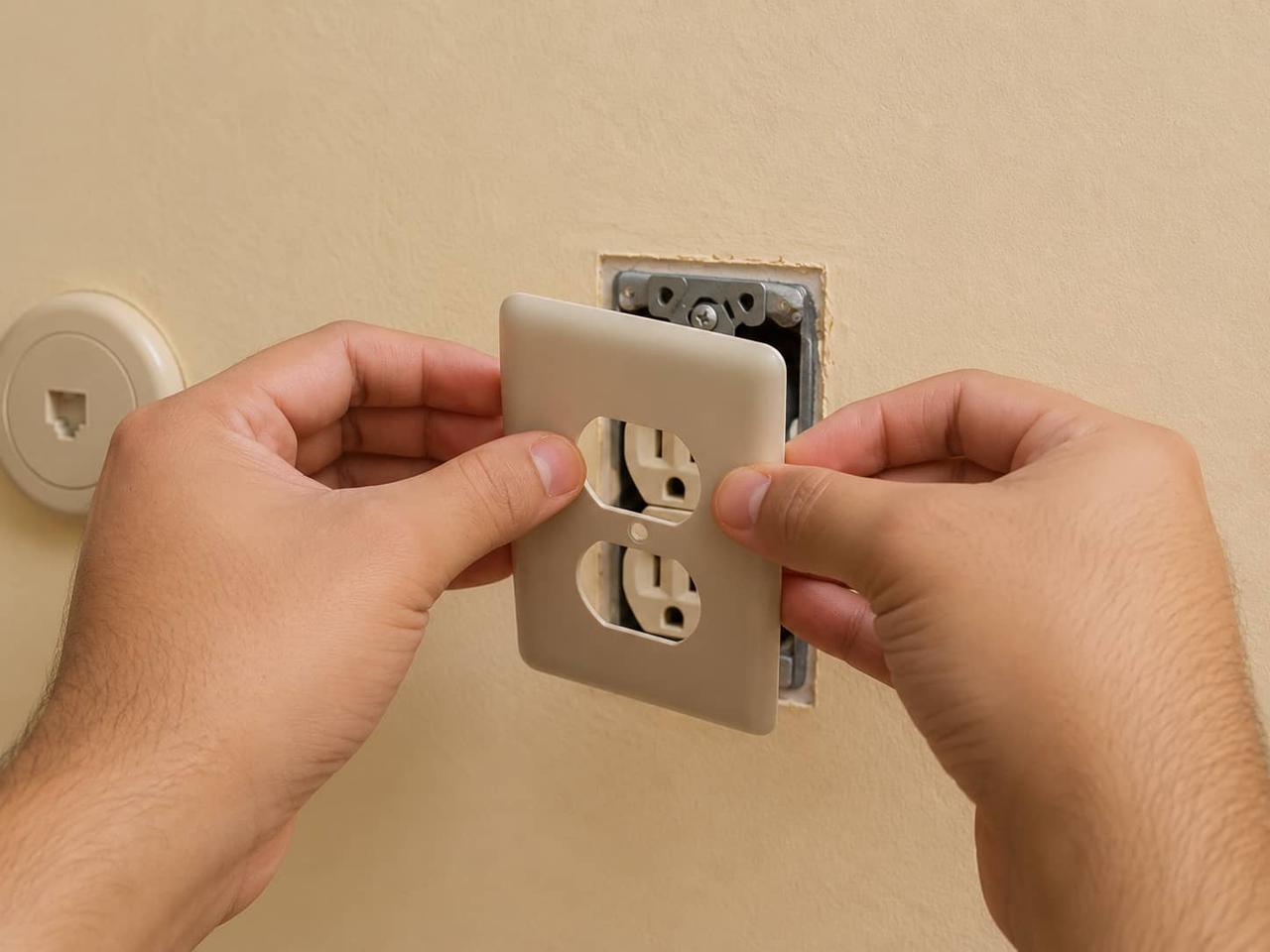
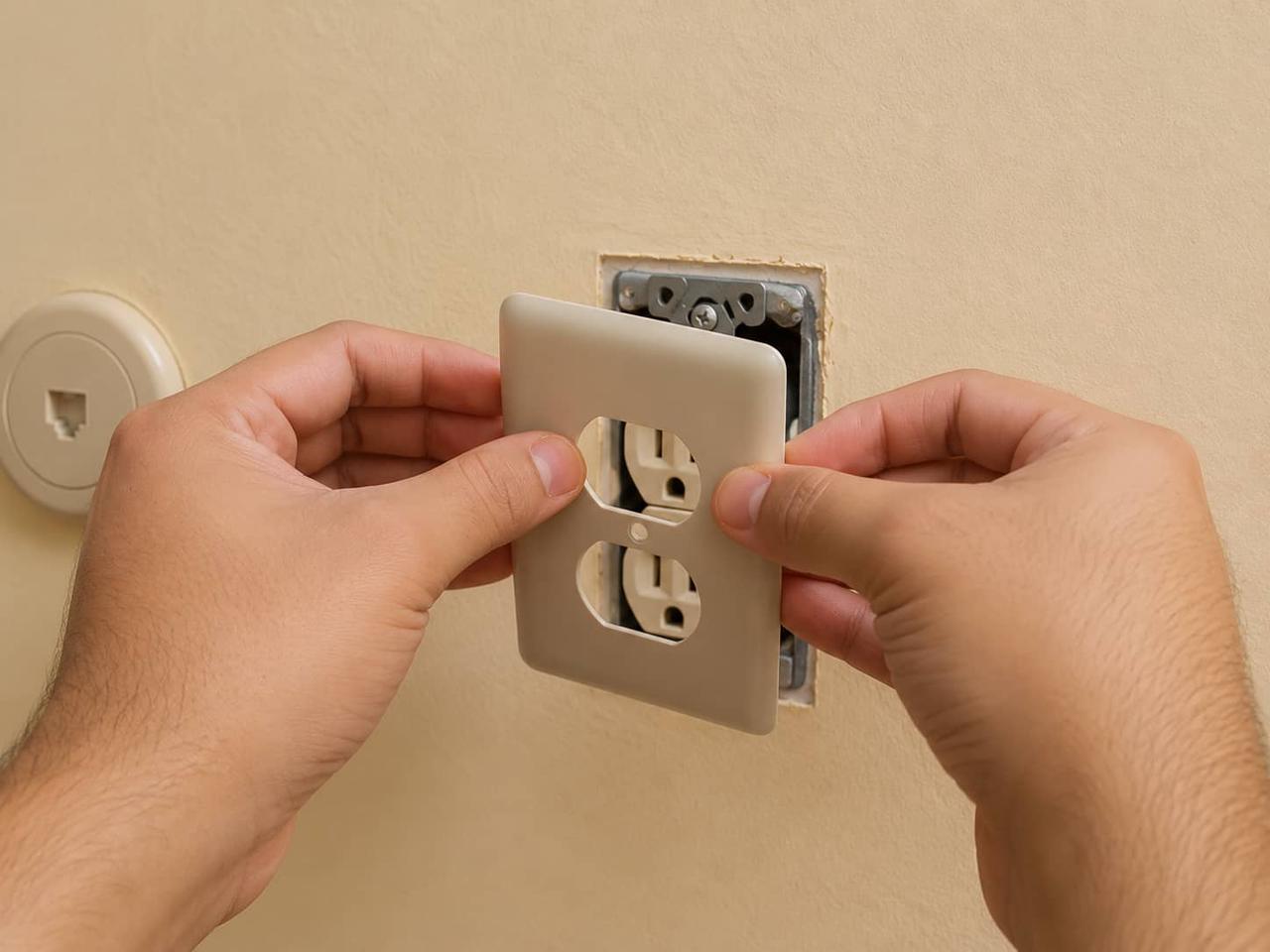
Step 2: Remove the outlet cover and receptacle
Remove the faceplate and then remove the screws that hold the outlet in place. Carefully pull the receptacle out of the electrical box without stretching the wires too far.
Step 3: Check for an existing ground wire
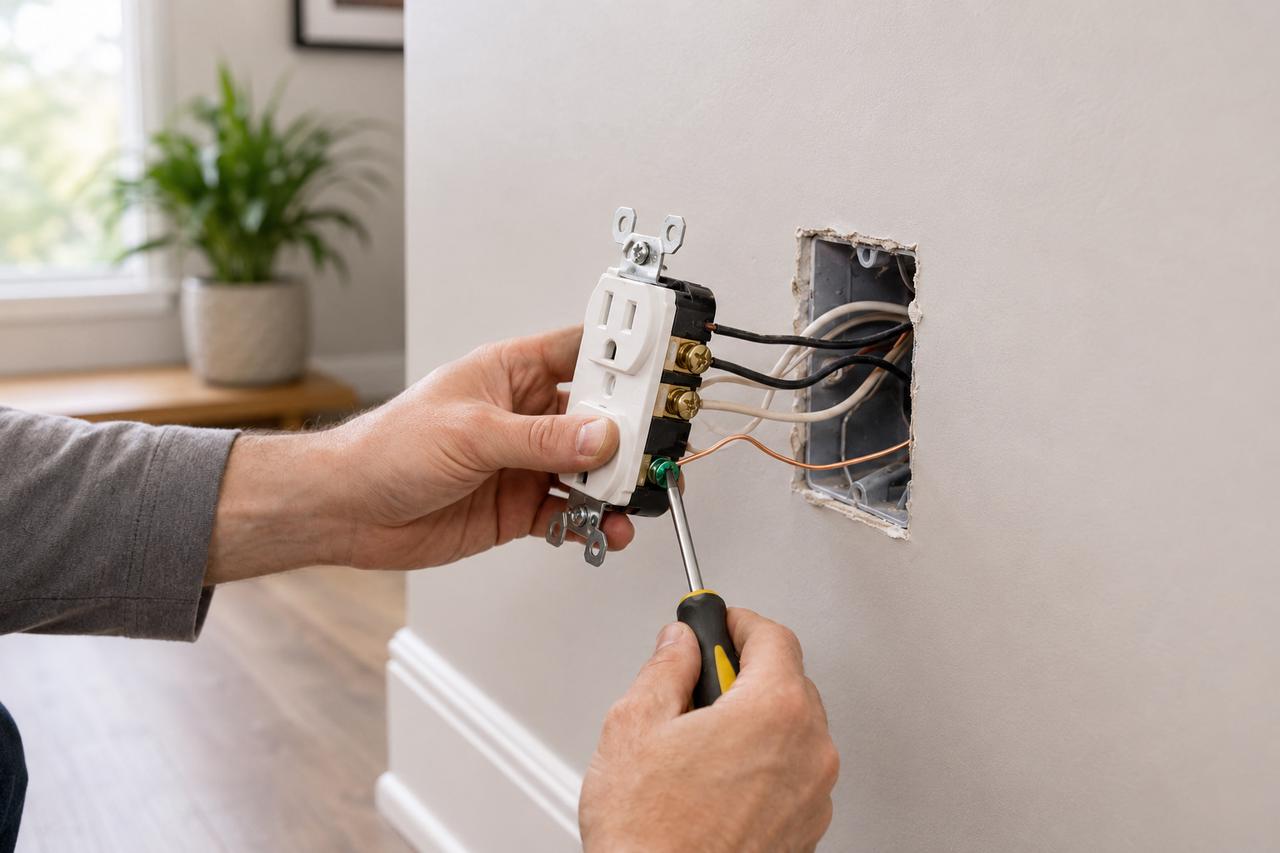
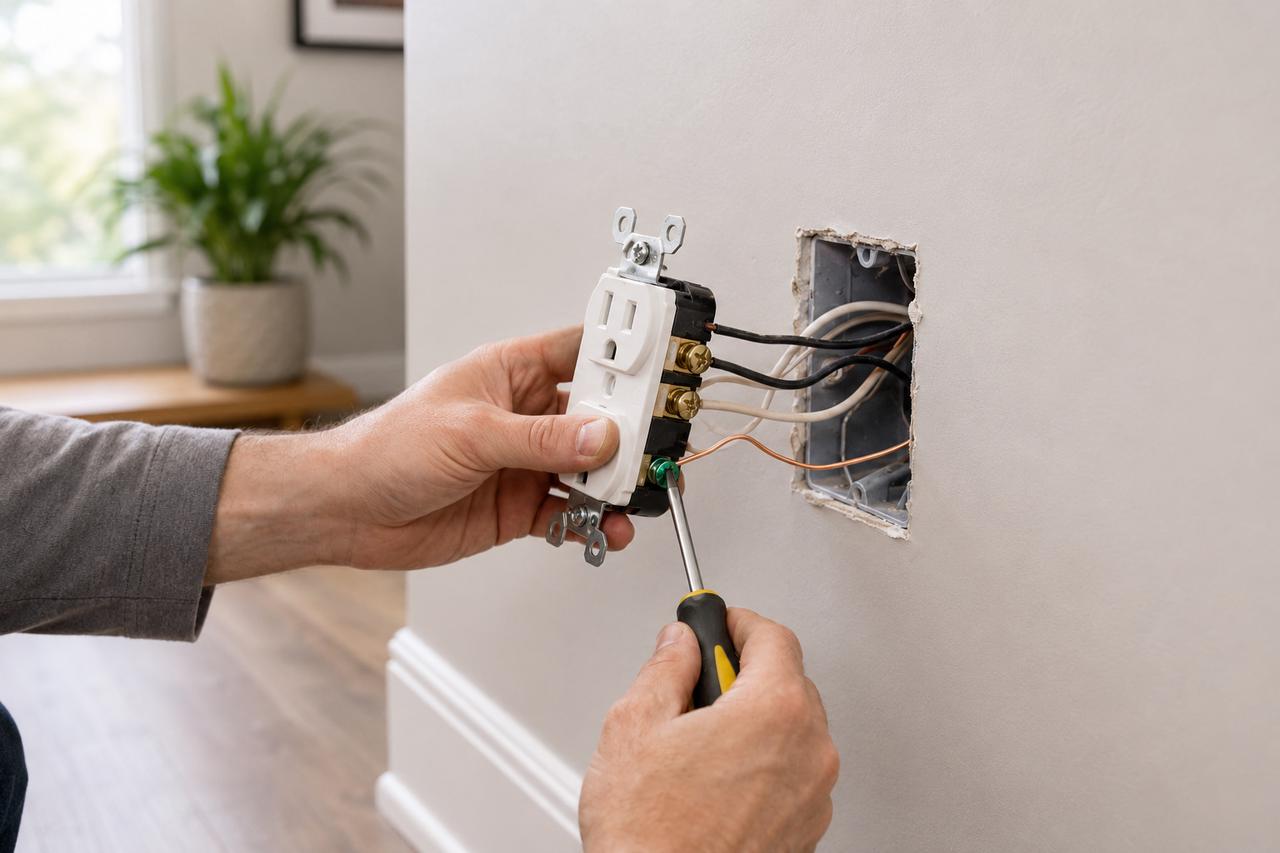
Inside the electrical box, look for a bare copper or green-insulated wire, the equipment grounding conductor. Whether one is present decides what you do next, so check before connecting anything.
Step 4: Connect the ground wire or handle a missing one correctly
If a ground wire is present, connect it correctly:
Make sure the grounding conductor is long enough for a secure connection and shows no damage or corrosion. Connect it to the green grounding screw on the outlet and tighten the terminal firmly. Bond any metal electrical boxes as required by the applicable electrical code.
If there is no ground wire, don't improvise one:
Never create a "ground" by jumping to the neutral terminal, clamping onto metal plumbing or conduit, or any other workaround. These are code violations and can make the outlet more dangerous.
Compliant options depend on your local electrical code: running a new grounding conductor, installing GFCI protection labeled "no equipment ground," or having the circuit rewired. If the box has no grounding conductor, check your local code or hire a licensed electrician instead of forcing a ground that isn't there.
Step 5: Reinstall the outlet
Gently bend the wires back into the electrical box, avoiding sharp bends or pinching. Mount the receptacle with its screws and put the faceplate back on.
Step 6: Restore power and test the outlet
Turn the breaker back on and check for proper wiring with an outlet tester or multimeter. Always check that the outlet is properly grounded before plugging in appliances. Knowing where people normally make mistakes is what actually prevents a botched job and a redo. Check the common mistakes.
Common Mistakes to Avoid When Grounding an Outlet
Working without turning off power
Always disconnect the power before starting any electrical work. Make sure the outlet is de-energised with a non-contact voltage tester or multimeter before you remove the outlet cover or touch any wiring. Be sure to turn off the correct breaker on the electrical panel. If you skip this step, you might get seriously shocked, burn or damage your tools and electrical system.
Confusing neutral with ground
The neutral and ground wires have different purposes and should never be interchanged. The neutral wire carries return current during normal operation; the ground wire only carries current during a fault. If you connect them improperly at an outlet, you could create shock hazards, interfere with GFCI and AFCI protection, and violate electrical code requirements.
Loose grounding connections
There must be a ground wire securely attached to the green grounding screw on the outlet and bonded to the electrical box where necessary. Loose or poorly made connections increase resistance and may impede the flow of fault current. This can lead to the circuit breaker not tripping rapidly during an electrical fault, thus decreasing the protection that grounding is meant to provide.
Using incorrect wire gauge
Use only wiring that is sized for the circuit breaker rating and matches the size of the existing cable. If the wire gauge is too small for the circuit, it can overheat, damage the insulation, and create a risk of electrical fire. Be sure to verify the proper wire size for your home's electrical system and that it is compliant with local code when replacing or extending wiring.
Ignoring local electrical codes
Electrical codes define the approved methods of grounding, the procedure for replacing receptacles, and acceptable solutions for older ungrounded circuits. Not following these regulations can cause safety hazards, inspection failures, and insurance coverage problems. Check your local code requirements or consult a licensed electrician before you start if your project involves older wiring, new circuits, or subpanels.
Subpanel and multi-circuit projects—such as planning how to run power and electricity to a shed—raise these same code compliance and grounding questions. Given the risks of high-voltage wiring, this level of installation reiterates the need to hire a licensed electrician.
Conclusion
Properly grounding an outlet is a fundamental part of maintaining a safe electrical system. Appropriately grounded receptacles help prevent electric shock, protect valuable electronics from faulty conditions, and allow circuit breakers to react quickly when problems occur. Before you proceed to how to ground an outlet, make sure that the existing circuit is grounded and that the installation meets current electrical code requirements before replacing any outlet.
If your electrical box doesn't have a grounding conductor, or local codes require more significant upgrades, it's safest to call in a licensed electrician instead of trying to work around it.
For homeowners attempting to change outlets and other electrical maintenance, having reliable backup power can make the job safer and easier. If you need something for your everyday DIY electrical work, pick up the EcoFlow DELTA 3 Classic. But for larger renovation projects that require a longer runtime and more power capacity, opt for the EcoFlow DELTA 3 Max.
FAQs
Can I ground a two-prong outlet without rewiring?
Not usually. Merely replacing a two-prong outlet with a grounded three-prong receptacle does not provide safe ground when the circuit has no equipment grounding conductor. Local electrical codes may permit alternatives (like installing a GFCI receptacle and properly labeling it), but they do not offer a true equipment ground.
Can you ground an outlet yourself?
With a properly installed grounding conductor in the electrical box, many homeowners with basic electrical knowledge can safely replace a receptacle and reconnect the ground by turning off the power. But unless you're a licensed electrician, leave installation of new grounding conductors or changes to existing wiring to a professional.
What to do if there is no ground wire in the outlet?
If there is no ground wire, don't try to make one by connecting to the neutral conductor or some other improvised location. Depending on the wiring in the home, the safest solution may be to run new grounded cable, install GFCI protection where allowed by code or upgrade the circuit with the help of a licensed electrician.
Can I use a three-prong outlet on an ungrounded circuit?
Only if the installation complies with local electrical codes. Placing a standard three-prong outlet on an ungrounded circuit without an approved grounding method can create a false sense of security. A GFCI receptacle with the proper “No Equipment Ground” markings is an acceptable code-compliant alternative in some cases.
When should I hire an electrician instead of grounding an outlet myself?
Hire a licensed electrician if the outlet lacks a grounding conductor, if the wiring is damaged or outdated, if aluminum wiring is present, if multiple circuits need to be upgraded, or if local building codes require licensed electrical work. A professional installing the grounding system will make sure it is safe, up to code, and properly tested before energizing the circuit again.
For press requests or interview opportunities, reach out to our media team
media.na@ecoflow.com