Why Fast-Charging Batteries Are the Future of Mobile Energy
- How Fast-Charging Technology Is Becoming the New Standard
- What Makes Fast-Charging Batteries Different?
- Does Fast Charging Reduce Battery Health?
- Fast Charging Meets Renewable Energy
- Where You’ll See Fast Charging Growing Next
- Frequently Asked Questions
- Fast Charging Technology Transforms Everyday Power
Advancements in technology are changing the way we charge our devices. Fast-charging batteries give us more time to use our phones, laptops, and smartwatches, and mean less time spent waiting to get some juice. It means batteries and devices can be charged much quicker than traditional charging methods, and much more safely. With the average person having multiple tech devices, there’s an increasing demand for fast chargers.
We’re showing you how fast-charging is changing the future of technology, what it means for our devices, and how it’s impacting renewable energy.
How Fast-Charging Technology Is Becoming the New Standard
Smartphones, laptops, headphones, and smartwatches—the list of “must-have” devices goes on and on. With consumers today having multiple devices on the go, a new demand for speed and convenience arises. Devices like the iPhone, for example, are becoming more advanced with each new release, with bigger batteries often meaning they’re more power hungry. Nobody enjoys waiting around for their battery to reach 80%, and thankfully, the introduction of fast chargers fixes this problem.
Unlike some common myths about fast charging causing damage to batteries, using a reliable charger with cooling technologies reduces the risk of harm to your devices and is a safer practice than slow charge methods. Smart chargers aren’t purely about speed—they’re reinventing the wheel by designing smarter systems to keep devices powered in a safer, more efficient way.
What Makes Fast-Charging Batteries Different?
Accelerates Ion Movement
What lies behind fast charging batteries is ion movement—this is the lightning-fast movement of ions within the battery itself. By using optimized electrode materials and low-resistance pathways, energy flows quickly and seamlessly, allowing your devices to get a power boost without long waiting times or risking battery degradation.
Battery Chemistry Improvement
Fast charging batteries use smart technology like advanced lithium compounds and new high-density cells to handle more energy and higher voltages without suffering from degradation. This means a longer battery life, reduced waiting times, and less wasted energy.
Better Internal Cooling
Fast-charging batteries generate more heat. As a result, many of the latest batteries feature intelligent cooling technologies that maintain stable temperatures. They use layered heat dissipation materials and improved airflow paths to allow for a faster transfer of power. This protects the lifespan of the device, ensures safe charging, and reduces fire risk.
Safety Controls
One of the biggest advantages of fast charging is the improved safety controls. It has integrated safety features that monitor voltage, current, and temperature in real time. Plus, it detects and stops surges, helping prevent overheating, overcharging, and battery damage.
Does Fast Charging Reduce Battery Health?
There’s a lot of confusion around whether or not fast charging has the potential to reduce battery health and damage your devices. The truth is, if you use a reliable charging system instead of a dodgy third-party alternative, fast charging won’t do any damage to your battery’s lifespan.
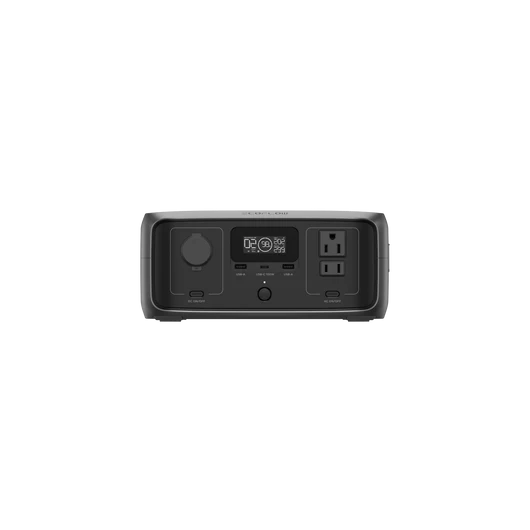
By using state-of-the-art systems like the EcoFlow RIVER 3 Series, you can be sure you’re protecting your battery in the short and long term. With smart battery management systems, EcoFlow RIVER 3 Series prevents overheating by continuously monitoring and regulating temperature, so you can get super-fast charging without sacrificing battery health.
Fast Charging Meets Renewable Energy
As we continue to move towards more sustainable alternatives, fast charging is no exception. The demand for sustainable energy solutions means that homes and businesses can have speed, convenience, and reliability when charging devices – without sacrificing sustainability.
EcoFlow is leading the way with whole-home backup power solutions and integrated solar panel options, so you can use clean energy and high-speed charging to power your entire home’s devices. Whole home backup powers everything from phones and laptops to larger home appliances like fridges and AC units. By pairing with solar panels, you can store clean energy and deliver fast power to your home and devices when the grid goes down or in an emergency situation.
Where You’ll See Fast Charging Growing Next
In the future, we’ll likely see the capabilities of fast charging reach new heights. Think faster charge times, wireless fast charging, and fueling multiple devices at once. We’ll start to see more fast-charging portable devices that offer the same fast speeds, whether you’re on your daily commute or on an off-grid camping trip.
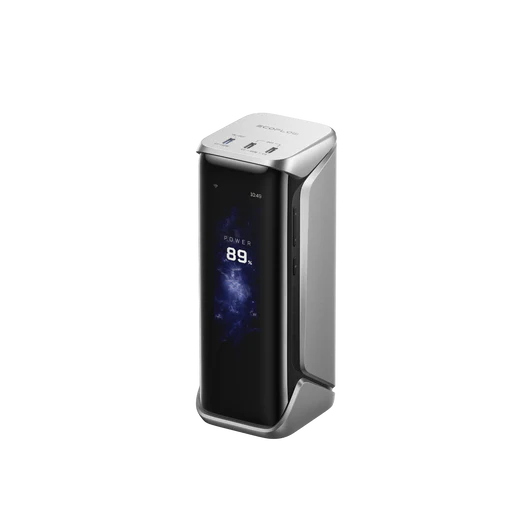
The EcoFlow RAPID Pro X Power Bank is a great example of this. It’s compact and lightweight yet powerful, delivering high-speed charging wherever you are. You can recharge up to three devices at once, and it can take you from 0% to 80% in just 40 minutes. Thanks to its built-in safety features, you can be sure you’re protecting your battery life, not damaging it. This portable charger keeps you connected without the need for an outlet, so a low battery is one less thing you have to worry about.
Frequently Asked Questions
What Is the Fastest-Charging Battery?
Lithium-ion batteries tend to be the fastest charging batteries due to their high energy density, efficiency, and ability to handle high currents. A battery management system is built into a lot of lithium-ion batteries, so it can control temperature and voltage, making for fast, safe charging.
What Are the Disadvantages of Fast Charging?
A disadvantage is the additional cost of purchasing specialized accessories compared with standard chargers. If you’re using poor-quality equipment for fast charging—such as an unreliable third-party charger—you run the risk of overheating and shortening the lifespan of your gadgets. Even with the right charger—and if your device has integrated features to manage heat—you should avoid extreme temperatures while charging to avoid damaging your device.
Does Lithium Charge Faster Than AGM?
Yes, lithium batteries charge faster than AGM batteries. Not only do lithium batteries store more energy for their size, but they also have less internal resistance, meaning they can charge much more efficiently compared with AGM batteries.
Fast Charging Technology Transforms Everyday Power
No more panicking on Monday morning because you forgot to charge your laptop the night before—with fast charging, you have less time waiting for a battery boost and more convenience in your day-to-day. The most important takeaway is to make sure you’re using a reliable fast charger—like the EcoFlow RAPID Magnetic Power Bank (10,000mAh)—so you can spend less time worrying about charging your devices, and more time doing things you enjoy.
For press requests or interview opportunities, reach out to our media team
media.na@ecoflow.com