What Does 10,000mAh Really Mean? A Guide to Power Bank Capacity
Amp-hours, milli-amp hours, watt-hours, kilowatt-hours, kilovolt-amperes??? What does it all mean when it comes to rechargeable batteries, power banks, portable power stations, home battery backup systems, and generators?
All of the above metrics measure how much energy a device can store and how much power it can output over time before the battery needs to be recharged or the fuel tank on a portable gas generator has to be refilled.
Amp-hours (Ah) and milli-amp hours (mAh) are typically used for batteries in relatively small rechargeable devices like Android and iPhones, laptops, tablets, and power banks.
Unless you're on a digital detox, you undoubtedly know the anxiety of watching your phone battery slowly die when you're out and about or you forgot your charger at home.
Running out of juice might be a welcome temporary relief from messages and social media notifications, but if you work remotely and require constant access to power to do your job, running out of battery power can be far more severe than a temporary inconvenience.
If you're a business traveler or digital nomad, you may spend a considerable amount of time on planes or at the beach where power outlets aren't available.
Power banks and power stations can provide invaluable backup power when built-in batteries run out, but only if they output enough electricity to charge or to run your devices for as long as you need.
For many consumers, a 10,000 mAh power bank hits the sweet spot between energy storage, power output, portability and price.
But what does it mean in the real world?
Let's find out.
What 10,000mAh Actually Means in Real-World Use
Amp-hours (Ah) and milliamp- hours (mAh) measure charge capacity over a period of time.
Unlike watt-hours (Wh) and kilowatt-hours (kWh), which measure energy consumption by accounting for voltage, Ah and mAh indicate the maximum amount of current a battery can store and output before being fully discharged.
10,000mAh is usually rated at the battery cell’s nominal voltage (3.7V), but USB devices charge at 5V, or higher with USB Power Delivery (PD).
Ah and mAh power ratings are determined in ideal laboratory conditions and you never get the full 10,000mAh of storage under real world conditions because 10,000mAh @ 3.7V is only 7,400mAh @ 5 volts which USB devices require to charge.
EcoFlow Rapid Pro and every other power bank on the market experience some loss of power due to the energy conversion process required to power external devices. The main energy thieves are:
Voltage conversion loss from boosting battery cell voltage 3.7V to 5V for powering USB devices.
Heat generation which results in energy loss during the transfer of power.
Charging cable resistance (measured in ohms).
Most power banks average 60–70% of their maximum rated storage capacity in mAh during everyday use.
How Many Charges Can a 10,000mAh Power Bank Provide?
Accounting for energy conversion losses, the average 10,000 mAh power bank supplies about 6,000 - 7,000mAh of power before requiring recharging.
What kind of devices it can power and for how long depends primarily on the electricity consumption requirements of the devices you're powering or charging.
Here are some average charge times for common devices.
Android and iPhones: ~1.5 to 2.5 full charges
Tablets (iPads/Kindles, etc.): ~0.5 to 0.8 charges (tablets have large internal batteries).
Wearables: 10+ charges for Apple Watches or AirPods.
Technically, a 10,000mAh can give ultra-light laptops a bit of a boost, it's of little practical value for most use cases.
10,000mAh Power Bank Laptop Charging Potential
Device Type | Typical Battery Size | 10,000mAh Power Bank |
MacBook Air / Ultrabook | 50Wh – 60Wh | ~40% to 50% charge |
Large 15" Laptop | 70Wh – 99Wh | ~20% to 30% charge |
Surface Laptop SE | 80Wh – 99Wh | ~15% to 20% charge |
If you're more of a power user, frequent flyer, or digital nomad, a 100Wh power bank like EcoFlow Rapid Pro X is a superior choice.
It offers the maximum rechargeable battery capacity allowed in the cabins of passenger airplanes worldwide.
Flying With a 10,000mAh Power Bank: What You Need to Know
It's against international regulations for rechargeable lithium-ion power banks with a capacity exceeding 100Wh (approximately 27,000mAh) to be taken on board a plane in carry-on luggage without prior written authorization.
Even with a written exemption, 160Wh is the absolute maximum.
Many airlines now restrict power bank usage further, for example forbidding them to be stowed in overhead storage bins during the flight.
No li-ion power banks are EVER permitted to be kept in checked baggage because of the risk of thermal runaway which can lead to potentially disastrous explosions or fires.
When a 10,000mAh Power Bank Is the Right Choice
When portability trumps power, a 10,000mAh rechargeable battery pack is often the ideal choice.
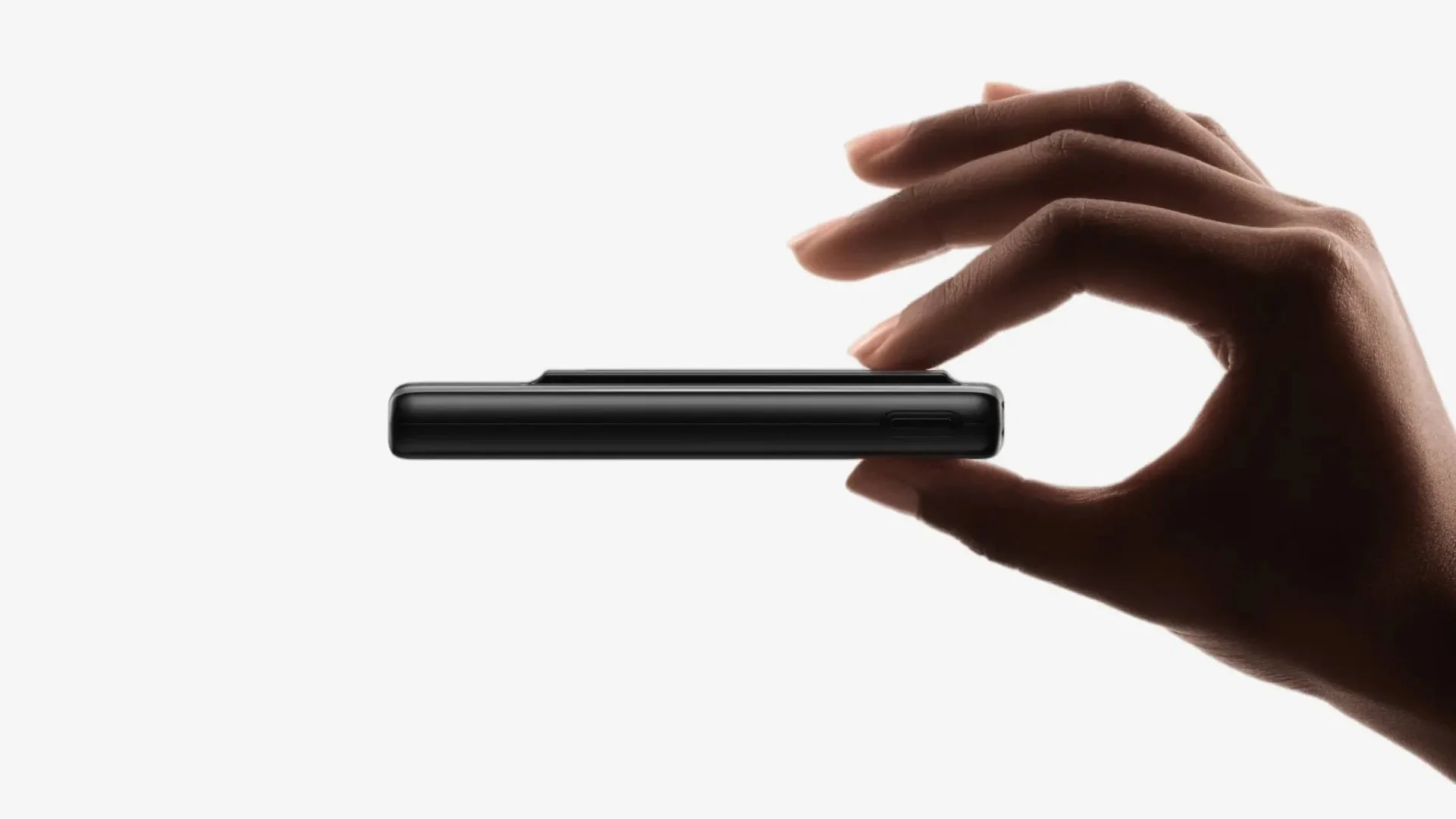
For example, EcoFlow Rapid Mag (10,000mAh) is the perfect stylish pocket or purse companion for recharging your iPhone or Apple Watch.
It's perfect for commuting, taking day hikes or partying all night without worrying about finding a wall outlet.
If you need to charge multiple devices or a mobile workstation, 10,000mAh isn't going to cut it. Consider a 20,000mAh or higher power bank like EcoFlow RAPID Pro (20,000mAh, 230W, 100W Built-in Cable).

Charging and Recharging Tips for Better Efficiency
All lithium-ion battery-based power banks operate best when you follow certain procedures that help extend lifespan and ensure optimal performance.
Use Quality Cables
All USB cables and chargers may look the same but they're actually not. Cheap cables increase resistance and waste energy as heat. If you're using a power bank from a high-end manufacturer like EcoFlow, it pays to use the cables that come with the product. The same goes for your high-end Android or iPhones. Always use the manufacturer's cable and plug whenever possible
Utilize Fast Charging (PD/QC)
Many high-end devices now come with ultra-fast charging modes such as USB-PD or QC-5. If you use a flagship device like Google Pixel or the latest iPhone, make sure the power bank you purchase can safely take advantage of ultra-fast charging.
Avoid Under and Overcharging
All batteries operate best when not charged to full capacity or left to run until they die every time. Aim to keep your battery charged between 20% - 80% to optimize cycle life. That goes for phone and laptop batteries too!
Pass-Through Charging
High-end power banks like most models manufactured by EcoFlow offer pass-through charging which means you can charge the power bank and your devices simultaneously when plugged into an AC outlet (household wall plug) without damaging the unit.
Frequently Asked Questions
How long will a 10,000 mAh power bank last?
It depends on what you mean by the question. The length of time a 10,000mAh power bank can provide power before needing to be recharged depends almost entirely on the energy consumption requirements of the devices you have connected to it. Other factors like cable quality and overall efficiency have an impact but nowhere near as much of one as power drawn from the device. In terms of lifespan, it depends largely on battery chemistry, frequency of use, and whether you fully charge and discharge the power bank often. LiFePO4 batteries like those found in EcoFlow portable power stations can last for over a decade of daily use.
What devices can a 10,000 mAh power bank charge?
A 10,000 mAh power bank offers the perfect balance of portability and storage capacity for phones, digital cameras, e-readers, and iPads. It can also provide a top-up for some ultralight laptops like MacBook Air or a Chromebook. However, most laptop users would be better served by a higher capacity power bank. Depending on the manufacturer, power banks up to 27,000mAh (100Wh) are allowed in the passenger cabins of almost all commercial airplanes. If you're not flying with your power bank, a small portable power station like EcoFlow RIVER 3 Plus can also be an excellent choice.
Should I get a 10000mAh or 20000mAh power bank?
A 10k power bank is perfect for pocketability and keeping your phone charged for a day without plugging into an outlet. For multi-day trips or if you need to charge multiple devices, a 20-27K power bank is still allowed on board most flights. If you're not going to fly with your power bank and you need more AC output and battery storage capacity, a power station with a built-in inverter like EcoFlow River 3 Plus may be a better option. It offers 256Wh of portable power at an affordable price and provides triple the storage and AC output of any power bank allowed on planes. It also functions as an uninterruptible power supply to protect your sensitive electronics like desktop computers and hard drives.
For press requests or interview opportunities, reach out to our media team
media.na@ecoflow.com