Set-Jetting: The Environmental Impact of Pop Culture Tourism
From luxury resorts featured in The White Lotus to the sweeping landscapes of Yellowstone, pop culture is shaping where and how we travel. This trend, known as set-jetting, has transformed once-quiet destinations into global tourism hotspots almost overnight.
While the economic boost can be significant, understanding the environmental and social impacts of set-jetting is the first step toward protecting and preserving the places that bring our favorite stories to life.
What Is Set-Jetting?
Set-jetting is the practice of visiting real-world locations that were used as filming sites for popular movies and TV shows. It's also sometimes called the “White Lotus Effect” because it inspired a huge surge in tourism to luxury resorts and locations featured in The White Lotus.
Essentially, it’s a form of pop culture tourism that fans use to connect emotionally with the fictional settings of their favorite stories, like fans of The Hobbit traveling to New Zealand, where The Shire was filmed, or fans of the popular TV series Yellowstone flocking to Yellowstone National Park.
According to UN Tourism, there are three dimensions of sustainable tourism: environmental, socio-cultural, and economic. They say that sustainable tourism should:
Make optimal use of environmental resources by maintaining essential ecological processes and helping conserve natural heritage and biodiversity.
Respect the socio-cultural authenticity of host communities with understanding and tolerance, and help conserve their cultural heritage and traditional values.
Ensure viable, long-term socio-economic benefits for all stakeholders, including stable employment and social services, to help alleviate poverty.
While the UN intended these guidelines for mass tourism, they apply equally well to niche segments like pop culture tourism. A balance of all three dimensions is essential for long-term sustainability because it ensures a destination’s popularity won’t lead to its decline and negatively impact those who call it home.
Protecting the Backdrop: Environmental Stewardship
Environmental stewardship is the responsible use and protection of the natural environment. It’s essential to protect pop culture destinations from harm and preserve them for current and future generations.
This leans heavily on better managing the resources that are key to the destinations’ appeal. For instance, if hordes of people flock to the old-growth forests on Vancouver Island, British Columbia, because they are fans of the modern Planet of the Apes series, we may need to manage the number of visitors per day to reduce the impact on the ancient trees.
However, environmental stewardship is about more than not destroying a forest. It’s about maintaining ecological processes using preventative actions and corrective measures. If we protect that forest but alter the flow of a nearby river so it dries up, then we haven’t properly maintained it.
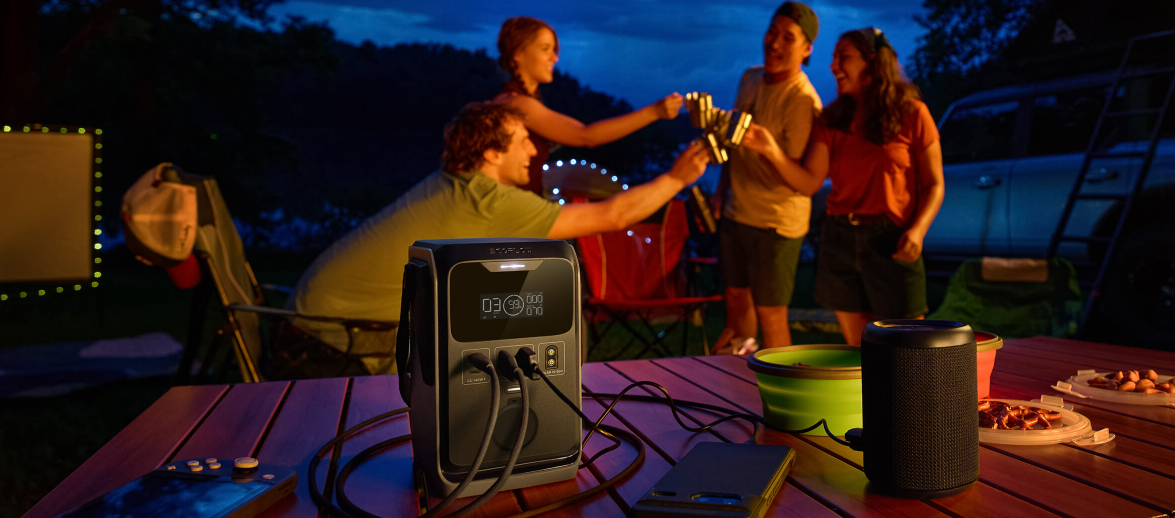
You can do your part to encourage sustainable tourism by always practicing leave-no-trace principles. You can also consider eco-friendly rechargeable power supplies like the EcoFlow TRAIL series. It can recharge phones, tablets, and laptops while you travel, and is capable of charging mobile devices up to 16 times.
Respecting the Local Script: Socio-Cultural Authenticity
Another important part of making pop culture tourism more sustainable is respecting and preserving the destination's socio-cultural heritage. This means ensuring that the influx of tourists doesn’t overwhelm or overshadow the location's cultural heritage, and addressing issues as soon as they arise. This might include setting up temporary lodgings, such as yurts or glamping accommodations, to host tourists if the town’s hotels become overwhelmed.
As individual tourists, we can help foster intercultural understanding and tolerance with locals rather than creating friction. Ask before taking pictures of locals and their lands; they may even let you do a selfie with them.
Promote their cultural identity by taking videos and pictures of their town and culture and posting them on your social media alongside shots of the set, to show other set-jetters that every destination is more than just a movie set.
Beyond the White Lotus Effect: Economic Viability
While pop culture tourism can be a boom-and-bust industry, sustainable tourism needs to look beyond temporary and seasonal gigs to explore ways that help secure stable employment. Wherever possible, locals should be employed first rather than employing outsiders. Issues related to social services and poverty should also be examined.
We can do our part by hiring local tour operators, staying at locally owned hotels, and shopping at local stores so our travel money benefits the community.
Stakeholder Collaboration and the Tourist Experience
Sustainable tourism requires strong political leadership and the informed participation of all stakeholders to reach consensus on how best to manage it. This means involving local governments, businesses, and residents in stakeholder collaboration, since they are among the most affected.
However, as tourists, we are also stakeholders. We can do our part by helping to raise awareness of sustainability issues that we observe among other visitors, locals, and managers. We also do our part by respecting the local heritage and culture and supporting local businesses. If we encourage sustainable practices among set-jetters, we can create a whole new group of advocates to help preserve and protect the location.
In addition to practicing leave-no-trace principles, we can also use sustainable products like the EcoFlow TRAIL series. These power stations will recharge your devices, but can themselves be recharged with a portable solar panel (with a Type-C output), making your energy entirely renewable and sustainable.
Sustainable Tourism as a Continuous Process
Set-jetting is a powerful force reshaping travel and fragile landscapes around the world. When guided by the principles of sustainable tourism, pop culture tourism can provide long-term economic benefits while preserving the environmental and cultural integrity of its destinations. This will require vigilance and collaboration with local governments, businesses, communities, and travelers alike. If you’re ready to make your travel more sustainable without costing you convenience, consider one of the EcoFlow TRAIL Series.
For press requests or interview opportunities, reach out to our media team
media.na@ecoflow.com