Do You Need a Generator Transfer Switch? Here’s the Truth
- What Is a Generator Transfer Switch?
- Do Portable Generators Need a Transfer Switch?
- Do Standby Generators Need a Transfer Switch?
- What Are the Risks of Running a Generator Without One?
- What Are the Alternatives to a Traditional Transfer Switch?
- How Much Does a Transfer Switch Cost to Install?
- Frequently Asked Questions
- Battery Backup Systems Give Homeowners Reliable Power Without the Hassle of a Traditional Transfer Switch
If you want to prepare your home for outages with a backup power source, the immediate question for many homeowners is whether they need a generator transfer switch. This guide covers what you need to know to make sure your backup system is safe, compliant, and optimized for your home’s needs.
What Is a Generator Transfer Switch?
A generator transfer switch is an electrical device that’s installed next to the main service panel in your home (the breaker box).
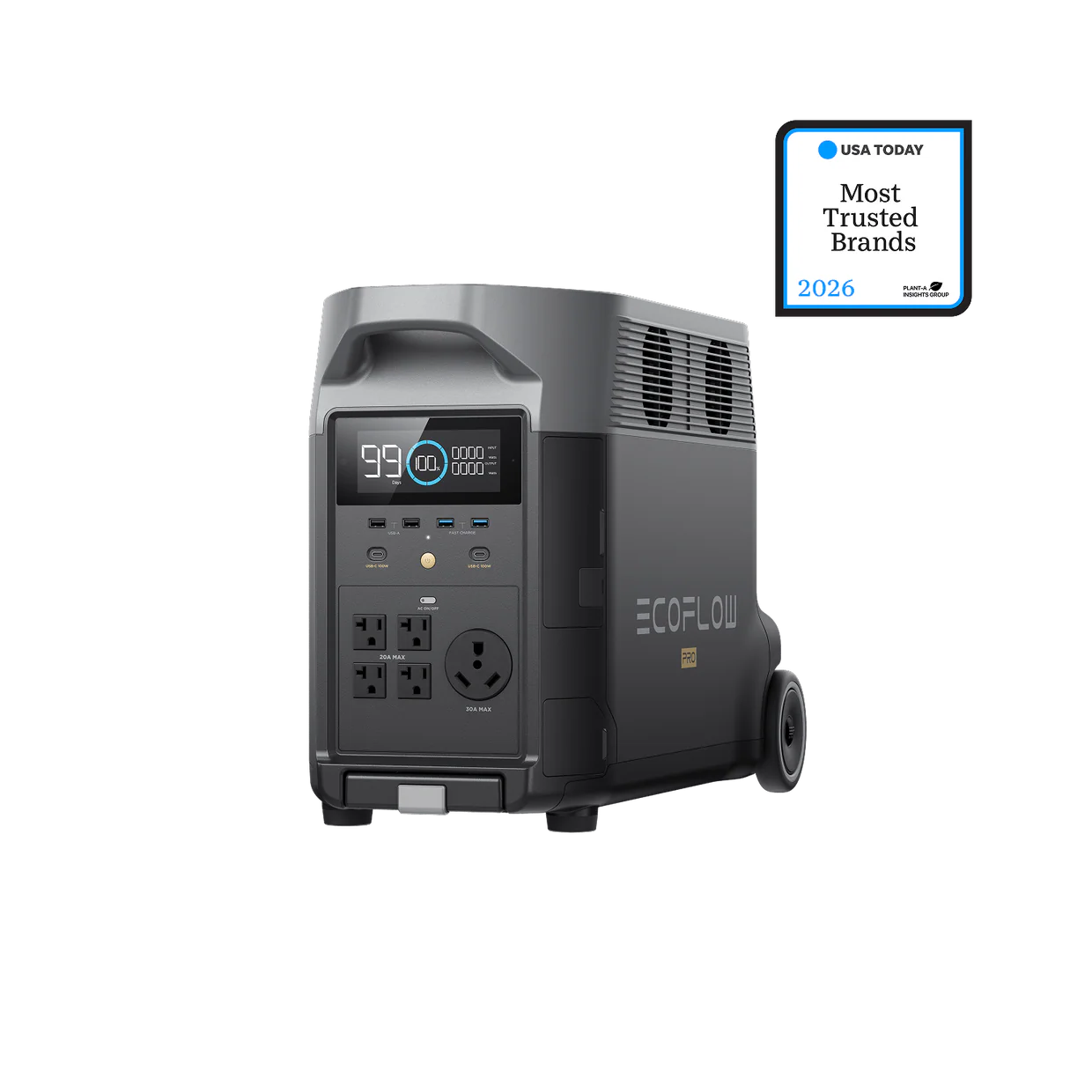
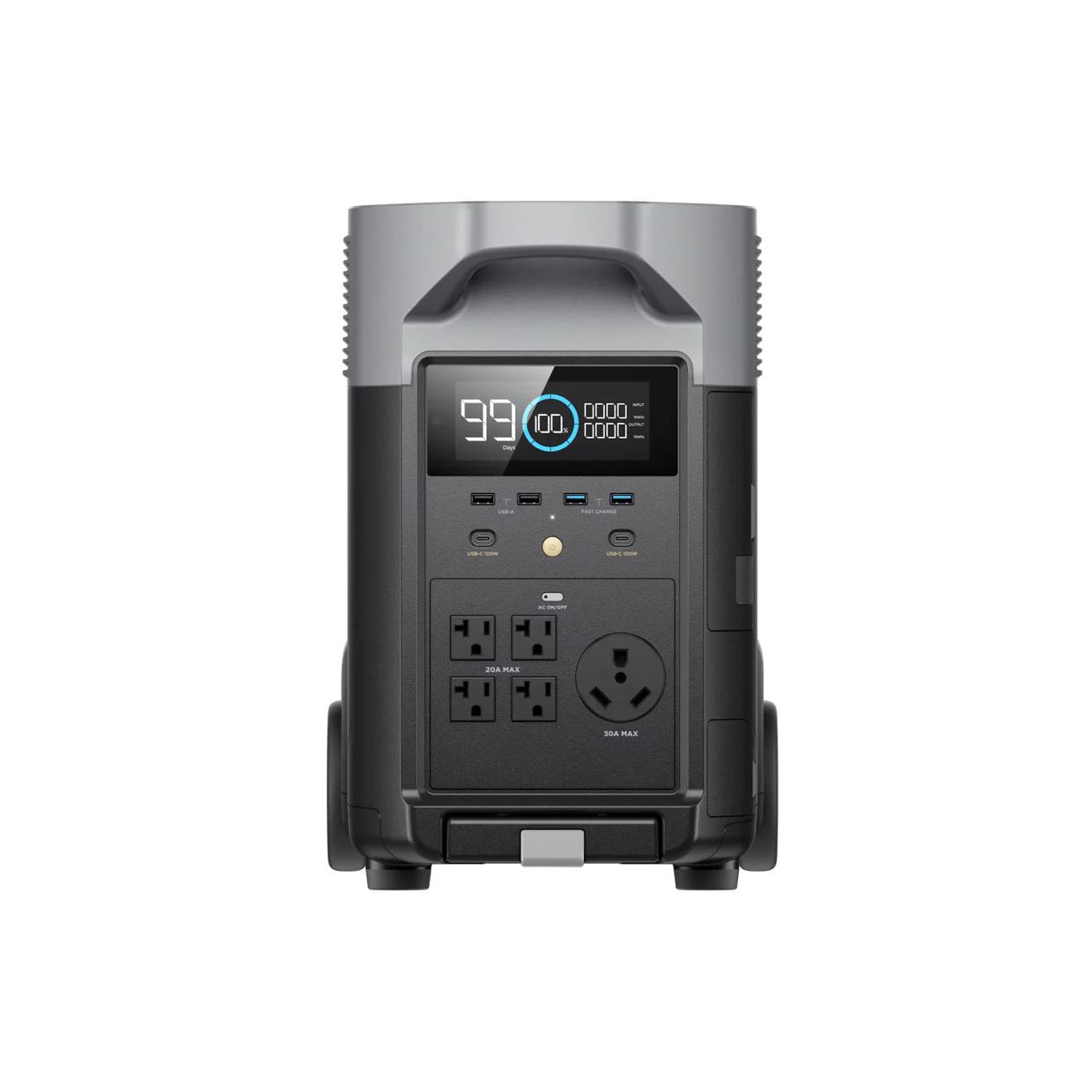
If you’re using a device like an EcoFlow DELTA Pro Portable Power Station to power small devices via extension cords, you won’t need a generator switch, but they are essential in whole-home setups.
Its purpose is to switch the power supply of your dedicated circuits from the utility grid to your backup power source and back again, isolating your internal wiring from the external utility lines.
A generator transfer switch prevents your backup power source from sending electricity backward into the grid, which is called backfeeding.
There are two main configurations for transfer switches: manual and automatic.
Manual transfer switch — You flip this yourself during an outage.
Automatic switch — The system detects when grid power goes down and switches automatically in seconds.
Do Portable Generators Need a Transfer Switch?
It depends on how you want to use the portable generator. If your goal is to power your hardwired appliances, like the central air conditioner or furnace, then yes, you need a transfer switch or a code-compliant alternative.
You can’t plug hardwired appliances into a portable generator’s outlets, since they draw power from the home’s electrical panel.
However, if you only want to run a few plug-in appliances during a blackout, you don’t strictly need one. Just position the portable generator outside and run extension cords to individual appliances.
Do Standby Generators Need a Transfer Switch?
Standby generators require a transfer switch. Whole-home standby generators are outdoor installations for high-capacity backup power. They are wired into your home’s infrastructure and need an automatic transfer switch.
When the grid goes down, the transfer switch detects the drop in voltage instantly, and the standby generator starts up, disconnecting your home from the utility line. When power is restored, the system reverses the process automatically.
What Are the Risks of Running a Generator Without One?
Trying to connect a generator directly to your electrical system without using a transfer switch can pose serious risks.
Backfeeding is the biggest risk. Plugging a generator directly into a wall outlet is illegal and dangerous. The electricity travels backward into the neighborhood utility lines, increases the voltage, and creates a deadly hazard for utility line workers repairing the grid.
Fires are another risk. A sudden surge in electricity can overload the internal wiring in your home. If power returns while your generator is connected without isolation, two power sources collide, causing large electrical arcs that can destroy equipment and spark a fire.
Connecting a generator to your system without a transfer switch can also fry sensitive electronics in devices like computers and televisions. The transfer switch will ensure a clean transition to protect expensive appliances.
What Are the Alternatives to a Traditional Transfer Switch?
If you are looking for alternatives to a transfer switch, there are a few options to consider:
Interlock Devices
You may be interested in comparing interlock and transfer switches. An interlock kit is a mechanical safety device installed on your breaker panel. It’s a sliding metal plate that prevents the utility breaker and the generator backfeed breaker from being on together.
To use it, you must manually flip the main utility breaker to OFF, then slide the interlock plate up and turn the generator breaker to ON. This provides the same backfeeding safety protections as a manual transfer switch, but it usually costs less.
It’s also more flexible, letting you choose which circuits to power from your main panel instead of a preset subpanel.
Battery-Based Whole-Home Backup Systems
Whole-home backup power solutions are a modern alternative to fuel-powered generators. These advanced systems can store power from the grid or from solar arrays.
When an outage occurs, the power source changes so fast you won’t even notice. There is no need for manual subpanels or mechanical interlocks, and instead they rely on smart home panels to isolate your home from the grid automatically.
How Much Does a Transfer Switch Cost to Install?
The cost of a transfer switch varies depending on its type, your home, and local labor rates:
A manual transfer switch costs about $400 to $1,300 to install, including equipment and labor.
An automatic transfer switch, often bundled with a whole-home standby generator, typically costs $600 to $2,500 installed, with labor running $50 to $100 per hour for straightforward jobs.
Mechanical interlock kits are generally the most budget-friendly option, though exact pricing varies by installer and local labor rates.
These figures reflect national averages and can vary based on your home’s wiring and installation complexity.
Frequently Asked Questions
What Is the Difference Between a Transfer Switch and an Interlock Device?
A transfer switch uses a separate subpanel or an internal switching mechanism to route power to specific circuits, isolating them from the main utility line. An interlock device is a simple mechanical slider installed on the breaker box that physically blocks you from turning the generator breaker on, and you can only do so when the main grid breaker is off.
Can You Run a Generator Without a Transfer Switch?
Yes, but it depends on the generator that you're planning to use. You could run a portable generator, for example, but you will need to run extension cords to your appliances. Never connect a generator to your wall outlets or your main electrical panel directly. Doing so risks serious injury.
How Long Does It Take to Install a Transfer Switch?
For a manual transfer switch or interlock kit, installation typically takes two to four hours. A whole-home automatic transfer switch is more complex and can take longer, depending on your panel's configuration and accessibility. Factors like wiring complexity, the age of your panel, and whether an inspection is required can extend the timeline.
Battery Backup Systems Give Homeowners Reliable Power Without the Hassle of a Traditional Transfer Switch
Traditional generators paired with mechanical transfer switches were the standard for decades, but modern technology has provided more efficient options. You can now use advanced battery backup systems installed safely indoors to access reliable power and keep your home prepared.
If you want an alternative source of backup power for your home, explore the EcoFlow whole-home backup power solutions to find an option that meets your requirements, and enjoy reliable, clean backup power when you need it.
For press requests or interview opportunities, reach out to our media team
media.na@ecoflow.com