Do Solar Panels Need Direct Sunlight to Generate Power?
If you’ve ever wondered do solar panels need direct sunlight to work, you’re definitely not the only one. It’s easy to think they need bright sunshine all day to produce any useful power. But that’s not quite how it works. Solar panels can still generate electricity when the sky is cloudy or when sunlight reaches them indirectly.
Direct sunlight is still the best-case scenario. The stronger and more consistent the sunlight, the more energy a panel can generate. For a smaller setup, pairing a solar panel with something like the EcoFlow DELTA 3 Plus Portable Power Station can also help you make better use of the energy you collect, especially when sunlight isn’t consistent throughout the day.
Do Solar Panels Need Direct Sunlight
The short answer is no. They can still work when sunlight is indirect. Solar cells respond to light, so even a cloudy sky can provide enough light for a panel to generate some power.
That said, direct sunlight gives you the strongest output. When the sun is shining directly onto the panel without much obstruction, more light reaches the solar cells, allowing them to produce more electricity. Under weaker or indirect light, production drops because the cells have less energy to work with.
This is also why "does a solar panel need direct sunlight" and “does it work without direct sun?" aren’t quite the same question. A panel can produce power without direct sunshine, but you shouldn’t expect the same output you’d get on a clear, bright day. If your panels receive plenty of direct sun for several hours a day, you’ll usually get much more energy than from a location that stays shaded or receives only scattered light.
Solar panels work through the photovoltaic effect. Their solar cells absorb energy from sunlight, which causes electrons inside the cells to move and creates an electrical current. That electricity can then be used directly or stored in a compatible battery or portable power station.
Can Solar Panels Work in the Shade?
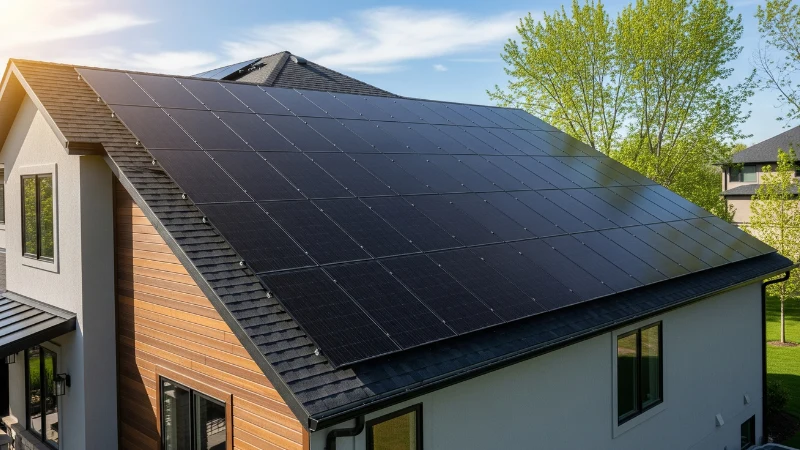
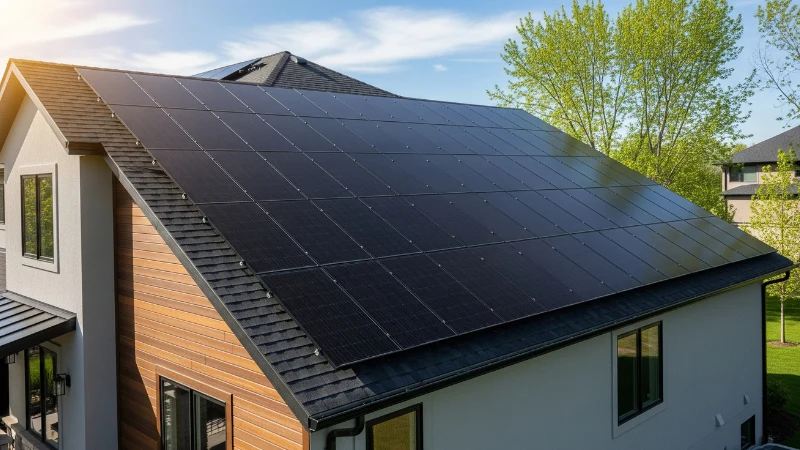
Yes, solar panels can still produce electricity in the shade, but the output can drop quite a bit. If you’re wondering do solar panels work in the shade, the important thing to remember is that shade doesn’t usually mean zero power. It means less sunlight is reaching the solar cells, so there’s less energy available to convert into electricity.
Even partial shade can make a noticeable difference. A tree branch, nearby building, chimney, or other obstruction covering part of a panel can reduce its overall production. How much it drops depends on the panel design, how much of it is shaded, and the strength of the available sunlight.
This is another reason does solar panels need direct sunlight is a useful question when planning where to install them. A spot that looks sunny in the morning might become shaded later in the day as the sun moves across the sky.
For the best results, place panels somewhere they can receive as much unobstructed sunlight as possible. If shade is unavoidable, keeping an eye on the panel’s actual energy output will give you a better idea of whether the location is working well for your setup.
How Will Weather Affect Solar Panels' Performance?
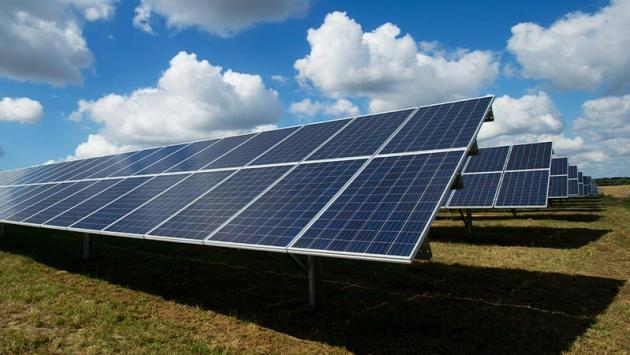
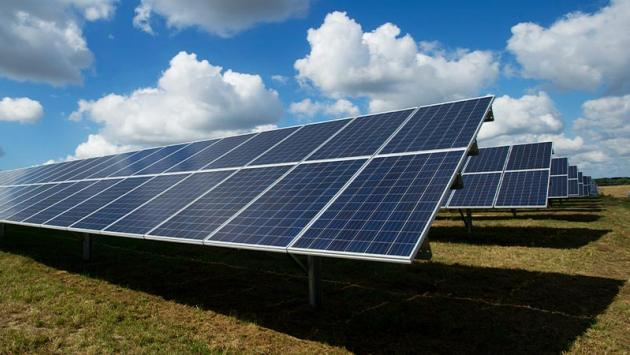
Weather can change how much electricity your panels produce, but bad weather doesn’t automatically switch them off. If you’re asking do solar panels need direct sunlight, the answer becomes a little more practical here: the less sunlight reaching the cells, the lower the output is likely to be.
Cloudy days: Panels can still generate electricity through cloud cover, although production will usually be lower than on a clear day.
Rainy days: Rain generally means less sunlight available, so solar generation goes down. The good news is that rain can also wash away some dust and dirt from the panel surface.
Snow: If snow completely covers the panels, very little sunlight can reach the cells until the surface clears. Light snowfall that doesn’t stay on the panel may have a much smaller effect.
Hot weather: It might seem like intense heat would help solar panels, but excessive temperatures can actually reduce their efficiency slightly. Strong sunlight is still valuable, but panels don’t necessarily perform their best at extremely high temperatures.
So, do solar panels need direct sunlight or just light? They can work in a range of conditions, but clear, unobstructed sunlight generally gives you the most useful output.
Keep Your Solar Energy Available Even When Sunlight Conditions Change
Solar panels don’t produce the same amount of electricity from morning to evening. Clouds can move in, shade can cover part of the panel, and once the sun goes down, generation stops completely. If you want to keep using solar energy beyond those hours, storing what you generate during the day can make a big difference.
A portable power station gives you a place to store that energy. During periods of stronger sunlight, your solar panels can recharge the power station. Later, you can use the stored energy for phones, lights, laptops, small appliances, or other equipment without needing the panels to produce power at that exact moment.
EcoFlow DELTA 3 Plus + 220W Solar Panel
For smaller setups, the EcoFlow DELTA 3 Plus Portable Power Station + 220W Solar Panel is a convenient combination. The 220W solar panel gives you a straightforward way to collect solar energy during the day, while the DELTA 3 Plus stores it for later use.
This setup makes sense for camping, RV trips, backyard use, or other situations where you don’t need a large amount of power. It’s also useful when sunlight is available for only part of the day. Instead of relying on the panels every time you need to charge a device, you can draw from the stored energy when conditions change.
EcoFlow DELTA 3 Max + 400W Solar Panel
For a larger setup, the EcoFlow DELTA 3 Max Portable Power Station + 400W Solar Panel gives you more room for higher energy demands. The 400W panel can provide more solar input when conditions are favourable, while the power station stores that energy for use later.
It’s a better fit for longer off-grid stays, larger outdoor setups, or anyone running several devices and appliances. You’ll still get the best solar performance with strong, unobstructed sunlight, but having stored energy means a cloudy afternoon or early evening doesn’t immediately leave you without power.
Where Should You Not Place Solar Panels?
Before deciding where to install your panels, it’s worth weighing the benefits and drawbacks of rooftop solar as well. Here’s a quick look at the pros and cons of solar panels.
Where you put your panels can matter almost as much as which panels you buy. Even if you’ve already answered do solar panels need direct sunlight, poor placement can leave them producing far less energy than they could.
Shaded areas: Trees, buildings, walls, and other obstacles can block sunlight and cut down solar production. Remember that shade can move throughout the day, so check the area at different times rather than judging it from one visit.
North-facing areas: In the Northern Hemisphere, north-facing panels usually get less direct sun. If you have another side of the roof that gets better exposure, that may be the better spot.
Areas with frequent obstructions: Watch out for trees, chimneys, nearby buildings, and other things that can cast shade. Even if a spot looks sunny in the morning, it may be shaded for part of the afternoon.
Poorly ventilated or heat-trapping locations: Solar panels can handle heat, but very high temperatures can affect their efficiency. Give them enough open space for air to move around them.
Unsafe or unstable surfaces: Don’t install panels somewhere they can shift, fall, or get damaged in bad weather. The surface should be strong enough to hold the panels securely.
In short, does a solar panel need direct sunlight for every minute of the day? No. But giving it a clear, well-positioned spot will help you get much more useful energy from the sunlight available.
Conclusion
So, do solar panels need direct sunlight? Not necessarily. Solar panels can still generate electricity from indirect sunlight, including on cloudy days, but direct, unobstructed sunlight will generally give you the strongest output.
Where you place the panels matters too. Avoid unnecessary shade, keep obstructions in mind, and choose an orientation that gives the panels plenty of usable sunlight throughout the day. If you’re building an off-grid setup, EcoFlow DELTA 3 Plus + 220W Solar Panel and DELTA 3 Max + 400W Solar Panel can also help you make better use of the energy you generate.
FAQs
Do Solar Panels Require Light Specifically From the Sun?
Yes, solar panels are designed to generate electricity from sunlight. They can use indirect and diffused sunlight, so do solar panels need direct sunlight or just light? They need light, but direct sunlight generally produces much more power.
Is It Better to Have Solar Panels Flat or Angled?
Angled panels are usually better because they can receive more direct sunlight during the day. The ideal angle depends on your location and the time of year, so a fixed panel shouldn’t simply be placed flat unless the setup calls for it.
What Is the Lifespan of a Solar Panel?
Most modern solar panels are designed to keep producing electricity for decades. Their output gradually decreases over time rather than suddenly stopping, and proper installation and maintenance can help them continue performing well.
Does Rain Affect Solar Panels?
Yes, but mainly because rain clouds reduce the amount of sunlight reaching the panels. They can still generate some electricity during rainy weather. Rain can also help wash dust and dirt from the surface, which may be helpful for maintaining good light exposure.
For press requests or interview opportunities, reach out to our media team
media.na@ecoflow.com