Deer Hunting Gear: What to Prepare Before Opening Weekend
- Essential Documentation and Legal Requirements
- Clothing and Layering for Variable Weather
- Safety Gear and Blaze Orange Mandates
- Field Dressing and Meat Processing Tools
- Hunting Camp Logistics and Meat Storage Solutions
- Navigation and Weather Monitoring Tools
- Prepare Your Gear and Secure Your Harvest Today
- FAQs
The arrival of the autumn hunting season between September and November marks a critical period for hunters across the United States. Success during opening weekend is rarely the result of luck; it is the product of meticulous preparation and the right equipment. Whether you are trekking through the deep woods or setting up a stationary blind, having a comprehensive deer hunting checklist ensures that you remain safe, legal, and effective. This guide outlines the essential categories of deer hunting gear you need to inspect and organize before heading into the field.
Essential Documentation and Legal Requirements
Before focusing on physical equipment, you must ensure your legal paperwork is in order. Hunting regulations vary significantly by state, and non-compliance can lead to heavy fines or the loss of hunting privileges. Integrating these requirements into your deer hunting checklist is the first step of a responsible season.
Verify Licenses and Species-Specific Tags
Verify that your hunting license is current for the specific state and zone where you intend to hunt. Most states require physical tags to be attached to the carcass immediately after a harvest. Ensure these tags are stored in a waterproof sleeve within your pack. Many hunters also carry a pen or a zip-tie specifically for securing these tags, as searching for them in the field can be difficult.
Understand Zone Boundaries and Regulations
State laws can change from year to year regarding "Earn-a-Buck" programs or antler point restrictions. Review the current year’s hunter's digest to avoid accidental violations. Understanding the exact boundaries between public and private land is also a key legal requirement. Using mapping software can help you identify these lines, but having a physical understanding of the landmarks is equally important for a legal hunt.
Maintain Hunter Safety Certifications
If you are hunting in a new state, check if they require proof of a hunter safety course. Most states accept certifications from other jurisdictions, but you should keep a digital or physical copy accessible. This is especially relevant for younger hunters or those born after certain dates specified by state law. Having this documentation ready prevents delays if you are stopped for a routine check by a conservation officer.
Clothing and Layering for Variable Weather
The months of September through November are notorious for unpredictable temperature swings. A morning frost can quickly turn into a humid afternoon. Effective deer hunting gear must include a modular layering system that allows you to add or remove clothing without creating excessive noise or scent.
Implement a Three-Layer Moisture System
Avoid cotton at all costs, as it retains moisture and can lead to chills. Start with a moisture-wicking base layer made of merino wool or high-tech synthetics. The mid-layer should focus on insulation, such as a fleece or a down vest, to trap body heat. Finally, the outer shell needs to be windproof and water-resistant to protect you from the elements while remaining quiet enough to prevent spooking nearby game.
Select Appropriate Footwear and Insulation
Your choice of boots can make or break a long day in the stand. For early September, uninsulated rubber or leather boots may suffice. However, as November approaches, you might need boots with 400g to 800g of Thinsulate to prevent numb toes. Ensure your boots are well-broken in and treated with scent-eliminating sprays. Proper socks, particularly merino wool blends, are also vital for preventing blisters and managing foot perspiration.
Manage Human Scent and Camouflage
Deer rely heavily on their sense of smell. While no clothing can make you 100% scent-free, using carbon-lined garments or ozone treatments can help. Choose a camouflage pattern that matches the specific terrain—timber patterns for deep woods or "break-up" patterns for brushy fields. Remember to wash your hunting clothes in scent-free detergent and store them in airtight bins until you reach your hunting destination to avoid picking up household odors.
Safety Gear and Blaze Orange Mandates
Safety is the most important aspect of any hunt. Every state has specific requirements for blaze orange or "hunter orange" to ensure visibility among other hunters. This is a non-negotiable part of your deer hunting gear that protects you and everyone else in the woods.
Comply with State Orange Requirements
Check the minimum square-inch requirements for blaze orange in your hunting zone. Some states require only a hat, while others mandate a vest and a hat visible from all directions. Even if you are hunting on private land, wearing blaze orange is a standard safety practice. Ensure your orange gear is not faded, as UV light can degrade the brightness of the fabric over time, making it less effective for safety.
Tree Stand Safety and Harness Inspection
If you plan to hunt from an elevated position, a full-body safety harness is essential. Inspect your harness for frayed straps or rusted buckles before every use. Most hunting accidents occur while climbing into or out of a tree stand. Using a "lineman’s belt" during installation and a "lifeline" during the hunt ensures you are attached to the tree from the moment your feet leave the ground until you return.
Emergency Communication and First Aid
Always carry a basic first-aid kit that includes trauma shears, tourniquets, and bandages. In remote areas, a whistle or a signal mirror can be lifesaving if you become lost or injured. Inform someone of your exact location and expected return time. While many hunters rely on smartphones, carrying a backup power source ensures you can make a call in an emergency.
Field Dressing and Meat Processing Tools
The work truly begins once the deer is on the ground. Having a dedicated set of tools for field dressing ensures that you can process the animal quickly and cleanly, which is vital for meat quality. Including these tools in your deer hunting checklist prevents a stressful situation after a successful harvest.
Assemble a Dedicated "Kill Kit"
A specialized "kill kit" should include a sharp fixed-blade knife, a bone saw, and a gut hook. Replaceable-blade knives are popular because they ensure you always have a razor-sharp edge without needing to sharpen in the field. Include several pairs of nitrile gloves to protect yourself from blood-borne pathogens and to keep your hands clean for the hike back to the vehicle.
Use High-Quality Game Bags
Once the deer is dressed, you need to protect the meat. High-quality synthetic game bags allow the meat to breathe and cool down while keeping flies and debris away. This is particularly important for early-season hunts in September when temperatures can still be high. Proper game bags prevent "bone sour," a condition where the meat begins to spoil from the inside out due to trapped heat.
Hoists and Gambrels for Camp Processing
If you plan to skin and quarter your deer at a hunting camp, a gambrel and hoist system is invaluable. It allows you to hang the carcass at a comfortable height, making the skinning process much more efficient. Keeping the meat off the ground is essential for sanitation and prevents domestic dogs or wild scavengers from interfering with your harvest.
Hunting Camp Logistics and Meat Storage Solutions
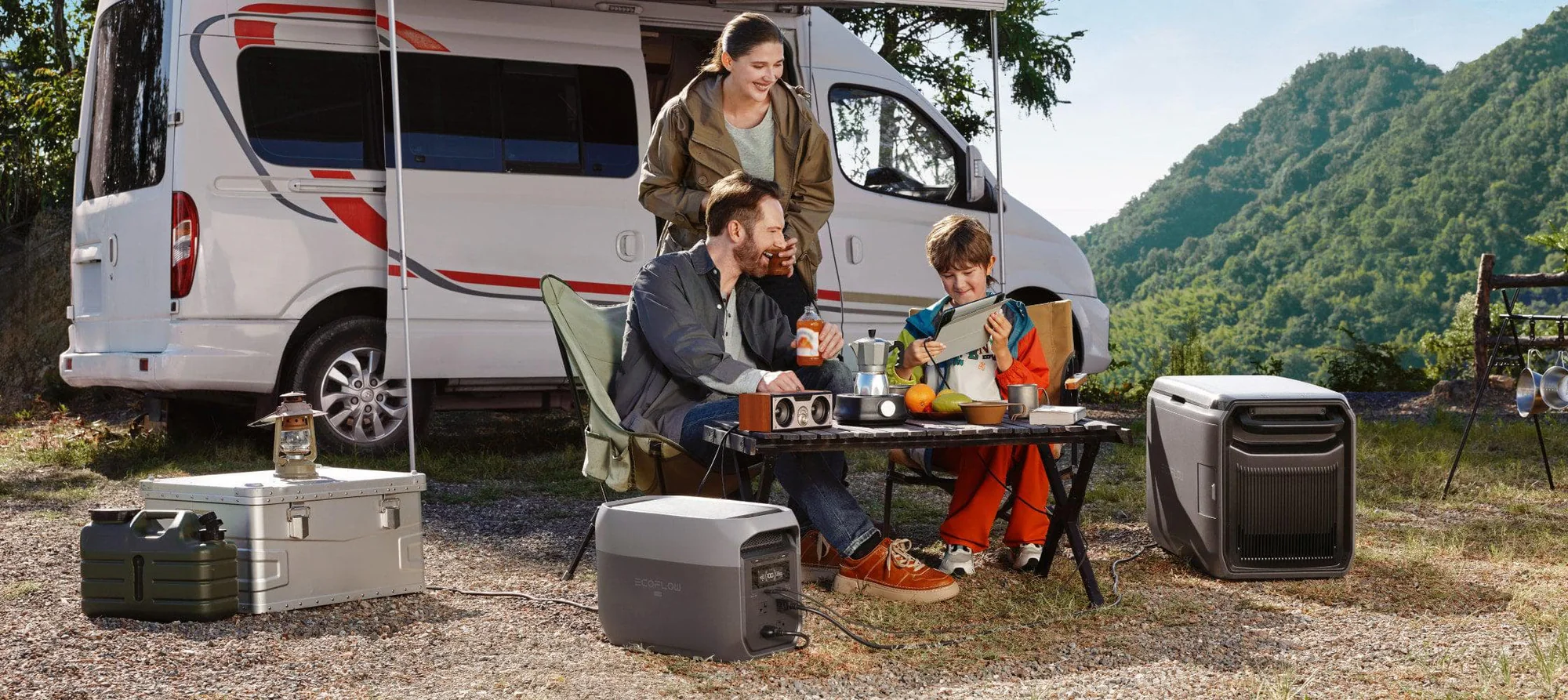
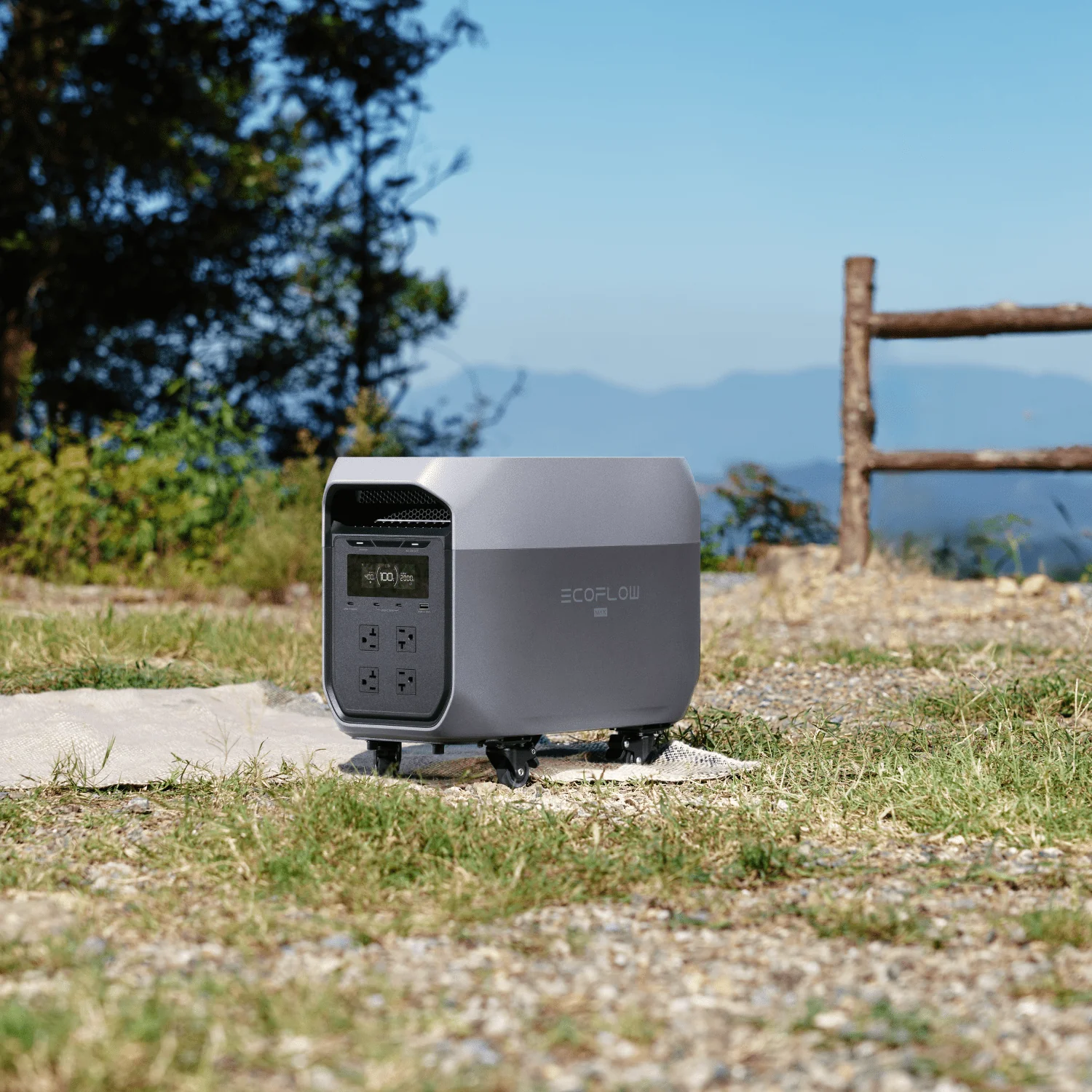
A successful multi-day trip often relies on the infrastructure of your hunting camp. Maintaining a remote camp requires reliable electricity for chest freezers, vacuum sealers, and sanitation equipment. For these heavy-duty needs, the EcoFlow DELTA 3 Max (2048Wh) with a 400W Solar Panel offers durable, whisper-quiet power that is easy to carry to remote sites.
Maintain the Cold Chain for Meat Preservation
In warmer weather, a standard cooler with ice may not be sufficient for a three-day trip. A small, high-efficiency chest freezer can be a game-changer at a hunting camp. By keeping the meat at sub-zero temperatures immediately after processing, you ensure the highest possible quality for your venison. This setup is especially useful if you are far from a commercial processor and need to transport the meat back home over a long distance.
Powered Processing: Vacuum Sealers and Grinders
Many hunters prefer to do their own butchery at camp to save money and ensure total control over the cuts. A vacuum sealer is essential for preventing freezer burn and keeping the meat fresh for months. These devices require consistent AC power to operate their heating elements and pumps. Having a reliable power station allows you to package steaks and ground meat right on the tailgate of your truck or inside your camp tent.
Lighting and Sanitation in Remote Camps
Cleaning a deer in the dark is difficult and can be dangerous. Portable LED floodlights can illuminate your entire processing area, making the work faster and safer. Furthermore, a small electric water pump can provide pressurized water for washing down the gambrel, knives, and your hands. These small luxuries improve camp hygiene and reduce the risk of cross-contamination during the butchery process.
Comfort and Climate Control in the Tent
Opening weekend nights can be chilly or damp. Small electric fans can help circulate air and dry out wet hunting clothes, while a coffee maker provides much-needed warmth in the early morning hours. Using a quiet power source prevents the noise of a gas generator from spooking the deer you are trying to hunt. This ensures that your camp remains a peaceful retreat without disturbing the natural environment.
Leveraging Solar for Sustainable Camp Power
On extended trips, you may not want to rely on your vehicle’s battery. A 400W solar panel can top off your power station during the day while you are in the woods. This creates a self-sustaining loop of energy that can run your lights and freezers indefinitely. Modern solar technology is efficient enough to work even on slightly overcast days, providing peace of mind for the long-haul hunter.
Navigation and Weather Monitoring Tools
Modern hunters utilize technology to gain a competitive edge. Understanding the terrain and the wind direction is just as important as your marksmanship. These digital and physical tools are core components of contemporary deer hunting gear.
Use Offline Mapping and GPS Software
Cellular service is rarely reliable in prime hunting territories. Download offline maps via apps like OnX or Gaia GPS to ensure you can navigate back to your hunting camp or vehicle in the dark. These apps also show property boundaries, which is essential for staying legal. Carry a traditional compass and a physical map as a redundant backup in case your electronics fail.
Monitor Wind Direction and Scent Drift
Deer rely on their sense of smell more than their sight. Use wind direction indicators, such as wind-checker powder or small ribbons, to determine how your scent is drifting. Always plan your approach to a stand so that the wind is blowing from the deer’s suspected location toward you. Monitoring the barometric pressure can also give you clues about when deer are most likely to be moving.
Check Weather Forecasts and Solunar Tables
Deer activity is often tied to weather fronts and moon phases. Opening weekend success may increase just before a cold front moves through. Solunar tables provide "peak" activity times based on the moon's position. While not a guarantee, these tools help you decide whether to stay in the stand all day or focus your efforts on the early morning and late evening windows.
Prepare Your Gear and Secure Your Harvest Today
A successful hunting season is built on the quality of your preparation and the reliability of your equipment. From your blaze orange safety vest to the knives in your pack, every piece of deer hunting gear plays a role in the harvest. Don't let power failures ruin your hard-earned meat or leave your camp in the dark. Secure the EcoFlow DELTA 3 Max (2048Wh) + 400W Solar Panel to ensure your venison stays frozen and your hunting camp stays powered all season long.
FAQs
What is the most important item on a deer hunting checklist?
A valid hunting license and the required tags are the most critical items. Without them, the rest of your gear is irrelevant as you cannot legally harvest an animal. Always verify your state’s specific documentation requirements well before you leave for your hunting camp.
How much blaze orange do I need to wear?
No, the requirement is not the same everywhere. It depends on your state’s specific laws and the type of season (archery vs. firearm). Some states require a minimum of 400 or 500 square inches of orange above the waist. Always check the current year’s hunter's digest for your specific zone.
Can I use a regular cooler for deer meat?
Yes, you can use a standard cooler, but you must ensure the meat stays dry. Do not let the venison sit in a pool of melted ice water, as this can encourage bacterial growth. Use frozen jugs of water or keep the drain plug open and replenish the ice frequently. For longer trips at a hunting camp, a powered freezer is a much more reliable option.
How do I prevent my hunting clothes from smelling like camp?
You should store your clothes in scent-proof bags. Avoid wearing your hunting garments inside the camp where they can pick up smells from cooking or woodsmoke. Change into your hunting clothes only when you arrive at your starting point in the woods to maintain maximum scent control.
Is it safe to hunt alone on opening weekend?
Yes, it is common, but you should take extra precautions. Always share your "hunt plan" with a friend or family member, including your GPS coordinates. Carry an emergency satellite messenger if you are going into an area without cell service. Safety should always be your first priority when heading into remote areas.
For press requests or interview opportunities, reach out to our media team
media.na@ecoflow.com