Elk Hunting Season 2026: Backcountry Camp Power Guide
- Why Does Power Matter for a Backcountry Elk Camp?
- What Devices Do You Need to Power at Elk Camp?
- Why Do Gas Generators Cause Problems in Elk Camp?
- How Do Portable Power Stations Solve Backcountry Power Problems?
- How Can Solar Panels Extend Power Through a Multi-Day Hunt?
- How Do You Keep Game Meat Cold in the Backcountry?
- What Size Power Station Do You Need for Elk Camp?
- Frequently Asked Questions
- Portable Power Keeps Your Elk Camp Charged for the Entire Hunt
A successful elk camp depends on more than a good rifle and a solid pack list. Optics, communicators, and cold storage all need power, and running out days into a hunt can turn a promising trip into a scramble. Here's how to keep your camp powered from opening morning through pack-out.
Why Does Power Matter for a Backcountry Elk Camp?
Elk hunts often stretch five to ten days, far from an outlet or a vehicle, and timing varies widely by state and unit, the way it does for California's deer season dates.
Every piece of gear that keeps you safe, oriented, and in the field, from your GPS unit to your satellite communicator, runs on a battery that eventually needs a recharge.
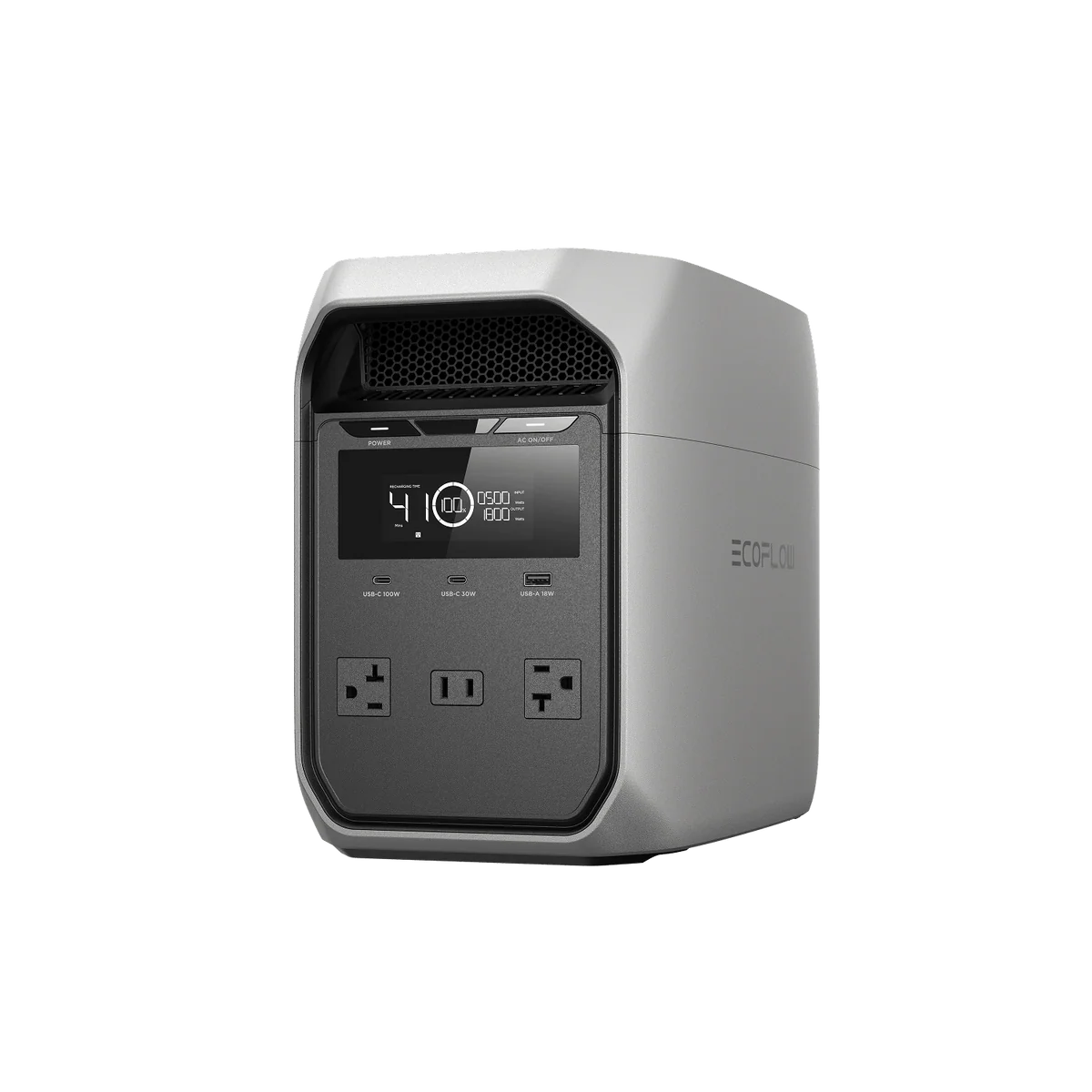
The EcoFlow DELTA 3 Classic (1024Wh) gives a camp enough reserve capacity to cover a multi-day hunt without rationing power for the devices that matter most.
Losing power isn't just an inconvenience in elk country; a dead communicator or a dark headlamp on a mountainside miles from the trailhead is a real safety gap, and it's one that's easy to plan around before you ever leave home.
What Devices Do You Need to Power at Elk Camp?
Optics, Cameras, and Navigation Gear
Rangefinders, GPS units, and trail cameras all run on rechargeable batteries or AA cells that drain fast in cold weather. A single overnight charge keeps binoculars and range-finding optics ready for the next glassing session, and it means you're not swapping in cold spares at first light.
Satellite Communicators, Phones, and Radios
Satellite messengers and two-way radios are the backbone of camp communication and emergency response when you're outside cell range. These devices sip power compared to other gear, but a dead battery on the one device that can call for help is the scenario every hunter wants to avoid.
Lighting, Cooking, and Camp Comfort
Headlamps, camp lanterns, and portable induction cooktops all draw from the same power source. Running a small induction burner instead of a propane stove cuts down on fuel weight and open flame risk in dry country, which matters even more if you're hunting during periods of extreme fire danger.
Why Do Gas Generators Cause Problems in Elk Camp?
Gas generators are loud, and elk have sharp hearing that makes them wary of unfamiliar noise near a camp or a trail.
Some protected public lands take generator noise seriously enough to cap it by rule. National Park Service units, for instance, limit motorized equipment to 60 decibels measured at 50 feet under 36 CFR 2.12, and a running generator in open, quiet elk country can easily carry past that threshold even on land where no such limit formally applies.
Beyond the noise, gas generators mean hauling fuel deep into the backcountry, dealing with exhaust fumes near a tent, and maintaining a machine with moving parts in freezing temperatures.
How Do Portable Power Stations Solve Backcountry Power Problems?
A portable power station stores charge in a sealed battery pack with no fuel, no fumes, and no moving parts to freeze up or fail on a cold morning. It runs silently, which matters in elk country where any unnecessary noise can push animals off a ridge before you get within range.
The EcoFlow DELTA 3 Classic (1024Wh) fits this role well for a solo or two-person camp, offering enough capacity to run lights, charge optics, and top up communicators for several days between recharges.
How Can Solar Panels Extend Power Through a Multi-Day Hunt?
For hunts longer than a few days, or for base camps that stay set up for a full week, solar recharging removes the need to carry backup batteries or plan a resupply trip.
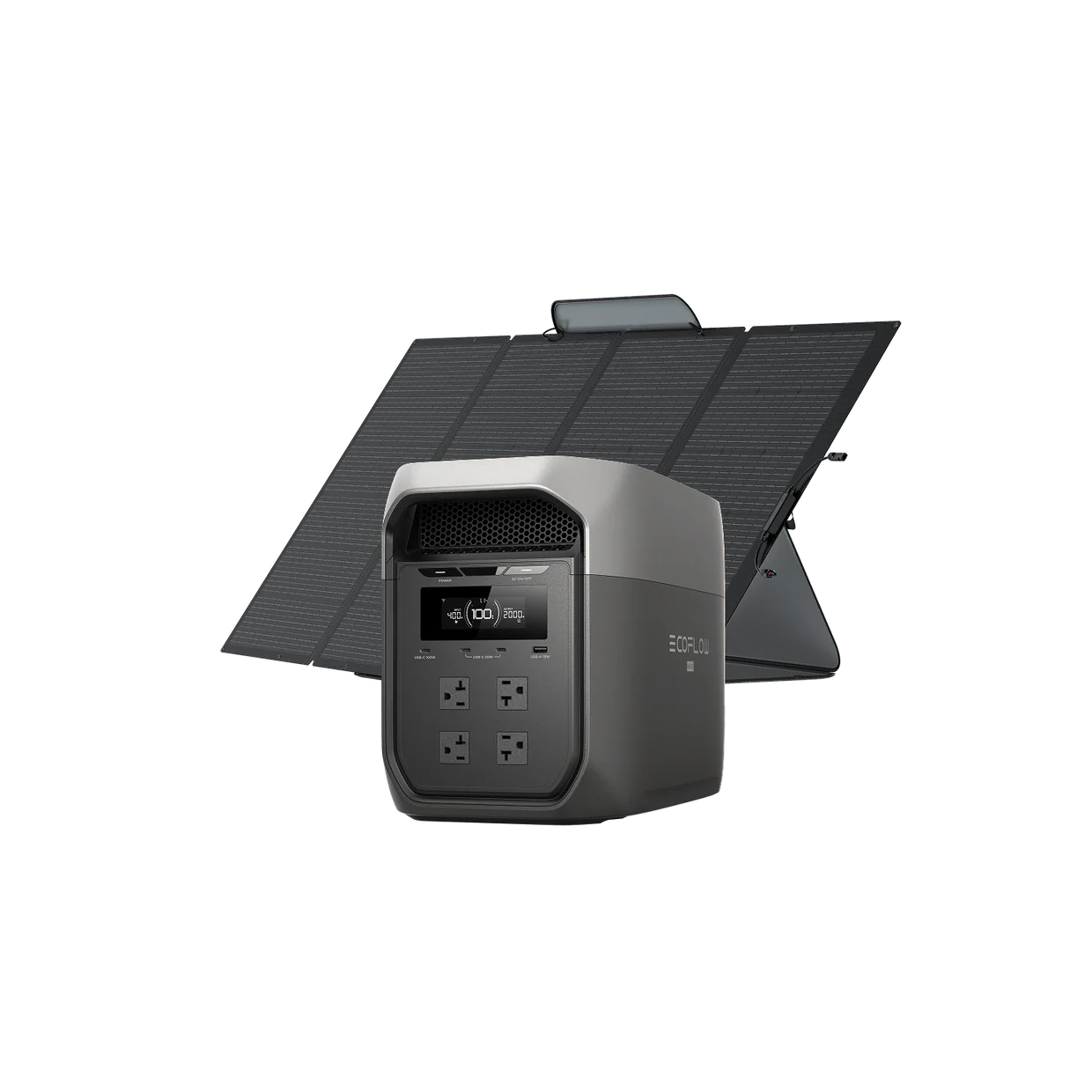
The EcoFlow DELTA 3 Max + 400W Solar Panel pairs a larger battery with a foldable panel that can top up the unit during a full day of glassing or scouting, so the camp's power reserve rebuilds itself while you're out hunting rather than sitting idle.
This setup works especially well for basecamp hunts where the power station stays put, and the solar panel gets angled toward the open sky each morning.
How Do You Keep Game Meat Cold in the Backcountry?
Once you've made a harvest, cooling the meat quickly is critical. The USDA recommends getting game meat below 40°F within four hours of the kill to slow bacterial growth.
A power station can run a small 12V cooler or fan-assisted cooling system at camp, which helps maintain that temperature over several days when a hard freeze isn't guaranteed.
This is especially useful during early-season cold weather hunts, when daytime temperatures can still climb well above freezing even at elevation.
What Size Power Station Do You Need for Elk Camp?
For a solo hunter running lights, optics, and a communicator, a station in the 1,000Wh range like the EcoFlow DELTA 3 Classic (1024Wh) covers several days comfortably.
Larger groups, longer hunts, or camps running a cooler or cooking equipment benefit from the added capacity and solar input of the EcoFlow DELTA 3 Max + 400W Solar Panel bundle.
Matching the station to your actual device list, rather than buying the biggest option available, keeps your pack weight reasonable without leaving you short on power halfway through the hunt.
Frequently Asked Questions
Can You Run a Generator While Elk Hunting?
You can, but it's rarely a good idea. Gas generators are loud enough to spook elk well before you're in range, and federal rules cap generator noise at 60 decibels measured 50 feet away on most public land. A silent power station covers the same charging needs without the noise, fumes, or fuel weight.
How Do You Keep a Phone Charged During a Backcountry Elk Hunt?
Pack a portable power station or a smaller power bank sized to your trip length, and charge your phone overnight rather than letting it run down during the day. Keeping the phone in airplane mode when you're out of range also conserves battery, since it stops searching for a signal that isn't there.
Portable Power Keeps Your Elk Camp Charged for the Entire Hunt
Power is easy to overlook until a headlamp dies on the walk back to camp or a communicator won't turn on when you need it most. Planning around a dependable, quiet power source lets you focus on glassing ridgelines and reading signs instead of rationing batteries.
For hunters weighing options for this season, the EcoFlow DELTA 3 Classic (1024Wh) covers a standard camp setup, while the EcoFlow DELTA 3 Max + 400W Solar Panel is ideal for longer stays or larger groups needing to recharge in the field.
For press requests or interview opportunities, reach out to our media team
media.na@ecoflow.com