Con Edison Power Outage Help: Outage Updates, Safety Tips & Next Steps
- How Do You Check Con Edison Outage Updates Quickly?
- Why Do Con Edison Outages Happen?
- What Should You Do When a Sudden City Blackout Hits?
- How Can You Keep Your Apartment Running During Long Blackouts?
- How Do You Stay Safe During a New York Blackout?
- How Can You Prepare for Future Summer Outages?
- Conclusion
- FAQ
New York City summers test the absolute limits of the local power grid. When a severe heat wave hits and millions of air conditioners crank up at the same time, the Con Edison network starts dropping lines, leaving apartments sweltering, spoiling expensive groceries, and disrupting remote work setups instantly. Waiting in a dark, humid apartment can be frustrating. This guide skips the generic corporate advice and gives you direct, practical steps to track the blackout, protect your space, and use backup power to keep your critical gear running until the lights come back on.
How Do You Check Con Edison Outage Updates Quickly?
The very first thing you need to figure out when your lights drop is whether you’re dealing with a hyper-local issue or a massive neighborhood blackout. There is a huge difference between a tripped breaker in your apartment building and a full circuit failure on your block. Instead of sitting in the dark guessing, your best move is to check Con Edison’s live tracking systems immediately. Getting these real-time grid updates tells you exactly what you are up against, letting you decide whether to stick it out at home or grab your gear and head somewhere with working power.
Open the Con Edison Outage Map
Your quickest path to finding out what’s going on is the interactive Con Edison outage map, which you can easily pull up on a phone, desktop, or right inside the official Con Edison mobile app. This map updates in real-time, using color-coded zones to show the exact areas facing active service interruptions throughout Manhattan, Brooklyn, Queens, Staten Island, and Westchester County.
Enter Your Building Address
Instead of scrolling through a massive, cluttered map of the entire city, type your specific street address or five-digit ZIP code directly into the tracker’s search bar. This quickly cuts through all the unrelated municipal data and zooms straight into your immediate area, making it obvious whether the blackout is a widespread neighborhood crisis or just isolated to your specific building infrastructure.
Check Restoration Estimates
Once you locate your neighborhood on the Con Edison outage map, select the location pin to view the current Estimated Time of Restoration (ETR). The utility company updates them as soon as field crews check the physical damage and assess the local grid conditions. This gives your household a clearer estimate to decide whether to wait it out at home or set up a solar generator to keep your appliances running.
Report the Outage If It Is Not Listed
If your specific building or block is experiencing a total loss of power but does not appear on the outage map, do not assume the issue is already being handled. Log the service interruption immediately through the digital reporting portal or by calling 1-800-75-CONED, which alerts the regional distribution center to your location and ensures your circuit coordinate is placed in the active repair queue.
Why Do Con Edison Outages Happen?
Power outages in New York City are usually caused by specific conditions. NYC’s electrical grid is a large and complex system that is affected by seasonal weather and energy demand. Knowing the common causes of these outages helps you recognize early signs and prepare your home before widespread disruptions occur.
Heat Waves and Peak Demand
When a classic New York summer heat wave rolls in, millions of residents all crank up their air conditioners at the exact same time to cope with the humidity. This surge in electricity use can push the grid to its limits. Local transformers, those metal cylinders you see on utility poles or hidden in underground vaults, take a massive thermal beating from the relentless electricity demand. When they can’t shed that intense heat, the internal equipment simply overloads and fries, knocking out power to specific apartment blocks.
Storm Damage
When severe summer storms, sudden high wind gusts, or intense flash floods tear through the city, they deal serious physical damage to overhead lines and electrical infrastructure. Debris impacts, lightning, or deep water pooling can snap lines, submerge control hardware, and interrupt distribution pathways across entire neighborhoods.
Underground Cable Failures
A massive chunk of New York City’s power grid is buried right beneath our feet. While having wires underground protects them from falling trees, it exposes them to a whole different set of problems. Over time, constant moisture, shifting soil under the streets, and extreme temperature swings wear down the protective insulation around these high-voltage cables. When that insulation finally rots away, water seeps in and triggers a sudden short circuit. These outages are more difficult to repair because Con Edison crews have to physically dig up the asphalt just to find and patch the broken line.
Planned Maintenance and Accidents
Not every blackout is an emergency. Sometimes Con Edison takes specific grid sections offline to swap out aging equipment, run system upgrades, or complete necessary repairs. They usually send out official notifications well ahead of time to help families prepare for a planned power outage.
On the flip side, you also have completely unpredictable street level chaos. A construction crew slicing through a buried line, a delivery truck clipping a utility pole, or a manhole fire can instantly kill the power on your block without warning. Because outages can happen on both a planned and unexpected basis, it is helpful for households to keep basic emergency supplies and backup power options ready.
What Should You Do When a Sudden City Blackout Hits?
When the power suddenly drops in a dense New York apartment building, the first few minutes can be completely disorienting. The elevators stop, the hallway lights cut out, and your apartment goes dead quiet. Instead of scrambling around in frustration, taking a few immediate, deliberate actions will protect your expensive electronics and help you figure out exactly how bad the situation is.
Check If Nearby Buildings Are Affected
Scan surrounding structures or check the building hallway to determine whether adjacent properties, streetlights, or common areas are dark. If your entire block lacks power, you face a widespread outage; conversely, if neighboring lines remain active, the issue likely points to a tripped internal breaker or a localized building infrastructure fault.
Unplug Sensitive Electronics
Disconnect high-end hardware, including computers, TVs, air conditioners, and gaming consoles from wall outlets. Brief voltage fluctuations may occur when power is restored, so unplugging sensitive electronics can help reduce the risk of damage.
Gather Emergency Lighting and Batteries
Track down your household emergency kit immediately while you still have natural daylight coming through the windows, so you aren’t stuck hunting for your LED flashlights and fresh batteries in the pitch black. Position these illumination tools in a central, highly visible area like a kitchen counter so family members can navigate the space safely without searching through dark storage closets later.


How Can You Keep Your Apartment Running During Long Blackouts?
When a blackout stretches from a quick glitch into a grueling multi-hour ordeal, keeping your apartment functional becomes a major challenge. If you live in a high rise or a tight urban space, gas-powered generators are generally not suitable due to exhaust emissions and noise concerns. As a result, many residents consider portable battery-based backup power systems for indoor use. These systems operate completely silently, emit zero carbon monoxide, and can be safely run right inside your living room to keep your most important electronics powered up.
Keep Your Home Internet Connected
Keeping your internet running helps you stay updated during an outage. Connecting your primary modem and Wi-Fi routing hardware directly to a compact, indoor safe portable power station keeps your home network working even if building power is unavailable.
Light Essential Living Spaces
Trying to navigate a pitch-black apartment is an easy way to bump into furniture or trip over shoes. Instead of wasting your phone’s battery on its built-in flashlight, set up a few low power LED lamps or battery-operated lanterns in the living room and bathroom. Keeping these central areas illuminated sets up a safe baseline path, making it much easier for everyone in the house to move around without accidentally taking a fall.
Protect Refrigerated Food from Spoiling Quickly
When a power outage begins, the temperature inside a refrigerator can start to rise, especially during hot summer weather in New York City. Apartment interiors tend to warm up quickly, which can increase the risk of food spoiling within a few hours. Keeping the refrigerator door closed can help slow this process, but during longer outages, maintaining cooling through an external power source may be necessary to help preserve perishable food.
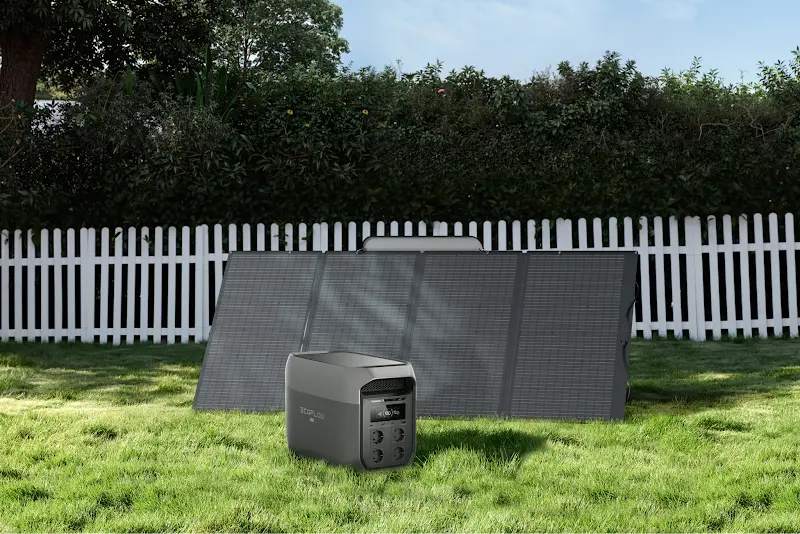
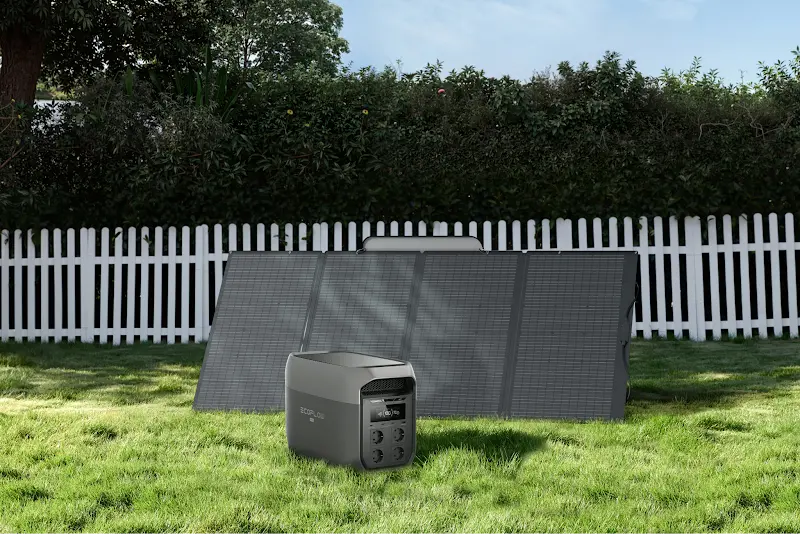
This is where a reliable backup plan becomes essential. A setup like the EcoFlow DELTA Pro 3 + 400W Portable Solar Panel can help keep a refrigerator running during a power outage, depending on usage and load conditions. This may help reduce the risk of food spoilage and support basic kitchen functionality until grid power is restored.
Support Remote Work and Daily Communication
A sudden blackout does a lot more than just leave you in the dark. The moment your router drops offline, your phone battery ticks down, and your laptop screen goes black, your ability to work from home or even call for updates vanishes completely. Rather than searching for an open coffee shop with Wi-Fi, some apartment residents use high-capacity portable power stations like the EcoFlow DELTA 3 Max (2048Wh) + 400W Solar Panel to keep laptops, smartphones, and networks running.
Because this unit features incredibly fast AC charging, your best move is to leave it plugged into a standard wall outlet during normal times so it stays completely topped off and ready to go right before a storm front hits. For residents with legal access to open air ground zones, such as a private courtyard, patio, or backyard, the portable solar panels can be deployed during daylight hours to create a backup charging setup during grid failures.
How Do You Stay Safe During a New York Blackout?
When the power cuts out across a dense city block, staying safe comes down to three immediate priorities: using fire safe lighting, watching the clock on your food supply, and having an instant backup plan for essential health devices.
Use Flashlights Instead of Candles
Use battery-powered flashlights, headlamps, or LED lanterns to light your home during a power outage. The National Fire Protection Association (NFPA) strongly advises against using open flame candles during power outages, as candle-related fires remain a significant cause of residential fire incidents, particularly in unattended indoor environments.
Know When Food Should Be Discarded
When the power goes out, your main goal is avoiding food poisoning without throwing away good groceries. The most important rule is to keep refrigerator and freezer doors completely closed. Every time you open them, you let out precious cold air and speed up the clock. According to the United States Department of Agriculture (USDA), an unopened refrigerator keeps food safe for about 4 hours. After that, track your items closely. If meat, dairy, or leftovers sit above 40°F for more than two hours, harmful bacteria grow fast. If it has been sitting warm for over two hours, play it safe and toss it. Missing a meal is a lot better than getting sick.
Protect Critical Medical Devices
If a family member depends on life support machinery, CPAP systems, or temperature sensitive medications like insulin, prioritize their specific electrical loads immediately. It’s important to have a medical equipment power outage backup plan to help maintain the continuity of care for these critical devices during a crisis. If you are a Con Edison customer, you can also enroll in its Medical Emergency program to ensure the utility is aware of your situation, although it does not guarantee priority restoration of service.
Follow Local Emergency Guidance
When local cell towers get overloaded during a blackout, getting accurate information is tough. Make sure you keep a fully charged smartphone or a basic, battery-powered emergency radio handy so you remain connected to the outside world. In New York, one of the most reliable sources of emergency information is Notify NYC, the city’s official emergency notification system. It provides verified alerts on severe weather, public safety incidents, and service disruptions, helping residents stay informed during power outages and extreme conditions.
How Can You Prepare for Future Summer Outages?
The best time to prepare is before an outage happens. Taking a few proactive steps before the temperature spikes ensures you can handle the next grid failure calmly.
Prepare for Heat Wave Demand Surges
When a heat wave is expected, pre-cool your apartment by running your air conditioner early in the morning, before peak electricity demand increases. Once the sun hits, shut your blinds completely to block out direct sunlight. This traps the cool air inside, keeping your living space bearable much longer if the power cuts out during peak afternoon hours.
Know Your Building Cooling Options
Every apartment building reacts differently when the main power grid drops. Find out if your emergency stairwell lights actually turn on, and keep in mind that if you live on an upper floor, a blackout can instantly knock out the building’s water pumps, leaving you without running tap water. Another thing to do is map out the closest public cooling centers ahead of time so you have an immediate escape plan if indoor temperatures become unsafe.
Keep Backup Power Ready
Include a high-capacity battery backup system in your home emergency plan. Ensuring that a dependable portable power station remains fully charged and stored in an accessible location allows your household to instantly pivot to independent electrical generation the exact moment the municipal grid drops line voltage.
Test Emergency Equipment Regularly
Do not wait for a severe regional blackout to discover that your emergency illumination gear has depleted battery cells or outdated system firmware. Conduct a brief quarterly inspection of all backup hardware, measure the actual capacity of your portable power reserves, check expiration dates on emergency supplies, and review family communication plans to verify readiness.
Conclusion
Con Edison outages are fairly common in New York City, especially during summer heatwaves. The key is, instead of waiting helplessly in the dark, your best move is to check the live tracking map immediately, follow basic food and safety rules, and keep an indoor battery backup ready. Handling a blackout smoothly comes down to planning before the grid crashes. Having an independent power reserve ensures that when your neighborhood goes dark, your home doesn’t. Investing in basic home backup power can help keep your apartment running during a blackout, so you can still have light, internet, and essential devices working.
FAQ
How Accurate Are Power Outage Maps?
According to the Con Edison Outage Map Help & FAQ Guide, updates occur every 15 to 30 minutes, although it may take up to 30 minutes for you to see your outage on the map after you report it. During and after major weather events, the outage map may take longer than normal to upload with current data.
How Long Do Con Edison Outages Typically Last?
Con Edison does not provide a fixed restoration timeframe, as repair time depends on the cause, severity, and safety conditions. In cases of severe storms or major infrastructure damage, restoration can take several hours, days, or even longer.
What Is the Best Backup Source for a Power Outage?
Portable power stations are a practical option for apartment backup power. Compared with gas-powered generators, they are designed for indoor use since they do not produce direct emissions and operate with very low noise levels. They also provide stable electricity that is suitable for most household electronics, including routers, phones, and laptops.
How Safe Is Food After a Power Outage?
Perishable items remain completely secure inside an unopened refrigerator for up to four hours following a power failure. If magnetic door seals remain undisturbed, a fully packed freezer maintains safe storage temperatures for roughly 48 hours, though you should verify the condition of individual items before consumption once service resumes.
What Happens If You Are in the Elevator When the Power Goes Out?
If a failure traps you inside an elevator car, utilize the emergency assistance button or your mobile device to contact facility management or 911 dispatch immediately. Modern elevator configurations incorporate independent, mechanical backup brakes that automatically lock the cabin securely to the vertical guide rails to prevent dropping, so remain calm and wait for emergency responders.
For press requests or interview opportunities, reach out to our media team
media.na@ecoflow.com