How to Reduce Your Home’s Heating Costs
- What Affects Home Heating Oil Prices?
- Step 1: Upgrade Your Insulation to Stop Heat Loss
- Step 2: Seal Air Leaks for Instant Savings
- Step 3: Adjust Your Thermostat Settings to Lower Bills
- Step 4: Use Space Heaters to Focus Your Heat
- Step 5: Lower Home Heating Bills with Portable Power Stations
- More Ways to Save on Your Home Heating Costs
- Time to Take Control of Your Home Heating Bills
- FAQs: Reducing Home Heating Costs
Wondering how much is home heating oil these days? Try $3.64 per gallon—and most families spend hundreds monthly just on home heating. Home heating oil prices like these hurt, but you can fight back. Seal leaks, add insulation, adjust your thermostat, and only heat home spaces you're actually using. These simple moves can cut your costs by $950–$1,980 yearly depending on home size, climate, and insulation levels.
What Affects Home Heating Oil Prices?
Home heating oil prices don't change randomly—they're influenced by three main factors that determine what you'll pay each winter.
Crude Oil Costs
Heating oil is made from crude oil, so when crude oil gets more expensive, heating oil does too. If oil-producing countries cut back on production or there are supply problems around the world, crude oil prices go up—and your heating bill goes up right along with them.
Regional Demand
Where you live has a huge impact on your heating bill. The Northeast dominates U.S. heating oil consumption:
Over 80% of residential heating oil is used in Northeastern states
New York, Massachusetts, and Pennsylvania have the highest concentration of heating oil users
Local delivery costs vary based on distance from supply terminals
Regional competition between suppliers affects pricing in your area
Purchase Timing
Seasonal patterns and world events create price swings throughout the year. Here's what impacts how much home heating oil is month to month:
Winter demand spikes push prices up as millions of households refuel simultaneously
Late summer and early fall typically offer the lowest prices of the year
Geopolitical tensions in oil-producing regions cause sudden price jumps
Weather forecasts affect market speculation—predictions of harsh winters drive prices higher
Buying heating oil in August or September, before seasonal demand kicks in, typically saves you 10-20% compared to emergency winter purchases when your tank runs low.
Step 1: Upgrade Your Insulation to Stop Heat Loss
Better insulation cuts home heating costs by 15-30% annually—that's $300-600 for most homes. It pays for itself in 2-4 years, then keeps saving you money for decades.
1. Start With Your Attic: Use a ruler to determine the thickness of your attic insulation. You will need R-38 to R-60, which is 10 to 16 inches deep. If visible, you will need to add additional insulation to your floor joists. This will run you $1,500 to $3,000 professionally. You can do it yourself using a kit from a home improvement store, which will run you $75 a day to blow it out.
2. Insulate Walls in Older Homes: According to the U.S. Department of Energy, eighty percent of America's 128 million homes were built before 1980, and most have poor insulation. Energy codes for home insulation didn't exist until 1983, so these older homes use most of the country's residential energy. A contractor drills small holes in your walls, injects foam or cellulose insulation, then patches the holes. If you're already renovating with open walls, add foam board or fiberglass between the studs. Note that many homes built after 1980 also lack proper insulation.
3. Insulate Basements and Crawl Spaces: Cold air from below makes your home heating system run overtime. Basement insulation stops this and prevents moisture problems. Start with rim joists and foundation walls. Cost runs $500-$1,500 depending on size.
4. Hang Thermal Curtains: Purchase thermal-insulated curtains and hang them close to windows. Close them at night and open south-facing curtains during the day.
Start with your attic if you only have one project to complete. The next place to work on is the basement, and then the walls.
Step 2: Seal Air Leaks for Instant Savings
Air leaks increase home heating costs by 20-30%, wasting hundreds each winter. You can fix most leaks yourself in one weekend with $100-300 in materials. Savings start immediately.
Seal Windows and Doors: Check around the frames on a windy day for leaks. Use weatherstripping around moving parts such as window frames & doors. Caulk the spaces between the frames & the walls. Install door sweeps if you notice light seeping through.
Add Outlet Gaskets: Remove the outlet covers from the outlets in the exterior walls. Place a foam gasket over the outlet and replace the cover. It takes around 2-3 minutes for each. A $10 to $15 package will cover 20 to 30 outlets.
Cover Recessed Lights: In your attic, you might see some recessed lighting shining through the ceiling. Insulated light covers can be purchased for about $5 to $10. You can place these over the recessed lighting from above.
Insulate Attic Access: Purchase a kit for $20-$50 that fits over a pull-down attic stairway. For regular doors, apply weather stripping around the door frame and attach foam board to the attic side.
Find Leaks With a Candle: Light the candle during a windstorm. Move around the room with the candle near windows, doors, and outlets. If the flame dances, you've identified a leak. Seal it.
Spending $100-300 on air sealing materials can save you $200-400 annually on home heating costs. That means you will have paid for this investment in under a year and will receive this benefit each year with no maintenance required.
Step 3: Adjust Your Thermostat Settings to Lower Bills
Small changes to when and how you heat your home cut costs significantly without making anyone uncomfortable.
Drop Your Temperature a Few Degrees
Each degree you lower below 68°F saves 3-5% on your home heating bill. Set your thermostat based on activity:
| Time of Day | Temperature | Why It Works |
| Home and active | 68°F | Comfortable with normal clothing |
| Sleeping | 62°F | Most people sleep better in cooler rooms |
| House empty | 60°F | No one there to feel the difference |
Following this schedule saves the average household $150-300 annually. You'll barely notice the difference with proper clothing and blankets.
Install a Smart Thermostat
Smart thermostats eliminate guesswork and save 10-15% on heating costs—that's $100-180 per year. Here's what they do:
Program once, adjust automatically every day without thinking about it
Learn your patterns over time and optimize on their own
Control remotely through your phone if you're running late or forgot to adjust
Track energy use to see exactly where your money goes
Heat Only Occupied Rooms
Zone heating can potentially reduce heating costs, but closing vents improperly can damage your HVAC system and increase energy bills. Here's the safe approach:
What NOT to Do:
Don't fully close vents in multiple rooms—this increases duct pressure up to 200%, straining your blower motor and compressor
Don't close more than 20-30% of total vents in your home
Never close return air vents—these must stay open for proper airflow
Safe Zone Heating Methods:
Partially close (not fully) 1-2 vents farthest from your furnace
Keep doors closed to unoccupied areas to contain heat
Use portable space heaters in frequently occupied rooms while maintaining a lower whole-house temperature
Maintain a minimum temperature of 55°F in all rooms to prevent frozen pipes
For safe zone control without system damage, consider installing a professional zoning system with automatic dampers and multiple thermostats. This allows different temperatures in different areas while maintaining proper airflow throughout your HVAC system.
Maintain Your Home Heating System
A well-maintained heating system uses less energy and costs less to run. Do these three things regularly:
Schedule a Fall Tune-Up ($100-150): Call a heating technician before winter hits. They'll boost your system's efficiency by 5-10%, spot problems early before they get expensive, and help your equipment last longer. Plus, most warranties require this annual checkup.
Change Your Filter Every Month ($15-30): A dirty filter clogs up and makes your system struggle. Swap in a new one every 30 days all winter long. Set a reminder on your phone. Buy several filters at once to save money.
Vacuum Your Vents Monthly: Dust piles up and blocks air from flowing. Use your vacuum to clean vents and registers—takes about 10 minutes. Do it once a month.
These three tasks cost $100-150 yearly but prevent wasting $500+ on energy bills and avoid repair emergencies that cost much more.
Use Time-of-Use Electricity Rates
If your utility offers time-of-use pricing, shifting when you use energy saves 15-25% on electric heating. Here's the strategy:
| Time Period | Rate | What to Do |
| Off-peak (9 PM - 6 AM) | Cheapest | Heat your home, pre-charge systems |
| Mid-peak (6 AM - 4 PM) | Moderate | Maintain temperature |
| Peak (4 PM - 9 PM) | Most expensive | Let temperature coast down 2-3 degrees |
Check with your utility to see if TOU rates are available. This works best with programmable thermostats that automatically adjust based on rate schedules.
Step 4: Use Space Heaters to Focus Your Heat
Space heaters let you set the thermostat for the entire house to 60°F, adding warmth only to occupied areas. This means heating a 150-200 square-foot space as opposed to the entire house, which saves you $50-150 a month during the winter months.
Pick a Safe, Efficient Model
Buy heaters ranging from 750W to 1500W having automatic shut-off, tip-over protection, and ETL/UL certification. Ceramic or infrared heaters heat more evenly than coil heaters. Use in your home office or bedroom at night, or in your living room in the evening. Quality heaters will cost you between $50 and $150.
Safety Rules You Must Follow
The U.S. Consumer Product Safety Commission (CPSC) reports that space heaters cause approximately 1,700 fires, 80 deaths, and 160 injuries each year. Used properly, though, they're a safe heating option:
Never leave a space heater running unattended—switch it off whenever you leave the room or go to bed.
Keep a distance of 3 feet all around—from curtains, furniture, bedding, and paper.
Plug directly into wall outlets—not into extension cords or power strips that may overheat.
Place on flat, hard surfaces—never on beds, couches, or carpets.
Avoid water spray—do not place electronics near bathrooms unless labeled for bathrooms.
Following these rules makes space heaters as safe as any other home heating method while giving you significant control over your energy costs.
Step 5: Lower Home Heating Bills with Portable Power Stations
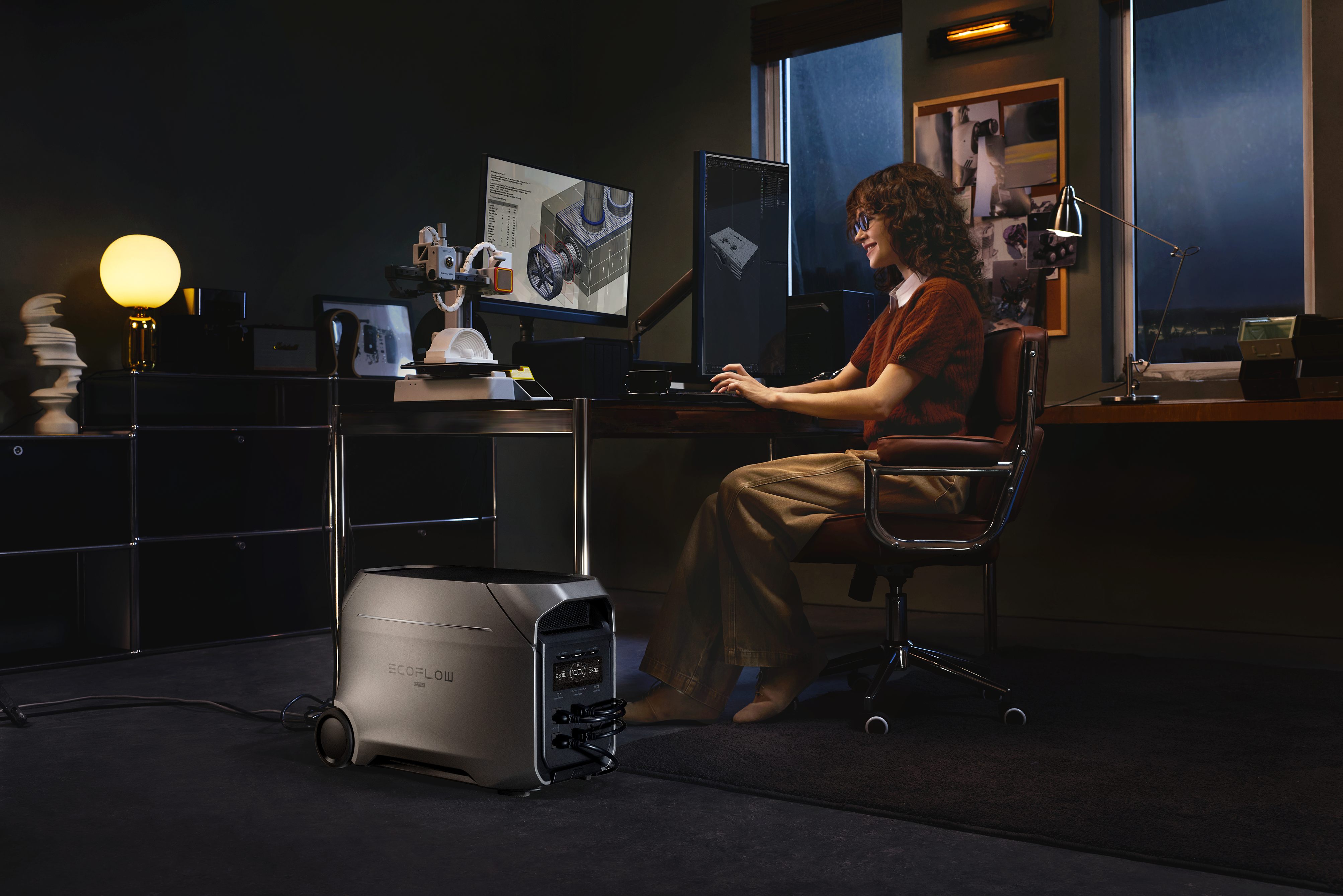
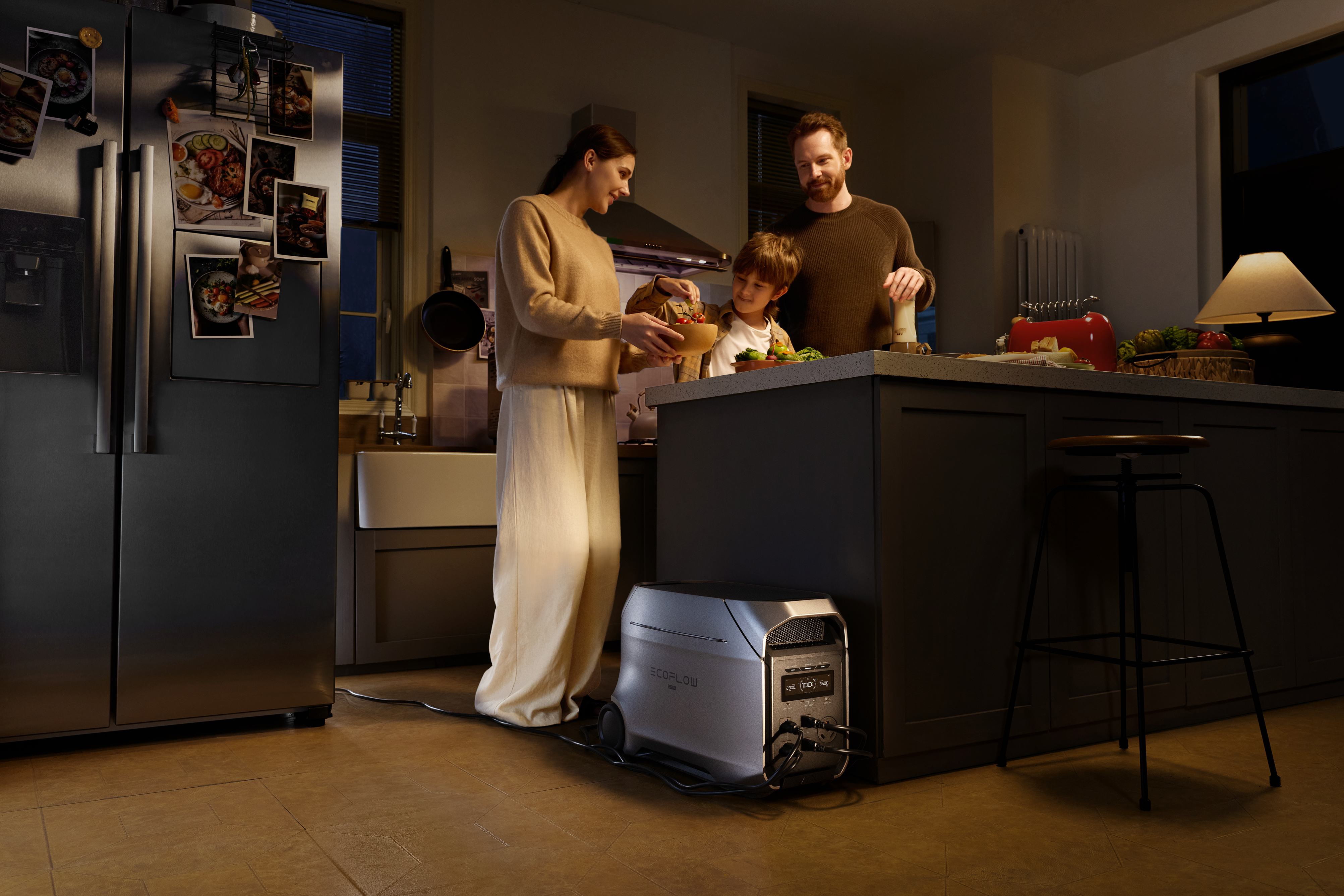
Portable power stations are rechargeable batteries that store electricity for later use. They run safely indoors without fumes, unlike gas generators.
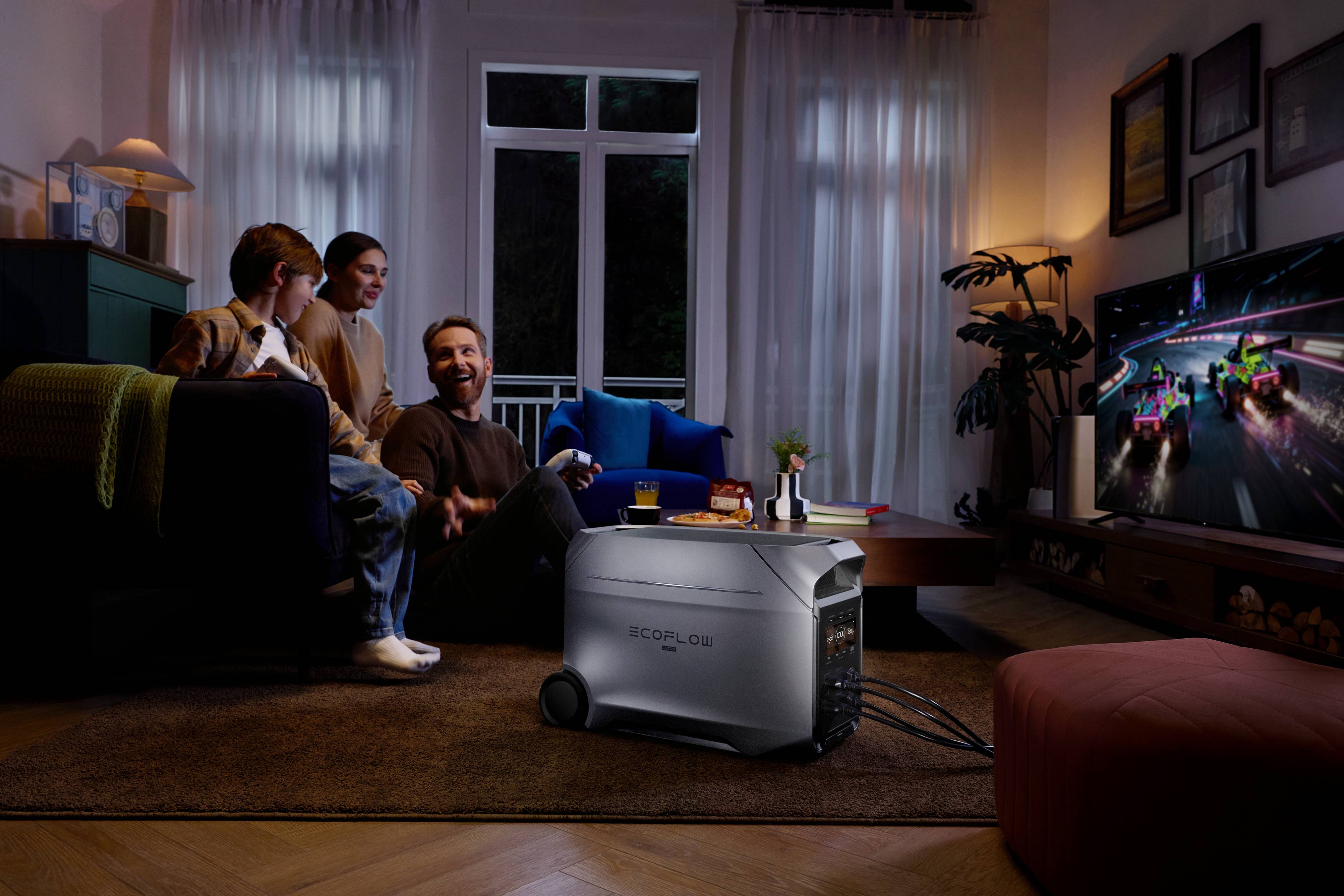
The EcoFlow DELTA 3 Ultra Plus Portable Power Station stores 3072Wh and outputs 3600W continuously (7200W surge). Here's how it can cut your home heating bills:
1. Run Your Heating Equipment Longer
The unit runs a 1500W space heater for 2 hours or powers your furnace blower for 5-10 hours on a single charge. X-Boost™ technology handles appliances up to 4600W, and the 10-year battery lifespan means you save money without replacing equipment.
2. Charge Fast During Cheap Hours
It reaches 80% charge in just 89 minutes from a wall outlet. Plug in during cheap nighttime rates and it's ready for expensive peak hours the next evening. Add solar panels and you eliminate charging costs significantly.
3. Let the App Automate Your Savings
The OASIS 3.0 app tracks your local electricity prices, schedules charging when rates are lowest, and switches to battery power when prices spike. You see exactly how much you're saving in real-time without doing anything manually.
4. Protect Against Outage Damage
Storm Guard monitors weather forecasts and charges before storms hit. When power fails, it switches to battery in 10 milliseconds so your furnace keeps running and you avoid $5,000-10,000 in freeze damage. At 25dB, it runs quieter than most refrigerators.
The EcoFlow DELTA 3 Ultra Plus Portable Power Station expands from 3kWh to 11kWh with extra batteries for multi-day backup during extended outages.
More Ways to Save on Your Home Heating Costs
Beyond the major strategies, these simple actions add extra savings without any major investment or effort.
Quick Fixes You Can Do
These simple changes require no money and take just minutes to implement:
Reverse Your Ceiling Fans: Switch them to clockwise in winter to push warm air down from the ceiling where it's been collecting uselessly
Smart Window Management: Close curtains at night to trap heat, then open them during sunny days for free solar warmth from south-facing windows
Layer Up Indoors: Wear warmer clothes, use blankets, and put on slippers so you can comfortably lower your thermostat 2-3 degrees and save 6-15%
Add Humidity: Run a humidifier to make 68°F feel like 70°F since moist air holds heat better than dry air
Use Area Rugs: Cover cold hardwood and tile floors to insulate and stop heat from escaping through flooring
Seal Your Fireplace: Weatherstrip the damper when not in use since an open damper is like leaving a window open all winter
Programs That Pay You Back
Utility Company Rebates
Reach out to your energy provider about rebates for insulation, a new heating system, or a smart thermostat. Your energy provider likely offers a $50- $500 cash-back reward for certain approved energy-saving upgrades.
Federal Tax Credits
Claim back up to $3,200 in federal tax credits for eligible energy-efficient home improvements in your main residence in the United States of America. This applies to insulation, air sealing, heat pumps, and qualifying high-efficiency heating systems.
State and Local Programs
State and local incentive programs can be found by contacting your state energy office. Incentives may be provided on top of federal incentive programs by your state.
Time to Take Control of Your Home Heating Bills
Stop overpaying to heat your home when simple changes can cut costs by half. Grab some caulk and weatherstripping this weekend, adjust your thermostat, and you're already saving money. With home heating oil prices staying volatile, taking control of your energy use is the smartest financial move you can make this winter.
FAQs: Reducing Home Heating Costs
Q1: Can I use multiple space heaters at the same time without overloading my electrical system?
Not always. Most homes can safely run 1-2 space heaters simultaneously, depending on your circuit capacity. Each 1500-watt space heater consumes 12.5 amps. The average power circuit will handle 15-20 amps. Never run two space heaters on the same circuit or use them together with power-hungry appliances such as a microwave oven or a hair dryer.
Q2: Is it better to keep my heat at one constant temperature or turn it down when I'm away?
Absolutely turn it down. This myth that reheating "costs more money" is totally untrue for home heating. Your unit works hardest to heat your space against the cold. Reducing your thermostat by 10-15 degrees for 8 hours or longer will save you money. This is true regardless of any reheating time.
Q3: Will closing vents in unused rooms damage my furnace?
Not if you're moderate about it. You can safely close vents in 20-30% of your rooms without causing problems. However, closing too many vents increases ductwork pressure and strains your furnace. Never close more than one-third of total vents, and never close return air vents. Those need to stay open for proper airflow.
Q4: Can I install blown-in attic insulation myself, or do I need a contractor?
Yes, you can DIY it. Home improvement stores rent blowing machines for $50-100 daily, and two people can finish an average attic in 4-6 hours. You'll need dust masks and protective clothing. However, professionals ensure correct R-value, proper ventilation baffles, and even coverage. DIY mistakes can reduce effectiveness by 30-40%, so weigh your confidence level carefully.
Q5: How long do weatherstripping and caulk actually last before I need to replace them?
Weatherstripping lasts 2-7 years depending on material quality and location. Foam weatherstripping has the shortest life of 2 to 3 years. However, silicone and vinyl weatherstrips last 5 to 7 years. Caulk used for outdoor purposes has a life of 5 to 10 years. If you have high foot traffic, you will need to replace the doors every 2 to 3 years. Windows will last 5+ years.
Q6: Do smart thermostats work with older heating systems like radiators and baseboard heaters?
Yes, most smart thermostats work with older systems including gas, oil, and electric heating. They are also compatible with radiators, baseboard heaters, and forced air systems. Some older systems predating 1990 might not have the required low-voltage wiring. Compatibility should be checked on the company site using the model number of your existing system.
For press requests or interview opportunities, reach out to our media team
media.na@ecoflow.com