When the Grid Fails This Winter Storm: 10 Things You Must Do Fast
- 1. Seal Leaks and Drafts Immediately
- 2. Insulate Pipes and Find Your Shut-Off Valve
- 3. Stage a Warm Room
- 4. Heat Sources and Safety
- 5. Lighting Without Risk
- 6. Layer Up with Clothing
- 7. Food and Hot Drinks
- 8. Water Management
- 9. Backup Power Solutions
- 10. Prep a Winter Emergency Bin
- Stay Warm, Stay Smart, Stay Safe
- FAQs About Winter Power Outages
There is always pressure on the electrical current flow system whenever there is winter weather unlike any other time. This is because, with snapped electric cables due to ice or the resultant breakdown of transformers because of extremely low temperatures, you are always endangered in a silent threat that escalates with each minute that passes by.
1. Seal Leaks and Drafts Immediately
Heat escapes through tiny gaps you barely notice in normal conditions. During winter storm power outages, every degree matters.
Walk through your home with an incense stick or candle. Watch the smoke near windows, doors, electrical outlets, and baseboards. Wherever it wavers, you've found a leak.
Door sweeps and weatherstripping provide the first defense. These inexpensive items block drafts along door bottoms and frames. For windows, plastic film kits create an insulating air barrier. If you lack proper materials, rolled towels wedged against door bottoms work surprisingly well.
Here is an unorthodox tip: Taking black trash bags and taping them over the windows will harness the solar heat throughout the daytime hours, while also creating insulation on the windows.
A sealed house will help retain the heat you produce. Without electric or other energy, you won’t be able to produce heat indefinitely, so saving heat will be vital.
2. Insulate Pipes and Find Your Shut-Off Valve
Frozen pipes are extremely destructive. Freezing water expands with the pressure to burst copper or PVC pipes. When the warmer weather arrives, you will be left with the devastation of flooded floors, walls, and other belongings.
Prioritize pipes that are in areas accessible to cold air, or those located in vulnerable areas, such as outside walls, crawl spaces, or garages, by encasing them in foam, or old cloth towel/blanket material, held on by duct tape/zip ties.
Also important is knowing the location of the main water cutoff valve in your home. Learn its location before an emergency occurs. Common locations include the entry point of the main line into your home, usually found in the basement, crawl space, or water heaters.
Learn to turn it counterclockwise until it locks. However, if there is a burst.pipe or if the water is contaminated, you will have to turn off the supply in split seconds. Mark the switch with vibrant colors so that the entire family will recognize the switch easily.
3. Stage a Warm Room
Heating an entire house without the aid of electricity is impossible. Heating a single room? That is possible.
Pick the space carefully. Those rooms inside the house without direct exterior access are warmer because the heat is conserved inside the house. Small rooms are also warmed faster because of the lower energy required to warm the rooms compared to the rest. Rooms on the ground floor are also warmer compared to rooms on the upper floors
Once you've selected the area, seal it off. You can cover doorways with thick blankets or plastic sheeting. Be sure the doors are closed. What you're attempting to create is a microclimate, which will retain your body heat, as well as heat from other sources you provide
You may want to install a tent inside the same room. It may seem drastic, but having a camping tent adds another layer of insulation inside the room. The electric blankets, which are always connected to batteries or hot water bottles, provide the necessary heat without much strain on the energy resources. The body heat generated from all the members inside the room is beneficial if the entire family is sharing the same sleeping quarters.
This is because the concentrated method is able to maintain the comfort of all without draining the available power resources.
4. Heat Sources and Safety
Desperation makes people do dangerous things. Every winter, carbon monoxide poisoning kills dozens who brought outdoor heaters inside or ran cars in garages.
If you use fuel-based heaters indoors, they must be rated for indoor use with proper ventilation. Install carbon monoxide detectors with battery backup on every floor. Never use camp stoves, grills, or generators inside living spaces.
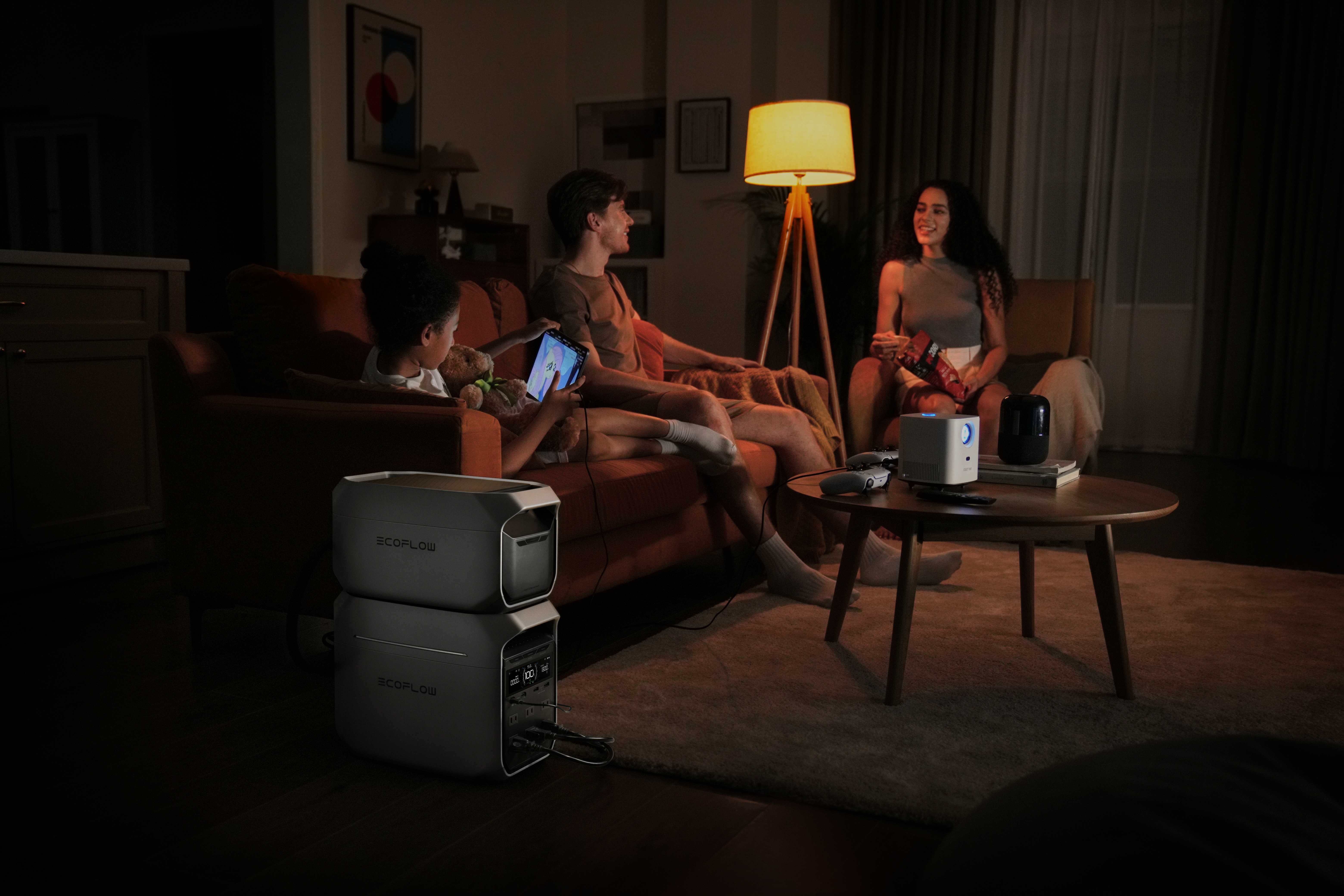
Safer alternatives exist. Electric blankets draw minimal power, perfect for EcoFlow portable power stations. Hot water bottles require no electricity once heated. Chemical hand warmers provide hours of warmth.
Keep smoke alarms functional with fresh batteries. Position a fire extinguisher where you can grab it quickly. Space heaters should sit on level, non-flammable surfaces at least three feet from curtains, blankets, or furniture.
Safety beats comfort. A house fire during a winter storm, when fire departments struggle to respond, could prove fatal.
5. Lighting Without Risk
Candles seem romantic until they tip over and ignite your home.
LED lanterns provide superior lighting while eliminating fire risk. They run for days on batteries or can be recharged via solar panels or power banks. Headlamps keep your hands free for tasks. USB-rechargeable flashlights ensure you never fumble in darkness.
Adequate lighting does more than illuminate rooms. It reduces anxiety, helps maintain normal routines, and signals to others that your home remains occupied—a deterrent against opportunistic crime during extended outages.
Place lights strategically: one in your warm room, one near food preparation areas, one in bathrooms. Keep a flashlight next to every bed.
6. Layer Up with Clothing
Your body generates heat constantly. Proper clothing traps that warmth while allowing moisture to escape.
Use the three-layer system. Start with a moisture-wicking base layer against your skin—synthetic or merino wool materials work best. Add an insulating middle layer like fleece or down. Finish with an outer layer that blocks wind and retains warmth.
Don't neglect extremities. You lose tremendous heat through your head, hands, and feet. Wear a hat indoors. Double up on socks. Mittens keep fingers warmer than gloves by allowing them to share heat.
Stay dry. Damp clothing accelerates heat loss. If you sweat from exertion, remove a layer. Change wet socks immediately.
7. Food and Hot Drinks
Your body burns extra calories maintaining temperature in cold conditions. High-calorie foods fuel this internal furnace.
Stock shelf-stable items that provide energy and require minimal preparation: canned soups, instant noodles, peanut butter, nuts, dried fruit, protein bars. Military-style MREs come with chemical heaters that work without electricity.
A camping stove or small butane burner lets you heat meals indoors—assuming you have proper ventilation. Eat hot meals before evening when temperatures plummet. Hot liquids warm you from inside while providing psychological comfort.
Your refrigerator becomes a liability once power dies. In winter, you can store perishables outside if temperatures stay below 40°F. Otherwise, consume them first to avoid waste.
8. Water Management
Electricity powers municipal water systems. Pumps fail, and so does your supply.
Fill bathtubs, sinks, and large containers before storms hit. This water flushes toilets and cleans dishes. For drinking water, use sealed containers to prevent contamination. Plan on one gallon per person daily.
If your supply runs out, snow can be melted and boiled. Never eat snow directly—it lowers your core temperature. Boil all melted snow for at least one minute to kill pathogens.
Keep faucets dripping slightly during freezing temperatures. Moving water resists freezing better than stagnant water in pipes.
9. Backup Power Solutions
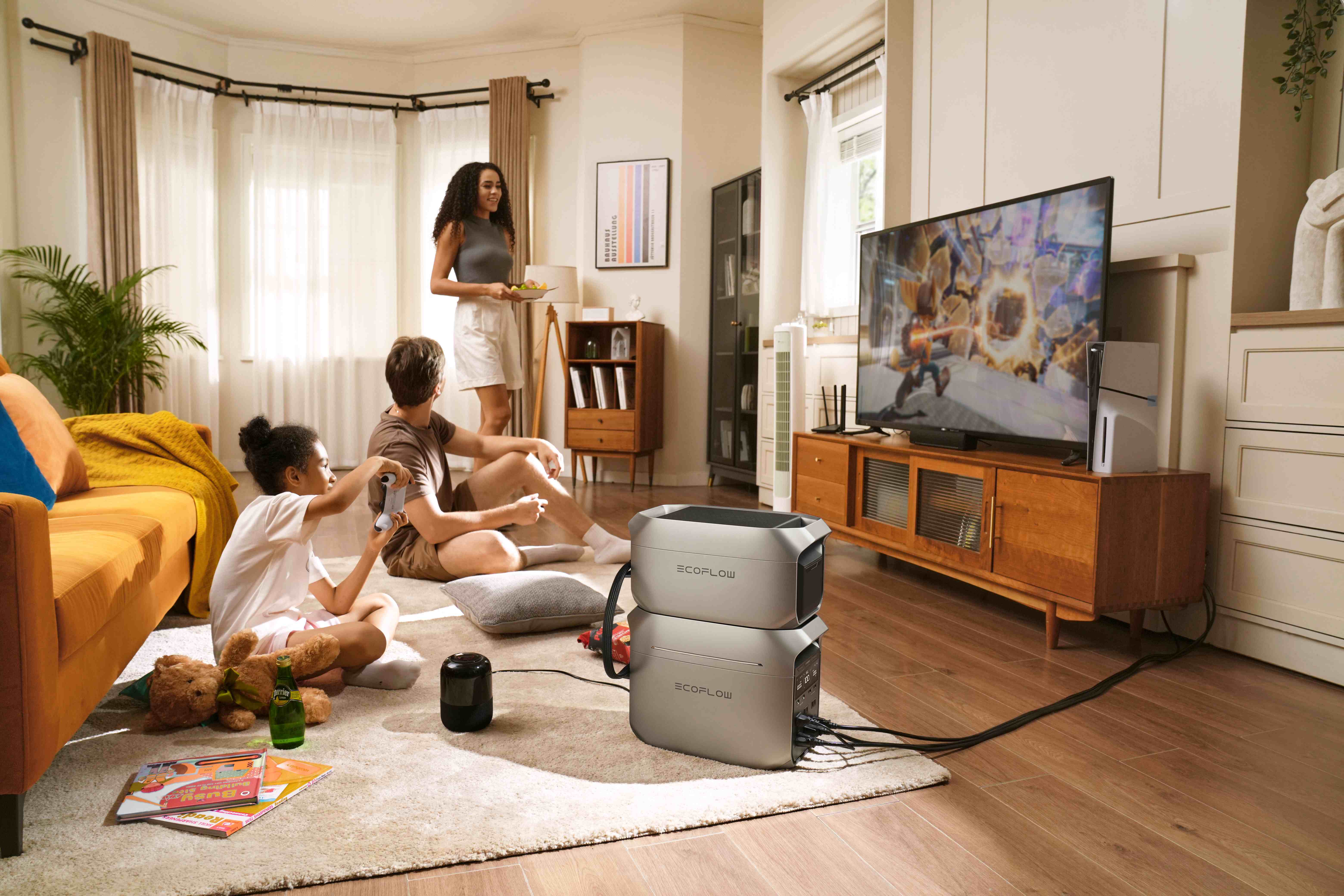
Portable power stations have revolutionized emergency preparedness. Unlike generators, they operate silently indoors without producing fumes.
EcoFlow power stations provide reliable electricity for essential devices: phones, medical equipment, LED lights, electric blankets. Solar panels recharge them during daylight, creating sustainable power even during extended outages.
The EcoFlow DELTA 3 Plus Portable Power Station stands out for winter emergencies with its impressive capacity and versatility. With expandable power up to 5kWh, it can run critical heating devices, charge multiple phones dozens of times, and power medical equipment for days. Its fast solar charging capability means you can capture energy even during short winter daylight hours, while the quiet operation makes it perfect for indoor use in your designated warm room.
Size your system appropriately. Calculate the wattage of devices you'll run and how long you need them operational. Keep your backup power charged and ready. Test it monthly. Store it accessibly, near your warm room.
10. Prep a Winter Emergency Bin
When the power fails, you don't have time to search for supplies scattered across closets and garages.
Use a large, durable storage container. Label it clearly: "WINTER EMERGENCY KIT." Fill it with everything discussed here:
Multiple blankets and thermal sleeping bags, heavy-duty plastic sheeting, weatherstripping and duct tape, flashlights and lanterns with extra batteries, battery-powered or hand-crank radio, first aid kit with any prescription medications, non-perishable food and manual can opener, water purification tablets, cash in small bills, copies of important documents in waterproof bags, phone charging cables and power banks, basic tools including wrench for gas shut-off, entertainment items like cards or books, hygiene supplies and trash bags.
If you've invested in a portable power station like the EcoFlow DELTA 3 Plus, keep it stored near your emergency bin. Its ability to power everything from electric blankets to CPAP machines makes it the cornerstone of your winter preparedness strategy. During multi-day outages, having reliable backup power means the difference between enduring and truly surviving.
Review and update this bin seasonally. Replace expired items. Add age-appropriate supplies if you have children or pets.
Store it somewhere easily accessible even in darkness. Tell household members where it lives.
Stay Warm, Stay Smart, Stay Safe
Winter storms will continue testing our infrastructure. Power grids will fail again. The question isn't if you'll face winter storm power outages, but when. Your preparation today determines your comfort and safety tomorrow. These ten strategies transform vulnerability into resilience, fear into confidence. You cannot control the weather or utility companies, but you control your readiness. Start now, before the next storm warning sounds.
FAQs About Winter Power Outages
Q1: How Long Can a House Stay Warm Without Power in Winter?
Houses typically retain heat for 2-8 hours depending on insulation quality, outdoor temperature, and wind conditions. Well-insulated homes in moderate cold might stay comfortable for 6-8 hours. Poorly insulated structures or extreme cold can drop to unsafe temperatures within 2-3 hours. This is why creating a sealed warm room and using backup heating becomes critical quickly.
Q2: What Temperature Is Dangerous During a Power Outage?
Indoor temperatures below 50°F pose health risks, particularly for children, elderly individuals, and those with medical conditions. Hypothermia can occur at temperatures above freezing if exposure is prolonged. When indoor temperatures approach 40°F, you're entering dangerous territory requiring immediate action to increase warmth or relocate to a warmer shelter.
Q3: Should I Let All Faucets Drip During a Winter Power Outage?
Focus on faucets connected to pipes running through exterior walls or unheated spaces. A drip rate of about 5 drips per minute provides sufficient flow to prevent freezing. Running all faucets depletes your water supply unnecessarily. Both hot and cold taps should drip since both pipes can freeze. Once temperatures drop below 20°F, increase the flow slightly.
Q4: How Much Food and Water Should I Store for Winter Power Outages?
Store at least three days of non-perishable food per person, though one week provides better security. For water, plan one gallon per person daily for drinking and sanitation—minimum three gallons per person. If you have space, two weeks of supplies offers peace of mind during severe storms when restoration takes longer than expected.
Q5: Can I Safely Run a Generator Indoors During Winter Storms?
Never run gasoline or propane generators inside homes, garages, or enclosed spaces—even with doors or windows open. These produce lethal carbon monoxide levels within minutes. Generators must operate outdoors, at least 20 feet from windows and doors. For indoor power, use battery-powered solutions like portable power stations specifically designed for indoor use.
For press requests or interview opportunities, reach out to our media team
media.na@ecoflow.com