Best Portable Power Station for Camping in 2026
- What Makes a Portable Power Station Ideal for Camping?
- What Devices Do You Need to Power While Camping?
- What Should You Look for in a Camping Power Station?
- How Big of a Power Station Do You Need for Your Trip?
- How Does Solar Charging Improve Off-Grid Camping?
- How Do Portable Power Stations Compare to Gas Generators for Camping?
- Frequently Asked Questions
- The Right Portable Power Station Keeps Your Campsite Powered for Every Adventure
A dead phone or a warm cooler can end a camping trip early, and the right battery setup prevents both. This guide walks through what actually matters when choosing a camping power station, from battery chemistry to charging speed, so you can pick a unit that matches how and where you camp.
What Makes a Portable Power Station Ideal for Camping?
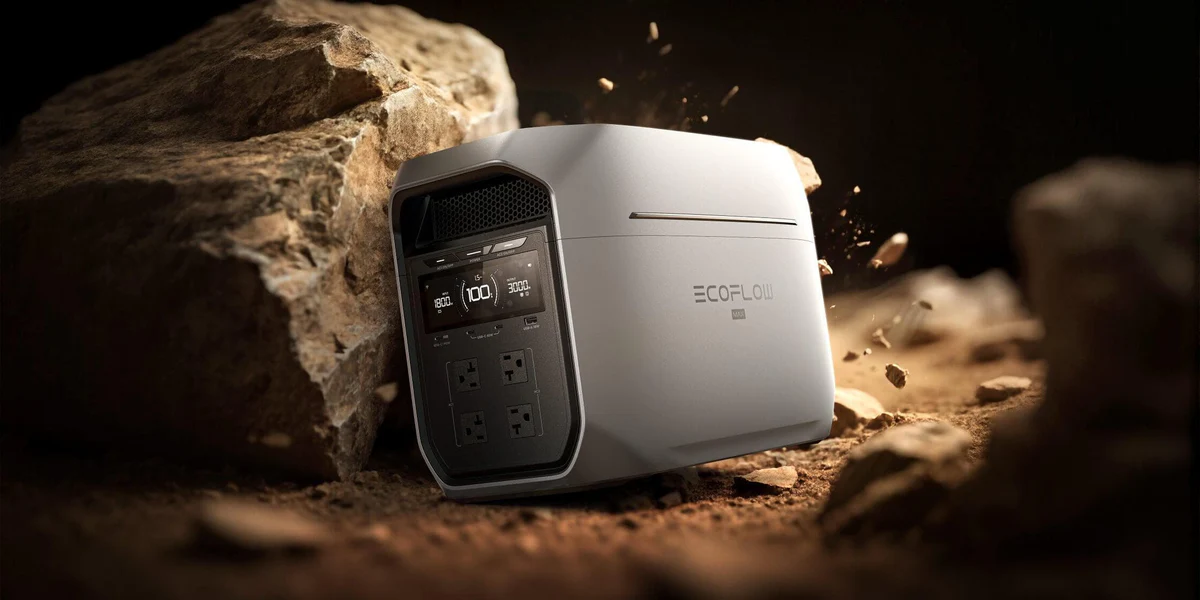
A good camping power station balances three things: enough capacity to last your trip, a weight you can actually carry to the site, and outlets that match your gear. An EcoFlow power station like the EcoFlow DELTA 3 Classic handles all three by pairing a compact frame with pure sine wave AC output, so it runs sensitive electronics like laptops and cameras without the hum of a cheap inverter.
Recovery time matters just as much as runtime: a unit that takes half a day to recharge won't keep up on a multi-day trip, so fast AC charging paired with solar compatibility keeps you topped off wherever you're staying.
What Devices Do You Need to Power While Camping?
Start by listing what actually needs power at your site, since this determines the capacity you should shop for.
Phones, cameras, and small electronics draw the least power but add up fast when you're charging multiple devices daily.
Camping fridges and coolers run almost continuously and are usually the single biggest draw on a multi-day trip.
Lighting is a minor load unless you're running a full string of LED lanterns for a group site.
What Should You Look for in a Camping Power Station?
Battery Capacity and Weight
Capacity is measured in watt-hours (Wh) and determines how long a station runs your devices before needing a recharge. Higher capacity means more weight, so match it to your trip style: backpacking and car camping favor something compact and light, while a base camp or group trip can handle a larger unit left set up at the site.
LiFePO4 Battery Chemistry
Lithium iron phosphate (LiFePO4) batteries have become the standard chemistry for stationary and portable storage because they're more thermally stable than older lithium-ion cells and hold up to far more charge cycles. In practice, that means a LiFePO4 power station keeps most of its original capacity for years of regular camping use instead of degrading noticeably after a season or two.
AC Output and Surge Power
AC output determines what you can plug in directly, and 600W or more covers most camping gear. Motor-driven appliances like a compressor fridge draw a short surge well above their rated wattage at startup, so headroom for that surge avoids a tripped overload.
Charging Options
Look for a unit that recharges from a wall outlet, a car's 12V port, and solar panels: AC charging covers before you leave, car charging covers driving days, and solar covers once you're off-grid.
How Big of a Power Station Do You Need for Your Trip?
Trip length and group size drive this decision more than anything else. A weekend trip for one or two people charging phones and running a lantern can get by on a smaller, lighter unit. A week-long trip with a fridge, fan, and multiple devices needs meaningfully more capacity, and a group site with shared appliances needs more still.
Sizing gets more specific once you factor in tent setup, since a power station for tent camping needs to balance capacity against what you can carry to a non-vehicle site. If you camp light and only need to keep small electronics charged, a small portable power station covers that load without the extra bulk.
How Does Solar Charging Improve Off-Grid Camping?
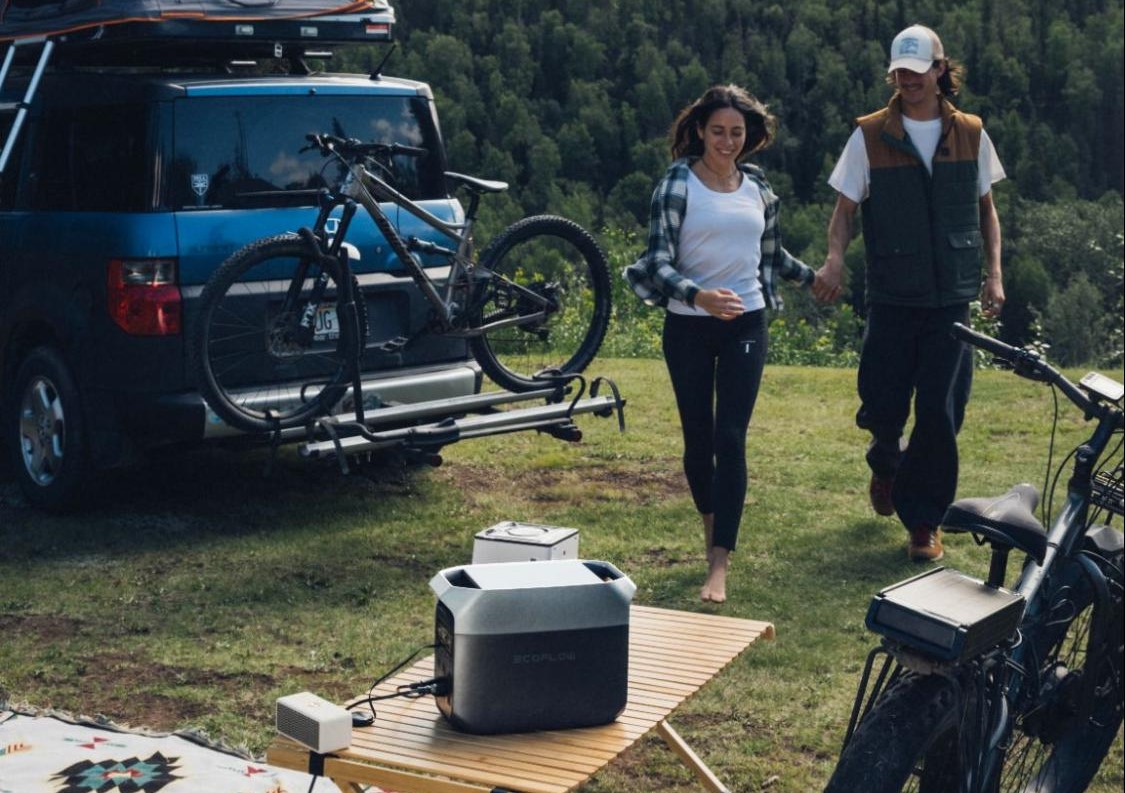
Solar charging removes the limit on how long you can stay off-grid, since you're no longer limited to whatever charge you left home with.
A midsize panel paired with a compatible power station can fully recharge in a few hours of good sun, letting you run a fridge or fan indefinitely as long as the weather cooperates. This matters most on extended trips or at sites with no power hookups, where a wall outlet simply isn't an option.
It also affects how you size things if you plan to run camping AC units during hot-weather trips, since cooling draws far more continuous power than lighting or small electronics.
How Do Portable Power Stations Compare to Gas Generators for Camping?
Gas generators typically output more raw power, but they come with real downsides at a campsite: engine noise, fuel storage, and exhaust fumes. Carbon monoxide from fuel-burning equipment is a genuine safety risk in enclosed or semi-enclosed spaces, and the CDC advises running generators only outdoors and well away from tents, campers, and cabins.
A battery-based power station produces zero emissions and runs silently, which makes it a better fit for tent sites, campgrounds with quiet hours, or anywhere close quarters make noise and fumes a problem.
Frequently Asked Questions
How Much Power Do You Need for a Weekend Camping Trip?
For two people charging phones, running a lantern, and occasionally topping off a laptop, 500 to 800 watt-hours usually covers a weekend without needing a recharge. Add a cooler or fan and you'll want closer to 1,000 watt-hours to have a comfortable margin, especially if you won't have access to a wall outlet or car charging during the trip.
Is LiFePO4 Better Than Lithium-Ion for Camping Power Stations?
LiFePO4 is generally the better choice for camping use. It handles thousands more charge cycles than standard lithium-ion, stays more stable in hot weather, and holds its capacity longer over years of regular use. Standard lithium-ion cells are lighter for the same capacity, but they degrade faster and carry a higher risk of overheating under heavy use.
Can You Recharge a Portable Power Station with Solar Panels While Camping?
Yes, most modern power stations accept solar input alongside AC and car charging. You'll need a compatible panel and enough direct sunlight for a meaningful charge, typically a few hours for a partial top-off or most of a clear day for a full charge, depending on the panel's wattage and the battery's capacity.
The Right Portable Power Station Keeps Your Campsite Powered for Every Adventure
Choosing a camping power station comes down to matching capacity, weight, and output to how you actually camp, then backing it up with reliable charging options for when you're off-grid. Battery chemistry and surge power decide how well it holds up over time and handles real gear.
Whatever your next trip looks like, there's an EcoFlow power station sized to match it, from a solo weekend to a week-long stay off the grid.
For press requests or interview opportunities, reach out to our media team
media.na@ecoflow.com