Health Camping Tips for a Safer Trip: What to Know in 2026
Before most camping trips, someone in the group Googles "is camping dangerous" at some point. Usually the night before. The honest answer is that camping is safe for the overwhelming majority of people who do it, but the risks that do exist are worth knowing before you leave the driveway.
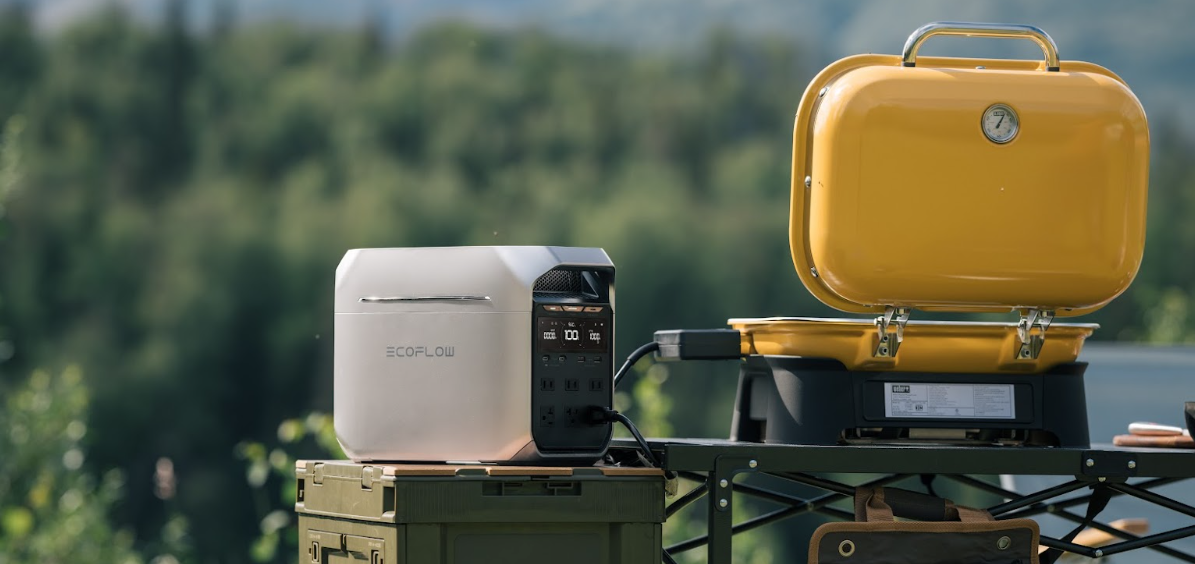
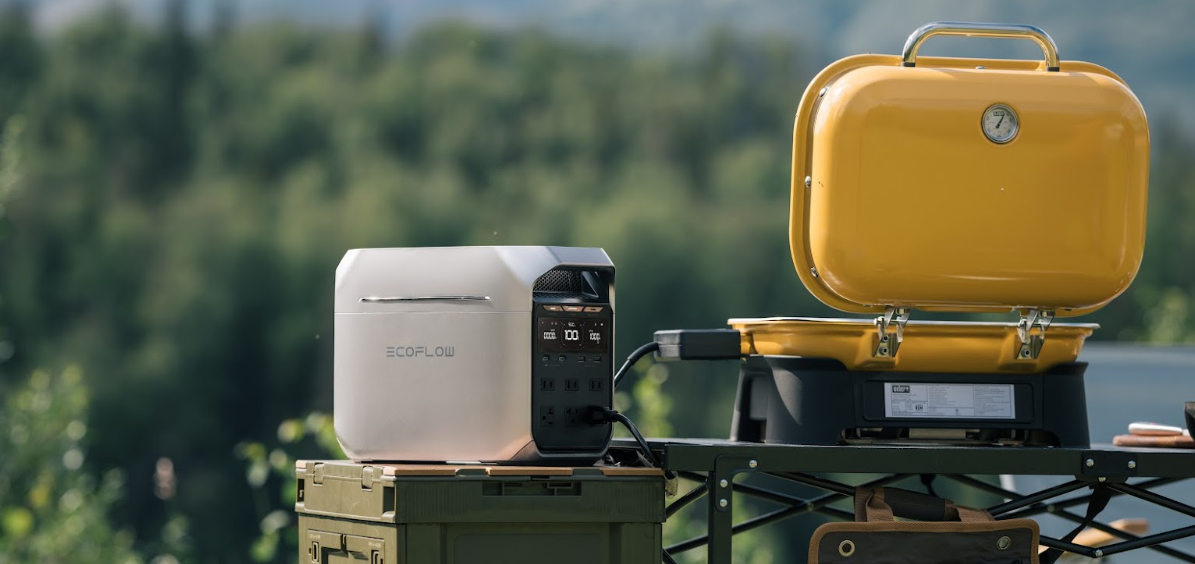
The problems that actually send campers home early or to urgent care almost never involve dramatic wildlife encounters. They're ordinary and preventable: spoiled food, contaminated water, a tick that went unnoticed, and a dead phone when you needed it. Health camping habits are the gap between a trip that goes smoothly and one that doesn't. The DELTA 3 Plus handles phones, headlamps, and small device charging on most trips, and the DELTA 3 Max adds enough capacity to run a powered cooler on a multi-day trip.
What follows covers the health risks that actually show up in campgrounds, the habits that prevent them, and the gear decisions that make a difference.
Is Camping Dangerous? Putting the Risk in Perspective
Camping is not uniquely dangerous. Most camping-related illness or injury traces back to a short list of preventable causes, and the campers who end up in trouble are usually the ones who didn't plan for the predictable stuff.
Wildlife attacks make better headlines than tick bites and foodborne illness, but they're also far rarer. The actual risk profile of a camping trip looks a lot like the risk profile of any outdoor activity: manageable if you know what to prepare for, genuinely unpleasant if you don't.
Common Health Risks While Camping
These are the things that actually go wrong. None of them are dramatic, and most of them are entirely avoidable.
Foodborne Illness and Food Storage
Improper food storage in warm conditions is one of the most consistent sources of camping illness. Bacteria multiply fast in food that sits between 40°F and 140°F, and that range covers most summer camping conditions the moment ice starts melting.
Pack food in tight, waterproof containers. Keep raw meat separated from everything else, double-bagged if needed. Know the two-hour rule: don't eat anything perishable that's been sitting out for more than two hours, or more than one hour once the temperature climbs above 90°F.
Ice is fine for weekend trips, but it melts on its own schedule. A powered cooler connected to the DELTA 3 Max can help maintain a consistent temperature without relying on melting ice, making food storage easier on longer trips. The same reliability matters for temperature-sensitive medications, not just food. EcoFlow's guide to camping battery safety with kids covers cooler management and charging logistics for family trips in more detail.
Water Safety
Clean drinking water should be planned for before the trip, not sourced from whatever's available on site. Streams and lakes that look clean can carry giardia, cryptosporidium, and bacteria that won't show symptoms until days after the trip ends.
Reliable options include boiling, appropriately used water-treatment tablets, and a portable filter designed to remove the specific pathogens you're concerned about. Boiling is one of the most dependable methods when you have a heat source. Filters are convenient, but check the manufacturer's specifications to make sure the filter is suitable for the water source and contaminants you're likely to encounter. EcoFlow's wild camping guide covers water planning for remote trips without resupply points.
Insects and Insect-Borne Disease
Mosquitoes, ticks, and biting flies are the most common camp pests and the ones most likely to cause real health problems. Mosquitoes carry West Nile virus. Ticks carry Lyme disease and Rocky Mountain spotted fever. Neither is common, but both are worth preventing.
Long sleeves and light-colored clothing reduce bites. An EPA-registered repellent with DEET, picaridin, or lemon eucalyptus oil handles what clothing can't. Treating camping clothes with permethrin before the trip adds another layer for tick-heavy areas.
Tick checks after any time in tall grass or brush matter more than most campers realize. Promptly finding and removing attached ticks can reduce the risk of Lyme disease transmission. A thorough check at the end of the day, especially around the scalp, armpits, groin, and behind the knees, helps catch ticks before they remain attached for longer periods.
Heat and Cold-Related Illness
Heat exhaustion shows up faster than people expect when humidity is high, and shade is limited. Steady hydration throughout the day matters more than drinking a lot when you feel thirsty, because thirst is already a sign of mild dehydration. Light, loose-fitting clothing and planned rest in shade during the hottest hours are the practical fixes.
Cold nights catch campers off guard more often than heat does, especially at elevation where temperature drops sharply after sunset. A ground cloth under the tent makes a meaningful difference because cold ground pulls heat away faster than cold air. Adequate sleeping bag rating for the expected overnight low, not the daytime high, is how you choose the right bag.
Sun Exposure
UV exposure accumulates even on overcast days, and high-altitude camping intensifies it because there's less atmosphere filtering radiation. Most campers underestimate this because they're focused on the activity, not the sun.
SPF 15 or higher covers basic protection. SPF 30 or above for full-day exposure at altitude. Reapply every two hours, more often if swimming or sweating. A wide-brim hat and shade during the peak hours between 10 a.m. and 4 p.m. handle what sunscreen misses.
Practical Safety Habits Before You Go
Make sure to do the following before you go on a camping trip.
Plan and Communicate
Check the weather forecast for the specific area, not just the nearest town. Mountain weather moves fast and changes significantly with elevation. A clear morning and afternoon thunderstorms are a standard summer pattern at altitude that catches people off guard every season.
Someone outside the trip should know the plan: where you're going, which campground or trailhead, when you expect to be back, and who to call if you haven't checked in. That's not pessimism; it's how search and rescue knows where to look if something goes sideways.
Pack a Proper First Aid Kit
A basic first aid kit covers most of what actually happens at camp: blisters, cuts, sprains, allergic reactions, and minor burns. It should include bandages in several sizes, antiseptic wipes, medical tape, moleskin for blisters, antihistamine, ibuprofen or acetaminophen, and a pair of tweezers for splinters and ticks.
Any regular medications belong in the kit too, with enough supply for the trip plus a day or two of buffer. EcoFlow's summer camping supply list covers the full packing breakdown for multi-day trips, including health and safety gear alongside the rest of the kit.
Keep Devices and Essentials Charged
A charged phone is the single most useful safety tool on most camping trips. Navigation, weather updates, emergency calls, and the ability to share your location all depend on it.
At 1,024 Wh, the DELTA 3 Plus provides plenty of capacity for charging phones, headlamps, and other small electronics on many multi-day camping trips. Actual runtime depends on what you connect and how often you use each device.
Staying Powered and Prepared at Camp
It's important to be powered at a camp for cooking food, charging devices and having some light if needed.
Why Reliable Power Supports Camp Health and Safety
A dead phone at 10 p.m. in the backcountry is a minor inconvenience when everything is fine and a genuine problem when it isn't. A working headlamp prevents falls on unfamiliar ground. A charged GPS or downloaded map app prevents wrong turns that turn a day hike into a night in the woods.
None of this requires a generator. A compact power station runs silently, doesn't need fuel, and can be recharged from a solar panel during the day. EcoFlow's camping power station guide covers how to choose the right capacity for the trip length and what you're running.
Keeping Food and Medication Cold
A traditional cooler is fine for a single overnight trip when ice is fresh, and the cooler stays in the shade. For anything longer, it becomes a management problem: how much ice is left, did the food stay below 40°F overnight, is the medication still at the right temperature?
A powered cooler connected to the DELTA 3 Max removes all of those questions. The temperature stays consistent regardless of ambient heat or how long the trip runs. For anyone managing refrigerated insulin, specialty medications, or baby food, that reliability matters more than convenience.
When to Seek Help
Most camping trips never need this section. But knowing the signs before a trip is better than trying to look them up in the field.
Heat exhaustion: heavy sweating, cool and pale skin, weakness, fast and weak pulse, nausea. Move the person to shade, have them lie down, cool them with wet cloths and water, and get them hydrated. If it doesn't improve within 15 minutes or progresses to hot, dry skin and confusion, that's heat stroke and needs emergency help immediately.
Hypothermia: shivering, slurred speech, slow and shallow breathing, weak pulse, clumsiness. Get the person out of wet clothes and into dry insulation, out of the wind, and warm them gradually. Serious hypothermia is a medical emergency.
A tick bite with a bullseye-shaped rash, fever, or muscle aches in the days after a trip is worth a doctor's visit rather than a wait-and-see approach. Lyme disease responds well to antibiotics caught early. A wound that won't stop bleeding after direct pressure for 10 minutes is a reason to cut the trip short.
Conclusion
Camping is safe. The risks are real but predictable, and most of them trace back to food, water, weather, and insects rather than anything that makes a good story around the campfire.
Good health camping habits - a little planning before the trip, a first aid kit, clean water, and gear that keeps food cold and devices charged - cover the vast majority of what can actually go wrong. Explore the EcoFlow DELTA 3 Plus for everyday camp power or the DELTA 3 Max for longer trips where a powered cooler and extended runtime make more sense.
Frequently Asked Questions
Is camping safe for beginners?
Yes, with some preparation. The risks beginners face aren't unique - they're just less familiar with them. Knowing the food safety basics, having a way to purify water, packing a first aid kit, and telling someone the trip plan covers most of what makes a first camping trip go smoothly rather than sideways.
What are the biggest health risks of camping?
In order of how often they actually cause problems: foodborne illness from improper storage, dehydration and contaminated water, insect bites and tick-borne illness, heat or cold exposure, and sun damage. Wildlife encounters and dramatic accidents make more headlines but represent a small fraction of actual camping-related health issues.
How can I avoid getting sick while camping?
Keep food below 40°F or above 140°F, treat or filter any water from natural sources, use insect repellent and do tick checks daily, stay hydrated ahead of thirst rather than in response to it, and apply sunscreen regardless of cloud cover. A powered cooler on longer trips removes the temperature management problem entirely.
What should I pack for a safe camping trip?
First aid kit with personal medications, a way to purify water, insect repellent, sunscreen, enough clothing for the expected overnight low, a map and compass or offline GPS, and a charged phone or power station. The list isn't long, but gaps in it show up fast once you're in the field.
Is it safe to run a power station or portable fridge at a campsite?
Yes, a battery-powered portable power station such as the DELTA 3 Plus or DELTA 3 Max does not produce engine exhaust, so it does not require the ventilation needed by a fuel-burning generator. However, follow the manufacturer's instructions, keep the unit dry, allow adequate airflow around the power station, and never use fuel-burning appliances inside a tent or other enclosed space. EcoFlow's guide to using a power station in a tent covers exactly how to position and run one safely.
For press requests or interview opportunities, reach out to our media team
media.na@ecoflow.com