Tent Heater Guide, Types, Safety, and How to Size One Right
- Tent Heater Types: Propane, Wood, and Electric
- Ventilation and Carbon Monoxide Safety
- Sizing a Tent Heater to Your Tent and Conditions
- Why Electric Heaters Are the Safest Indoor-Use Option
- Powering an Electric Tent Heater Off the Grid
- Staying Warm and Safe Through the Night
- Conclusion
- Frequently Asked Questions
A tent heater changes what is possible for cold-weather camping. It stretches the season into fall and early spring, turns a frigid pre-dawn wake-up into something bearable, and can be the difference between a trip you actually enjoy and one you spend counting the hours until sunrise. The catch is that not all heaters belong inside a tent, and picking the wrong type can turn a warm night into a dangerous one, especially once ventilation and carbon monoxide enter the picture.
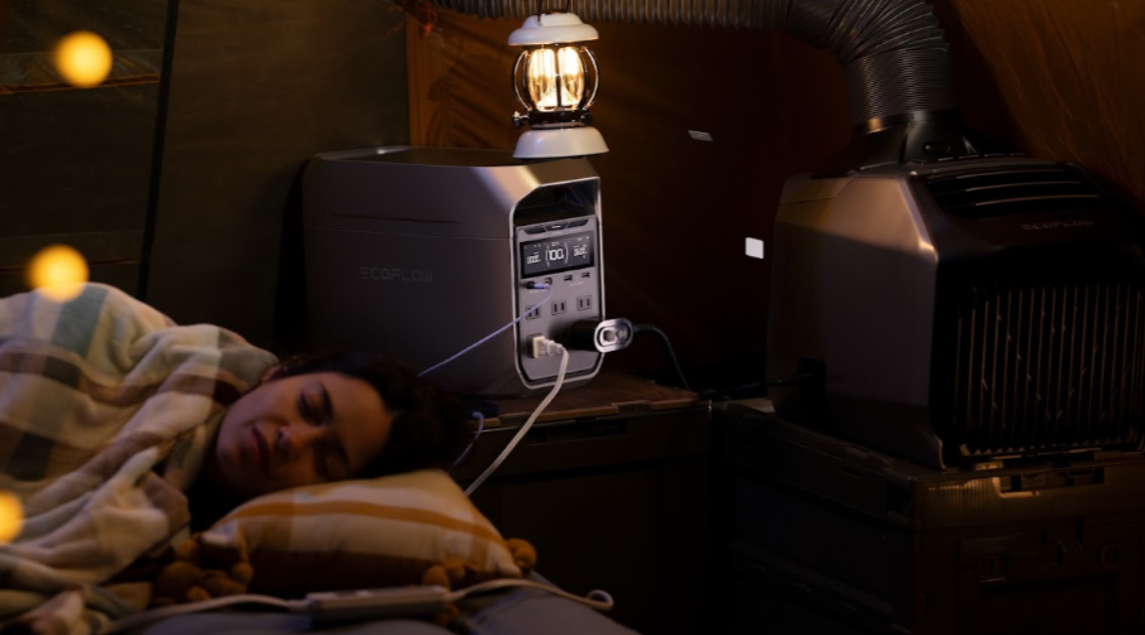
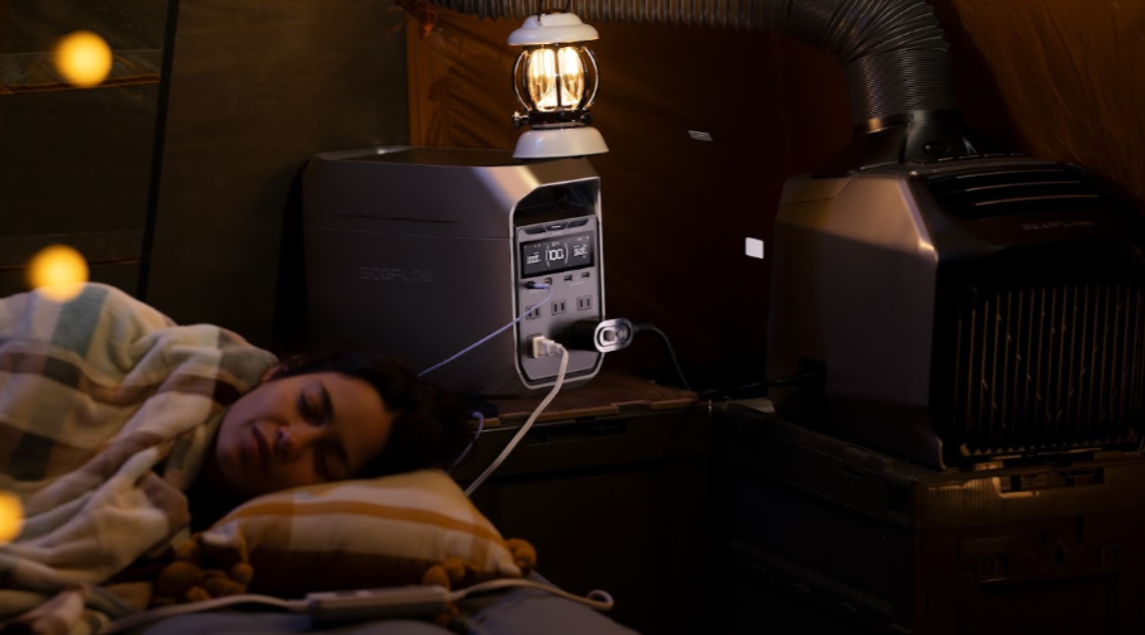
Before comparing fuel-burning types, it is worth knowing about the electric option built specifically for this kind of use. The WAVE 3 Portable Air Conditioner with Heater, paired with a DELTA 3 Plus power station, is worth knowing about for anyone camping away from a hookup, whether that means a remote campsite or a driveway with no outlet in reach.
This guide covers the main tent heater types, ventilation and carbon monoxide safety, how to size heat output to your tent, and why electric heaters are generally considered the safest option for enclosed spaces.
Tent Heater Types: Propane, Wood, and Electric
Before getting into safety and sizing, it helps to know what a tent heater actually is and which category fits your setup. The three main types each come with their own trade-offs.
Propane Tent Heaters
Propane heaters offer strong heat output without needing an electrical hookup, and they are widely available at camping and hardware stores, which makes them an easy pickup on the way to a trip. The tradeoff is real: they produce carbon monoxide and moisture as byproducts, and any propane heater rated for indoor use requires an oxygen depletion sensor along with constant ventilation to run safely.
Wood and Tent Stoves
Wood stoves provide radiant heat and work well in canvas or hot tents built with a stove jack, and fuel can often be gathered on site rather than packed in, which appeals to anyone trying to keep gear weight down elsewhere. They are also the heaviest and least portable option, requiring a fire-safe stove jack setup that makes them a poor fit for standard backpacking or car camping tents that were never designed around one.
Electric Tent Heaters
Electric heaters produce no fumes and no open flame, making them the simplest type to operate safely inside an enclosed tent. The main tradeoff is that they need a power source, which is the main limitation for anyone camping away from grid power.
Ventilation and Carbon Monoxide Safety
Ventilation is the central safety concern across every fuel-burning heater option, and it deserves more attention than most campers give it.
Why Ventilation Is Non-Negotiable With Fuel-Burning Heaters
Any propane or wood-burning heater consumes oxygen and produces carbon monoxide, a gas with no smell or color that gives no warning on its own. The CDC's carbon monoxide safety guidance explains why fuel-burning appliances require proper ventilation and why CO exposure can become dangerous without warning.
Why a CO Detector Is Essential
A battery-powered carbon monoxide detector is essential for any heated enclosed tent, not optional gear to skip on a budget trip. CO poisoning symptoms mimic tiredness, which makes a detector the only reliable early warning for anyone asleep when levels start to climb.
Sizing a Tent Heater to Your Tent and Conditions
Two mistakes come up again and again: underpowered heaters that never actually warm the space, and oversized heaters that waste fuel or battery capacity.
Matching Heat Output to Tent Size
A larger tent or poorly insulated shelter requires more heat to stay comfortable. A heater that works well in a small two-person tent may struggle in a large family or canvas tent because there is more air to warm and more surface area through which heat can escape.
Consider:
Tent floor area / enclosed volume
Insulation
Expected overnight low
Wind exposure
Whether you're heating the entire tent or just a sleeping area
Heater's actual heat output and operating mode
Tent heater sizing is less precise than room-heater sizing because tents vary widely in ventilation, fabric, insulation, wind exposure, and occupancy.
Adjusting for Expected Temperatures
Expected overnight lows should shape the heater choice as much as tent size does. A heater that handles a 40-degree night comfortably may fall well short once temperatures drop below freezing. For readers trying to decide whether a heater is enough or the trip needs rethinking altogether, how cold is too cold for tent camping breaks down where that line usually sits.
Why Electric Heaters Are the Safest Indoor-Use Option
Before getting into the power question, which is the real deciding factor for most campers, it is worth building the case for electric heaters directly.
No Fumes, No Open Flame
Electric heating avoids the carbon monoxide emissions associated with fuel-burning heaters, but the heater must still be specifically suitable for the environment and used according to the manufacturer's instructions.
The Power Tradeoff for Off-Grid Camping
The catch is that an electric heater needs a battery or generator, something most backpackers and dispersed campers simply do not carry. This is really the deciding factor: electric heaters work best for car camping, van life, or any setup where a power station is already coming along for the trip anyway.
Powering an Electric Tent Heater Off the Grid
Once you have decided electric is the right call, the last piece is making sure you have enough battery capacity to run it through the night.
Matching Heater Wattage to Battery Capacity
A heater's wattage determines how long a given battery capacity will run it. Higher wattage settings drain a power station faster, so it is worth running a heater on a lower or eco setting overnight to stretch runtime rather than running max heat the whole night through. Checking both the heater's wattage draw and the power station's capacity before a trip avoids the frustrating scenario of running out of power halfway through a cold night.
Recommended Power Setup for a Heated Tent
The WAVE 3 is built for exactly this use case, and it doubles as an air conditioner for warm-weather trips, which makes it useful well beyond just the cold months.
WAVE 3 Portable Air Conditioner with Heater is compact enough for a tent or camper and rated for both heating and cooling, with roughly 6,800 BTU of heating output.
DELTA 3 Plus can power the WAVE 3 off-grid, but actual runtime depends on the heating mode, temperature, and other loads. For longer overnight heating, calculate runtime from the WAVE 3's actual power draw rather than assuming the full battery capacity translates directly into operating time.
For readers who want the full spec breakdown, the full WAVE 3 overview and portable AC and heater comfort year-round both cover what to expect in more detail.
Staying Warm and Safe Through the Night
A few habits reduce how hard any heater, electric or otherwise, has to work to keep a tent comfortable.
Insulation and Layering Before You Even Turn On a Heater
Ground insulation matters more than most campers expect: a sleeping pad or extra layer under the sleeping bag stops most heat loss before a heater ever comes into the picture, since a huge share of body heat escapes into cold ground contact rather than into the air around you. A well-rated sleeping bag and warm layers should be the foundation of any cold-weather trip, with the heater working as a supplement rather than the only plan.
Extending Runtime Overnight
Running the heater to warm the tent before bed, then lowering or switching it off once inside a warm sleeping bag, stretches battery runtime considerably compared to running it at full power all night. For readers who want to recharge their power station between trips or during longer stays, how to stay warm in a tent with solar power covers how to keep that cycle going without a wall outlet.
Conclusion
The right tent heater comes down to weighing warmth against ventilation and safety, not just picking the highest BTU option on the shelf. Propane and wood heaters can work well for experienced campers who understand the ventilation requirements, but electric heaters remain the safest choice for anyone who already has power on hand and wants one less thing to worry about overnight.
Frequently Asked Questions
Is it safe to use a heater in a tent overnight?
It depends on the type. Fuel-burning heaters should not be left running while you sleep in a tent. Electric heating avoids combustion and CO emissions, but any electric heater must still be specifically suitable for the environment and used according to its instructions.
What is the safest type of tent heater?
Electric heaters are the safest option since they produce no carbon monoxide and no open flame, though they require a battery or power station rather than fuel.
Do I need a carbon monoxide detector for a tent heater?
Yes, for any fuel-burning heater. A battery-powered CO detector is essential gear, not an optional extra, since carbon monoxide has no smell or color and its symptoms mimic tiredness.
What size heater do I need for a 4-person tent?
Heat output needs to scale with tent volume and insulation, so a heater sized for a small two-person tent will typically struggle in a larger four-person or family tent, especially in colder conditions.
Can I run an electric tent heater without a generator?
Yes. A portable power station can run a compatible electric heater without a fuel generator, but runtime depends on the heater's actual power draw, battery capacity, conversion losses, temperature, and cycling. Calculate expected runtime before the trip.
For press requests or interview opportunities, reach out to our media team
media.na@ecoflow.com