Best Places to Camp in Colorado: Top Spots & Camping Guide
White River National Forest alone pulls in more than 13 million visitors a year. Overnight outdoor trips across Colorado jumped 22% in 2025. With alpine lakes, mountain ranges stacked one behind the other, and an elevation range running from prairie to well above the treeline, there's no mystery why people keep coming back.
The best places to camp in Colorado depend on what kind of trip you're after. High alpine solitude. Easy family access with a pool and hookups—something in between.
For shorter mountain trips, the DELTA 3 Plus handles the basics well. At the same time, longer backcountry stretches point toward the DELTA 3 Max with a 400W solar panel for the extra capacity. This covers the major public land, the family-friendly options, the backcountry side of things, and how elevation changes the whole equation.
What Makes Colorado Good for Camping
Colorado packs more variety into one state than most people expect when looking to go for a road trip here. Desert, forest, alpine tundra, all within a few hours of each other, depending on where you start.
The Range of Terrain and Elevation
Colorado covers more ground than most people picture before they arrive. Eastern plains sit around 3,300 feet, the high Rockies push past 14,000, and the desert mesas in the west look nothing like the alpine forests a few hours east. That range means the trip experience varies a lot depending on where exactly you're going.
Higher elevation sites get cold at night - mid-July included. First-timers find this out the hard way more often than not.
Best Time of Year to Camp Here
Snow at higher elevations can stick around well into June, which closes out some mountain campgrounds longer than people expect. July and August open things up but bring afternoon thunderstorms - not occasionally, pretty much daily at elevation. Plan around early starts and get off exposed ridges before midday.
September and early October are when Colorado actually shows off. The crowds thin, the aspens turn, and the weather settles into something genuinely pleasant.
.png)
.png)
Top National Parks and Forests for Camping
A quick overview of the major public lands before the specifics.
Rocky Mountain National Park Campgrounds
Book early. Summer weekends in Rocky Mountain NP fill up months in advance, and there's no workaround for that. Sites sit between 8,150–9,500 feet, so plan a day to acclimate before doing anything ambitious. Bear activity is a real concern, and food-storage rules are strictly enforced. Food, drinks, toiletries, pet food, trash, and other scented items must be properly secured; campground food lockers or a locked vehicle are common approved storage options.
San Juan and White River National Forests
Both have plenty of dispersed camping well away from the developed sites, and far fewer people than Rocky Mountain National Park even on busy summer weekends. Road access gets rough once you leave the main routes - a higher-clearance vehicle isn't optional on some of these roads; it's just the price of getting there.
.png)
.png)
Family-Friendly Campgrounds With Amenities
Camping with kids is a different trip than camping without them. Full hookups, hot showers, and a camp store nearby matter a lot more when you're managing multiple people across several days, and Colorado's private campgrounds and state parks around the popular mountain towns are generally well set up for exactly that.
Campgrounds With Hookups and Facilities
State parks and private campgrounds near Estes Park and Breckenridge offer full electric and water hookups. On-site showers, camp stores, and playgrounds make these a solid pick for families camping for the first time. EcoFlow's list of best RV campgrounds rounds up more hookup-friendly options.
Nearby Attractions for Families
Natural hot springs near Glenwood Springs and Steamboat Springs make for an easy day trip out of camp. Gondola rides in towns like Breckenridge and Telluride get you mountain views without a strenuous hike.
Backcountry and Dispersed Camping Options
Colorado's national forests open up a lot of ground once you step away from the developed campgrounds. Dispersed camping is free on most of it, and the trade-off for that freedom is bringing everything you need and leaving no trace of it when you go.
Where Dispersed Camping Is Allowed
Most national forest land allows dispersed camping outside of developed sites, generally free. EcoFlow's Colorado camping guide covers this in more depth. Many national forest areas limit dispersed camping stays, but the exact stay limit varies by forest and district. Check the local Forest Service rules before setting up. Leave No Trace principles carry more weight here. There's no staff managing the site.
What Backcountry Camping Requires at Altitude
No hookups, no water, nothing left behind. That's the baseline. What catches people off guard is the temperature - a warm afternoon at 11,000 feet can turn into a genuinely cold night fast, sometimes a 30- to 40-degree swing between lunch and midnight. Bring more insulation than seems necessary.
Altitude sickness is real above 8,000 feet, and it doesn't care how fit you are. A day at moderate elevation before pushing higher is worth the delay.
Powering Your Campsite in the Mountains
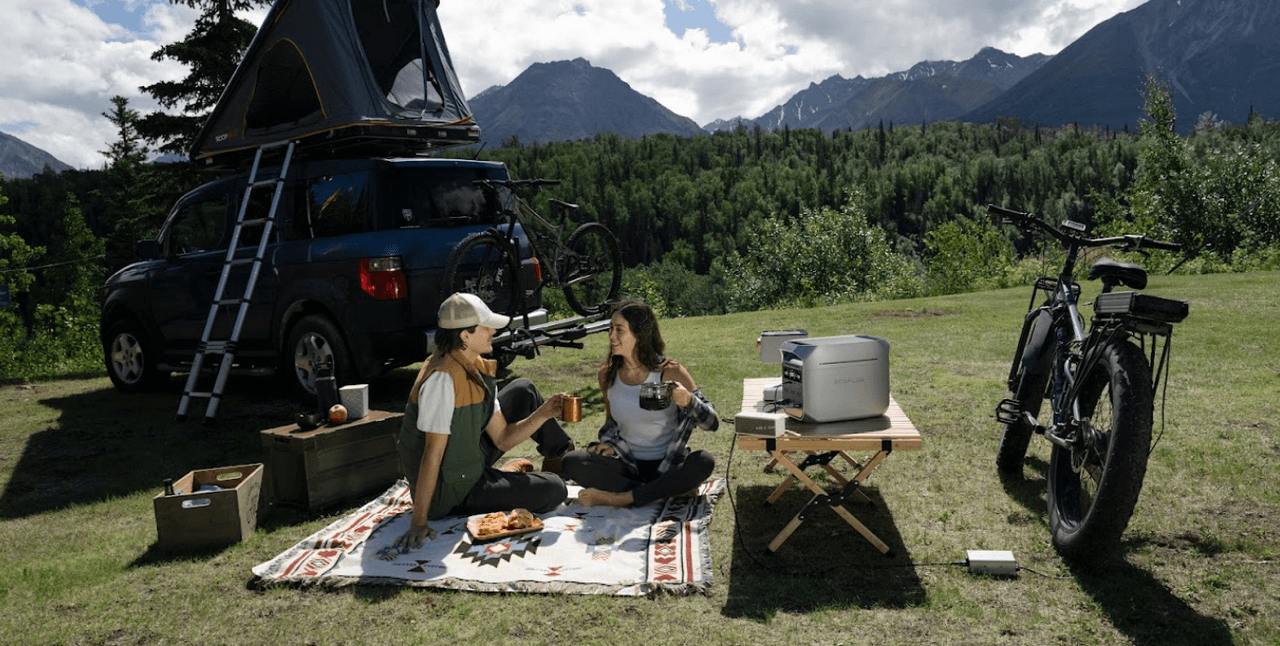
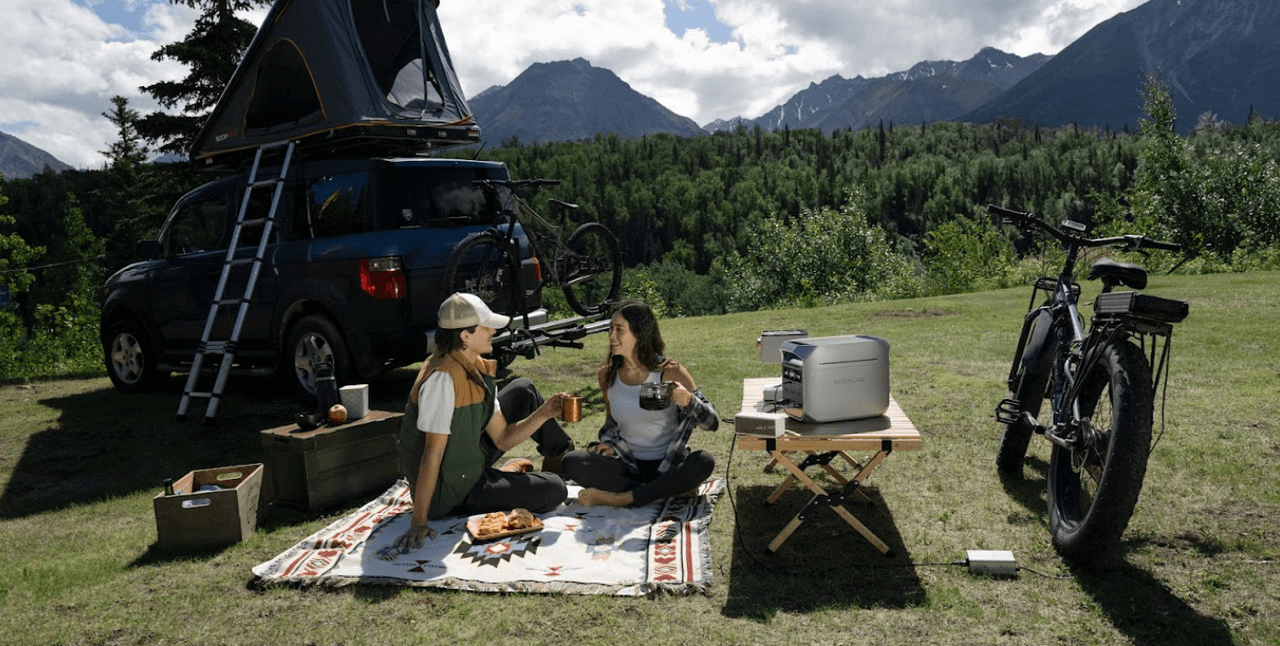
Colorado's mountains are hard on gas equipment. Cold nights, high altitude, and noise restrictions in quiet forest zones all point in the same direction - a battery-powered setup handles the conditions better. It doesn't announce itself to every campsite within earshot.
Why Battery Power Works Well at Altitude
No fuel exhaust and much quieter operation make battery power stations a better fit for quiet camping environments. Performance stays reliable in cold nighttime temperatures, unlike a lot of gas equipment that struggles in the cold. EcoFlow's portable power station lineup is a good place to start.
What to Bring for Multi-Day Mountain Trips
Charging phones, cameras, and headlamps matters more the longer a backcountry stretch runs. A battery-heated blanket or a bit of extra lighting adds real comfort once the temperature drops hard after sunset.
Matched to capacity, the DELTA 3 Plus covers shorter mountain trips well. The DELTA 3 Max with a 400W solar panel is built for longer backcountry stretches.
Packing for a Colorado Camping Trip
Afternoons in Colorado can feel like summer and nights like early fall, sometimes on the same day. Above 8,000 feet, that gap widens fast. July and August add afternoon thunderstorms into the mix - reliable enough that most experienced mountain campers just build an early turnaround into any exposed hike.
Pack for the cold end of the forecast, not the warm end.
Dealing With Altitude and Temperature Swings
Layers are non-negotiable - mornings start cold, afternoons warm up fast, and nights drop back down again. Sometimes all three happen before dinner. A day at moderate elevation before pushing into anything strenuous at altitude is worth building into the itinerary, not something to skip to save time.
Wildlife and Food Storage Precautions
Bear canisters or approved bear boxes are required in a lot of Colorado's backcountry areas. Food, trash, and anything scented stays away from the tent, even at developed campgrounds.
Conclusion
Colorado rewards the people who show up prepared and humbles the ones who don't. Elevation, weather swings, and bear country add layers that most camping destinations don't ask for. Get those right, and the trip tends to take care of itself.
Explore EcoFlow's portable power lineup for mountain trips.
Frequently asked questions
What is the best time of year to camp in Colorado?
September and early October, most people would say. Crowds thin out once the summer monsoon pattern breaks, and the aspens turn gold right around then. Snow can still linger at higher elevations into June, so build a backup plan for any early-season mountain trip.
Do you need a permit to camp in Colorado national forests?
Most dispersed camping on national forest land is free and doesn't require a permit, but stays cap out around 14 days in any 30-day window. Some high-traffic wilderness areas have added permit requirements in recent years - Maroon Bells-Snowmass is the most notable example. Check the specific area before assuming it's open access.
Is Rocky Mountain National Park good for beginner campers?
It can be, but it asks more of beginners than most parks do. Reservations fill up fast, sometimes months out for peak summer weekends. The campgrounds sit between 8,000 and 10,000 feet, which means a day of acclimating before doing anything strenuous is genuinely important, not just cautious advice. Food storage rules are also strictly enforced - bear activity in the park is routine, not occasional.
What should I pack for high altitude camping?
Layers for wide temperature swings within a single day. Warm sleep gear for nights that can drop 30 to 40 degrees below the daytime high. A bear canister if the site requires one. And a day at moderate elevation before pushing into anything strenuous higher up.
Are there campgrounds with hookups in Colorado?
Yes. State parks and private campgrounds near Estes Park and Breckenridge offer full electric and water hookups, plus showers, camp stores, and playgrounds. National forest and dispersed sites generally offer none of that.
How do you stay safe from wildlife while camping in Colorado?
Store food, trash, and anything scented away from the tent at all times, using a bear canister or approved bear box where required. This applies at developed campgrounds too. Black bears in areas like Rocky Mountain National Park are used to human activity and opportunistic about an easy meal.
For press requests or interview opportunities, reach out to our media team
media.na@ecoflow.com