Backpacking Power: Best Solar Chargers for the Trail
- Why Do Backpackers Need a Reliable Power Source?
- What Devices Do Backpackers Need to Keep Charged?
- What Types of Solar Chargers Work Best for Backpacking?
- How Much Power Can You Realistically Get from the Sun on the Trail?
- What Should You Look for in a Backpacking Solar Charger?
- How Do You Size a Solar Charger for a Multi-Day Trip?
- How Can You Maximize Solar Charging on the Trail?
- Frequently Asked Questions
- The Right Solar Charger Keeps Backpackers Powered Up Mile After Mile
Whether you're heading out for a casual day hike or a multi-day off-grid trip, chances are you're bringing your smartphone. Phones, headlamps, cameras, and all the other devices you love need reliable power, but outlets are a little tough to find in the backcountry. Learn why solar chargers are a must-have any time you hit the trail, plus the best solar chargers for backpacking.
Why Do Backpackers Need a Reliable Power Source?
When you go backpacking, your phone acts as your map, GPS, camera, communicator, and entertainment.
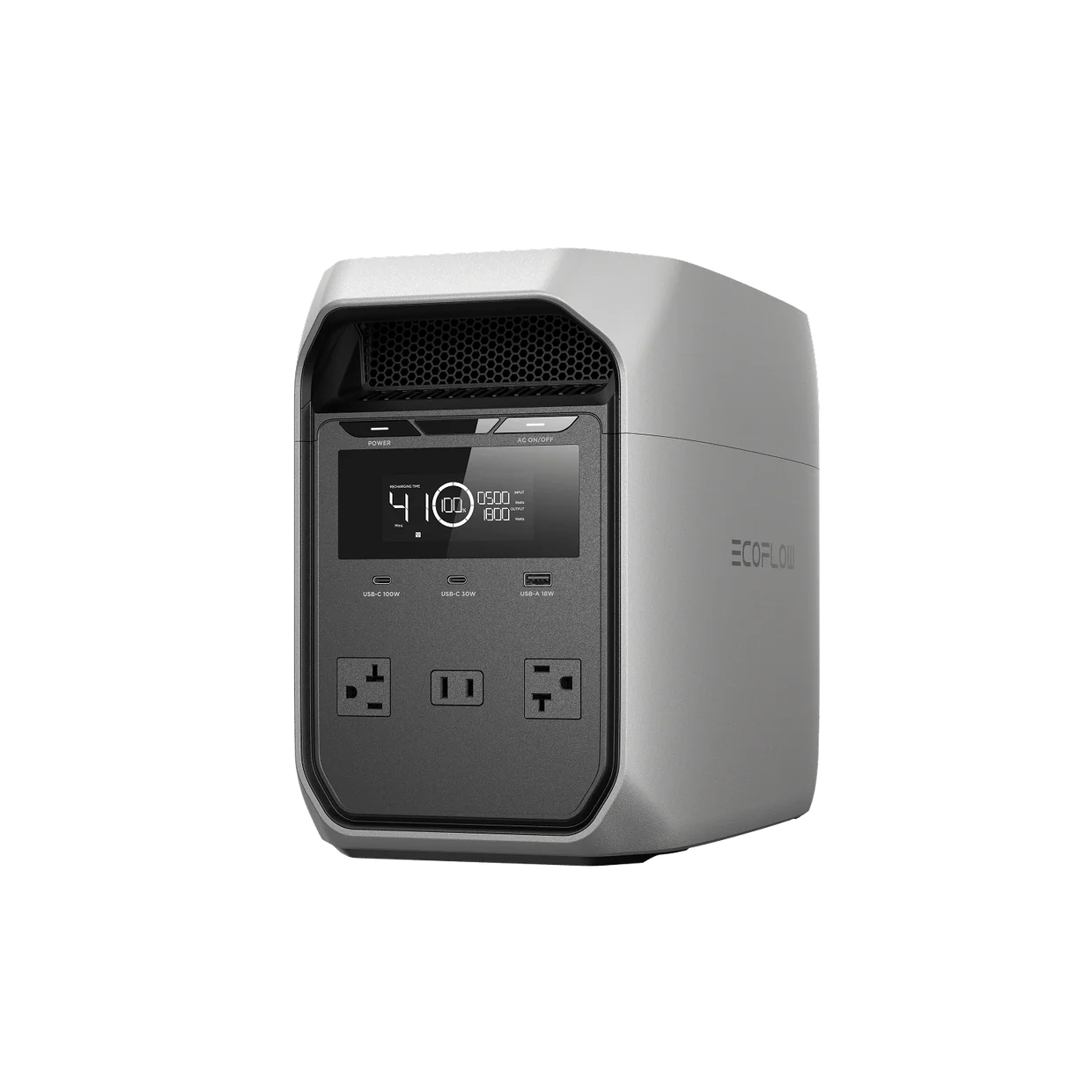
Add in smartwatches, lights, and other little devices, and you need a way to power your gear. A dead phone at home is a nuisance, but it's an emergency when you're miles from the nearest trailhead. For longer trips, a solar-compatible power station like the EcoFlow DELTA 3 Classic gives you a dependable backup, so a dead battery never turns into a real problem on the trail.
What Devices Do Backpackers Need to Keep Charged?
Every device you carry adds weight, so it should serve a real purpose on the trail. You’re probably not packing a full laptop, but you’ll likely bring a few devices for safety and comfort, including:
Smartphones
Smartwatches
Headlamps
Cameras or drones
Wireless earbuds
Your charging setup should match your devices and the length of your trip, too. If you’re weighing the difference between a solar charger vs a power bank, a small bank is fine for a quick overnight adventure. But long trips need something more robust, like a portable power station and solar charger.
What Types of Solar Chargers Work Best for Backpacking?
Panel-Only Solar Chargers
This is the lightest and simplest option. Panel-only chargers fold up for easy storage and power your device directly from sunlight. The downside: without a battery, they can't store energy for later.
Solar Chargers with a Built-In Battery
Here, a built-in battery stores the energy your panel collects during the day, so you can recharge your phone once you reach camp. The tradeoff is size: small built-in panels take a long time to recharge the battery, so they aren't something to rely on exclusively.
Solar Panels Paired with a Portable Power Station
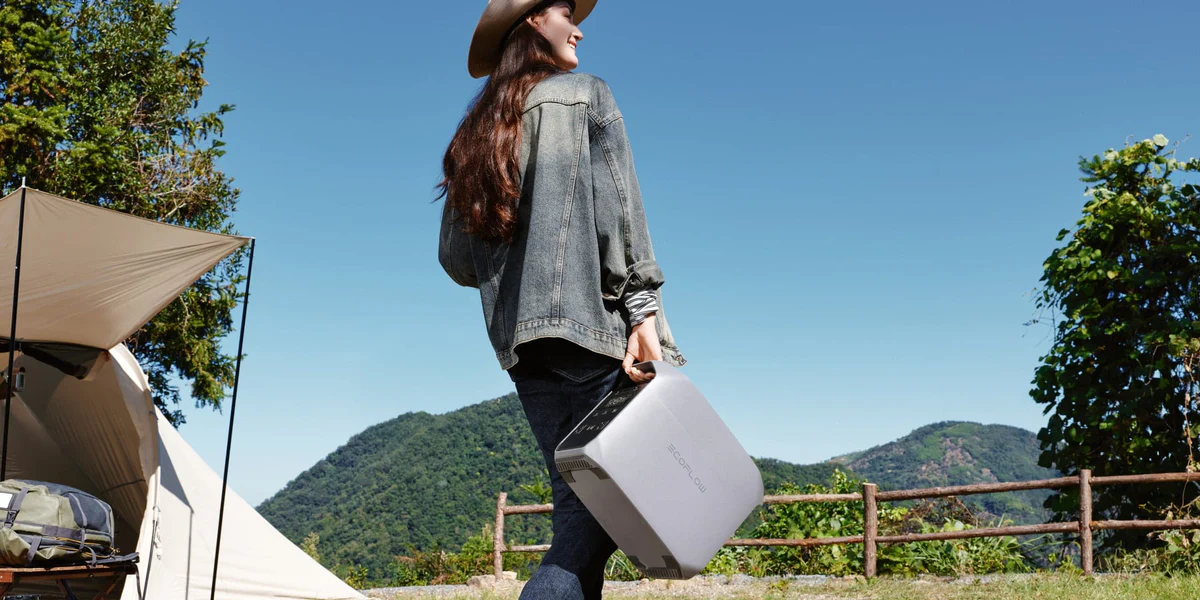
If you’re planning a longer off-grid adventure, consider a higher-capacity setup, like a power station. Options like the EcoFlow DELTA 3 Classic pair with solar input so you can store enough energy for days of backpacking.
How Much Power Can You Realistically Get from the Sun on the Trail?
A 20W solar charger won’t necessarily generate 20W every minute it’s outside. Actual output changes throughout the day based on:
Sunlight
Weather
Panel placement
Temperature
Shade and cloud coverage
Test your setup at home first. Trail conditions will vary, but it'll give you a useful baseline.
What Should You Look for in a Backpacking Solar Charger?
The best backpacking solar chargers should balance portability and output with durability.
Weight and Packability
You don’t want a super heavy solar setup when you’re backpacking. Look for a lightweight model that folds or packs down neatly without taking up valuable space.
Wattage and Charging Speed
A solar charger’s wattage tells you how much power it can generate under ideal conditions. Higher wattage generally means faster charging, but the tradeoff is that the panel is bigger and heavier.
Durability and Weather Resistance
Backpacking trails are tough on gear, so choose a solar charger that can keep up. Durable materials, reinforced edges, sturdy attachment points, and water- or dust-resistance ratings all help it hold up in the elements.
How Do You Size a Solar Charger for a Multi-Day Trip?
To find the best portable solar charger for backpacking:
List every device you’ll bring: Check each device’s battery capacity in watt-hours (Wh) or milliamp-hours (mAh), then estimate how many full or partial recharges you’ll need.
Consider available sunlight: Open desert trails and exposed ridgelines may offer several hours of strong sunlight, but forested routes make solar charging less predictable.
Add a little extra: Remember, a panel’s rated wattage is just its potential in ideal conditions. Build in 25% extra capacity, just in case.
How Can You Maximize Solar Charging on the Trail?
You can’t control the sun, but you can maximize how much energy your panels generate by:
Charging before you go: Solar should top up your energy supply, not replace a full charge, so leave with all devices topped up.
Angling it toward direct sun: Set up your panel in an open area whenever possible. Trees, tents, rocks, and even small shadows can reduce output.
Prioritizing batteries: Send solar energy to a power bank or power station before charging your phone or headlamps. Stored energy lets you charge your phone after sunset or whenever you need it.
Cleaning the panels: Trails are dirty, so regularly clean dust and pollen off your panels.
Frequently Asked Questions
Can a Solar Charger Actually Charge Devices While You Hike?
Yes. Some solar chargers connect to your backpack and absorb sunlight as you walk. Still, they aren’t perfect. Tree shade and cloud cover limit how much sunlight you’ll collect, not to mention the inconsistent angle of the panels while you’re moving. On-the-go charging can top up your devices, but don’t rely on it as your sole power source.
How Many Watts Do You Need for Backpacking?
A bare-bones setup can get by with a 10W or 30W solar charger. That’s enough for small electronics like your phone and headlamps. But if you want more luxuries at camp, you’ll need higher-wattage panels, which can add more weight to your pack.
Is a Solar Panel or a Power Bank Better for Backpacking?
Power banks are great for topping up your phone on the go, so they can work for short overnight or weekend trips. A solar panel generates energy for you while you’re on the trail, so it’s better for longer trips or if you need to charge a lot of devices.
How Long Does It Take to Charge a Phone with a Solar Charger?
It depends on a lot of factors. Depending on your phone’s battery, available sunlight, and panel position, you might be able to recharge your phone in a few hours. But if it’s cloudy, it could take anywhere from 4 to 6 hours to fully charge your phone.
The Right Solar Charger Keeps Backpackers Powered Up Mile After Mile
The right backpacking solar charger gives you one less thing to worry about when the nearest outlet is miles away. By matching your solar setup to your devices, you can keep your essential gear charged without adding unnecessary weight to your pack.
Mobile solar chargers work well for topping up your phone, but if you need something more robust, go with a solar-compatible power station. Add the EcoFlow DELTA 3 Classic to your base camp and enjoy the great outdoors without worrying about your battery and spend more time on the trail.
For press requests or interview opportunities, reach out to our media team
media.na@ecoflow.com