Camping at Yellowstone National Park: 2026 Campground Guide With Off-Grid Power Tips
- Yellowstone Camping in 2026: What to Know Before You Book
- Yellowstone Campgrounds by Region: Choose the Best Basecamp
- Reservations, Fees, and Rules That Affect Your Stay
- Off-Grid Power at Yellowstone: What You Can Realistically Run at Camp
- Picking an EcoFlow Portable Power Station for Yellowstone Camping
- Frequently Asked Questions
- Power Your Trip, Extend Your Stay, Protect Your Gear
Yellowstone fills up fast. Campsites book months in advance, electrical hookups are nearly nonexistent, and gas generators are banned during quiet hours. If you're planning a 2026 trip, you need to cleverly reserve a site matched to your rig and a plan for off-grid power. This guide covers all three: where to camp by region, how to book, and how to keep your gear running without breaking park rules.
Yellowstone Camping in 2026: What to Know Before You Book
Before you head out to Yellowstone, you must have a reservation, and popular sites fill up fast, so you’ll need to be quick.
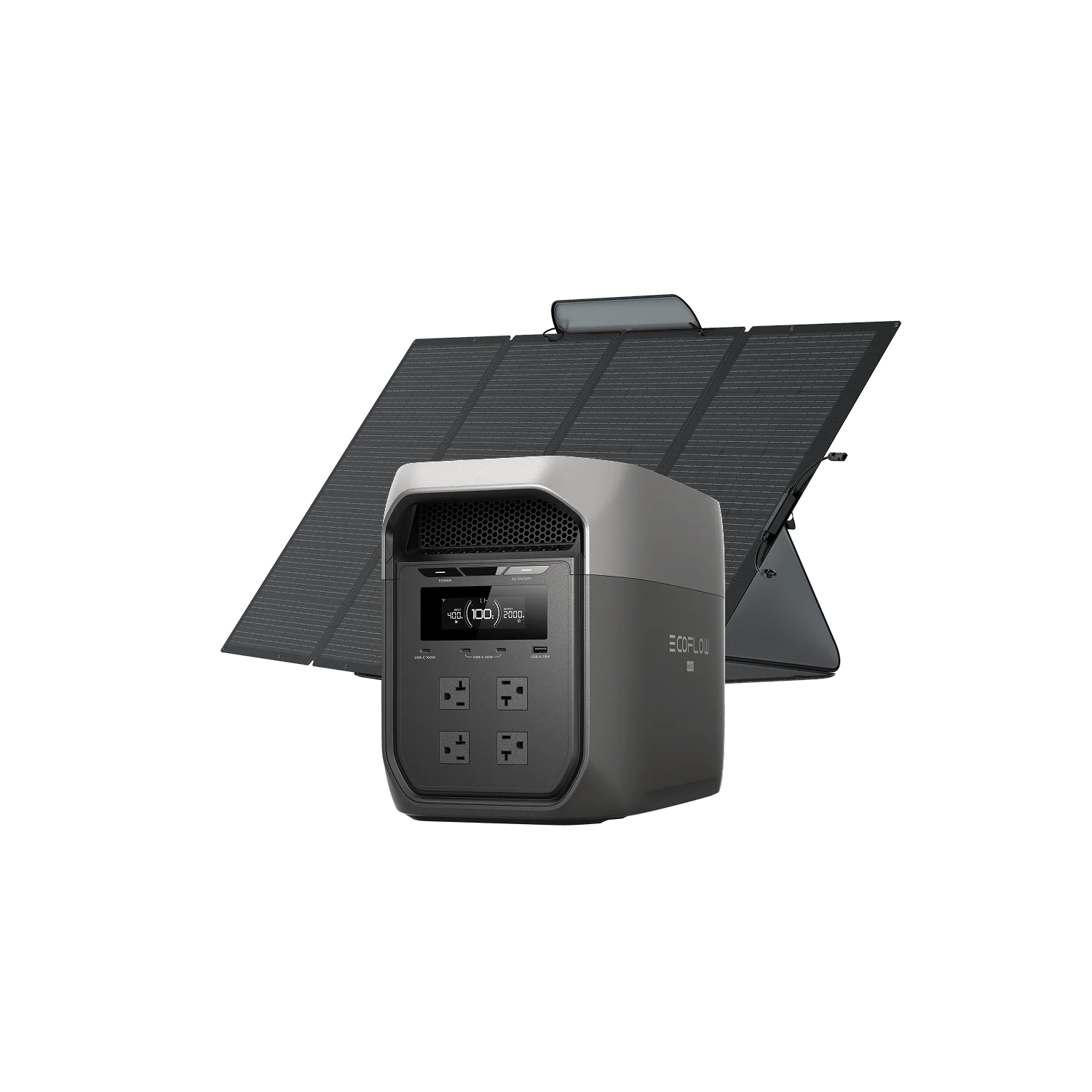
Also, keep in mind that while most sites offer water nearby, electrical hookups are very scarce, so you should always check the available amenities before you book. With electrical hookups nearly non-existent across most of the park, a portable power station like the EcoFlow DELTA 3 Max + 400W Solar Panel bundle is definitely worth considering before you pack.
Yellowstone is a large park, so decide where you want to explore, and try to book a campsite nearby.
Yellowstone Campgrounds by Region: Choose the Best Basecamp
Yellowstone is divided into an upper (northern) loop and a lower (southern) loop:
The upper loop is typically quieter and has more natural scenery, but the campsites tend to be small, with little to no room for trailers and RVs, and there are no RV hookups.
The lower loop is busier and offers small and large sites, including some full hookups that accommodate most RVs.
The most convenient campgrounds are Madison and Canyon, which are centrally located in the middle of both loops, so they’re best for those who want to see a lot in a short time.
For those looking for more seclusion and nature, try a smaller campground in the upper loop, like Lewis Lake, Indian Creek, or Slough Creek.
For off-season camping, you’ll find Mammoth Campground on the northern road open all year long.
However, for access to the lake and marina, you’ll want to stay in the lower loop campgrounds of Bridge Bay, Fishing Bridge RV, and Grant Village.
Your best RV campground, and the only one with hookups, is also in the lower loop at Fishing Bridge RV. However, some campgrounds accommodate RV boondocking without hookups, like what you’d find RVing at Acadia National Park, but most only allow up to 35 feet. Larger sites are very limited, so those with large RVs often stay outside the park.
Reservations, Fees, and Rules That Affect Your Stay
Two different organizations manage the campgrounds at Yellowstone, and they always require reservations, except for Mammoth from October 15 to April 1.
Booking windows vary by campground, with NPS sites typically opening for booking exactly 6 months in advance. The National Park Service (NPS) manages most campgrounds in the upper loop, and you must reserve them online.
Xanterra Campgrounds mostly manage the busier lower loop and all lodgings in the park. Reservations must be made at yellowstonenationalparklodges.com for 2026. In 2027, their reservations will be moved to the NPS reservation system.
Fees also vary, with most ranging between $25 and $45 per night, except Fishing Bridge RV Park, which costs more with hookups, and those without vehicles, who pay ~$10 a night. Group sites are also available, costing about $165 to $575.
Some important park rules include:
Quiet hours are from 8 pm to 8 am.
Food must be placed in the provided bear boxes or a vehicle at night. Leaving food elsewhere may result in a ticket.
Campfires are allowed in all campsites except Fishing Bridge RV Park and during fire bans.
Dogs are allowed at campgrounds on a leash but not on trails, boardwalks, buildings, or lakes. Kennels are available at West Yellowstone and Gardiner for boarding pets while you explore the park.
Off-Grid Power at Yellowstone: What You Can Realistically Run at Camp
Electricity is very limited in the park, and gas generators are banned at tent-only sites and during quiet hours, which covers most of the night. A battery-powered portable power station sidesteps both restrictions.
You can run phones, lights, a CPAP, or a portable refrigerator through the night without noise, fumes, or a park rule violation.
Picking an EcoFlow Portable Power Station for Yellowstone Camping
For most campers, the EcoFlow DELTA 3 Max + 400W Solar Panel bundle is a great fit. It gives most campers enough capacity to keep phones charged, run medical devices overnight, and power lights across multiple days, and the included solar panel means you can top it up daily without hunting for an outlet.
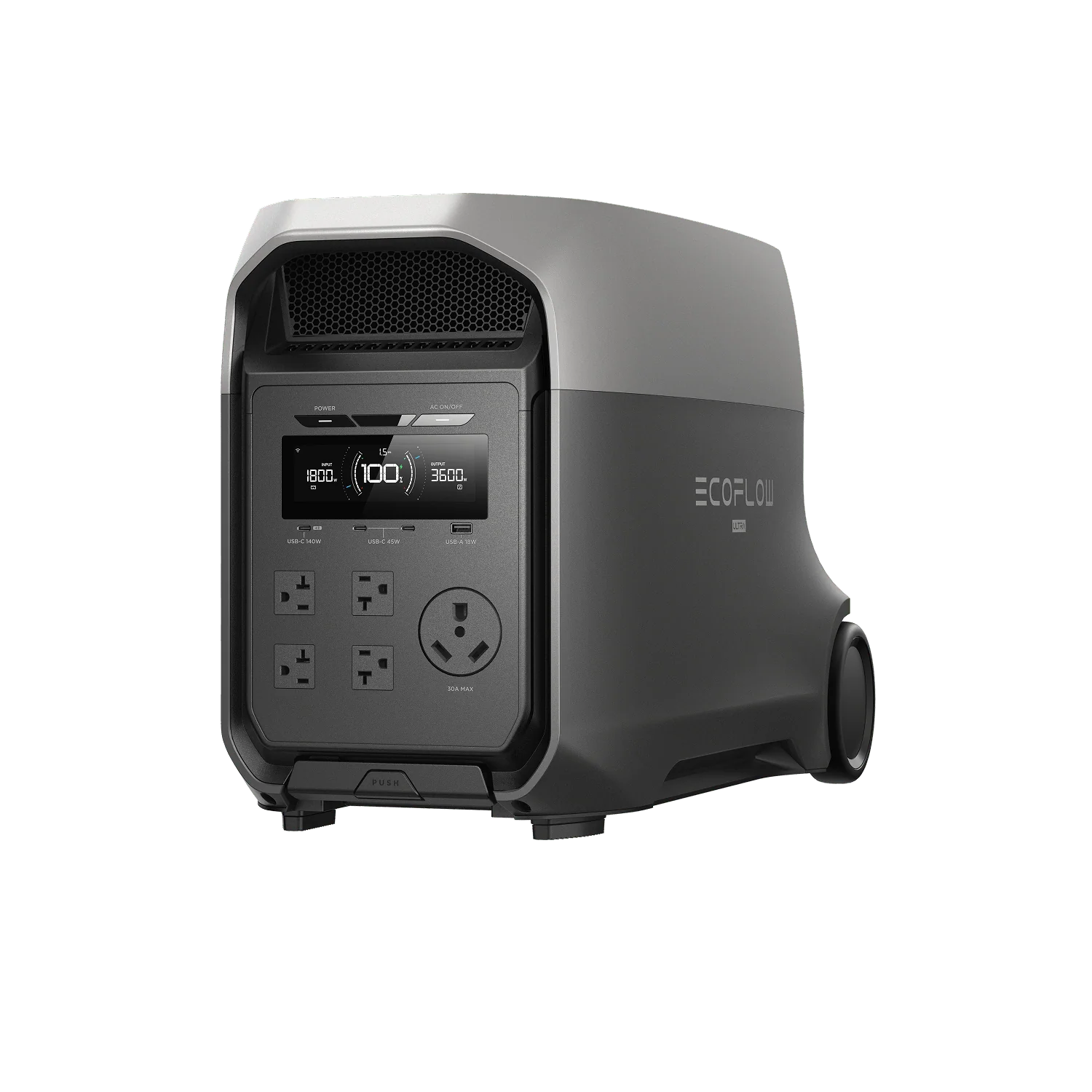
For multi-day trips running heaters, air conditioners, or electric grills, the EcoFlow DELTA 3 Ultra Plus Portable Power Station (3072Wh) handles higher-demand loads while still staying quiet enough to meet Yellowstone's overnight rules.
Frequently Asked Questions
What Campgrounds Have Full Hookups in Yellowstone?
Only Fishing Bridge RV Park, located in the lower loop at Yellowstone, has full hookups for small to medium-sized RVs. Large RVs are not well-accommodated in the park.
When Do Major Yellowstone Campgrounds Typically Open?
Most Yellowstone campgrounds start opening between April and June, depending on their location. They typically close between late September and mid-October, except Mammoth, which is open year-round.
How Much Off-Grid Power Do I Need for a Multi-Day Trip?
How much power you need depends on what you need to run. For low power needs, ~2000Wh might be sufficient, but for higher-power needs, ~4000Wh is better. Using portable solar panels will help extend your power capabilities.
What Are the Best Ways to Charge a Portable Power Station in Yellowstone?
The best way to charge a portable power station at Yellowstone is using portable solar panels or a car alternator charger, since access to electricity is very limited.
Power Your Trip, Extend Your Stay, Protect Your Gear
Camping at Yellowstone offers an unforgettable experience in America’s first national park, but strict noise rules and limited electricity require a smart approach to off-grid energy. By packing an ultra-quiet, battery-powered portable solar generator like the EcoFlow DELTA 3 Max + 400W Solar Panel or EcoFlow DELTA 3 Ultra Plus, you can keep your devices charged, medical devices running, and camp lights on without violating park rules.
For press requests or interview opportunities, reach out to our media team
media.na@ecoflow.com