A 2026 Travel Guide to Long Island Camping
- Where Can You Go Camping on Long Island?
- How Should You Book Long Island Camping in 2026?
- What Type of Long Island Camping Fits Your Trip?
- What Should You Pack for Camping on Long Island?
- How Can Long Island Camping Shape Storm-Season Preparedness?
- Plan Your 2026 Long Island Camping Trip With Smarter Prep
- FAQs
Long Island camping in 2026 means beach mornings, wooded campsites, ferry-access coastlines, and quick escapes from New York City. The best trips start with the right campground, not just a free weekend. Before booking, check official season dates, site rules, coastal weather, parking, and power needs. Long Island camping can feel easy when the plan matches the place.
Where Can You Go Camping on Long Island?
Some campgrounds feel beachy and open, while others are wooded, family-friendly, or more remote. The main rule is simple: camp only in designated campgrounds or permitted areas.
Oceanfront Campgrounds
Oceanfront camping is one of the biggest reasons people search for camping on Long Island. Hither Hills State Park in Montauk is a well-known example, with ocean access and a classic beach camping feel. The official Hither Hills State Park page lists its 2026 camping season from April 10 to November 22, but campers should still confirm reservation details before booking.
Oceanfront sites are great for beach walks, surf fishing, sunrise views, and summer weekends. They can also be windy, sunny, sandy, and more exposed than wooded campsites. Pack for coastal weather, not just warm weather.
County Park Campgrounds
Suffolk County campgrounds are useful for campers who want more local options. Some parks offer tent, trailer, motorhome, outer beach, group, or youth group camping. These can work well for families, weekend trips, and campers who want wooded areas, water access, or a less tourist-heavy setting.
Rules, fees, vehicle limits, and resident or non-resident requirements can vary, so check the official county park page before reserving.
Fire Island-Style Coastal Camping
Fire Island camping offers a different coastal feel. Watch Hill Campground, for example, is close to the beach, bay, and the Otis Pike Wilderness. It suits campers who want a quieter shoreline setting and do not mind planning around ferry access, walking distance, and limited services.
This kind of trip rewards lighter packing. Check access details, food storage rules, and weather before you go.
How Should You Book Long Island Camping in 2026?
Popular Long Island camping dates can fill quickly, especially summer weekends and holiday periods. Booking early helps, but booking correctly matters more.
Check the Official Booking Window
A booking window is the period when a campsite becomes available for reservation before your arrival date. Different systems may use different rules. New York State Parks, Suffolk County Parks, and Fire Island-area options may not all follow the same schedule.
Before booking, confirm:
Reservation opening dates
Check-in and checkout times
Site type
Maximum stay
Pet rules
Vehicle limits
Fees and cancellation terms
Do not rely only on travel blogs or old screenshots. Campground seasons, fees, and rules can change.
Prepare Backup Dates and Nearby Options
If your first-choice site is gone, backup dates can save the trip. Try weekday stays, shorter stays, shoulder season dates, or nearby campgrounds. Shoulder season means the period just before or after peak travel season, often late spring or early fall.
For Long Island camping, flexibility matters. A Thursday-to-Sunday trip may be easier to book than a Friday-to-Sunday trip in July.
Confirm Site Rules Before Paying
Before you pay, read the full site description. Check whether the campsite fits your tent, RV, trailer, or group size. A site may look good on a map but have limited parking, no hookups, long walking distance, or strict quiet hours.
A hookup is a campsite connection for electricity, water, or sewer service. If your trip depends on hookups, do not assume they are included.
What Type of Long Island Camping Fits Your Trip?
Different Long Island camping plans need different sites. A beach weekend, family trip, and RV stay should not be booked the same way. Use this table to match the campground style with your real needs.
Trip Style | Best Camping Option | What to Check |
|---|---|---|
Beach weekend | Oceanfront campground | Wind, shade, beach rules |
Family trip | County park campground | Restrooms, water, quiet hours |
Quiet escape | Wooded campground | Spacing, trails, noise |
RV stay | RV-friendly campground | Site length, hookups, dump station |
Coastal adventure | Ferry-access campground | Access, walking distance, facilities |
The best Long Island camping choice is not always the most scenic one. It is the one that fits your group, vehicle, comfort level, and weather plan.
Beach and Oceanfront Camping
Beach camping feels open and scenic, but it needs extra planning. Bring sun protection, wind layers, sand-friendly shoes, and extra towels. Shade can be limited near the coast.
Do not assume every beach allows overnight camping. Use designated campgrounds and follow posted rules.
Wooded and Family-Friendly Camping
Wooded campgrounds can be better for families, new campers, and anyone who wants more shade. They may feel calmer during windy weather and can be easier for kids or first-time campers.
Look for restrooms, water access, parking distance, and quiet hours. Small comfort details can shape the whole trip.
RV and Group Camping
RV and group camping require more rule checking. Confirm site length, parking limits, hookups, dump station access, and maximum occupancy. Site length means the largest vehicle or trailer size the campsite can fit.
For group trips, check whether you need a special reservation or permit.
What Should You Pack for Camping on Long Island?
Packing for camping on Long Island should reflect the coast. Wind, sand, bugs, humidity, bright sun, and sudden rain can all show up in one weekend.
Coastal Weather Gear
Bring clothing and gear that can handle changing beach weather. A warm evening layer can matter even after a hot day.
Useful items include:
Windproof layer
Rain jacket
Sunscreen
Bug spray
Sand-friendly shoes
Extra towels
Ground tarp
Cooler with ice packs
Headlamps or lanterns
A tarp can help keep sand and damp ground away from your tent area. It also gives you a cleaner space for gear.
Food, Fire, and Campsite Basics
Do not assume every campsite allows the same cooking setup. Fire rings, grills, charcoal rules, and beach fire rules can differ by campground.
Pack food in sealed containers, bring trash bags, and follow campground disposal rules. If a site has no grill or fire ring, plan meals that do not depend on open flame.
Power and Lighting for Longer Stays
Longer coastal camping trips often depend on charged gear. Phones, camp lights, small fans, cameras, and communication devices can all matter, especially if cell service is weak or weather changes quickly.
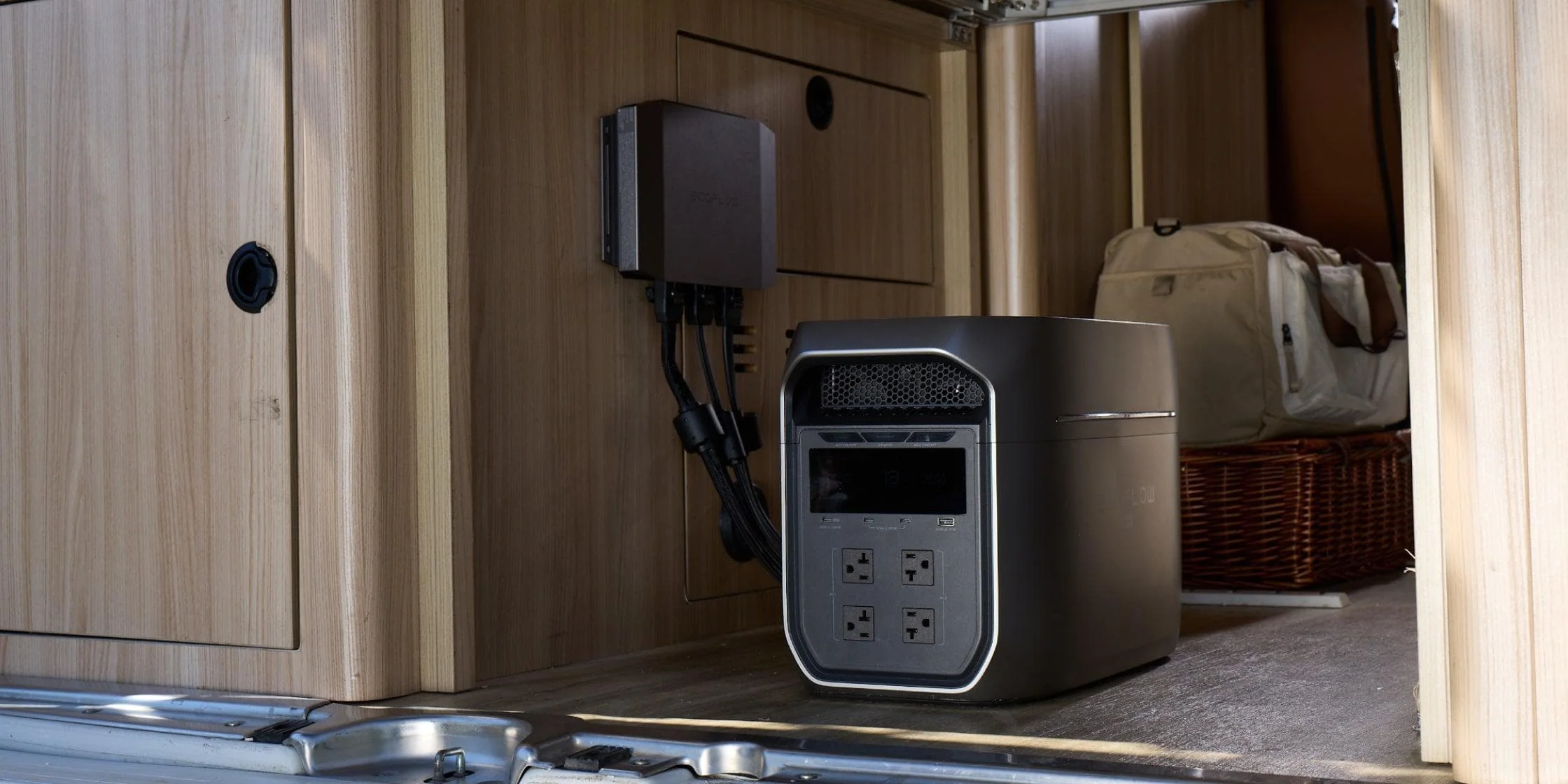
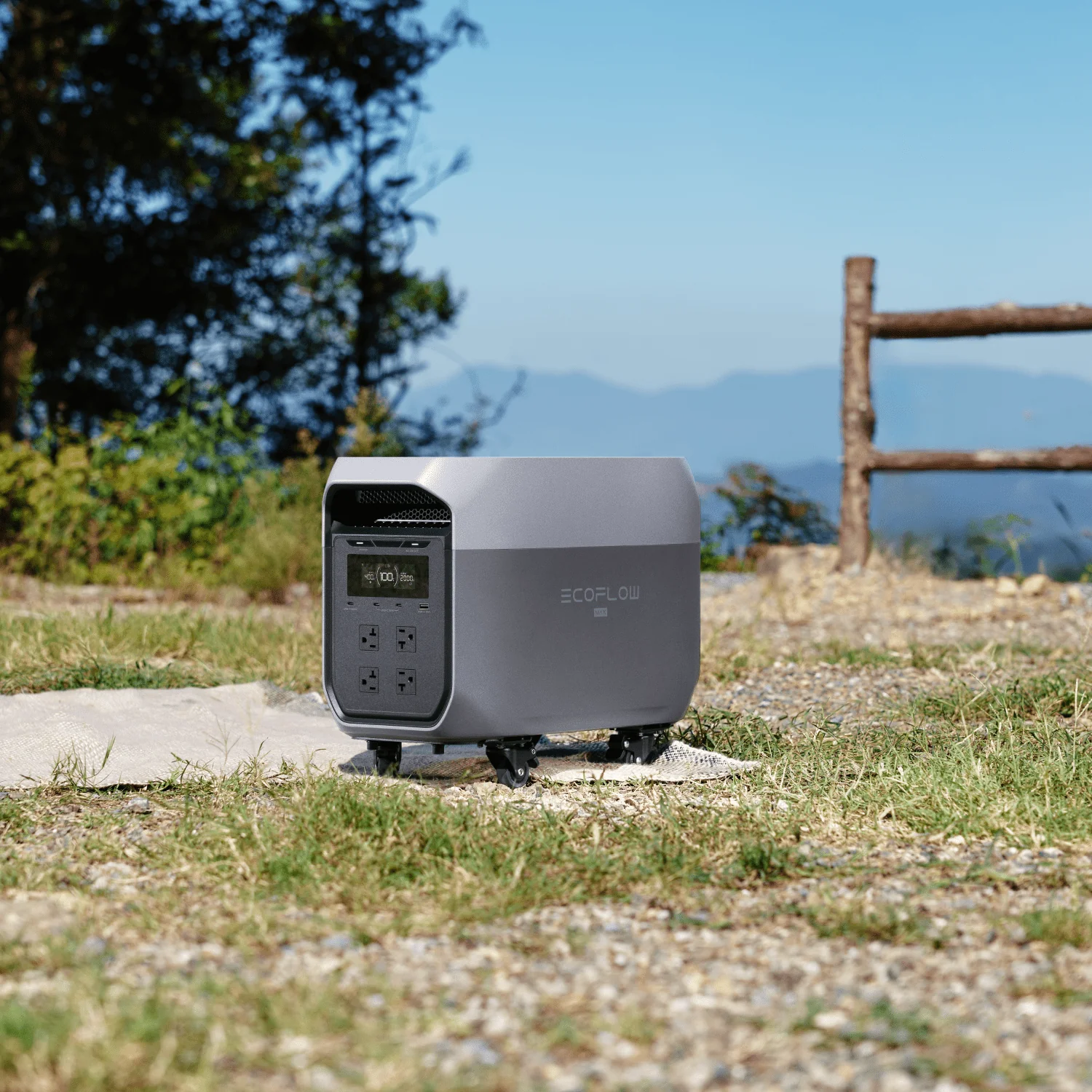
For campers who want a stronger power plan, the DELTA 3 Max pairs well with a 400W Solar Panel for longer Long Island camping trips. With 2048Wh of capacity, it can help support phones, lighting, camera gear, small fans, and selected campsite essentials within rated limits. When paired with solar, it can also support outdoor charging when sunlight, panel angle, weather, and shade conditions are favourable.
How Can Long Island Camping Shape Storm-Season Preparedness?
Long Island camping is closely tied to coastal weather. Wind, rain, flooding risk, road delays, and power outages can all affect a weekend trip. That is why camping plans should go beyond tents, food, and beach gear.
A good camping setup teaches a simple lesson: basic power and communication matter when normal convenience is limited. At a campsite, that may mean charged phones, working lights, weather alerts, and a way to keep small essentials running. At home during storm season, the same thinking can help with short outages and last-minute weather changes.
Solar charging can also add flexibility outdoors, especially during sunny coastal trips. Performance still depends on sunlight, panel angle, shade, clouds, and time of day, so it should be treated as support, not a guarantee.
Before storm season, review the basics:
Flashlights or lanterns
Charging cables
Weather alerts
Drinking water
Shelf-stable food
First aid supplies
Needed medications
Backup power for essential devices
Camping on Long Island can be more than a weekend plan. It can also help you see which tools and habits are useful when coastal weather becomes less predictable.
Plan Your 2026 Long Island Camping Trip With Smarter Prep
Long Island camping works best when the campground, season, weather, and gear all line up. Choose the right area, confirm 2026 rules, book early, and pack for coastal conditions. Add a practical power plan for lights, phones, cameras, and storm-season awareness. A smarter setup can support the campsite, the road trip, and the way you prepare at home.
FAQs
Q1. What Is the Best Time for Camping on Long Island in 2026?
Late spring through early fall is usually the most popular period for camping on Long Island. Some campgrounds may stay open longer, but dates vary by location. Always check the official campground page before planning around a specific weekend.
Q2. Where Can I Go Camping on Long Island?
Common options include state parks, Suffolk County campgrounds, and Fire Island-area camping. The best choice depends on whether you want beach access, wooded sites, RV space, or a quieter coastal trip. Check whether the location allows overnight camping before making plans.
Q3. Is Summer Camp Long Island the Same as Long Island Camping?
Not always. Summer camp Long Island often refers to children’s day camps, sleepaway camps, or summer programs. Long Island camping usually means overnight campground stays for tents, RVs, or coastal trips.
Q4. Do Long Island Campgrounds Have Power Hookups?
It depends on the campground and site type. Some sites may offer hookups, while others are more basic. Check the official site description before booking if you need power for lights, phones, fans, or camping devices.
Disclaimer: This article is for informational purposes only and does not constitute professional travel, campground, outdoor safety, emergency management, weather, or electrical advice. Long Island camping seasons, campground availability, reservation rules, beach access, ferry schedules, fire restrictions, pet rules, storm risks, and power needs can change by location, season, weather, and park management policy. Always follow official campground pages, posted rules, reservation terms, local alerts, park staff instructions, and emergency guidance before camping or planning a coastal trip. For official information and article references, please refer to the official Hither Hills State Park page, Suffolk County Parks CampingSuffolk County Parks Camping.
For press requests or interview opportunities, reach out to our media team
media.na@ecoflow.com