Campsite Reservation Tips: How to Book Popular Campgrounds
- Quick Answer
- Why Do Campsite Reservations Sell Out So Fast?
- When Should You Reserve Campsites for Popular Campgrounds?
- How to Reserve Campsites Without Wasting Time?
- What Campsite Details Should You Check Before Booking?
- Which Campsite Type Works Best for Your Trip?
- How Can You Improve Your Chances at Popular Campgrounds?
- What If You Cannot Reserve a Campsite?
- What Should You Prepare After Campsite Reservations Are Confirmed?
- Book the Campsite Early and Pack the Setup That Fits
- FAQs
Popular campgrounds can fill before casual planners even open the calendar. Summer weekends, lakefront spots, national parks, and holiday dates often disappear fast. Smart campsite reservations start with timing, backup dates, and the right site details. A few minutes of planning can make the difference between booking the campground you want and settling for whatever is left.
Quick Answer
To make better campsite reservations, first choose your campground, then check the booking window, site type, vehicle length, hookups, rules, and cancellation policy before paying. For popular campgrounds, prepare backup dates and nearby options before reservations open. After booking, review the actual campsite details so your tent, RV, power setup, food storage, and arrival plan match the site you reserved.
Why Do Campsite Reservations Sell Out So Fast?
Campsite reservations sell out quickly because the best camping dates and locations are limited. Many campers want the same summer weekends, waterfront views, shaded loops, and sites close to restrooms or trails.
Demand is even higher around national parks, state parks, lakes, beaches, and mountain towns. A campground near a famous trail, scenic drive, or popular swimming area may fill up within minutes when reservations open.
Some site types disappear faster than others:
RV sites with electric hookups
Lakefront or riverfront campsites
Shaded tent sites
Large family sites
Group campsites
Sites near restrooms, showers, or trailheads
Holiday weekend dates
A hookup is a campsite connection for electricity, water, or sewer service. RV campers often search for electric hookups first, which makes those sites more competitive.
Some of the most wanted campgrounds have only a small number of sites, which makes planning more important. When demand is high and space is limited, guessing rarely works.
When Should You Reserve Campsites for Popular Campgrounds?
The best time to reserve campsites depends on the campground and the reservation platform. A booking window is the period when a campsite becomes available for reservation before your arrival date.
Many federal campsites on Recreation.gov can be reserved months ahead, but rules vary by location. Recreation.gov is the official booking platform for many federal recreation sites in the United States, and its campsite reservation tips are useful for checking booking windows, release timing, and popular campground planning. State parks, county parks, and private campgrounds may use different systems and different booking windows.
Before choosing dates, check the campground’s official reservation page. Look for:
When reservations open
The exact release time
Time zone used by the platform
Maximum stay length
Cancellation rules
Fees and service charges
Whether sites are released all at once or in smaller windows
If you want a popular campground for a summer weekend, plan early. If weekends are gone, try Sunday through Thursday. Weekday campsite reservations are often easier to find than Friday and Saturday nights.
Shoulder season can also help. Shoulder season means the weeks just before or after peak travel season. Spring and fall can offer cooler weather, fewer crowds, and better site choices, depending on the region.
How to Reserve Campsites Without Wasting Time?
Speed matters when a popular campground opens for booking. The goal is not to browse slowly after reservations open. The goal is to know what you want before the clock starts.
Use this simple process:
Choose the campground first.
Pick your ideal dates.
Select two or three backup dates.
Compare loops and campsite types.
Create your account before release time.
Save payment details if the platform allows it.
Log in early.
Filter by tent site, RV site, trailer site, or group site.
Check site length, occupancy, and rules.
Complete payment before the cart expires.
A loop is a section of campsites within a campground. One loop may be quieter, while another may be closer to restrooms, water, or trail access.
If you are booking an RV or trailer site, check the listed site length carefully. Site length means the maximum vehicle or equipment length the campsite can fit. Do not guess based on photos.
For tent camping, look for the tent pad. A tent pad is the flat area where a tent is meant to be set up. Some sites may have uneven ground, rocks, roots, or limited space.
What Campsite Details Should You Check Before Booking?
A campsite can look perfect until one small detail creates a problem after arrival. Always read the full site description before confirming campsite reservations.
Check the details that affect comfort, safety, and whether your gear will fit:
Tent-only, RV, trailer, or group site type
Site length and driveway surface
Electric, water, or sewer hookups
Generator rules
Restroom and shower distance
Potable water access
Fire ring or grill availability
Food storage rules
Pet rules
Maximum people and vehicles
Check-in and checkout times
Quiet hours
Generator hours are posted times when generators may be used. Some campgrounds limit generator use to reduce noise. If you depend on powered gear, check this before booking.
A bear box is a wildlife-resistant storage locker for food and scented items. It is common in some bear country campgrounds. If a campground requires special food storage, follow the posted rules every time.
The cheapest or most scenic site is not always the best choice. A site that fits your tent, vehicle, food storage, and daily routine will usually make the trip easier.
Which Campsite Type Works Best for Your Trip?
Different campsite reservations fit different camping styles. The right choice depends on your vehicle, gear, group size, and comfort needs.
Use this table to compare common campsite types before booking.
Campsite Type | Best For | What to Check |
|---|---|---|
Tent site | Simple car camping | Tent pad, parking, shade |
RV site | Motorhomes or trailers | Site length, hookups, dump station |
Walk-in site | Quieter camping | Carry distance, food storage |
Group site | Families or larger groups | Capacity, parking, quiet hours |
Primitive site | Basic camping | Water, toilets, road access |
A walk-in site is a campsite that requires you to park and carry gear a short distance. A primitive site usually has fewer facilities and may not have running water, flush toilets, or nearby services.
Pick the campsite type that matches your real setup. A beautiful primitive site can be frustrating if your group needs easy parking, water, and restrooms.
How Can You Improve Your Chances at Popular Campgrounds?
Popular campgrounds reward flexibility. If you search only one date, one loop, and one campsite type, your chances are much lower.
Try a broader plan:
Search weekdays instead of Friday and Saturday.
Look at shoulder season dates.
Check nearby campgrounds.
Search for less famous loops.
Try shorter stays.
Look for cancellations.
Split a trip between two nearby campgrounds.
Consider state parks, county parks, or national forest campgrounds.
Avoid only searching for the most famous campsite names.
Cancellations can be useful. Some campers cancel when plans change, and those sites may return to the reservation system. Check often, especially in the weeks before your trip.
Do not ignore nearby options. A campground 20 minutes away may have better availability, quieter sites, or easier parking than the most searched location.
What If You Cannot Reserve a Campsite?
If you cannot reserve campsite dates at your first-choice campground, start with legal backup options. A full campground does not mean you can sleep in any parking lot, pullout, picnic area, or trailhead nearby. For example, National Park Service campground rules for Yellowstone state that overnight vehicle parking is not allowed outside designated campgrounds. Better alternatives include:
Checking cancellation openings
Searching nearby public campgrounds
Looking at state, county, or national forest campgrounds
Trying legal first-come, first-served sites
Adjusting arrival dates or trip length
First-come, first-served campsites are assigned to visitors in arrival order instead of being booked ahead. They can work for flexible trips, but they are risky for long drives, holiday weekends, or late arrivals.
Always check local rules before making a backup plan. A legal backup plan is safer than searching for overnight options after dark.
What Should You Prepare After Campsite Reservations Are Confirmed?
A confirmed reservation is only the first step. After booking, review the campground rules and build your packing list around the actual site.
Save your confirmation email, campsite number, check-in time, and gate instructions. Download offline maps if cell service is weak. Check weather, fire restrictions, road conditions, food storage rules, and water access close to departure.
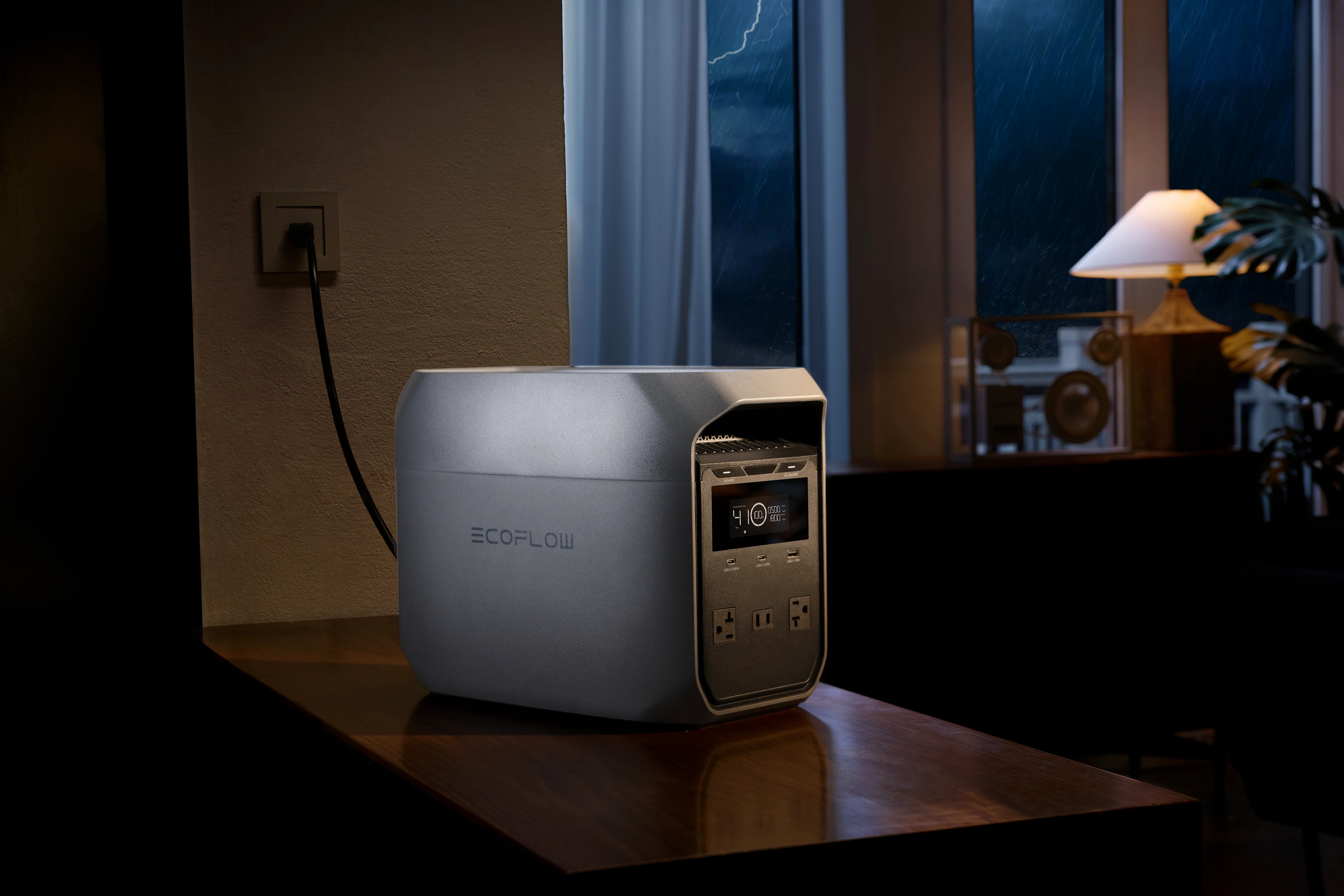
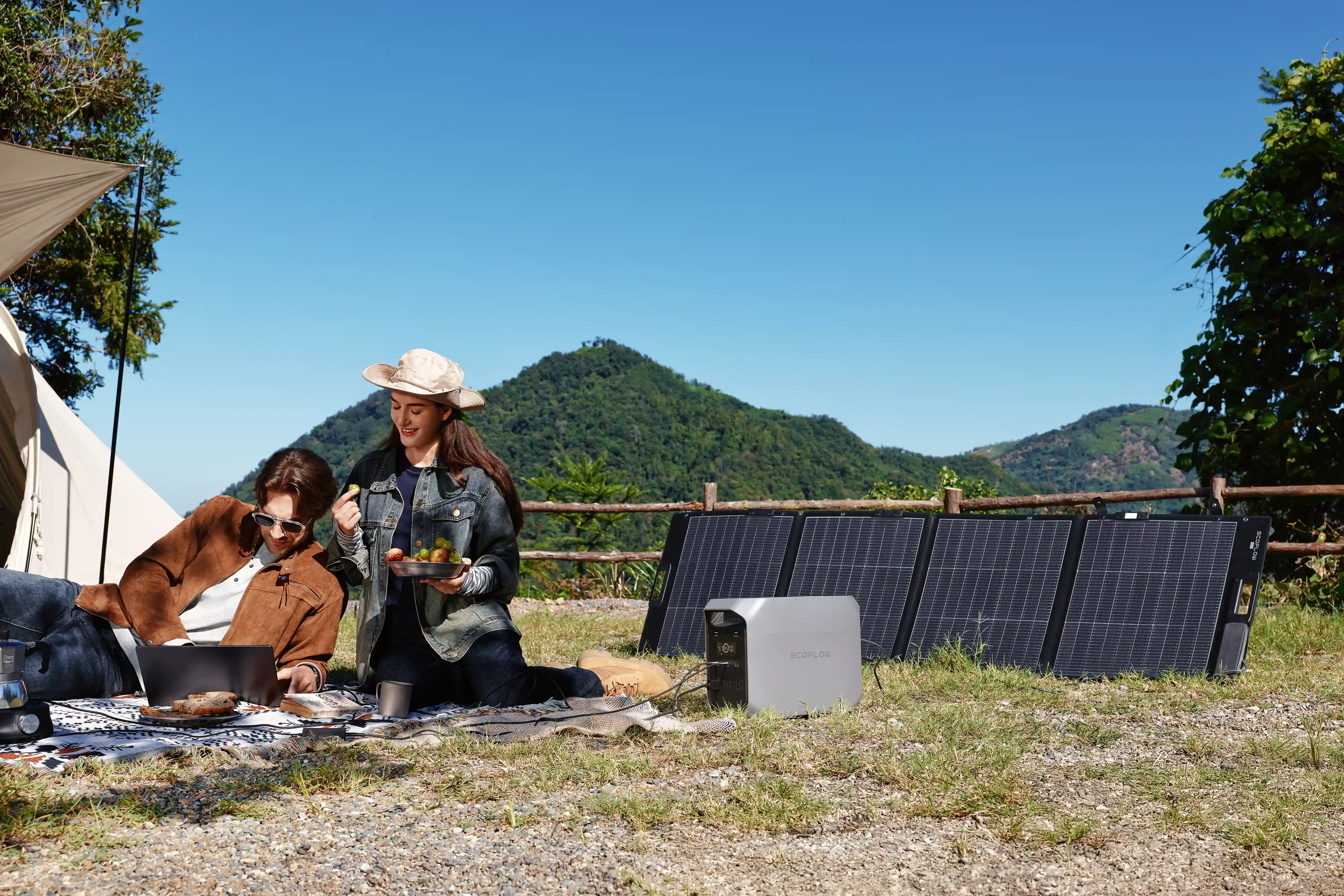
After your campsite reservations are confirmed, check whether the site has electric hookups and whether generator hours are limited. If you booked a tent site, primitive site, or a quieter non-hookup campground, a portable power station can make the setup easier without changing the way you camp. The EcoFlow DELTA 3 Classic Portable Power Station fits well into this kind of plan, especially for keeping phones, camp lights, cameras, small fans, and communication gear charged. Its 1024Wh capacity and 1800W pure sine wave output give you flexible power for common campsite devices within rated limits. It is especially useful when your campground is booked, but the site itself does not provide easy access to power.
For a smoother setup, also pack:
Headlamps or lanterns
Extra charging cables
Cooler and ice packs
First aid kit
Trash bags
Water containers
Food storage containers
Layers for changing weather
Camp chairs
Printed or offline reservation details
Use portable power as part of a quiet, rule-friendly campsite setup. Check campground rules before running cooking, heating, or speaker equipment.
Book the Campsite Early and Pack the Setup That Fits
The best campsite reservations come from early planning, flexible dates, and careful site checks. Before booking popular campgrounds, know the booking window, compare site types, prepare backup dates, and read the rules before paying. After the reservation is confirmed, pack for the site you booked, not the site you imagined. A well-matched campground and a practical campsite setup can make the whole trip easier.
FAQs
Q1. Are Campsite Reservations Required at National Parks?
Often, yes, especially during peak season at popular national park campgrounds. Some campgrounds may offer first-come, first-served sites, but availability is never guaranteed. Check the official campground page before planning your route.
Q2. What Does It Mean to Reserve Campsite Dates Online?
It means you choose a campground, date range, and campsite through an official booking platform. The reservation usually includes rules, fees, check-in details, and cancellation terms. Save the confirmation so you can access it even without cell service.
Q3. Do Weekday Campsite Reservations Help?
Yes, weekday campsite reservations often give you better availability than Friday or Saturday nights. This is especially true during summer, holiday periods, and school breaks. A Sunday-to-Thursday trip can open up more site choices.
Q4. Are First-Come, First-Served Campsites Reliable?
They can work for flexible campers, but they are not reliable for every trip. Arrival time, season, location, and local demand all matter. If you are driving far or camping with family, a confirmed reservation is usually safer.
Disclaimer: This article is for informational purposes only and does not constitute professional camping, travel, park safety, outdoor recreation, emergency, or legal advice. Campsite reservations, booking windows, campground rules, fire restrictions, generator hours, food storage requirements, first-come, first-served availability, and overnight parking rules can change by location, season, weather, and park management policy. Always follow official campground pages, posted signs, reservation terms, local alerts, and park staff instructions before booking or camping. For official information and article references, please refer to Recreation.gov Campsite Reservation Tips, Recreation.gov Rules and Reservation Policies, National Park Service Campground Rules.
For press requests or interview opportunities, reach out to our media team
media.na@ecoflow.com