Camping Dessert Ideas: Easy Treats for Campfires and Camp Kitchens
The best camping desserts use a short ingredient list, require little cleanup, and match the cooking equipment at your site. Today, we presented year-round dessert ideas, followed by summer favorites designed for warm evenings and shared campsites, for you to have fun all the time.
Dessert Ideas for Every Season
Desserts often taste best when they reflect the season. Berries and citrus suit spring, chilled fruit feels right in summer, warm spices belong in fall, and rich baked treats bring comfort in winter. Start with seasonal ingredients whether you are planning a family dinner, holiday, or weekend gathering.
Spring: Berries, Citrus, and Light Cakes
Spring desserts should feel fresh and colorful. Strawberry shortcake, lemon bars, berry pavlova, carrot cake, and fruit-topped cheesecake suit celebrations and casual lunches. For something lighter, layer yogurt, granola, and berries in individual glasses or serve strawberries with whipped cream and angel food cake.
Summer: Cold and Fruit-Forward Favorites
The most practical summer dessert ideas use ripe fruit and require little oven time. Icebox cake, no-bake cheesecake, popsicles, peach cobbler, fruit salad, and ice cream sandwiches work well for cookouts. Watermelon, blueberries, cherries, peaches, and raspberries deliver plenty of flavor without complicated preparation.
Fall: Apples, Pumpkin, and Warm Spices
Some of the best dessert ideas for fall begin with apples, pumpkin, pecans, cinnamon, or maple syrup. Apple crisp, pumpkin bread, caramel apples, pecan pie bars, and cider doughnuts suit Sunday dinners and Thanksgiving alike. Serve warm desserts with vanilla ice cream, whipped cream, or coffee.
Winter: Rich, Warm, and Celebration-Ready Treats
Winter is the season for chocolate cake, gingerbread, bread pudding, baked pears, sugar cookies, and cinnamon rolls. Most can be made in batches for holiday parties. For something simpler, serve brownies with warm chocolate sauce or create a hot cocoa bar with marshmallows, peppermint, caramel, and cookies.
From Seasonal Desserts to Camping Treats
These seasonal choices work at home, at parties, and for everyday meals. Camping adds practical requirements: ingredients must travel well, preparation should be simple, and cleanup must remain manageable.
Summer is the natural place to narrow the list. It is a busy camping season across the United States, and its fresh fruit and long evenings create plenty of easy dessert ideas. The following treats adapt familiar summer flavors to a campfire, grill, skillet, or no-cook campsite setup.
7 Easy Summer Camping Desserts
These options are practical for car camping, RV trips, and camp kitchens. Prepare measured ingredients at home, then finish each treat at the site.
1. Grilled Peach Shortcakes
Halve ripe but firm peaches and remove the pits. Brush the cut sides lightly with oil, then place them cut-side down on a clean grill grate for three to five minutes. Turn once, cook until tender, and set each half over a slice of pound cake. Finish with whipped topping and cinnamon. If fresh peaches are unavailable, drained canned peach halves can work on a grill pan.
2. Build-Your-Own Campfire Cones
Set out waffle cones, mini marshmallows, chopped chocolate, berries, and sliced bananas. Let each camper fill a cone, wrap it completely in heavy-duty foil, and place it near glowing coals rather than high flames. Rotate with long tongs for several minutes, then open carefully. This format is quick, customizable, and easier to serve than a single large dessert.
3. Chocolate Banana Boats
Keep each banana in its peel and cut a lengthwise pocket without slicing through the bottom. Add chocolate chips, mini marshmallows, or crushed graham crackers. Wrap the banana in foil and warm it on a grate or beside coals until the filling softens. Let it cool briefly before eating with a spoon. Add toasted coconut only after cooking so it stays crisp.
4. Berry-Oat Foil Crumbles
Divide berries among double-layer foil packets. Add a squeeze of lemon and a little sugar. Mix quick oats, brown sugar, cinnamon, and softened butter in a separate bag at home; sprinkle it over the fruit at camp. Seal the packets with room for steam, cook over moderate coals or on a covered grill, and rotate once. Open away from your face because trapped steam can burn.
5. No-Bake Cheesecake Jars
At home, beat softened cream cheese with sugar and vanilla, then fold in whipped topping. Pack the filling cold. At camp, layer it in cups or small jars with graham crumbs and berries. Serve immediately and return extras to the cooler.
The USDA advises keeping perishables below 40°F and discarding food left above 40°F for more than two hours—or one hour when the temperature exceeds 90°F—in its camping food-safety guidance.
6. Skillet Brownie Sundaes
Use a boxed brownie mix or prepare dry ingredients at home. Grease a small cast-iron skillet, add the batter, and cook it covered over low, even heat until the edges set and the center is no longer liquid. Serve directly from the skillet with shelf-stable chocolate sauce or cold ice cream. A parchment-paper round makes cleanup easier and helps prevent sticking.
7. Watermelon-Lime Dessert Cups
For a fire-free finish, combine chilled watermelon cubes, blueberries, lime zest, and a small squeeze of lime juice. Add mint immediately before serving. Pack the fruit in a hard-sided container so it does not become crushed in the cooler. For a salty-sweet variation, add a light pinch of flaky salt; keep dairy toppings separate until serving.
Power a More Flexible Camp Kitchen
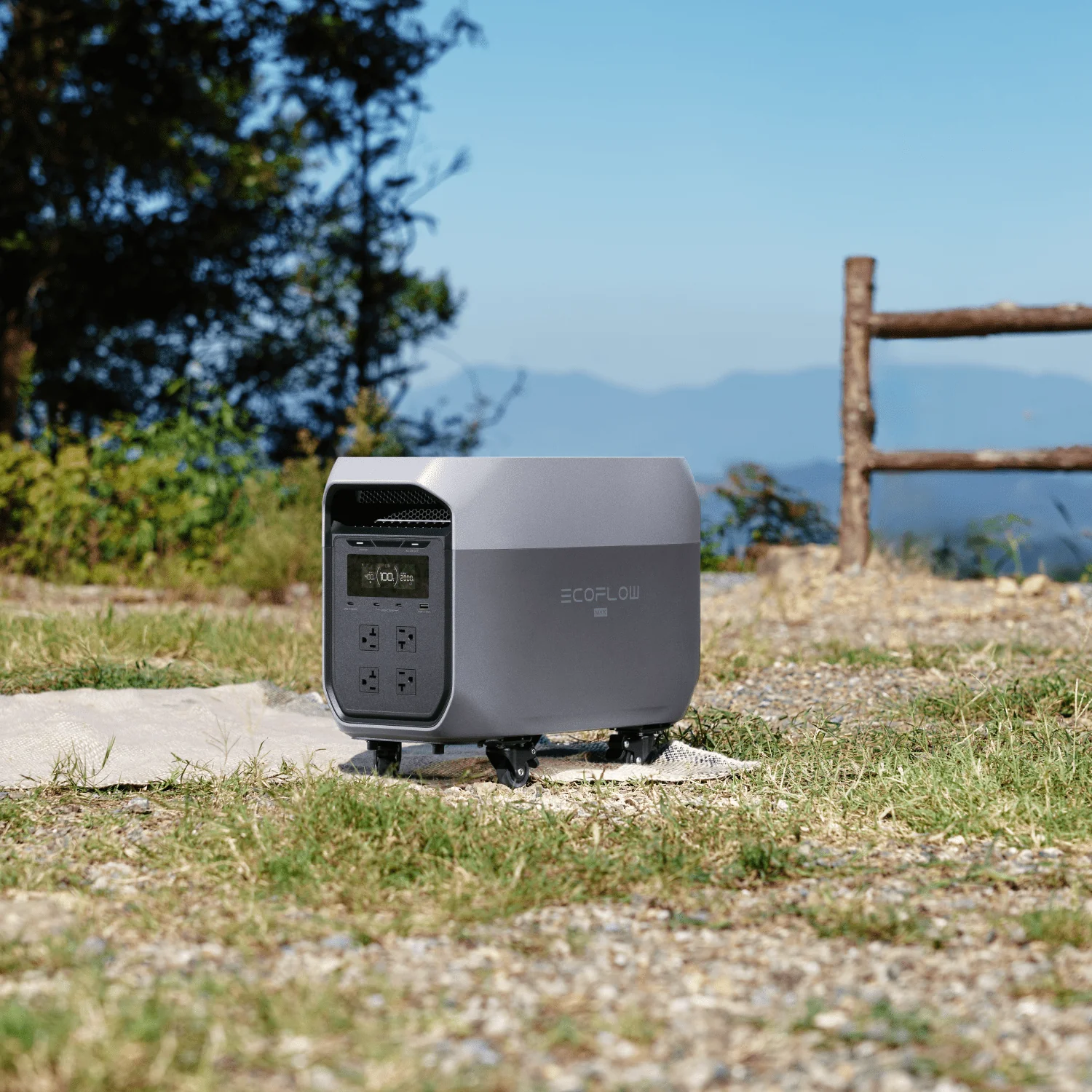
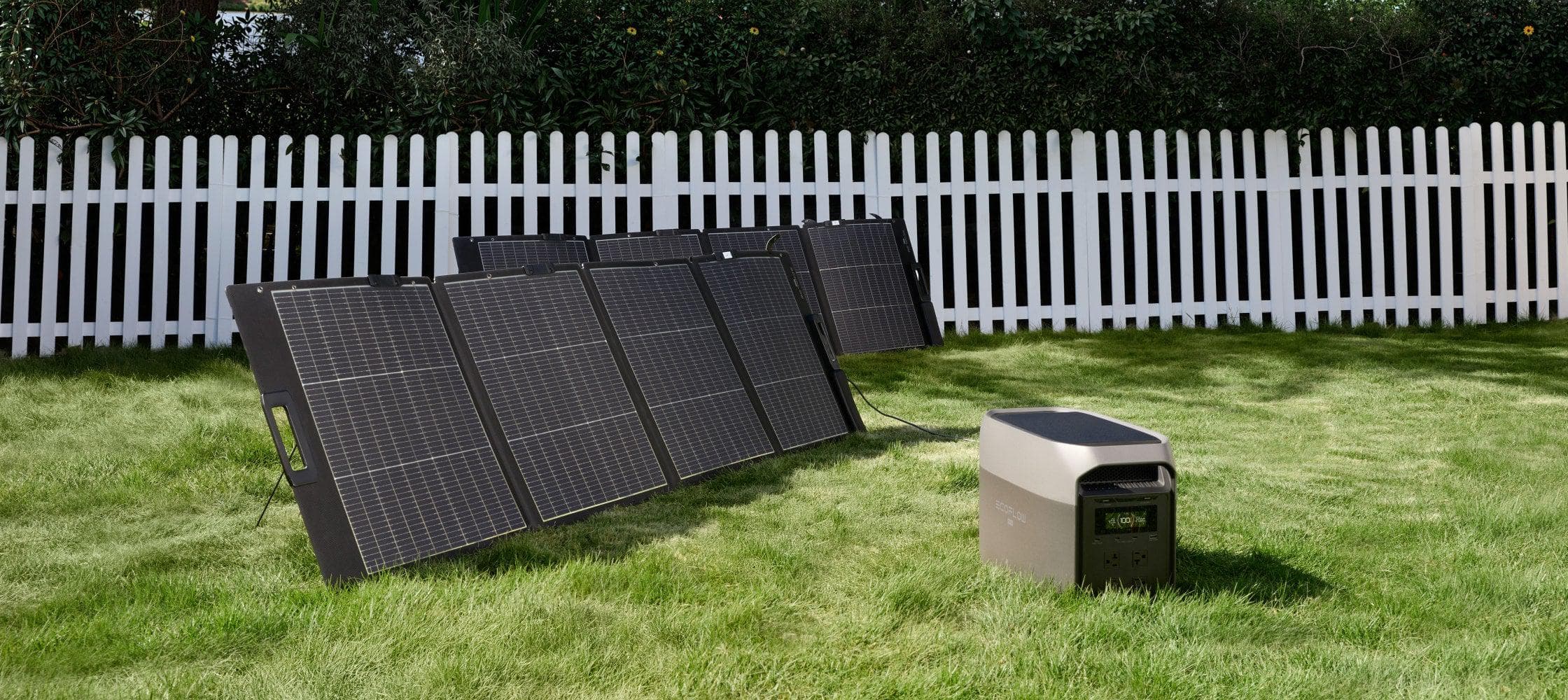
For a camp kitchen beyond the fire ring, the EcoFlow DELTA 3 Max Plus (2048Wh) + 400W Solar Panel combines 2,048Wh capacity with 3,000W rated AC output. It can power a compact refrigerator, blender, or induction cooktop when each appliance stays within its requirements. The 400W panel adds daytime solar charging; actual runtime and charging depend on load, sunlight, temperature, and panel placement.
Before plugging in, check every appliance’s running and startup wattage. EcoFlow’s RV solar panel guide covers portable and mounted solar choices.
How to Make Camping Desserts Easier and Safer
The simplest plan is to prep at home, separate cold ingredients, and bring a backup method that does not require an open flame.
Confirm the rules first. Fire restrictions can change with wind and drought. The National Park Service recommends checking current restrictions, using an existing ring when fires are allowed, keeping water nearby, never leaving a fire unattended, and extinguishing it completely. Review its campfire guidance before departure and follow the rules posted at your campground.
Do the messy work at home. Wash and cut fruit, pre-mix dry toppings, portion add-ins, and label bags by recipe. Keep wet and dry ingredients separate until cooking so crusts and crumbles stay crisp.
Pack a small dessert kit. Heavy-duty foil, long tongs, heat-resistant gloves, a can opener, parchment paper, a small skillet, serving spoons, and resealable containers cover most recipes on this list. Bring a separate clean utensil for ready-to-eat food.
Control the heat. Glowing coals provide steadier heat than tall flames. Place packets near the edge, rotate them, and check early. Sugar burns quickly, and sealed packets continue cooking briefly after removal.
Plan for cleanup. Let foil cool, scrape food residue into trash, and pack everything out. Do not burn leftover food or wrappers. Store scented waste promptly rather than leaving it beside the fire ring.
FAQs
Q1. What Camping Desserts Can I Make Without a Cooler?
Choose shelf-stable ingredients: cinnamon-sugar tortillas, nut or seed butter s’mores, grilled canned pineapple, packaged cookies, dried-fruit oat bites, or instant pudding made with shelf-stable milk that is opened only when needed. Buy single-serving packages to avoid leftovers. Check every label because some plant-based milks and ready-made fillings still require refrigeration before opening or soon afterward.
Q2. How Do I Keep Chocolate From Melting Before Dessert Time?
Place unopened chocolate in a watertight container near the top of the food cooler, separated from melting ice by a towel or rack. Keep the cooler shaded and open it as little as possible. In extreme heat, use candy-coated chocolate or chocolate sandwich cookies, which are less messy than thin bars. Never leave sweets in a parked vehicle, where temperatures rise quickly.
Q3. How Can I Serve Campers With Food Allergies Safely?
Ask about allergies before shopping, read every package label, and keep allergen-free ingredients sealed and clearly marked. Prepare the allergy-friendly portion first with clean hands, foil, utensils, and cookware. Shared cast iron, topping bowls, and condiment jars can transfer allergens even when the recipe itself looks safe. When consequences could be severe, let the affected camper approve ingredients and preparation steps.
Q4. Where Should I Store Desserts in Bear Country?
Treat desserts, wrappers, coolers, dishes, and food-scented trash as attractants. Follow the exact rules for the park or forest, which may require a locker or approved bear-resistant container rather than a vehicle. Never keep food in a tent. The National Park Service’s bear-country food-storage guidance also advises securing scented items immediately and washing dishes promptly.
Q5. How Do I Scale a Camping Dessert for a Large Group?
Choose individual foil packets or cups and calculate one portion per person plus about 10% extra. Assemble ingredients in a line, use a permanent marker to label packets, and cook in timed batches so heat stays consistent. Put one adult in charge of the fire or grill while another handles serving. For mixed dietary needs, use different foil-fold patterns as a visual code.
For press requests or interview opportunities, reach out to our media team
media.na@ecoflow.com