Wildfire Power Outages: Staying Ready for PSPS Shutoffs
- What Is a Public Safety Power Shutoff (PSPS)?
- Why Do Utilities Call PSPS Events During Wildfire Season?
- Which States and Areas Are Most Affected by PSPS Shutoffs?
- How Long Do PSPS Outages Typically Last?
- How Should You Prepare for a Wildfire-Related Power Shutoff?
- What Should You Power First During a PSPS Shutoff?
- How Does Backup Power Help You Ride Out a PSPS Event?
- Frequently Asked Questions
- Reliable Backup Power Keeps Your Home Safe and Ready During Wildfire Season
Wildfire season can bring planned power outages that disrupt daily life for hours or even days. Understanding why utilities implement these shutoffs, how long they may last, and what you can do to prepare helps protect your family, home, and essential devices.
With the right backup power strategy, you can stay safe and comfortable when the grid goes offline.
What Is a Public Safety Power Shutoff (PSPS)?
A Public Safety Power Shutoff (PSPS) is a planned electrical outage initiated by utility companies to reduce the risk of power lines sparking wildfires during dangerous weather conditions. These public safety power shutoffs are preventive measures rather than responses to existing outages.
Utilities monitor weather forecasts, vegetation conditions, and grid infrastructure before deciding to temporarily de-energize power lines.
While these outages can be inconvenient, they are intended to reduce the likelihood of catastrophic wildfires caused by damaged electrical equipment during periods of extreme fire danger. Having a backup power source on hand, such as the EcoFlow DELTA Pro 3 Portable Power Station, helps you stay prepared regardless of when a shutoff occurs.

Why Do Utilities Call PSPS Events During Wildfire Season?
Wildfires spread rapidly when dry vegetation, low humidity, and strong winds combine. During these conditions, even a small electrical spark from damaged equipment or fallen power lines can ignite surrounding brush.
Utilities may initiate shutoffs when weather forecasts indicate red flag warnings for fire safety, which signals elevated wildfire risk.
These decisions are based on multiple factors, including sustained winds, wind gusts, drought conditions, fuel moisture, vegetation near electrical infrastructure, and the condition of transmission and distribution equipment.
Which States and Areas Are Most Affected by PSPS Shutoffs?
The most affected regions include California, Oregon, parts of Washington, Nevada, and portions of Colorado. Mountain communities, forested neighborhoods, and rural areas are especially vulnerable because transmission lines often pass through dense vegetation.
Among these regions, California PSPS events are the most widely recognized due to the state's combination of prolonged drought, mountainous terrain, dry vegetation, and frequent wind events.
Utilities serving high fire-risk zones may implement planned outages several times during an active wildfire season.
How Long Do PSPS Outages Typically Last?
A PSPS outage can last anywhere from several hours to multiple days, depending on weather conditions and the time required to safely restore service.
Utilities generally wait until dangerous weather has passed before inspecting power lines and equipment.
Restoration cannot begin until crews confirm that every section of the affected infrastructure is safe to re-energize.
How Should You Prepare for a Wildfire-Related Power Shutoff?
Preparation is the best way to minimize disruptions during a wildfire-related power shutoff.
Stock an emergency kit with drinking water, nonperishable food, flashlights, extra batteries, medications, a first aid kit, and other essential supplies.
Fully charge phones, laptops, rechargeable lights, power banks, and other battery-powered devices whenever wildfire conditions increase.
Identify the appliances and systems you'll need most during an outage, such as your refrigerator, medical equipment, internet modem and router, communication devices, and garage door opener.
Create a family emergency communication plan so everyone knows how to stay in contact and where to meet if phone service is disrupted.
If someone in your household depends on electrically powered medical equipment or you work from home, have a reliable backup power source and contingency plan in place for extended outages.
What Should You Power First During a PSPS Shutoff?
If your backup power capacity is limited, prioritize devices that protect health, safety, and food:
Refrigerators and freezers, to preserve food and medications.
Medical devices and communication equipment.
Internet modem and router.
Phones and essential lighting.
Garage door openers and home security systems, if capacity allows.
Small cooking appliances, if needed.
Heating or cooling equipment, which may require significantly more power (check your backup system's capacity before relying on it during an outage).
How Does Backup Power Help You Ride Out a PSPS Event?
A dependable backup system can transform a prolonged outage from a major disruption into a manageable inconvenience. The right solution depends on your home's energy needs, budget, and desired level of protection.
A generator can automatically restore electricity to nearly every circuit in the home after utility power is interrupted. But generators typically rely on natural gas, propane, or diesel fuel and require ongoing maintenance, which is a tradeoff that doesn't work for every household.
Battery-powered systems offer a quieter, lower-maintenance alternative. They store electricity for use during outages without producing emissions, and many integrate with solar panels to extend runtime during daylight hours.
The EcoFlow DELTA Pro 3 Portable Power Station is built to scale with those needs.
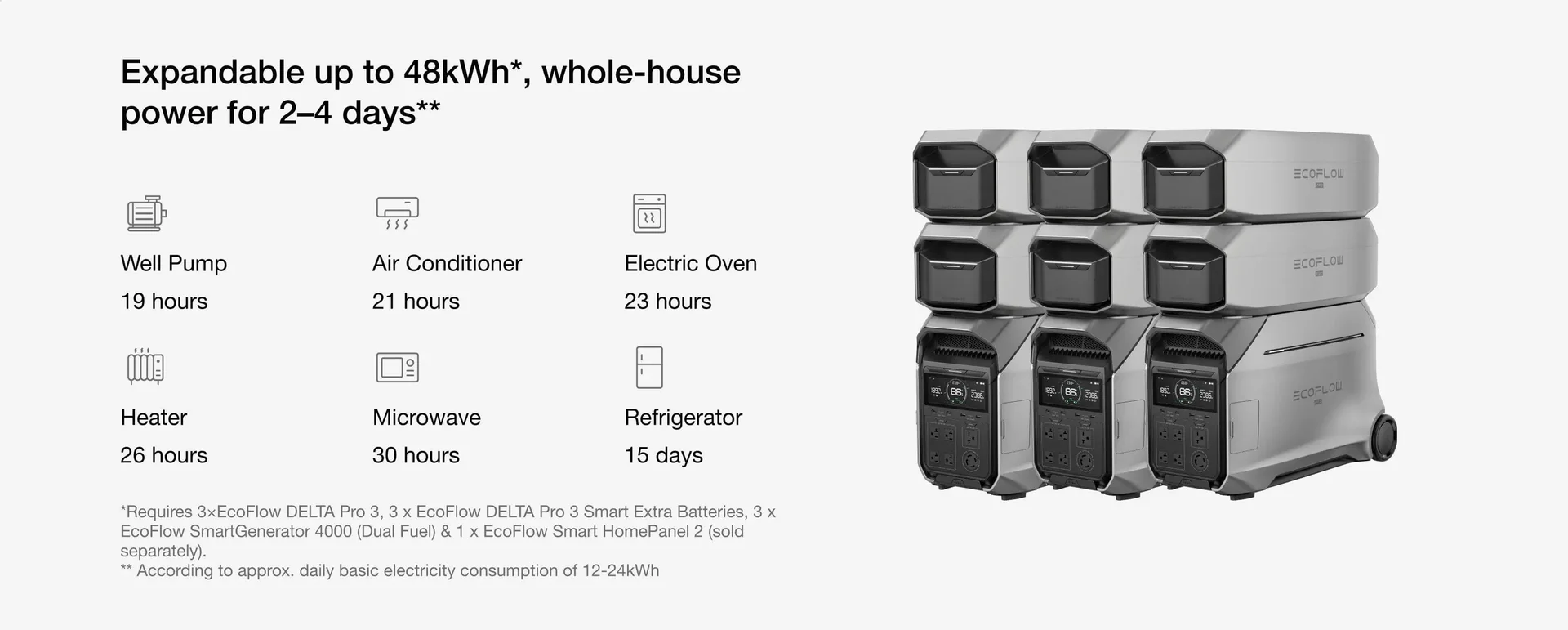
On its own, it can power essential appliances, electronics, and communication equipment without any permanent installation. As a full system, it can expand into a whole-home backup system covering most or all of your home's circuits up to 48kWh, so you can start small and grow into broader coverage as your needs change.
For wildfire-prone regions where PSPS events may recur throughout the season, that kind of scalable setup means you're not locked into either a small portable unit or a full whole-home system from day one.
Frequently Asked Questions
How Much Warning Do You Get Before a PSPS Shutoff?
Utilities typically provide advance notice ranging from several hours to about two days before a planned shutoff, although timing depends on rapidly changing weather conditions.
Can You Use a Generator During a PSPS Event?
Yes, generators can provide electricity during a PSPS outage when operated correctly. Portable generators should always be used outdoors, far from doors, windows, and vents to prevent carbon monoxide poisoning.
How Do You Know If You Live in a High Fire-Risk Area?
Your utility provider is usually the best source for determining whether your property is located in a high fire-threat area. Many utilities publish wildfire risk maps and PSPS eligibility maps online.
Reliable Backup Power Keeps Your Home Safe and Ready During Wildfire Season
Wildfire-related power shutoffs are becoming an increasingly important part of life in many fire-prone regions. Understanding why PSPS events occur, how long they may last, and how to prepare before they happen can reduce stress and help protect your household.
Choosing a reliable backup power solution before wildfire season arrives gives you greater confidence when the grid goes down. Explore the EcoFlow DELTA Pro 3 to find a setup that fits your home, whether you need essential-device coverage or a full whole-home system.
For press requests or interview opportunities, reach out to our media team
media.na@ecoflow.com