Red Flag Warnings Explained: Why Backup Power Matters During Extreme Fire Weather
- What Is a Red Flag Warning?
- What Conditions Trigger Red Flag Warnings?
- Why Do Utilities Shut Off Power During Extreme Fire Risk?
- How Can Wildfires and High Winds Cause Power Outages?
- What Should You Prepare Before a Red Flag Warning?
- What Backup Power Options Help During Fire Weather Events?
- Frequently Asked Questions
- Extreme Fire Conditions Make Backup Power and Emergency Planning Essential
In many parts of the United States, millions of people are no stranger to wildfires and their consequences. In some cases, wildfires can destroy vast swaths of natural land, properties, and infrastructure. They also frequently leave thousands of households without access to the grid. That’s why you need to understand the Red Flag Warning and how to respond.
With wildfires predicted to become increasingly frequent, investing in backup power is becoming increasingly necessary. In this guide, we explore what the Red Flag Warning means and how you can prepare to respond on a moment’s notice by having ready access to a reliable and safe source of backup power.
What Is a Red Flag Warning?
When the National Weather Service issues a Red Flag Warning, it signals a heightened risk of imminent, destructive wildfires in a particular area.
The warning was initially designed to notify fire managers on federal lands to delay any planned burns. Today, Red Flag Warnings are broadcast to the public as well as land management agencies and firefighters.
Wildfires are becoming a more common reality for many North Americans. If you see a Red Flag Warning, you need to make sure you’re prepared to protect your wellbeing and home to the best of your abilities. We’ll talk about how to do that below.
What Conditions Trigger Red Flag Warnings?
The NWS typically issues a Red Flag Warning when weather conditions meet three criteria:
First, the local vegetation, particularly small vegetation like grass and leaves, must be particularly dry. Second, the humidity must remain below 25% for several hours. Finally, if wind speeds excel 15 mph around 20 feet above the ground, all three criteria for a Red Flag Warning are met.
Even though wildfires are becoming increasingly unpredictable, Red Flag Warnings are usually only issued in the spring and summer fire season.
Why Do Utilities Shut Off Power During Extreme Fire Risk?
A Red Flag Warning alerts people, businesses and government departments to avoid any activity that could produce a spark or a fire. Unfortunately, despite being a crucial safety measure, this can lead to prolonged power outages for thousands of households.
Outages that are intentional are known as public power safety shutoffs (PSPS). Utility providers may turn off a section of the grid to prevent risks such as sparks or sagging power lines from contributing to the spread of wildfires or starting new ones.
In some cases, utility providers try to warn their customers of a planned outage 24 to 48 hours in advance. However, the combination of weather conditions that heighten the risk of wildfires are unpredictable, which means outages can occur with little to no warning.
How Can Wildfires and High Winds Cause Power Outages?
Wildfires and strong winds pose manage dangers to energy utilities. These extreme weather conditions can damage or destroy essential components of grid infrastructure.
High winds can weaken trees or even topple them, increasing the risk of damage to nearby power lines and infrastructure. Especially strong winds alone can physically bring down power lines, particularly if the infrastructure is already damaged or aging.
Even if they aren’t in the direct path of a wildfire, transformers and substations can sustain damage due to intense heat. For example, heat can melt certain components and protective coatings, which can take days or even weeks to repair. Similarly, ash and debris can get inside or coat crucial components that are difficult to replace.
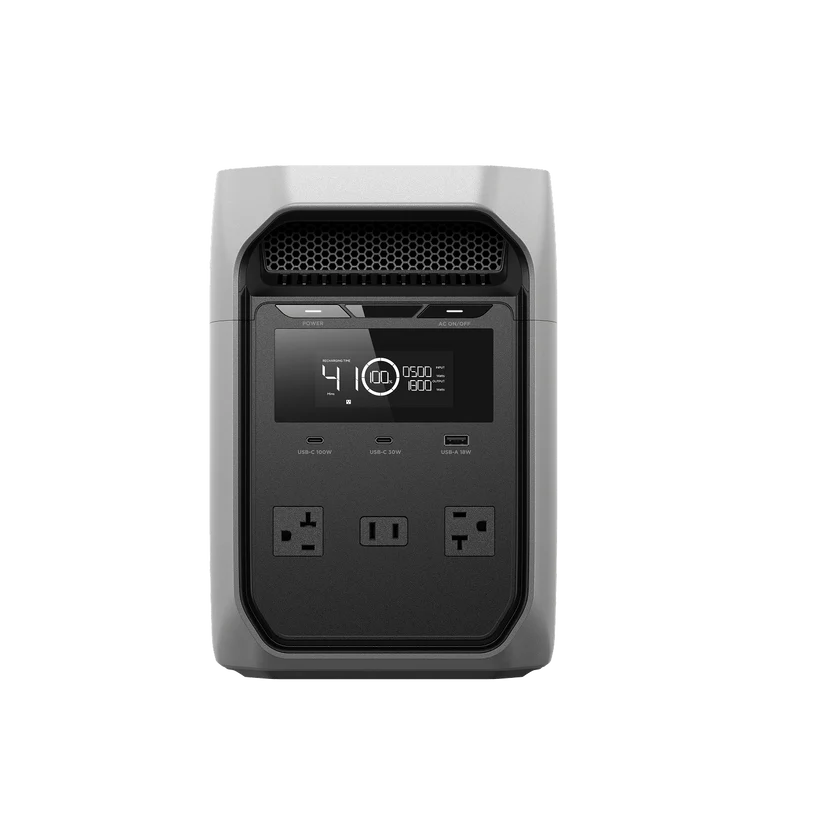
Ideally, you need a portable battery that’s easy to move between the outdoors and the indoors – or relocate on a second’s notice if you need to evacuate. For example, the EcoFlow DELTA 3 Classic is ideal for charging phones and powering light appliances. It can fully charge in as little as an hour via an electrical outlet or your vehicle. It can also be integrated with solar panels, making it a versatile solution for power outages.
What Should You Prepare Before a Red Flag Warning?
Wildfires can emerge with little to no warning, so you need to make sure you’re prepared for a severe weather emergency before the Red Flag Warning is issued. Here are the basics that you need to prepare in advance:
Emergency kit: Your emergency kit should contain essentials such as medications, non-perishable food, water, cash, flashlights, batteries, and essential documents. Make sure to store the kit in a place where you can grab it quickly.
Fuel and transport: Just in case you need to evacuate, make sure your vehicle has enough fuel. Also, remember to establish an evacuation plan in advance.
Home safety: Clear your outdoors of any dirt, debris, and dead leaves that could catch ablaze due to nearby wildfire. Close your windows and vents. And, make sure your home is as accessible as possible for firefighters.
Backup power: Power outages are highly likely during wildfire season. Make sure you have a safe and reliable source of backup power so that you can stay connected and keep essential items and appliances running.
Due to the increased risk of wildfires, some states offer assistance to people who want to improve their home’s safety. For example, California offers Home Hardening Grants.
What Backup Power Options Help During Fire Weather Events?
Having a source of backup power ensures you can stay on top of local alerts, power essential items such as phones and medical equipment, and keep the lights and heat on. However, you shouldn’t do anything that risks causing a spark or an open flame if you see a Red Flag Warning. It might be best to use a safe and reliable battery backup solution instead of a gas generator.
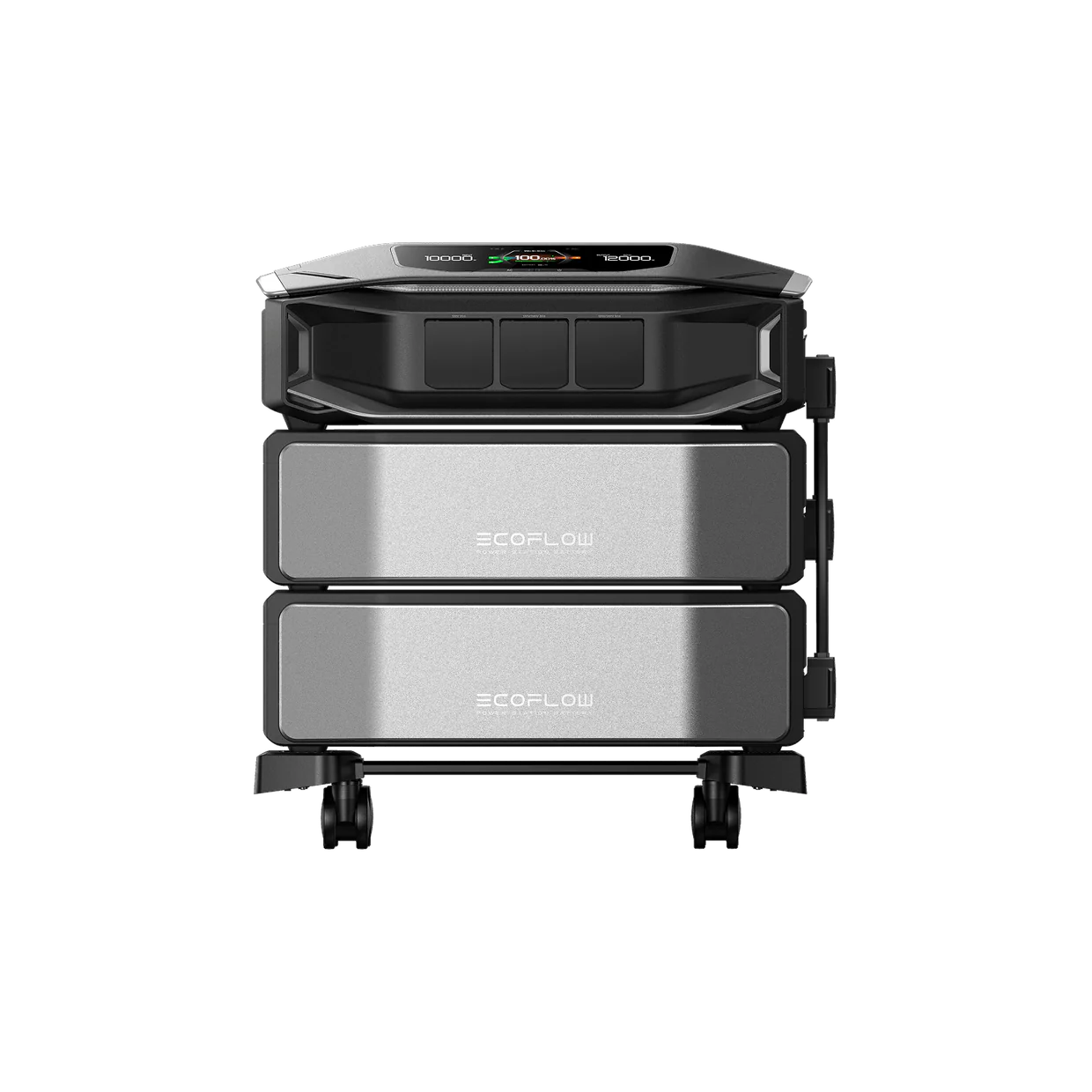
You might be interested in a whole home backup power solution such as the EcoFlow DELTA Pro Ultra X. This model can power your entire home, including HVAC systems and heavy appliances. You can charge it via the grid, generator, or solar panels. And, with expandable battery options, it can store enough energy to power your home for days to weeks.
Frequently Asked Questions
Does the US Have a Red Flag Warning?
The US issues Red Flag Warnings when the weather conditions in a particular area or region amplify the risk of severe and destructive wildfires. These conditions include low vegetation moisture, low humidity levels, and strong high winds. Typically, Red Flag Warnings are issued when critical wildfire conditions are imminent. It’s a ‘take action now’ rather than a ‘heads-up’ warning.
Is a Red Flag Warning Worse Than a Fire Watch?
The Red Flag Warning is a more severe alert than a Fire Watch. The Fire Watch warning signals that conditions for wildfires might become favorable within 72 hours, whereas a Red Flag Warning signals that the risk of a severe and imminent wildfire is high.
Extreme Fire Conditions Make Backup Power and Emergency Planning Essential
If you live in an area that’s commonly affected by the ever-increasing frequency of wildfires, there are things you can do to prepare your home for a long-term power outage. Safe, reliable, and covered backup batteries are a safer, quieter, and more versatile option than gas generators, particularly in emergencies.
Whether you need something portable or a whole home backup power solution, take a look at what’s possible with EcoFlow’s range.
For press requests or interview opportunities, reach out to our media team
media.na@ecoflow.com