What Is Overlanding? The Ultimate Beginner’s Guide to Vehicles, Routes & Costs
- What Does Overlanding Actually Mean for Beginners
- What Do You Really Need to Start Overlanding
- Essential Overlanding Mods Most Beginners Forget
- How Much Does It Cost to Start Overlanding as a Beginner
- What Happens When You Run out of Power Off-Grid
- How Can You Plan Your First Overlanding Trip Safely
- Conclusion
- FAQ
Overlanding has surged in popularity, often depicted through stylized media as the ultimate escape into remote wilderness. However, the reality of the practice involves a sophisticated blend of long distance off road travel and self sustained camping. At its core, overlanding prioritizes the journey and the ability to remain self reliant across diverse terrains. This guide provides a technical overview of the essential requirements, from vehicle preparation to managing power requirements in off grid environments.
What Does Overlanding Actually Mean for Beginners
To anyone who hasn’t tried it, overlanding might look like a pretentious word for “driving through the dirt.” But for those of us who spend our weekends on the trail, it’s a specific way of traveling that puts self-reliance and discovery over checking off a list of tourist traps. Understanding the nuances of overlanding vs. off-roading is the first step in realizing that the former is a marathon of self-sufficiency rather than just a sprint through a mud pit.
Drive Through Remote Off-Road Trails
At its core, overlanding starts exactly where the pavement ends. It’s about navigating those winding forest service roads in the Pacific Northwest or picking your way through the dusty washes of the American Southwest. Here’s the key: the goal goes beyond seeing how much your suspension can take. It’s about getting your eyes on landscapes that a standard rental car, or even a basic SUV, simply wouldn’t reach.
Live Independently Away from Cities
Unlike a typical road trip where you’re bouncing between Marriotts and roadside diners, overlanding involves carrying your entire life in your trunk. Transitioning from traditional road trips to overlanding requires becoming your own utility infrastructure. By integrating a solar generator, explorers can harvest renewable energy to maintain critical systems while stationary. This level of independence allows for extended stays in remote regions without the need to return to urban centers for power or supplies. It shifts the focus from survival to sustained exploration.
Camp in Off-Grid Setups
Avoid crowded RV parks next to a bunch of Wi-Fi hotspots and loud generators. Overlanding usually involves “dispersed camping” or “boondocking” on public land. We’re talking about finding a spot on BLM or National Forest ground where your only neighbor is a curious deer or a patch of sagebrush. The U.S. Bureau of Land Management actually looks after more than 245 million acres, and a massive chunk of that is open for you to set up camp for free, provided you follow the “leave no trace” rules and check the local postings first.
Prioritize Exploration over Destination
On an overland trek, focus is on the journey between point A and point B. It’s not about rushing to hit a specific landmark just to take a selfie and leave. Maybe you stumble upon a hidden swimming hole in the Ozarks or an old ghost town tucked away in the Nevada desert. Having the freedom to change your plans just because a side trail looks interesting is the whole reason we do this.
What Do You Really Need to Start Overlanding
Before you start worrying about a $100,000 custom build you saw on YouTube, take a breath. You don’t need a heavily built off-road vehicle to get into the backcountry, though you do need a few “non-negotiables” to make sure a fun weekend doesn’t turn into a survival situation.
Choose a High-Clearance 4x4
While a specialized “rock crawler” is unnecessary for most beginners, ground clearance remains a critical metric for navigating unpredictable terrain. A standard 4WD or AWD platform is often sufficient for established forest service roads. However, for more technical inclines, a vehicle equipped with a low-range transfer case is recommended for superior torque and descent control. Platforms like the Toyota 4Runner or Subaru Outback are frequent choices for early adopters due to their balance of daily utility and off-road capability.
Pro Tip: A stock vehicle is sufficient for beginners to get started. Stock vehicles like the Toyota 4Runner or Subaru Outback are popular beginner-friendly options because they balance daily driving comfort with enough clearance for most forest service roads.
Equip Reliable All-Terrain Tires
Since your tires are the only thing actually touching the dirt, this is not the place to hunt for a bargain. A solid set of All-Terrain (A/T) tires comes with beefier sidewalls and a much more aggressive grip than what’s on your daily commuter. This is what protects you from sharp shale and gives you that “bite” you need when the trail turns into mud or deep sand. Most people who do this for a living will tell you that traction beats horsepower every single time, especially when you’re trying to navigate a washboard forest road without rattling your teeth loose.
Carry Water Storage and Filtration
Water is your top priority, period. If you’re heading into the desert, you’ve got to be smart about it. Plan on hauling at least a gallon per person for every single day you’re out, and that’s just for drinking and the occasional face-wash. Also, throw a high-quality filtration system in your kit, like a gravity bag or a hand pump. If your main tanks run dry, being able to safely pull from a stream or a mountain lake is a highly practical solution.
Pack Efficient Camp Kitchen Setups
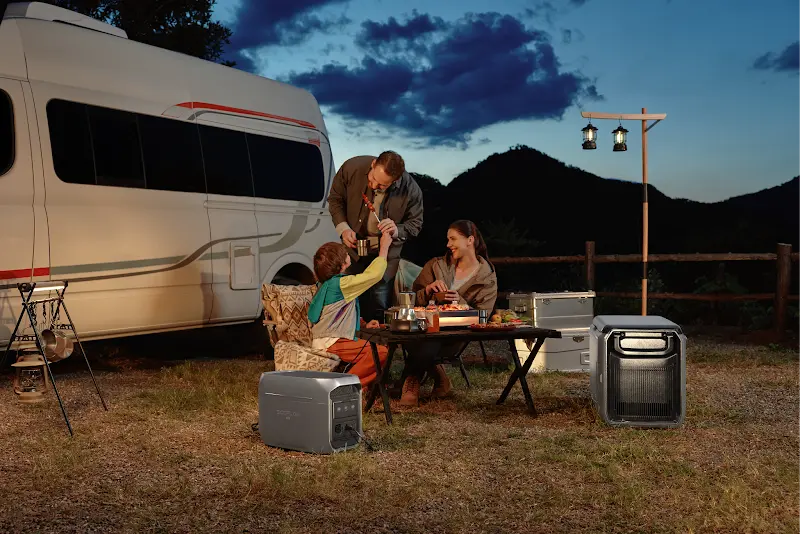
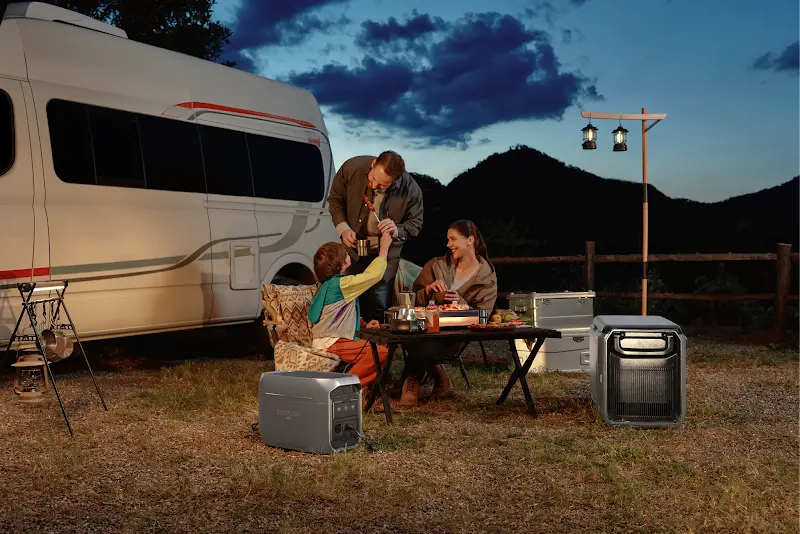
Flipping burgers in the middle of nowhere is arguably the best part of the whole experience, but you have to stay organized. A simple dual-burner propane stove and a rugged cooler, or a 12V fridge if you’ve got the power for it, can turn a dusty tailgate into a well-equipped camp kitchen setup. Carrying a reliable portable power station allows you to keep that fridge running 24/7 without draining your vehicle’s starter battery.
Select Essential Vehicle Recovery Gear
Vehicle recovery is an inevitable aspect of off pavement travel. Rather than relying on costly professional recovery services, beginners should equip their vehicles with a set of traction boards and a kinetic recovery strap. It is imperative to familiarize yourself with these tools before they are required in a high stress scenario. A frame mounted, rated recovery point is a non-negotiable safety feature for any rig entering isolated areas.
Essential Overlanding Mods Most Beginners Forget
It’s easy to get distracted by those flashy rooftop tents or snorkel intakes that look cool in photos, but the real MVPs are the upgrades you can’t even see from a distance. If you’re planning to tackle the Backcountry Discovery Routes (BDRs) without a massive headache, these functional mods should be at the top of your list. Using an overland equipment checklist and setup guide for beginners can help you ensure you have everything needed to survive these isolated locations comfortably.
Install a Reliable Onboard Air Compressor
A lot of drivers out on those rocky Utah trails will “air down” their tires to around 18-22 PSI. It makes the ride way smoother and gives you way more traction. Having a compressor mounted under your hood or tucked in the trunk means you can “air up” in minutes once you hit the pavement. It is significantly more convenient than hunting for a gas station with a working air pump, which, let’s be honest, is a rarity once you’re out of the city.
Protect Your Undercarriage with Skid Plates
The underside of your truck is constantly exposed to rocks, roots, and other off-road obstacles that can damage critical components like the oil pan or differential. Installing steel or aluminum skid plates adds a durable layer of protection for these vulnerable areas. In practice, replacing a skid plate is far less costly than repairing major drivetrain damage after a serious impact in remote terrain.
Master Tire Pressure Management
Beyond just having a pump, you need the tools to actually manage your footprint. Grab a set of rapid tire deflators and a good analog pressure gauge. Finding that “sweet spot” PSI for sand or jagged rocks goes way beyond being a luxury, it is a necessity for preventing punctures when the trail gets technical.
Verify and Upgrade Rated Recovery Points
Those factory “tow hooks” are often just flimsy tie-down points used for shipping the car on a boat. They can be dangerous if they snap under the tension of a recovery strap. Make sure your rig has frame-mounted, rated recovery points on the front and rear. If you’re out there solo, these are your essential recovery points for attaching a winch line or kinetic rope safely.
Invest in Redundant Comms Systems
The second you lose cell service, “no bars” shouldn’t mean you’re totally cut off. A hard-mounted GMRS radio is the standard for chatting between rigs on the trail. Also, a satellite messenger like a Garmin InReach is your “SOS” button for the outside world. Being able to check the weather or call for a tow from the bottom of a canyon is reliable operation and safety.
How Much Does It Cost to Start Overlanding as a Beginner
Overlanding can be as cheap or as expensive as you decide to make it. A little bit of financial planning ahead of time goes a long way in keeping the adventure from turning into a stress-fest.
Estimate Pre-Trip Maintenance Costs
Proactive maintenance is a financial safeguard; the cost of a comprehensive mechanical inspection is a fraction of the expense associated with specialized off-road recovery services in remote National Forests.
Budget Average Fuel Costs
Fuel logistics typically represent the largest recurring expenditure on an overland trek. Due to increased weight and poor aerodynamic profiles, highly equipped vehicles often see a 10-20% reduction in highway fuel economy. Furthermore, when operating in low range 4WD through sand or technical terrain, consumption rates can escalate dramatically. Strategic travelers should calculate their range conservatively and carry auxiliary fuel supplies as a redundancy.
Compare Prices for Outdoor Gear
You can spend an absolute fortune on equipment marketed for overlanding, but you don’t always have to. It’s smart to mix and match. Spend the money on a high end sleeping bag so you don’t freeze at 30°F, but go ahead and buy the budget friendly storage bins or camp chairs. Also, check out used gear sites; plenty of people buy the expensive stuff and realize they don’t like dirt as much as they thought they would.
Plan Daily Food and Water Supplies
Eating well off the grid costs about the same as your normal grocery bill, plus a little extra for the “shelf-stable” luxuries. Those fancy dehydrated mountain meals are convenient, but they get pricey fast. Prepping fresh meals in a vacuum sealer before you leave home is a great way to save cash and still enjoy higher-quality meals while camping by the campfire.
Research Fees for Campsite Permits
Even though the best overlanding is usually on free public land, some of the iconic routes or National Parks are going to ask for a permit or a modest camping fee. Always pull up the local ranger district website to check for any “Adventure Pass” requirements. It’s a lot better than coming back to your truck and finding a hefty fine tucked under your wiper blade.
What Happens When You Run out of Power Off-Grid
When you’re deep in the Utah desert or tucked away in the Montana mountains, running out of power can quickly turn an enjoyable trip into a serious problem. Maintaining your devices powered goes beyond just having cold beer; it’s a matter of safety and basic convenience.
Power High-Wattage Gear with Portable Power
Operating high wattage equipment in remote locations, such as electric cooking appliances or recovery tools, requires a significant and stable energy reservoir. The EcoFlow DELTA 3 Max Plus (2048Wh) + 800W Alternator Charger provides a robust solution for these heavy-duty applications. With its X-Boost mode supporting devices up to 3800W, it ensures that professional-grade gear remains operational without the need for a traditional generator. Furthermore, the inclusion of the 800W alternator charger allows for rapid replenishment of the battery array directly from the vehicle’s electrical system during transit, which is critical for maintaining power security on multi-day expeditions across North America.
Save Storage Space with Lightweight Setups
For weekend warriors packing out a mid-sized SUV or a Tacoma, every inch of cargo space is prime real estate. You need big power, but you don’t want a lead-weight anchor dragging down your rear suspension and killing your departure angle. The EcoFlow DELTA 3 Max (2048Wh) + 400W Solar Panel is the optimized setup here. It’s about 13% lighter than the previous generation 2kWh product, so you can actually move it from the trunk to the camp table without reducing physical strain during handling. The included 400W solar panel also helps top off the battery during the day, which is especially useful for longer off-grid trips. This setup is especially particularly useful during fire season restrictions when open flames are a total “no-go.”
Extend Off-Grid Days Using Sunlight
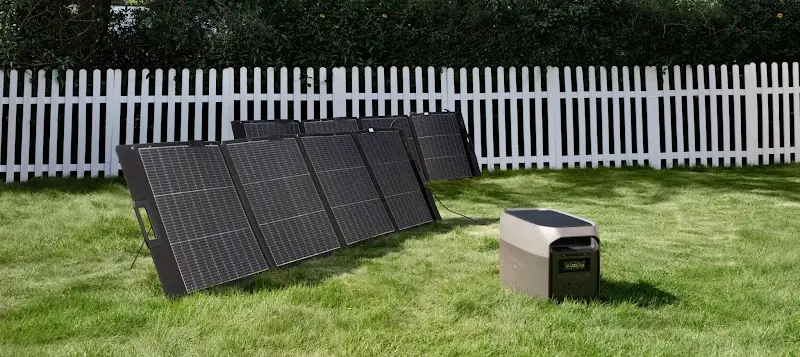
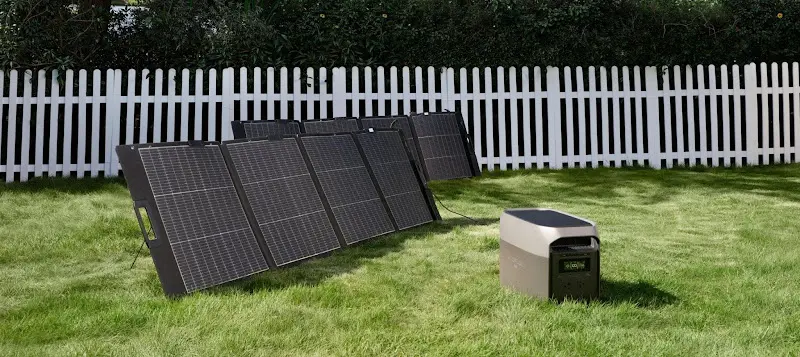
To stay out indefinitely, you have to start harvesting energy from the sun. Pairing your station with some portable solar panels lets you top off the batteries while you’re out hiking or catching trout. It’s silent, free energy that keeps the refrigerator operating continuously and the lights on without the obnoxious noise and smell of a traditional fuel-powered generator.
Maintain Mobile Signals with Emergency Power
Safety is everything when you’re out of range. Keeping your devices charged is your literal lifeline. Having a dedicated power source ensures your satellite messenger, like a Garmin inReach, and your phone are always ready for a Nav check or an emergency call. This is crucial even if your truck’s starter battery fails in the middle of the trail.
How Can You Plan Your First Overlanding Trip Safely
A successful first run really comes down to the “prep.” Going in blind is a fast track to a bad time, so you’ll want to follow a few basic rules to make sure you come back with nothing but good stories and a dusty rig.
Download Detailed Offline Topographic Maps
Cell service usually vanishes the exact second things get interesting. Use apps like Gaia GPS or OnX Offroad to download detailed topographic maps of the entire area before you even back out of your driveway. Being able to see every contour line and trail fork on your screen, even when you’re miles from the nearest tower, is absolutely essential. You don’t want to be guessing which way leads to a cliff and which way leads home.
Check Trail Conditions Before Leaving Home
Trail conditions can change unexpectedly. A trail that was wide open last week could be a muddy mess from a flash flood or blocked by a late-season snowbank today. Check recent “trip reports” on enthusiast forums or just call the local ranger station. They’ll have the latest word on gate closures and weird obstacles that haven’t made it onto the internet yet.
Prepare Comprehensive First Aid Medical Kits
When you’re deep in the woods, help can be hours or even days away. Your kit needs to go way beyond a few Band-Aids. Pack trauma supplies, splints, and plenty of any personal medications you need. Taking a basic wilderness first aid course is a valuable investment for any aspiring overlander. It is a skill you may never need to use, but one you will be glad to have if an emergency occurs in the field.
Share Planned Routes with Emergency Contacts
Always leave a “flight plan” with a friend or family member back home. Tell them exactly where you’re headed, which trails you’re planning to explore, and most importantly, your “panic time.” That’s the specific hour they should expect you to be back in cell range. If they don’t hear from you by then, they know exactly where to send the search party.
Test New Gear During Short Weekends
The middle of a wilderness area is the worst place to find out your new stove is missing a gasket or you can’t figure out how the rainfly goes on your tent. Do a “driveway camp” or a quick overnight at a local state park first. It’s the best way to shake down your gear and iron out the kinks before you’re actually committed to a long-haul trip.
Conclusion
Overlanding represents more than a hobby; it is a gateway to experiencing remote landscapes from a perspective inaccessible to most travelers. Success in the backcountry is fundamentally a product of preparation rather than hardware alone. By establishing a robust power strategy with the EcoFlow DELTA 3 series and prioritizing detailed route intelligence, you can push further into the wild with total peace of mind. Bottom line: equipment performance is critical on remote trails, but it rewards those who have planned for the realities of self-sufficiency. With the right gear and a solid plan, you can navigate remote environments with the same level of security found in more developed areas.
FAQ
Is Overlanding the Same as Off-Roading?
Not exactly. While both involve getting your tires dirty, off-roading usually focuses on the technical challenge of the drive itself—think rock crawling or mud pits. Overlanding, in contrast, centers on long-distance travel and the ability to remain self-reliant while camping. One emphasizes the obstacle; the other emphasizes the journey.
Are Rooftop Tents Better Than Ground Tents?
It really depends on what you value. Rooftop tents are great because they set up in seconds and keep you off the cold, rocky ground (and away from critters). On the flip side, ground tents are way more affordable and won’t mess with your vehicle’s center of gravity or gas mileage. If you’re just starting out, a ground tent is a much lower financial hurdle.
What Happens if You Get Caught Dispersed Camping?
If you’re on public land where it’s legal, you’re golden. But if you accidentally wander onto private property or into a restricted zone, you could be looking at a hefty fine or a very awkward midnight visit from a ranger. Always use a GPS app to double-check land ownership before you kill the engine for the night.
What Is the Best State for Overlanding?
Utah is pretty much the gold standard. Between the massive amount of public land and the world famous trails around Moab, it’s an overlander’s playground. That said, states like Arizona, Colorado, and even the forest roads of North Carolina offer some incredible views if you know where to look.
For press requests or interview opportunities, reach out to our media team
media.na@ecoflow.com